
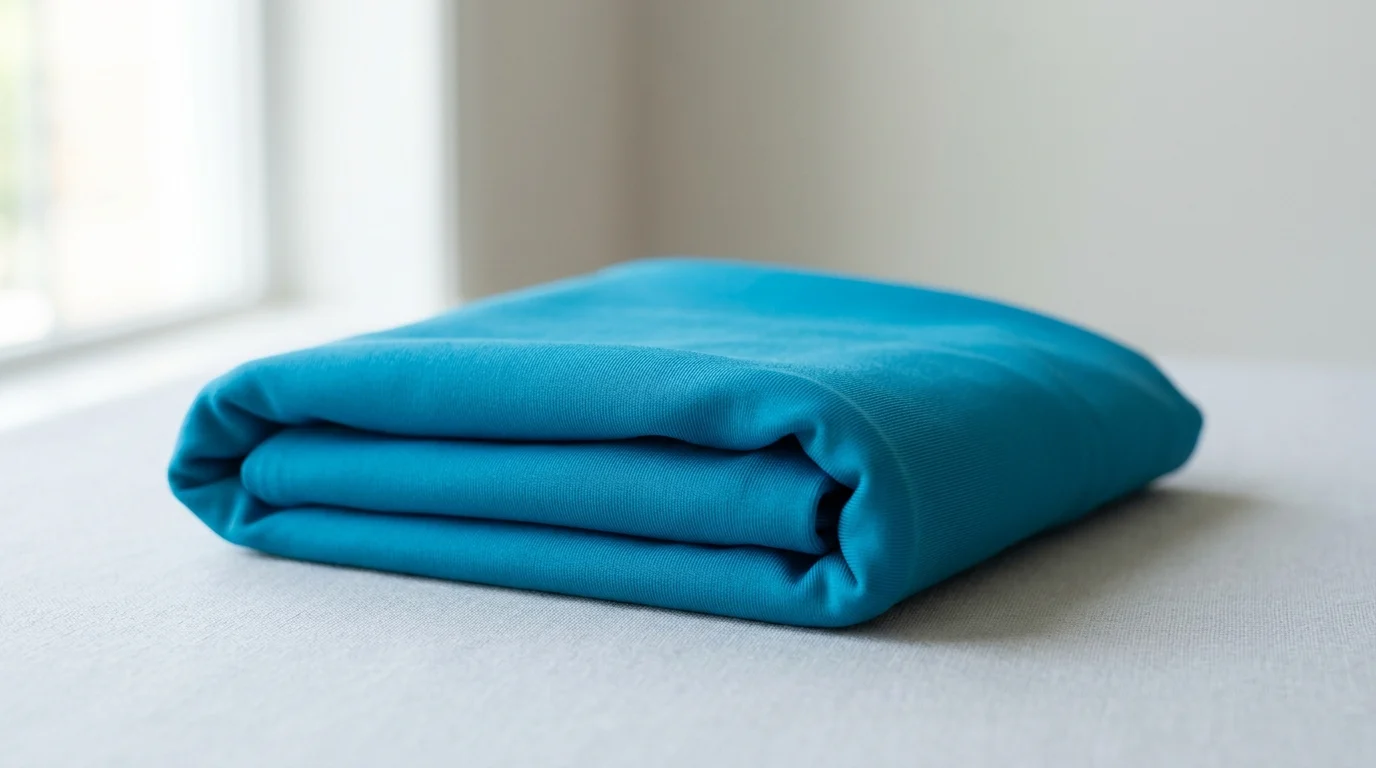
Why Polyester Spandex Fabric Matters for Swimwear
Finding the perfect material for an aquatic clothing line often leads designers to a reliable synthetic blend. While a standard polyester spandex knit fabric (such as a 95/5 blend commonly used for shirts or leggings) offers basic structure, true swimwear requires significantly higher spandex ratios for optimal stretch and longevity. When comparing options, nylon traditionally offers a luxurious drape and superior breathability. However, modern polyester blends have significantly improved in softness while outperforming nylon in both chlorine and UV resistance. Buyers must weigh these benefits against a few trade-offs, as polyester-spandex tends to retain odors more readily and offers slightly less breathability.
Ultimately, polyester provides a durable, hydrophobic base that resists wear and tear, while spandex (often branded as elastane or Lycra) gives the garment its essential stretch and recovery. Together, they create a fabric that moves with the body without losing its shape after a long day at the beach.
Key Benefits for Swimwear Buyers
Cost-effectiveness and durability make this blend highly attractive. Standard commercial swimwear typically requires 12% to 20% spandex for sufficient stretch (with standard beachwear on the lower end and competition suits on the higher end), paired with 80% to 88% polyester. This specific balance ensures the fabric is stretchy enough for active movement but stable enough to hold intricate patterns and seams, preventing buyers from accidentally sourcing underperforming low-spandex blends.
Beyond budget-friendly pricing compared to premium nylon, polyester naturally repels water. This hydrophobic quality means the fabric dries significantly faster, reducing the heavy, water-logged feeling. Furthermore, polyester boasts excellent natural UV resistance, a massive selling point for brands marketing sun-safe beachwear.
Best Uses for Printed Polyester Spandex
Designers frequently select this material for specific garment applications—such as board shorts, one-pieces, and rash guards—where durability and vibrant aesthetics are paramount. To achieve the hyper-detailed, photo-realistic designs that dominate modern swimwear, manufacturers rely heavily on dye-sublimation printing.
Because sublimation requires high heat—usually around 200°C (392°F)—to turn the ink into a gas that bonds permanently with synthetic fibers, and spandex degrades at these temperatures, the primary industry solution is utilizing low-temperature sublimation inks to protect the garment’s elasticity.
Crucially, buyers must understand a fundamental limitation of this method before committing to a design: dye-sublimation only works effectively on white or light-colored base fabrics. It cannot produce true dark grounds or vibrant neon colors. However, within its color capabilities, the ink becomes part of the fabric rather than sitting on top, ensuring the print resists cracking, peeling, and fading in harsh aquatic environments.
Key Specifications for Sourcing Polyester Spandex Fabric
Sourcing the right material requires analyzing hard numbers. Establish strict specifications with suppliers to ensure the fabric performs safely and comfortably in harsh aquatic environments.
Stretch, Recovery, and GSM
Grams per square meter (GSM) is the standard measurement for fabric weight. Weight and stretch metrics dictate how a swimsuit will fit and feel, but buyers must note that knit density, yarn denier, and overall construction—not just GSM and spandex percentage—ultimately determine wet opacity and long-term recovery. For standard swimwear, buyers target a range between 180 GSM and 220 GSM. While fabrics dropping below 150 GSM carry a high sheerness risk, even 160–180 GSM competition fabrics with high spandex percentages may become sheer when wet and often require linings or double layers. Fabrics pushing past 250 GSM can feel overly restrictive and heavy.
Stretch must operate on a 4-way axis, meaning the material expands both horizontally and vertically. Unlike a standard polyester spandex knit fabric meant for casual wear, a premium blend adapted for aquatic use should deliver 50% to 70% stretch on both the warp and weft. Depending on the supplier, target a recovery rate of at least 95%—verified through standardized knit testing methods like ASTM D2594—to ensure the suit snaps back to its original dimensions. Additionally, tests like BS EN 14704-1 can be used to measure the fabric’s elastic force and behavior under tension.
| Fabric Application | Recommended GSM | Spandex % | Key Characteristic |
|---|---|---|---|
| Competition Swimwear | 160 – 180 GSM | 18% – 22% | Maximum compression and glide (requires lining/double layer) |
| Standard Beachwear | 180 – 220 GSM | 12% – 15% | Balanced comfort and durability |
| Rash Guards / Surfing | 200 – 240 GSM | 10% – 12% | High UV protection and abrasion resistance |
Chlorine Resistance and Compliance Testing
Swimwear faces a brutal lifecycle of chlorine, saltwater, sun, and sunscreen. When reviewing supplier spec sheets, note that the ISO 105-E03 standard tests colorfastness to chlorinated water (ensuring colors do not fade), not structural fiber durability. For true structural chlorine resistance to prevent spandex fibers from becoming brittle and breaking, specify high-performance elastane (such as creora® highclo™) or PBT-enhanced polyester.
Compliance testing also extends to UV protection. A UPF 50+ rating is highly desirable, meaning the fabric blocks 98% of harmful ultraviolet rays. However, achieving UPF 50+ requires certified laboratory testing; a dense knit construction alone does not guarantee persistent protection, and UV-specific chemical treatments can degrade with repeated washing. Additionally, requesting colorfastness to washing and seawater (ISO 105-E02) ensures vibrant colors do not bleed onto towels or fade into dull pastels mid-season.
Modern swimwear sourcing decisions also increasingly hinge on sustainability and chemical safety. Buyers should look for recycled polyester (rPET) options to reduce environmental impact, alongside chemical compliance certifications such as OEKO-TEX, REACH, or Bluesign, which guarantee the fabric is free from harmful substances and safe for consumer use.
How to Choose the Right Polyester Spandex Swimwear Fabric
Moving from a specification sheet to a finished product requires strategic purchasing decisions. Securing the best material involves careful vetting, sampling, and understanding the financial and logistical thresholds of textile manufacturing.
Sampling, Printing, and Supplier Checks
Before committing to a massive production run, request a 3-yard to 5-yard sample roll.

Yunai Textile
Post time: Aug-11-2026