
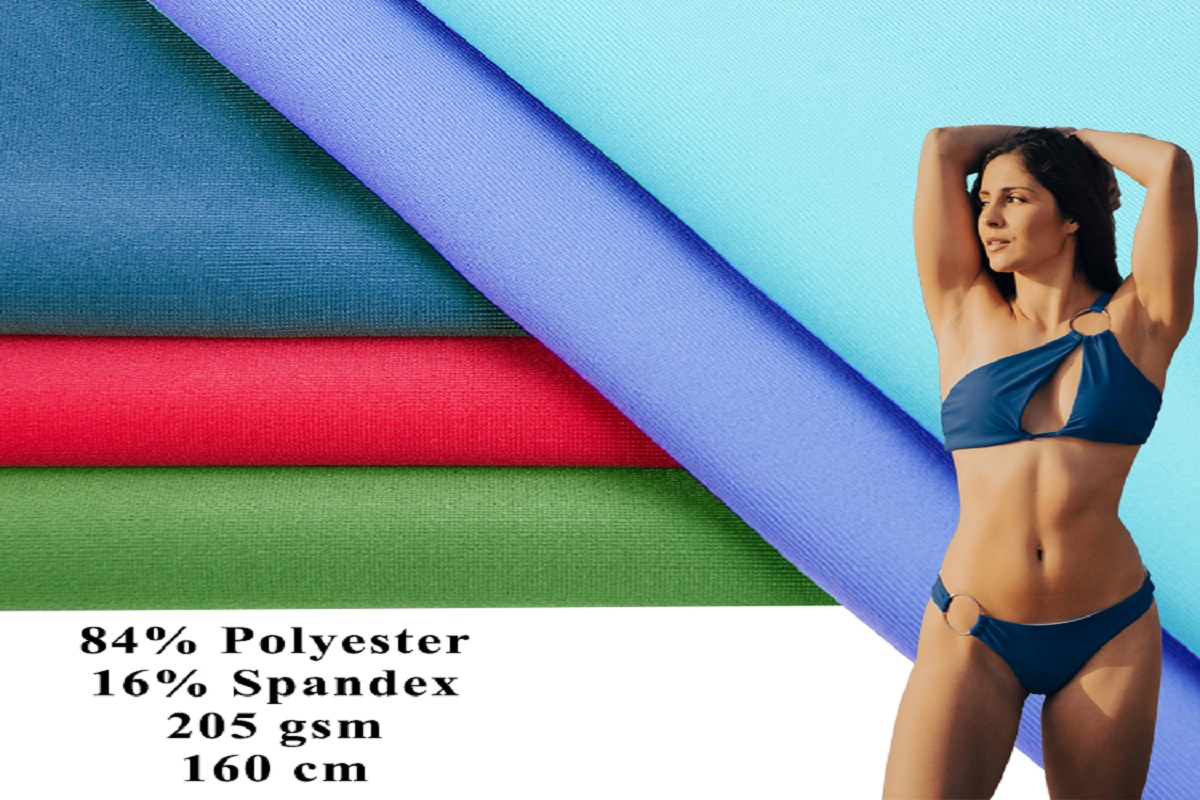
Sewing with stretchy, slippery fabrics often presents a challenge. This guide empowers sewers to conquer that apprehension. They can achieve professional-looking, durable Swimwear Swimsuit garments. It helps master the unique challenges associated with polyester spandex swim fabric, ensuring successful projects.
Key Takeaways
- Use the right tools: Stretch needles, polyester thread, and a walking foot make sewing easier.
- Prepare your fabric: Pre-wash and cut carefully to avoid problems later.
- Adjust your machine: Use stretch stitches and test settings on scraps for smooth sewing.
Choosing Materials for Polyester Spandex Swim Fabric
Understanding Polyester Spandex Characteristics
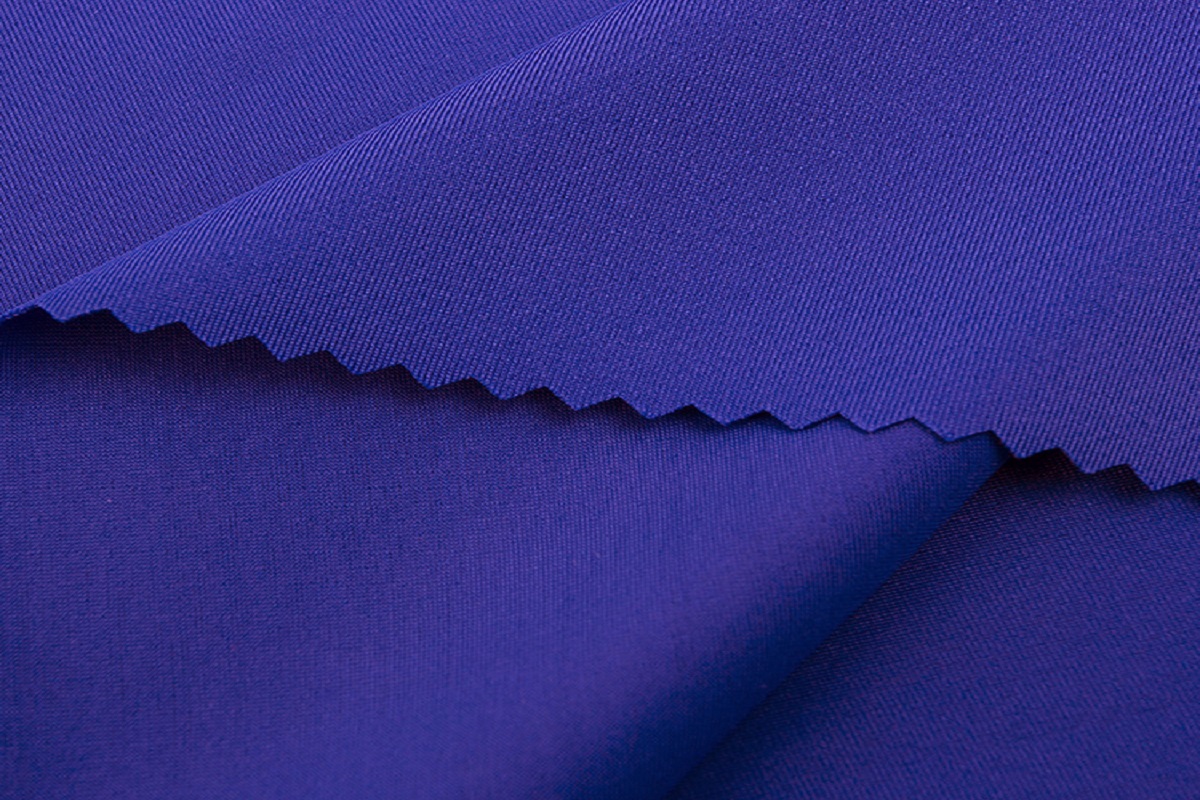
Polyester spandex swim fabric offers excellent properties for swimwear. This fabric provides significant stretch and recovery. It contains 15-25% spandex for shape retention. The fibers spring back to their original length multiple times. Polyester resists fading from chlorine and saltwater. It also blocks more UV radiation, often achieving UPF 15+. Special treatments can increase UV protection to UPF 50+. Polyester dries rapidly because it resists moisture absorption. This fabric maintains its fit over time.
Selecting Needles for Stretch Fabrics
Choosing the correct needle is crucial for sewing stretch fabrics. Stretch needles are the primary recommendation for swimwear with high spandex content. These needles have a slightly less rounded tip and a deeper scarf. This design prevents skipped stitches. Recommended sizes for stretch needles are 75/11 or 90/14. A Microtex needle works well for sewing through multiple layers, such as when attaching elastic. A stretch twin-needle creates a professional topstitching finish. While ballpoint needles are suitable for general knit fabrics, stretch needles are superior for highly elastic materials like polyester spandex swim fabric.
Best Thread for Swimwear Durability
Polyester thread is the best choice for swimwear construction. It offers excellent resistance to chlorine and UV rays. This thread maintains its strength and color in chlorinated pools. It also prevents degradation and fading from sun exposure. Nylon thread is less resistant to both chlorine and UV rays compared to polyester.
Essential Notions and Tools for Swim Fabric
Several tools make sewing with slippery fabrics easier. Wonder Clips are a superior alternative to pins. They prevent damage to delicate fabrics by avoiding holes. A walking foot helps prevent fabric layers from stretching unevenly. A serger, or overlock machine, creates professional-looking, stretchy seams. It also trims fabric edges. A coverstitch machine or a stretch twin needle creates professional double-row stitching on hems.
Preparing Your Polyester Spandex Swim Fabric
Pre-Washing Swim Fabric
Pre-washing polyester spandex swim fabric is an important step. It helps prevent potential shrinkage and removes manufacturing residues. Always use cool to warm water settings for washing. Avoid hot water, as it causes fibers to contract and leads to shrinkage. Opt for gentle cycles to protect the fabric’s durability. When machine washing, cold water helps maintain the fabric’s moisture-wicking qualities. Utilizing the gentlest wash cycle available reduces the risk of fabric warping.
Cutting Techniques for Stretch Swim Fabric
Accurate cutting prevents distortion in your swimwear project. Lay the fabric flat on a self-healing cutting mat. This mat provides a protective surface and preserves blade sharpness. Use pattern weights instead of pins to hold patterns in place. Weights secure patterns without penetrating the fabric, eliminating the risk of permanent holes. A rotary cutter achieves clean, precise cuts, especially on slippery fabric. It minimizes distortion caused by the fabric’s stretchiness. Rulers and measuring tools are crucial for accurate fabric cutting. They ensure straight cuts and correct fabric piece sizes.
Stabilizing Slippery Edges of Swim Fabric
Slippery edges can be challenging to manage. Several methods help stabilize them. Spray basting is a temporary fabric adhesive spray. It bonds fabric to a stabilizer, allowing for repositioning and smoothing wrinkles. This method is particularly useful for stubborn or slippery fabrics. Fusible interfacings also offer stability. Pellon 906F is an ultra-lightweight fusible interfacing ideal for delicate or highly stretchy athletic fabrics. For “super super stretchy” sportswear, 911 FFF provides a thicker fusible option. These tools help manage the edges of polyester spandex swim fabric during construction.
Machine Settings for Polyester Spandex Swim Fabric
Stitch Types for Stretch and Durability
For swimwear, specific stitch types ensure both stretch and durability. A Triple Stretch Stitch is highly recommended for sewing knits. This stitch creates a super stretchy and strong seam. It effectively withstands strain. While difficult to remove if a mistake occurs, its durability offers a significant advantage. A Zigzag Stitch provides a good alternative for basic machines. It offers a stretchy seam. Adjusting the stitch width and length can minimize its appearance. The Triple Straight Stitch, also known as a Stretch Stitch, offers exceptional strength. It locks in three times per stitch. This makes it ideal for high-stress seams in athletic wear. It works best for medium to heavyweight fabrics. A Standard Zigzag Stitch is a versatile option. It attaches elastic or creates stretchy seams. It flexes with the fabric. This stitch provides a neat finish. Its width and length can be adjusted for different fabric types. For example, a wider stitch works for elastic, and a narrower one suits lighter knits. A Narrow Zigzag provides the necessary stretch for openings like legs, arms, and waistbands.
Adjusting Tension and Pressure for Swim Fabric
Proper machine settings prevent common issues when sewing polyester spandex swim fabric. Adjusting tension and pressure ensures smooth stitching. Too much tension can cause puckering. Too little tension can result in loose stitches. Test stitch settings on fabric scraps. This helps find the ideal balance. Reduce the presser foot pressure if the fabric stretches or puckers. This allows the fabric to feed more smoothly. A walking foot also helps manage fabric feeding. It prevents stretching and distortion.
Utilizing a Serger for Polyester Spandex Swim Fabric
A serger significantly enhances swimwear construction. Sergers create professional-quality seams. These seams stretch without breaking. This is crucial for stretchy fabrics like swimwear. They prevent popped seams during wear. This ensures durability for activewear and swimwear. Sergers simultaneously sew, trim, and finish raw fabric edges. This contributes to ready-to-wear finishes. For four-way stretch fabrics, such as polyester spandex swim fabric, begin with a differential feed setting of 1. When sewing body seams, use a neutral differential feed and a medium stitch length. For elastic application or very stretchy edges, lengthen the stitch. Consider testing woolly nylon in the loopers. This enhances flexibility on very stretchy edges. For a four-thread setup, initial tension settings like lower looper 5 and upper looper 4 are good starting points. Adjustments may be necessary based on the specific machine and fabric.
Essential Sewing Techniques for Swim Fabric
Pinning Without Fabric Damage
Securing fabric pieces without causing damage requires careful consideration. Pins should be used sparingly. Insert them parallel to the seam allowance. This method minimizes snags or holes in the delicate material. Many sewers consider clips a superior alternative to pins. Clips hold fabric layers together without piercing the material. Fabric weights also offer an excellent alternative to pins. They hold pattern pieces or fabric layers in place during cutting or marking. These tools prevent permanent marks on the fabric.
Effective Basting Methods for Slippery Fabric
Slippery fabrics often benefit from basting before permanent stitching. This ensures precise alignment. Spray adhesives can help keep very flexible fabrics in place. These temporary glues hold layers together during sewing. They allow for repositioning if needed. Basting stitches also effectively stabilize fabric. Hand basting creates a temporary seam. This ensures a stable surface for machine sewing. It prevents fabric shifting and stretching.
Sewing Curves and Corners on Swimwear
Sewing curves and corners on swimwear demands precision. Take a slow and steady approach. Reduce the machine’s speed when approaching a curve. This allows for better control. Gently guide the fabric through the machine. Avoid pulling or stretching the fabric. For corners, sew to the corner point. Leave the needle in the fabric. Lift the presser foot. Pivot the fabric. Then, lower the presser foot and continue sewing. This technique creates sharp, clean corners.
Attaching Elastics Securely to Swim Fabric
Attaching elastic securely prevents rippling and ensures a comfortable fit. This process involves a few key steps. First, position the elastic. Align it on the wrong side of the fabric at the edge where it will be sewn. Second, sew the elastic. Use a zigzag stitch or a serger. Stretch the elastic slightly as you sew. This distributes the stretch evenly. Third, fold the elastic over. Fold the elastic and fabric edge over, enclosing the elastic. Topstitch using a zigzag stitch or a coverstitch. This creates a neat and durable finish. This method ensures the elastic remains secure and functional.
Lining Your Polyester Spandex Swimwear
When to Use a Swimwear Lining
Lining swimwear offers several important benefits. Liners provide extra support, holding garments in place during various activities. Compression liners minimize fabric movement and skin rubbing, preventing irritation and chafing. This is especially important for active wear. Unlined swim trunks may become transparent when wet; a liner addresses this problem. Lining adds an extra layer of opacity, particularly useful for light-colored fabrics, preventing transparency when wet. More substantial linings can also add compression qualities to a swimsuit, enhancing its shaping capabilities.
Types of Lining Fabric for Swimsuits
Selecting the correct lining fabric enhances swimwear performance. Power mesh, a specialized tricot fabric, offers high elasticity and support. It is suitable for swimwear requiring shaping and support, often containing higher spandex content for this purpose. Mesh tricot features an open, net-like structure; it is lightweight and breathable. This makes it ideal for areas needing ventilation. Plain tricot, a basic knit, provides a smooth surface for general comfort and opacity. Tricot lining improves opacity, comfort, and durability in swimwear, especially for lighter colors and white garments.
Techniques for Lining Polyester Spandex Swimwear
Lining swimwear requires careful technique to ensure a smooth, professional finish. First, cut the lining pieces identical to the main fabric pieces. Sew the lining pieces together at the seams, creating a separate inner garment. Place the lining inside the main swimwear fabric, wrong sides together. Align all edges precisely. Baste the raw edges of the lining and main fabric together before attaching elastic or finishing seams. This prevents shifting during construction. For a clean finish, enclose all raw edges between the main fabric and the lining. This method creates a fully reversible garment or a neat interior.
Tips for Success with Polyester Spandex Swim Fabric
Practicing on Fabric Scraps
Before beginning a project, practicing on fabric scraps is essential. This allows sewers to test stitch types, tension settings, and needle choices. Experimenting with different machine adjustments helps achieve optimal results. This practice builds confidence and prevents errors on the final garment.
Reading Swimwear Pattern Instructions
Always read swimwear pattern instructions thoroughly before starting. Patterns often include specific recommendations for fabric types, notions, and sewing techniques. Following these guidelines ensures the garment fits correctly and performs as intended. Ignoring instructions can lead to frustration and wasted materials.
Handling Fabric Puckering Issues
Puckering often frustrates sewers working with stretchy materials. Several factors contribute to this issue. Mismatched thread weight and fabric type can cause puckering. Heavy threads create bulk in delicate fabrics. Overly tight needle thread tension pulls fabric fibers together, causing gathering. Standard straight stitches are not suitable for stretch materials like polyester spandex swim fabric. This can lead to distortion. Puckering can also result from structural jamming, especially in densely woven fabrics. This occurs when insufficient space exists for the sewing thread without distorting the fabric yarns.
To resolve puckering, sewers can implement several adjustments. Use a 75/11 or 70/10 ball point needle. Set the stitch length to 2 to 2.5. Employ a slight zigzag width of 1 to 1.5. If available, choose a medium stretch setting on the machine. Ensure the entire project is supported to prevent fabric stretching due to its weight. Allow the feed dogs to work without pulling the fabric. Pin the fabric well before sewing. Adjust the presser foot pressure. Switching to a walking foot helps feed top and bottom layers evenly. Verify tension settings if puckering persists after checking thread weight.
Maintaining Sewing Machine Performance
Regular maintenance ensures a sewing machine operates smoothly. Clean the machine frequently, removing lint and dust from the bobbin area and feed dogs. Oil moving parts according to the manufacturer’s instructions. A well-maintained machine prevents skipped stitches and uneven tension. This contributes to a professional finish on all sewing projects.
Sewers now celebrate their successful polyester spandex swim fabric creations. They experience the deep satisfaction of crafting custom, handmade swimwear. This acquired expertise empowers them. They can confidently explore more advanced sewing projects, expanding their skills further.
FAQ
What needle works best for polyester spandex swim fabric?
Stretch needles (75/11 or 90/14) are ideal. They prevent skipped stitches. Microtex needles work well for multiple layers.
Why should one pre-wash polyester spandex swim fabric?
Pre-washing prevents shrinkage. It also removes manufacturing residues. This step ensures the fabric maintains its size and quality after sewing.
Can a regular sewing machine sew polyester spandex swim fabric?
Yes, a regular sewing machine can sew polyester spandex swim fabric. Use a stretch needle, polyester thread, and a zigzag or triple stretch stitch for best results.
Post time: Dec-12-2025