

Proper care significantly extends the lifespan of yarn dyed plaid school fabric, maintaining vibrant colors and structural integrity. This ensures uniforms look their best. It also reduces environmental impact; millions of uniforms, like 100% polyester plaid fabric and skirt plaid fabric, end up in landfills annually. Effective care preserves school plaid fabric and yarn dyed plaid fabric, benefiting appearance and sustainability.
Key Takeaways
- Proper care makes school uniforms last longer. It keeps colors bright and saves money.
- Wash uniforms in cold water with mild soap. This protects the fabric and prevents fading.
- Air dry uniforms when possible. This helps keep their shape and color.
Optimal Washing Techniques for Yarn-Dyed Plaid School Fabric

Effective washing techniques are fundamental for preserving the quality and appearance of school uniforms. Proper care ensures the fabric retains its vibrant colors and structural integrity throughout the school year. Implementing these methods helps maintain a professional look for students and extends the uniform’s lifespan.
Sorting and Water Temperature for Plaid Uniforms
Proper sorting is the first critical step in uniform care. Individuals should always sort laundry by color, grouping similar shades together. This practice prevents dye transfer between garments. It is essential to keep dark colors separate from lighter fabrics and whites. For new, brightly colored uniforms, washing them separately for the first few washes is advisable. This precaution helps avoid any potential dye transfer to other clothing items.
Choosing the correct water temperature is equally important for preserving the color intensity of yarn dyed plaid school fabric. For most colors, a temperature of 30°C (86°F) or below is recommended. This temperature range helps preserve color intensity and prevents dye bleeding. Washing colors in cold water helps to preserve the color and prevent dye bleeding effectively. According to a study by the American Society for Testing and Materials (ASTM), washing colors at 30°C (86°F) can help preserve up to 90% of the color intensity. In contrast, washing at 40°C (104°F) can result in a loss of up to 20% of the color intensity. Cold water is less likely to cause colors to bleed compared to hot water. It helps keep dyes locked in and is also gentler on fabrics. Using cold water is a safer choice, especially for items prone to bleeding.
Selecting the Right Detergent for Plaid Fabric
Selecting an appropriate detergent is crucial for maintaining plaid uniforms. Individuals should choose mild, color-safe detergents. These detergents clean effectively without stripping the fabric of its dyes. Harsh chemicals, such as chlorine bleach, can damage fabric fibers and cause colors to fade or become discolored. Always read detergent labels carefully to ensure compatibility with colored garments. Many detergents specifically formulate for color protection, which helps maintain the vibrancy of plaid patterns.
Gentle Hand Washing vs. Machine Washing Plaid
The choice between hand washing and machine washing depends on the uniform’s specific care instructions and its delicacy. Hand washing is often preferable for very delicate plaid items or when a uniform is new and individuals want to prevent any initial dye bleed. To hand wash, fill a basin with cold water and add a small amount of mild detergent. Submerge the uniform and gently agitate the water. Allow it to soak for a short period, then rinse thoroughly with cold water until all soap is gone.
For most school uniforms, machine washing is a convenient and effective option. Always use a gentle cycle with cold water. This setting minimizes stress on the fabric and helps prevent color fading. Avoid overloading the washing machine, as this can prevent proper cleaning and cause excessive friction, potentially damaging the fabric. Fasten all zippers and buttons before washing to prevent snagging. Turning uniforms inside out can also offer an extra layer of protection for the outer surface and colors.
Drying and Stain Removal for Yarn-Dyed Plaid School Fabric
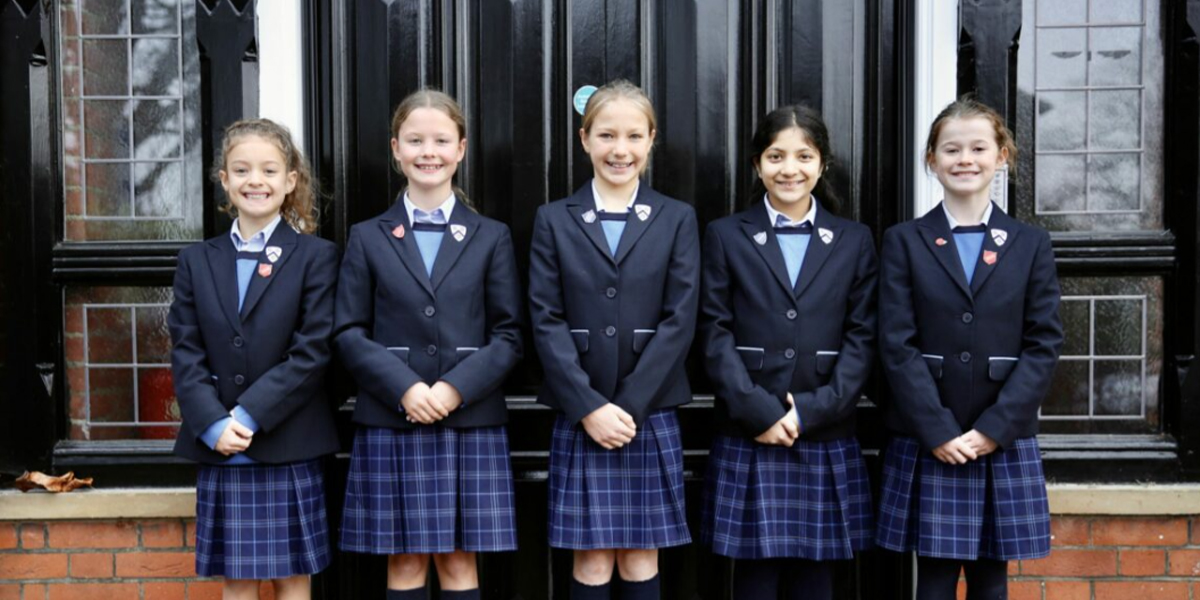
Proper drying and effective stain removal techniques are essential for maintaining the pristine appearance and extending the life of school uniforms. These practices prevent damage, preserve color vibrancy, and ensure uniforms remain presentable throughout the academic year.
Air Drying Methods to Preserve Plaid Color
Air drying offers significant benefits for preserving the color and integrity of school uniforms. It minimizes exposure to high heat, which can cause fading and shrinkage. Individuals should utilize natural air drying as an optimal drying process. This method helps prevent excessive fiber shrinkage and stiffness. To achieve the best results, avoid over-drying garments. Remove items when they are slightly damp and allow them to air dry completely. This gentle approach protects the fabric from the harsh effects of machine dryers, which can degrade fibers and dull colors over time. Hanging uniforms on a padded hanger or laying them flat on a clean, dry surface promotes even drying and helps maintain the garment’s shape.
Safe Stain Treatment for Plaid Uniforms
Stains on school uniforms require prompt and careful attention. Acting quickly significantly increases the chances of successful removal. First, identify the type of stain. Different stains respond best to specific treatments. For common stains like food or ink, individuals should gently blot the affected area with a clean cloth, avoiding rubbing, which can spread the stain. Always test any stain remover on an inconspicuous area of the uniform first to ensure it does not cause discoloration or damage to the yarn dyed plaid school fabric.
Tip: For protein-based stains (e.g., blood, dairy), use cold water. For oil-based stains (e.g., grease, makeup), use warm water and a mild detergent.
Apply a small amount of a color-safe stain remover directly to the stain. Allow it to sit for the recommended time, then gently work it into the fabric. Rinse the area thoroughly with cold water. If the stain persists, repeat the process or consider a professional cleaner. Never put a stained uniform in a dryer, as the heat can set the stain permanently.
Ironing and Wrinkle Prevention for Plaid Fabric
Ironing helps uniforms look crisp and neat. Always check the care label for specific ironing instructions. Generally, iron plaid uniforms on a low to medium heat setting. Turn the uniform inside out to protect the outer surface and prevent shine marks. Using a pressing cloth between the iron and the fabric provides an additional layer of protection, especially for delicate materials. Move the iron smoothly and continuously to avoid scorching.
Preventing wrinkles during storage also contributes to a uniform’s longevity and appearance.
- Match Storage Method to Fabric Type: Consider the fabric of the uniform. Cotton is flexible and can be hung or folded.
- Perfect Your Folding Technique: Proper folding is crucial. Techniques include using the ‘filing’ method (folding clothes and placing them upright) or placing tissue paper between folds to prevent creases. Following the garment’s seams when folding helps maintain shape.
- Elevate Your Hanging Game: If hanging, use appropriate hangers, such as wooden for support or padded for delicate items. Leave adequate space between garments to prevent wrinkles and allow air circulation.
- Choose Storage Containers Wisely: Use clear plastic containers or archival boxes. Always include silica gel packets to control moisture, which helps prevent mildew and keeps clothing safe.
- Clean Before You Store: Ensure uniforms are clean and completely dry before storage. This prevents stains from setting, fabric breakdown, and mildew.
- Location Matters: Store uniforms in cool, dark, dry places with good airflow. Avoid attics, garages, basements, direct sunlight, or exterior walls. These environments can damage fabric over time.
Special Considerations for Different Yarn-Dyed Plaid School Fabric Types
Different fabric compositions require specific care approaches to maintain their quality and appearance. Understanding these distinctions ensures the longevity of school uniforms. Proper care preserves the fabric’s integrity and vibrant colors.
Caring for 100% Cotton Plaid Uniforms
Caring for 100% cotton plaid uniforms involves specific techniques to prevent shrinkage and color fading. Individuals should wash these items in cold water with a mild, enzyme-free detergent. This practice helps minimize shrinkage and preserves color intensity. Turning garments inside out before washing protects the outer appearance and prevents sun fading if line drying. For drying, tumble dry on low heat and remove promptly, or hang/lay flat to air dry. High heat causes shrinkage and stiffness in cotton.
Tip for Cotton Care:
- Wash in cold water to prevent shrinking and dye bleeding.
- Turn garments inside out for color protection.
- Air dry or tumble dry on low heat.
Maintaining 100% Polyester Plaid Uniforms
Polyester yarn dyed plaid school fabric offers durability and low maintenance. However, it requires attention to heat sensitivity and pilling prevention. Individuals should wash garments inside out at low temperatures to prevent pilling. High temperatures in tumble dryers can worsen pilling by drawing out fibers. Air-drying is often best for items prone to pilling. If tumble drying is necessary, use a low heat setting. Polyester is susceptible to excess heat; ironing with an iron that is too hot may cause a shiny appearance. Always follow the ironing recommendations on the care label.
Understanding Dry Cleaning Requirements for Plaid
Most school uniforms do not require dry cleaning. However, certain yarn-dyed fabrics, such as wool, necessitate this specialized cleaning method. Always check the garment’s care label for specific instructions. Dry cleaning helps preserve the structure and texture of delicate fabrics that water and agitation might damage.
Consistent care for yarn dyed plaid school fabric ensures uniform longevity. Proper maintenance, including gentle washing and air drying, preserves vibrant colors and fabric integrity. This approach significantly reduces annual uniform costs. Extended maintenance can halve annual expenses, making uniforms a durable asset. Prioritizing care ensures lasting quality and appearance for students.
FAQ
How often should one wash yarn-dyed plaid school uniforms?
Wash uniforms when visibly soiled or after a few wears. Frequent washing can cause unnecessary wear. Always follow the garment’s care label for specific instructions.
What is the best way to prevent yarn-dyed plaid from fading?
Wash uniforms in cold water with a color-safe detergent. Turn garments inside out before washing. Air dry uniforms away from direct sunlight to preserve vibrant colors.
Can one use bleach on plaid school uniforms?
Avoid chlorine bleach. It damages fabric fibers and causes colors to fade. For tough stains, use an oxygen-based, color-safe bleach after testing it on an inconspicuous area.
Post time: Dec-16-2025