
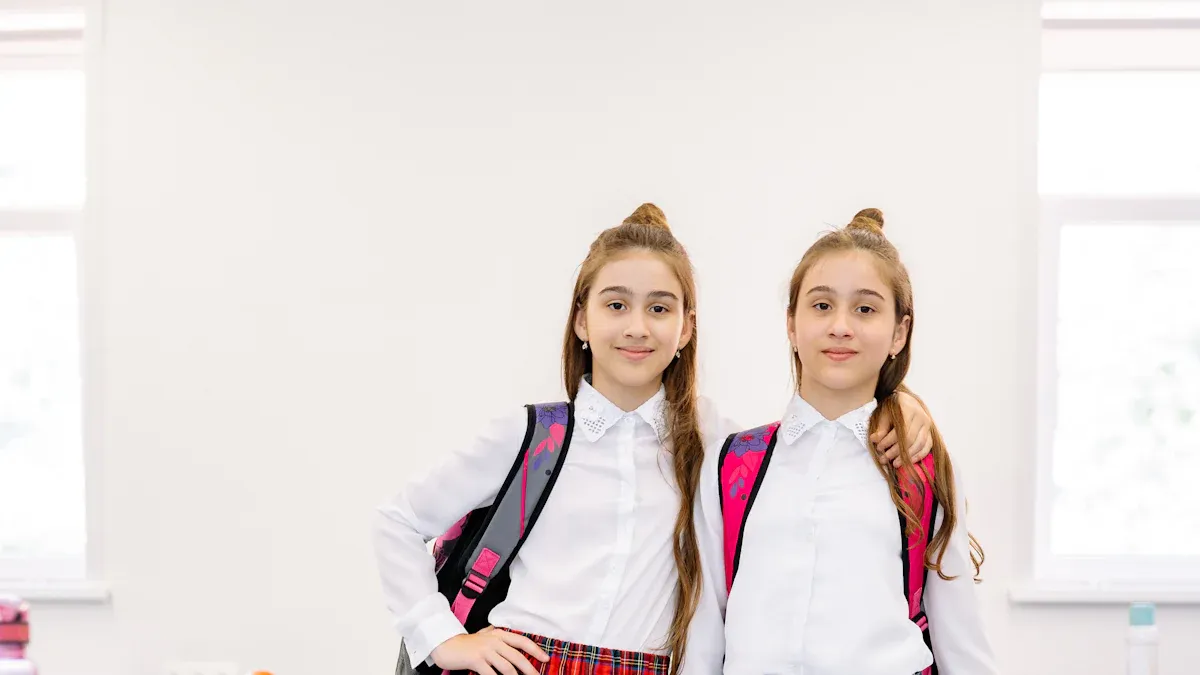
I notice that school uniform fabric plays a big role in how students feel during the day. Many students in American private schools, including those who wear a school uniform jumper or boy school uniform pants, need comfortable, durable options. I see schools using cotton blends and recycled fibers to help students in girls school uniforms or the idea public school uniform stay focused and feel included. When people ask, “do American private schools have uniforms,” I can point to these choices as proof of their commitment to both student needs and the environment.
Key Takeaways
- Private schools choose sustainable fabrics like organic cotton and recycled materials to protect the environment and keep students comfortable all day.
- Advanced performance fabrics help students stay dry, fresh, and comfortable by wicking moisture, resisting stains, and reducing wrinkles.
- Schools update uniform policies and work with suppliers to offer inclusive, safe, and innovative uniforms that support student well-being and reduce distractions.
Leading School Uniform Fabric Trends for 2025
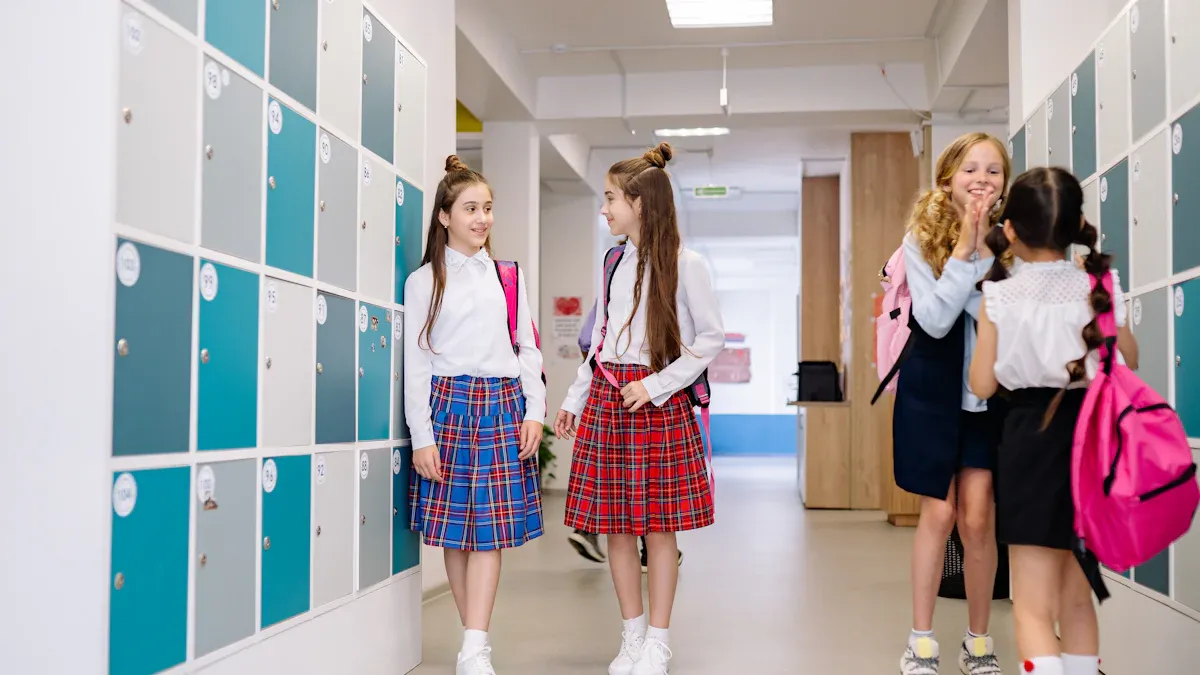
Sustainable and Eco-Friendly School Uniform Fabric
I see more private schools choosing sustainable and eco-friendly materials for their uniforms. This shift helps protect the environment and supports student health. Schools now look for fabrics that use fewer chemicals, less water, and create less waste. I often recommend these materials because they last longer and feel comfortable all day.
Here is a table showing the most popular sustainable fabrics and their benefits:
| Fabric | Environmental Benefits | Key Properties Relevant to Uniforms |
|---|---|---|
| Organic Cotton | Reduced chemical use, lower water consumption, supports biodiversity | Soft, durable, widely used in sustainable fashion |
| Hemp | Fast-growing, low water and pesticide needs, biodegradable | Strong, softens with use, eco-friendly |
| Bamboo | Rapidly renewable, naturally antimicrobial, biodegradable if processed sustainably | Soft, moisture-wicking |
| Recycled Polyester | Reduces plastic waste, lower carbon footprint than virgin polyester | Durable, versatile, made from recycled materials |
| Lyocell (Tencel) | Closed-loop production, biodegradable, low environmental impact | Soft, breathable, strong |
| Linen | Minimal water and chemical use, biodegradable, durable | Naturally antimicrobial, breathable |
I notice that these fabrics not only help the planet but also provide comfort and durability for students. Private schools lead the way by adopting these options in their school uniform fabric policies.
Advanced Performance School Uniform Fabric
I have seen a big rise in the use of advanced performance fabrics in private school uniforms. These fabrics offer features that help students stay comfortable and focused. For example, many uniforms now use lightweight and breathable materials that wick away moisture and fight odors. Some even include smart textile technologies that regulate temperature or track activity.
I often recommend 100% polyester or blended fabrics for their easy-care properties. These materials resist wrinkles, dry quickly, and stand up to daily wear. They also keep their color and shape after many washes. I find that these features make uniforms practical for busy families and active students.
I have noticed that advanced performance fabrics improve hygiene and comfort. They use antimicrobial treatments and moisture management, which help students feel fresh throughout the day. Case studies show that these fabrics increase satisfaction and reduce maintenance costs for schools.
Some key benefits I see in advanced performance school uniform fabric include:
- Moisture-wicking and antimicrobial properties
- Durability and stain resistance
- Easy maintenance and wrinkle resistance
- Stretchability and climate responsiveness
These features make school uniforms more reliable and comfortable, supporting both students and school staff.
School Uniform Fabric with Innovative Technologies
I am excited to see how technology shapes the future of school uniform fabric. Many private schools now use uniforms with built-in safety and health features. For example, some fabrics include RFID tags for tracking, or reflective strips for better visibility. Others use smart textiles that adjust to body temperature or monitor vital signs.
These innovations help keep students safe and focused. Uniforms with these features make it easier for staff to identify students and spot outsiders. They also reduce bullying by making everyone look similar and prevent distractions from fashion choices.
- Uniforms improve safety by increasing visibility and making it easier to identify trespassers.
- They reduce bullying and peer pressure by leveling clothing differences.
- Uniforms help students focus on learning by minimizing distractions.
- Parents and students save time choosing outfits, which helps with preparation for school.
I believe that as technology advances, school uniform fabric will continue to offer new ways to support student health, safety, and learning.
Comfort and Inclusivity in School Uniform Fabric
Comfort and inclusivity matter more than ever in school uniform fabric selection. I have learned that when students feel comfortable, they participate more and feel better about themselves. Research shows that fabric breathability, softness, and fit all play a role in student confidence and engagement.
I see private schools offering more choices in fabric and design. They now provide flexible sizing, gender-neutral options, and uniforms that suit different climates. Schools also ask students and parents for feedback to make sure uniforms meet everyone’s needs.
- Schools use breathable, comfortable fabrics for different climates.
- They offer flexible sizing and gender-neutral designs.
- Uniform policies now include options for various body types and personal preferences.
- Schools consult students, parents, and staff to improve comfort and inclusivity.
- Alternative options like adjustable sizing and seasonal variations help students feel included.
I believe that by focusing on comfort and inclusivity, private schools create a sense of belonging and pride among students. This approach supports both psychological well-being and academic success.
How Private Schools Are Adopting New School Uniform Fabric Trends

Policy Changes and Updated Uniform Guidelines
I have noticed that private schools now review their uniform policies more often. Many schools update guidelines every few years to keep up with new trends and community needs. They focus on durability, comfort, and affordability when choosing school uniform fabric. Schools often publish clear details about required items, costs, and the reasons behind their choices. I see schools also consider health and safety, especially when parents raise concerns about chemicals like PFAS in fabrics. Some states have even started to phase out these chemicals, showing how policy can respond to health risks.
Collaborations with School Uniform Fabric Suppliers
I have seen private schools form strong partnerships with uniform suppliers to access the latest innovations. These collaborations help schools offer eco-friendly and high-performance options. For example:
- Aramark works with private school networks to design custom uniforms and improve affordability.
- French Toast introduced uniforms made from recycled materials to meet sustainability goals.
- Dickies uses 3D technology for better fit and comfort, setting new standards for the industry.
Schools and suppliers also use digital tools and smart fabrics to create uniforms that balance tradition with modern needs.
Gathering Student and Parent Feedback
I believe that listening to students and parents is key to successful uniform updates. Schools use surveys, focus groups, and consultations to gather feedback on comfort, cost, and inclusivity. Parents often ask for durable, affordable options and express concerns about chemical safety. Schools respond by reviewing policies, offering second-hand programs, and making accommodations for students with sensory needs. This approach helps schools choose fabrics that support both student well-being and family budgets.
I see that the most important school uniform fabric trends for 2025 focus on sustainability, performance, and innovation.
- These trends support student comfort, equality, and pride.
- Uniforms made from durable, eco-friendly materials help schools build community and reduce distractions.
I believe these changes benefit students, families, and the environment.
FAQ
What is the most popular sustainable fabric for school uniforms in 2025?
I see organic cotton leading the way. Schools choose it for comfort, durability, and eco-friendly benefits.
I recommend it for its soft feel and long-lasting quality.
How do performance fabrics help students during the school day?
Performance fabrics keep students dry and comfortable.
- They wick away sweat
- They resist stains
- They stay fresh longer
Can schools customize uniforms for students with sensory needs?
Yes, I help schools offer softer fabrics and tagless designs.
These options support students who need extra comfort and reduce distractions in class.
Post time: Jul-31-2025