
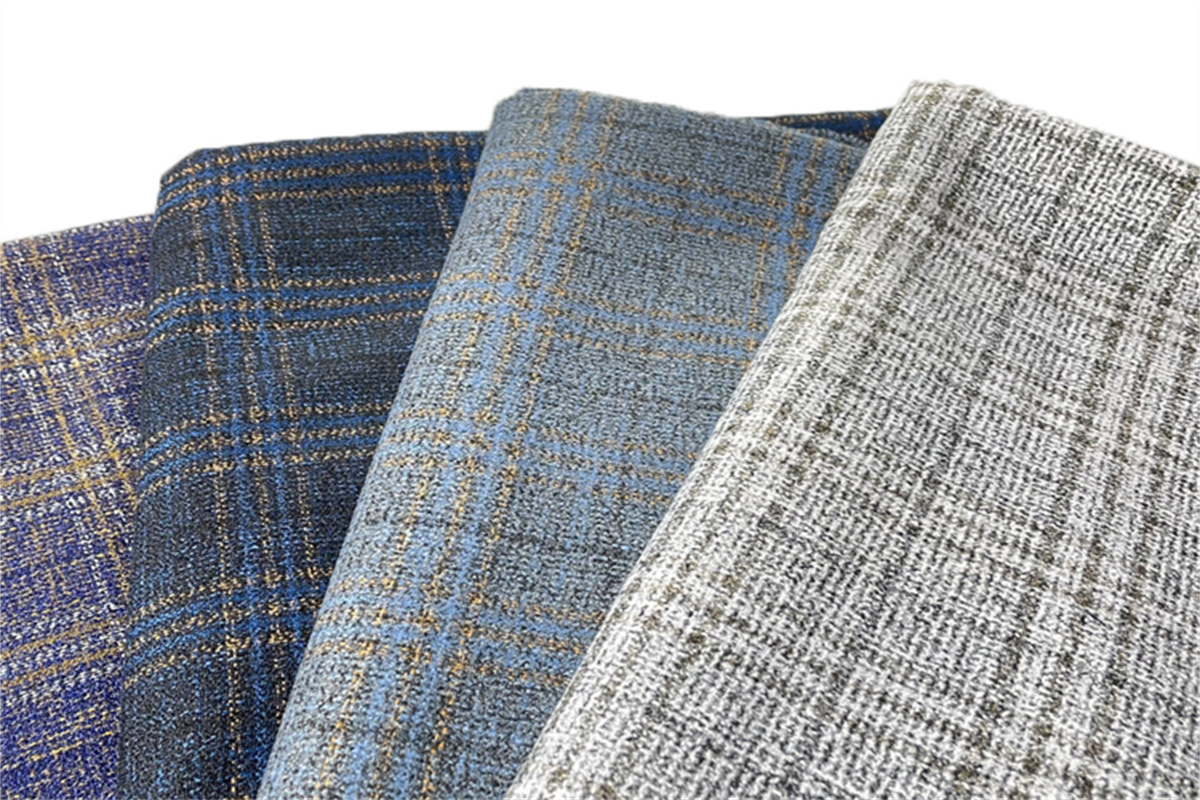
Selecting the right polyester rayon checks fabric for men’s suit requires careful attention to detail. I always prioritize quality, as it determines the fabric’s longevity and overall appearance. Style plays a crucial role in creating a polished look, while comfort ensures wearability throughout the day. Durability, especially in heavy weight TR fabric, is essential for frequent use. For the poly rayon fabric for Ethiopia market, brushed polyester rayon fabric offers a balance of elegance and practicality. TR checks fabric for suit designs adds a timeless charm, making it a versatile choice for various occasions.
Key Takeaways
- Focus on quality when picking polyester rayon checks fabric. Good fabric lasts long and looks neat for your outfits.
- Look at the mix of polyester and rayon. A blend of 88/12 is strong and soft, great for many uses.
- Check the fabric yourself before buying. Feel for smoothness, tight weave, and strength to pick the best material.
Understanding Polyester Rayon Checks Fabric for Men’s Suit
What Makes Polyester Rayon Fabric Unique?
I’ve always found polyester rayon fabric to be a standout choice for men’s suits due to its unique blend of properties. Polyester contributes durability, moisture resistance, and wrinkle resistance, making it ideal for garments that need to maintain their shape and appearance over time. Rayon, on the other hand, adds a soft texture and a subtle sheen, enhancing both comfort and elegance. Together, these fibers create a fabric that balances practicality with sophistication.
What sets polyester rayon checks fabric for men’s suit apart is its ability to combine these qualities with a timeless checked design. The fabric resists wrinkling and shrinkage, ensuring that suits look sharp even after extended wear. Additionally, polyester’s quick-drying nature and resistance to stains and odors make it a practical choice for daily use. This blend truly offers the best of both worlds.
Why Checked Patterns Are Ideal for Men’s Suits
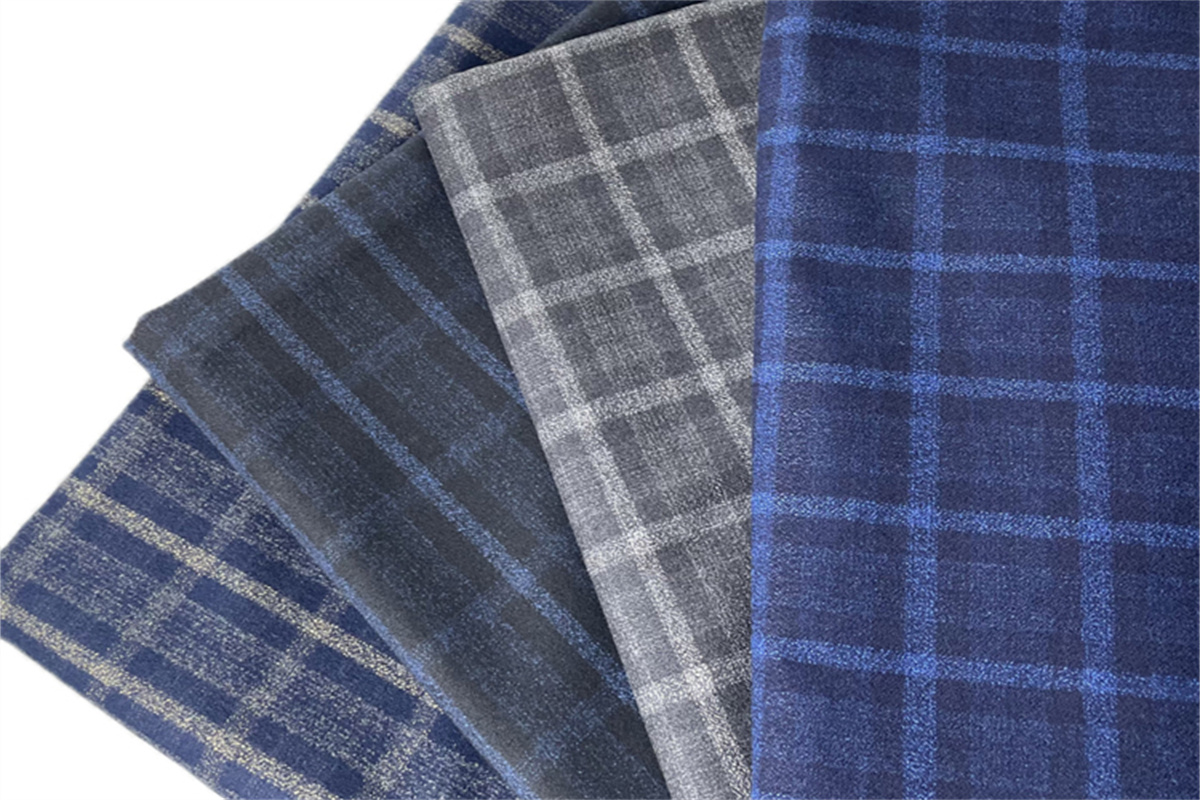
Checked patterns have always been a classic choice for men’s suits. I believe their versatility is unmatched. Whether you’re dressing for a formal event or a casual outing, checks add a touch of personality without being overly bold. The symmetry of the pattern creates a polished look, while the variety of check sizes and colors allows for customization to suit individual tastes.
In Ethiopia, checked patterns are particularly popular for their ability to blend tradition with modern style. They work well with both single-breasted and double-breasted suit designs, making them a versatile option for various occasions. I’ve noticed that smaller checks often convey a more formal tone, while larger checks lean toward a relaxed, contemporary vibe.
Benefits of Polyester Rayon Blends for Suit Fabrics
The benefits of polyester rayon blends extend beyond durability and comfort. These fabrics are designed to meet the demands of modern lifestyles. For instance, the T/R 88/12 composition, with a weight of 490G/M and a width of 57/58″, is perfect for coats and suits. The one-side brushed finishing adds a layer of softness, making the fabric feel luxurious against the skin.
Here’s a quick breakdown of its properties:
| Property | Details |
|---|---|
| Composition | T/R 88/12 |
| Weight | 490G/M |
| Width | 57/58″ |
| Design | Check |
| Usage | Coat |
| Finishing | One side brushed |
This blend ensures that suits made from polyester rayon checks fabric for men’s suit are not only stylish but also practical. The fabric’s breathability and moisture-wicking properties keep you comfortable in various climates, while its resistance to wrinkles and shrinkage ensures long-lasting wear.
Key Factors to Evaluate When Choosing the Fabric
Blend Ratios and Their Impact on Quality
The blend ratio significantly influences the quality and performance of polyester rayon checks fabric for men’s suit. I always consider how different fiber combinations affect the fabric’s properties. For instance, polyester enhances strength and durability, while rayon contributes softness and breathability. Together, they create a balanced fabric suitable for suits.
Here are some common blend ratios and their benefits:
- Cotton-Polyester Blends (65/35 and 50/50): Offer durability and comfort.
- Polyester-Cotton-Rayon Blends (50/25/25): Provide versatility and moisture management.
- Polyester-Spandex Blends (85/15): Add stretch and flexibility.
Choosing the right blend ensures the fabric meets both aesthetic and practical needs. I recommend testing samples to determine which ratio feels best for your specific requirements.
Identifying High-Quality Fabric Indicators
High-quality fabric is essential for a polished and long-lasting suit. I always inspect the following indicators before making a purchase:
| Indicator | Description |
|---|---|
| Material Construction | Closely woven materials indicate strength and durability. |
| Thread Count | Higher thread counts reflect tighter, more durable fabric. |
| GSM | Denser fabrics with higher GSM values often feel more luxurious. |
| Color Consistency | Even tones without streaks or spots signify superior dyeing processes. |
| Pilling | Avoid fabrics that show signs of pilling, as it indicates poor quality. |
| Overall Finish | A smooth, tear-free finish ensures the fabric is ready for tailoring. |
These indicators help me identify fabrics that will maintain their appearance and structure over time.
Weight and Texture Considerations
Weight and texture play a crucial role in the comfort and appearance of a suit. I always evaluate these factors to ensure the fabric aligns with the suit’s purpose. For instance, a weight of 490G/M is ideal for coats and suits, offering the right balance between structure and flexibility. Additionally, the texture should feel smooth and luxurious without being overly stiff.
| Measurement | Value |
|---|---|
| Weight | 490G/M |
| GSM | Density measure of fabric |
| Thread Count | Reflects durability and strength |
By considering these benchmarks, I can confidently select a fabric that meets both style and functional needs.
Style and Pattern Selection
Choosing the Right Check Size and Color
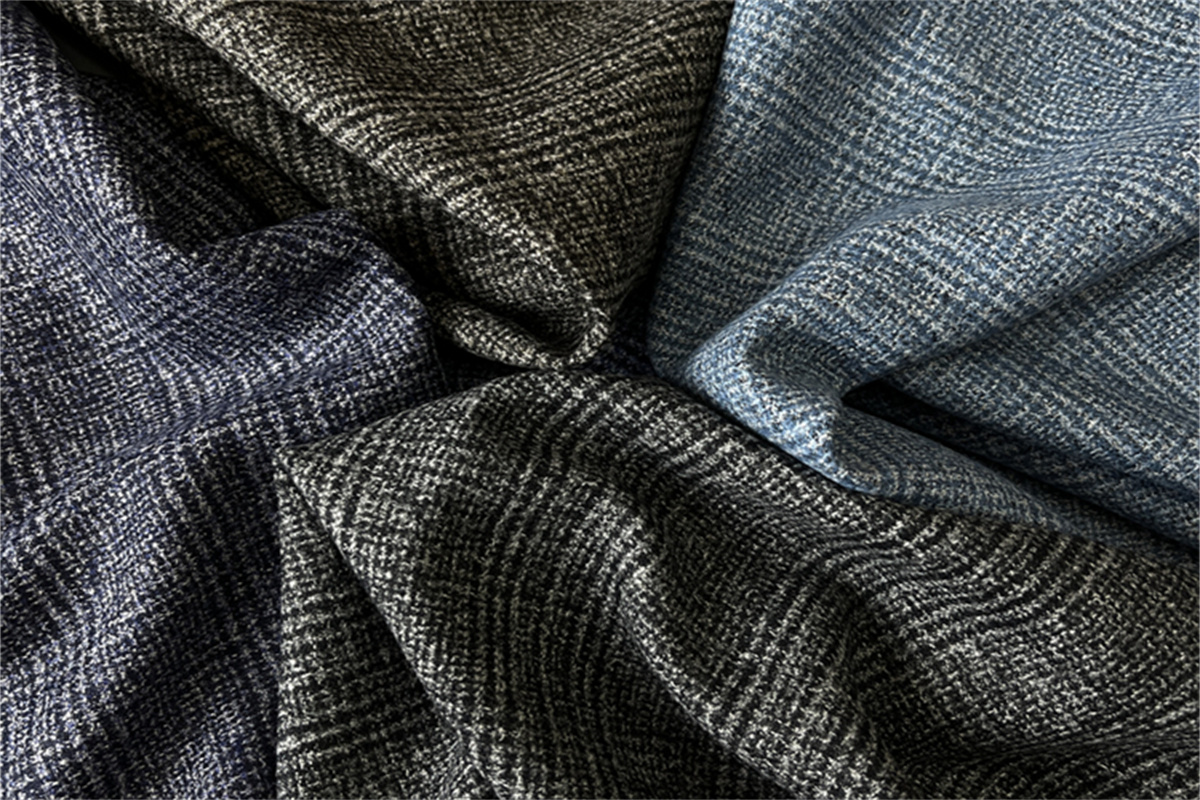
Selecting the appropriate check size and color is crucial for achieving a refined look. I always consider the visual balance that the pattern creates. Larger checks often convey a bold, modern aesthetic, while smaller checks exude a more traditional and formal vibe. The choice depends on the occasion and personal style preferences.
When evaluating polyester rayon checks fabric for men’s suit, I focus on three key aspects:
- Material Composition: Polyester blends ensure wrinkle resistance and easy maintenance, which are essential for suits.
- Weave Structure: A simple weave provides a balanced appearance and enhances the fabric’s lightweight and breathable nature.
- Color Consistency: Two-tone patterns dominate check designs, offering diverse styling options to complement various suit styles.
These factors help me choose a fabric that aligns with both visual appeal and practicality.
Matching Patterns with Suit Styles
Matching check patterns with suit styles requires careful attention to detail. I find that smaller checks pair well with single-breasted suits, creating a sleek and professional appearance. On the other hand, larger checks often suit double-breasted designs, adding a contemporary edge.
For a cohesive look, I recommend coordinating the check pattern with the suit’s lapel style and button configuration. For instance, a subtle check works best with a peak lapel, while bold patterns complement a notch lapel. This approach ensures the suit maintains a harmonious and polished aesthetic.
Popular Check Patterns for Men’s Suits in Ethiopia
In Ethiopia, check patterns hold cultural and stylistic significance. I’ve noticed that Glen checks and windowpane designs are particularly popular. Glen checks offer a classic and versatile option, suitable for both formal and semi-formal occasions. Windowpane patterns, with their bold lines, cater to those seeking a modern and striking look.
These patterns not only reflect global trends but also resonate with local preferences. They allow men to express individuality while maintaining a sophisticated appearance. Whether for business or social events, these designs remain timeless choices.
Ensuring Comfort and Durability
Breathability and Climate Suitability
When selecting fabric for suits, I always prioritize breathability, especially for climates with fluctuating temperatures. Polyester rayon blends strike a balance between comfort and practicality. Polyester provides durability but can sometimes feel less breathable in hot weather. Rayon, on the other hand, enhances comfort with its soft texture and moisture-wicking properties. Together, these fibers create a fabric that adapts well to varying climates.
Blending polyester with rayon improves moisture management, making it suitable for both formal and casual wear. This combination ensures that suits remain comfortable, even during long hours of wear. For those living in warmer regions, like Ethiopia, this blend offers a practical solution for maintaining style without compromising on comfort.
Durability for Frequent Use
Durability is a key factor I consider when choosing suit fabrics. Polyester rayon checks fabric for men’s suit offers excellent longevity, thanks to the unique properties of its fibers. Polyester resists shrinking, stretching, and wrinkling, ensuring the suit retains its shape over time. Rayon, while softer, can be less durable on its own. However, when blended with polyester, the fabric becomes more resistant to wear and tear.
Here’s a quick comparison of durability characteristics:
| Fabric Type | Durability Characteristics |
|---|---|
| Polyester | Highly durable, resistant to shrinking, stretching, and wrinkling. Long-lasting even with frequent use. |
| Rayon | Durable but prone to shrinking and wrinkling. Can wear out faster with heavy use. |
| Blended | Durability depends on the blend ratio. More resistant to shrinkage and wrinkling than cotton. Easier to care for than pure cotton. |
This durability makes polyester rayon blends ideal for suits that need to withstand frequent use while maintaining their polished appearance.
Seasonal Considerations for Polyester Rayon Fabrics
Seasonal performance plays a significant role in fabric selection. I always evaluate how a fabric performs in different weather conditions before making a choice. Polyester is durable and resists moisture, but it may not provide sufficient breathability in hot weather. Rayon, with its lightweight and breathable nature, adds comfort and sheen, making it perfect for formal wear.
Blending these fibers enhances their seasonal adaptability. Here are some key points to consider:
- Polyester is durable but may not provide good breathability in hot weather.
- Rayon offers comfort and sheen, making it ideal for formal wear.
- Blending polyester with rayon improves moisture management, enhancing comfort in varying climates.
This combination ensures that suits made from polyester rayon blends remain versatile, whether for summer weddings or winter business meetings.
Practical Tips for Buying Polyester Rayon Checks Fabric
Inspecting Fabric Quality in Person
Whenever I shop for polyester rayon checks fabric for men’s suit, I make it a point to inspect the material in person. This hands-on approach allows me to assess the fabric’s texture, weight, and overall quality. I run my fingers over the surface to check for smoothness and ensure there are no irregularities or defects. Holding the fabric up to the light helps me evaluate its weave density and consistency.
I also perform a simple stretch test. Gently pulling the fabric in different directions reveals its elasticity and resilience. This step ensures the material will maintain its shape after tailoring and regular use. By inspecting the fabric personally, I can confidently select a high-quality option that meets my standards.
Requesting Samples Before Bulk Purchases
When purchasing fabric in bulk, I always request samples first. This practice minimizes the risk of investing in unsuitable material. Samples allow me to test the fabric’s performance under real conditions. For instance, I check how it reacts to washing, ironing, and exposure to sunlight.
Samples also help me confirm the color and pattern consistency. I compare the sample to my design requirements to ensure it aligns with my vision. This step is especially important when sourcing polyester rayon checks fabric for men’s suit, as even minor discrepancies can affect the final product’s appearance.
Finding Reliable Suppliers in the Ethiopian Market
Finding trustworthy suppliers is crucial for a successful purchase. I prioritize suppliers with a proven track record in the Ethiopian market. Researching online reviews and seeking recommendations from industry professionals helps me identify reputable vendors.
I also visit local fabric markets to establish direct relationships with suppliers. This approach allows me to negotiate prices and gain insights into the latest trends in polyester rayon checks fabric for men’s suit. Reliable suppliers often provide detailed product specifications and are willing to accommodate custom orders, ensuring I receive exactly what I need.
Choosing the right polyester rayon checks fabric for men’s suits requires careful evaluation. I always focus on fabric composition, quality, and durability to ensure the material meets both functional and aesthetic needs. Balancing style with practicality is essential.
Here are a few tips I follow:
- Inspect the fabric: Check for smoothness, weave density, and resilience.
- Consider the climate: Linen works well for summer, while rayon adds elegance to formal wear.
- Work with trusted suppliers: Reliable vendors ensure consistent quality and tailored options.
By following these steps, I confidently select fabrics that deliver comfort, style, and longevity.
FAQ
What is the best blend ratio for polyester rayon checks fabric?
I recommend an 88/12 polyester-rayon blend for suits. This ratio balances durability and softness, ensuring comfort and a polished appearance for both formal and casual occasions.
How can I identify high-quality polyester rayon checks fabric?
I always check for smooth texture, consistent weave, and vibrant colors. Holding the fabric up to light helps reveal any irregularities or defects in the material.
Is polyester rayon fabric suitable for all seasons?
Yes, it works well year-round. Polyester adds durability, while rayon enhances breathability. This combination ensures comfort in both warm and cool climates, making it versatile for suits.
Post time: Apr-07-2025