
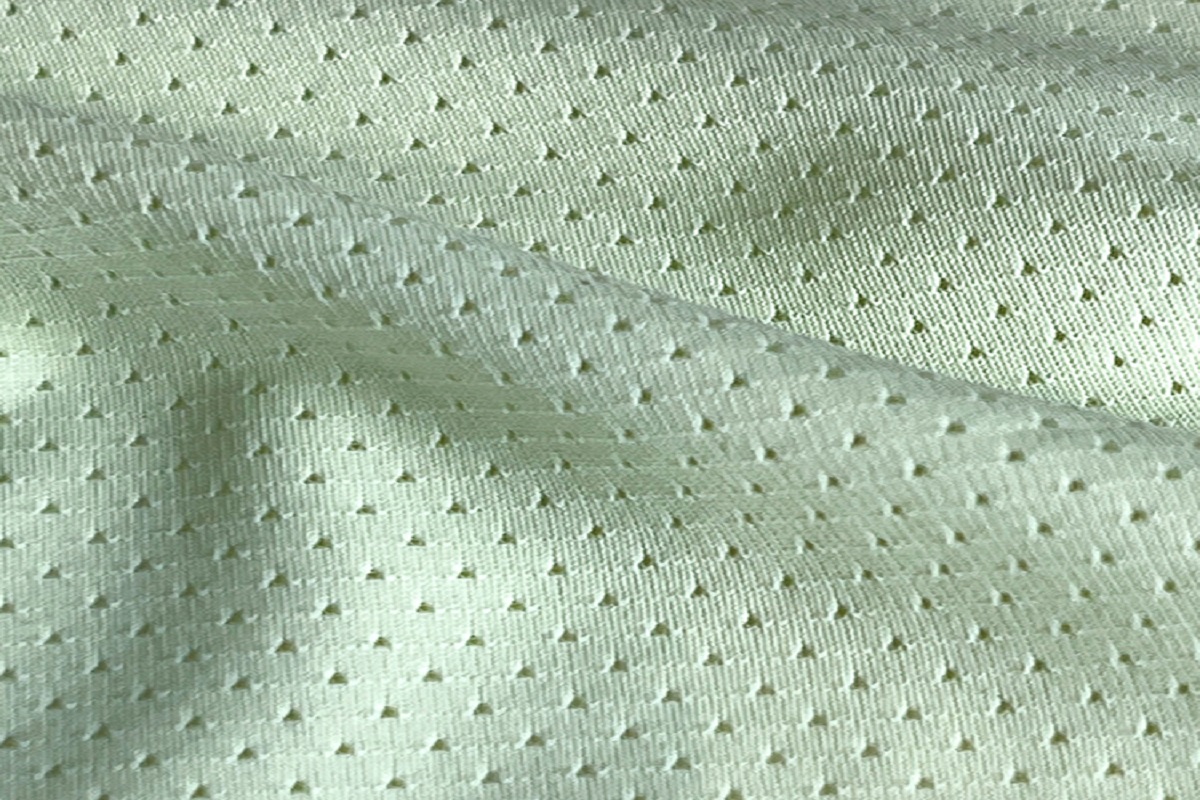
Selecting the right 4 way stretch polyester spandex fabric ensures both comfort and durability. Textile research shows that higher spandex content increases stretch and breathability, making it ideal for Spandex Sports T-shirts Fabric and Breathable Sports Fabric for Shorts Tank Top Vest. Matching fabric properties to project needs supports sewing success.
Key Takeaways
- Choose 4 way stretch polyester spandex fabric with the right blend and stretch percentage to ensure comfort, durability, and a perfect fit for activewear and form-fitting garments.
- Use proper sewing tools like stretch needles and textured polyester thread, and select flexible stitches such as zigzag or overlock to create strong, stretchy seams that last.
- Test fabric weight, stretch, and recovery before starting your project to match the fabric’s feel and performance with your garment’s needs, ensuring better sewing results and satisfaction.
Understanding 4 Way Stretch Polyester Spandex Fabric
What Makes 4 Way Stretch Polyester Spandex Fabric Unique
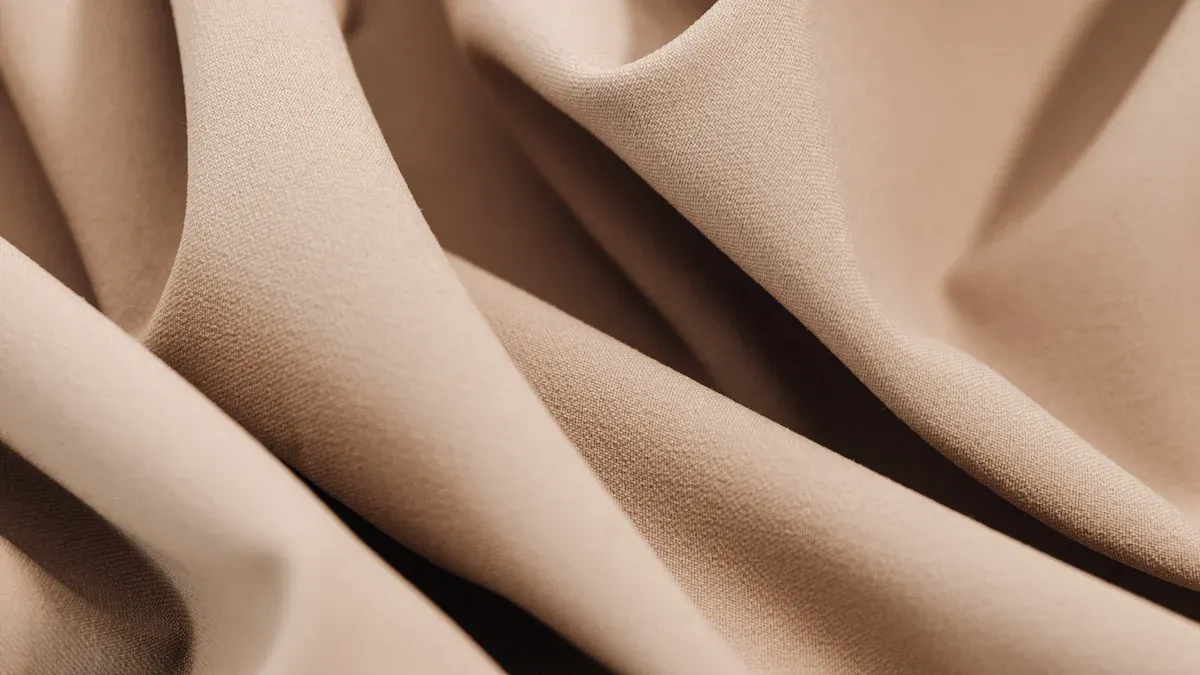
4 way stretch polyester spandex fabric stands out because it stretches and recovers in both lengthwise and widthwise directions. This multidirectional elasticity comes from blending polyester with spandex, usually in a ratio of 90-92% polyester to 8-10% spandex. The spandex fibers, made from flexible polyurethane chains, allow the fabric to stretch up to eight times its original length and return to shape. In contrast, 2-way stretch fabrics only stretch across one axis, limiting movement and comfort. The unique construction of 4 way stretch polyester spandex fabric makes it ideal for garments that require flexibility and a close fit.
Benefits for Sewing Projects
Sewists choose 4 way stretch polyester spandex fabric for its superior performance. The fabric offers:
- Excellent elasticity in all directions, ensuring a snug, body-contouring fit.
- Strong recovery, so garments maintain their shape after repeated wear.
- Moisture-wicking and sun-protective properties, which enhance comfort.
- Durability, making it suitable for activewear and costumes that face frequent movement.
Tip: Fabrics with at least 50% horizontal and 25% vertical stretch provide the best results for active and form-fitting garments.
Common Applications: Activewear, Swimwear, Costumes
Manufacturers use 4 way stretch polyester spandex fabric in a wide range of apparel. Common applications include:
- Activewear: Leggings, sports bras, and tank tops benefit from the fabric’s stretch, moisture management, and durability.
- Swimwear: Quick-drying and chlorine-resistant properties make it a top choice for swimsuits.
- Costumes and Dancewear: The fabric’s flexibility and resilience allow for unrestricted movement and a sleek appearance.
A leading activewear brand improved customer satisfaction by switching to this fabric for leggings, citing enhanced comfort and durability.
How to Choose the Right 4 Way Stretch Polyester Spandex Fabric
Evaluating Stretch Percentage and Recovery
Selecting the right fabric begins with understanding stretch percentage and recovery. These properties determine how well a fabric stretches and returns to its original shape. The blend of polyester with 5-20% spandex improves both stretch and recovery. Yarn structure, polymer chemistry, and knitting technique also play important roles. For example, filament and textured yarns increase elasticity, while looser stitches and longer loops in the knit enhance stretch.
| Factor | Description |
|---|---|
| Fiber Blending | Blending polyester with 5-20% spandex improves stretch and recovery. |
| Yarn Structure | Filament and textured yarns increase elasticity. |
| Polymer Chemistry | High degree of polymerization increases elongation strength. |
| Thermal Treatment | Heat-setting stabilizes fiber structure for consistent stretch. |
| External Conditions | Temperature and humidity can affect elasticity. |
| Knitting Structure | Looser stitches and longer loops increase stretch. |
| Fiber Blending Impact | Spandex enhances elasticity without losing strength. |
To test stretch and recovery, pull the fabric both horizontally and vertically. Observe if it returns to its original size without sagging. Repeat this process several times to check durability. Fabrics with 15-30% spandex content generally offer better recovery, which is essential for garments that face frequent movement.
Considering Fabric Weight and Drape
Fabric weight, measured in grams per square meter (GSM), affects how a garment drapes and fits. Lighter fabrics, such as those around 52 GSM, feel soft and flowy, making them suitable for garments that require a fluid fit. Heavier fabrics, like double knits at 620 GSM, provide more structure and support, which is ideal for items needing shape retention.
| Fabric Weight (GSM) | Fiber Content & Blend | Drape Characteristics | Fit Impact on Garment |
|---|---|---|---|
| 620 (Heavy) | 95% Polyester, 5% Spandex (Double Knit) | Soft hand, flexible drape, fewer folds | Structured, suitable for stretch garments |
| 270 (Medium) | 66% Bamboo, 28% Cotton, 6% Spandex (French Terry) | Relaxed, soft hand, less folding | Structured fit, cushioned feel |
| ~200 (Light) | 100% Organic Cotton Jersey | Lightweight, soft, malleable drape | Flows and clings softly |
| 52 (Very Light) | 100% Cotton Tissue Jersey | Extremely lightweight, sheer, flexible | Highly drapey, skims body closely |
Double brushed polyester spandex fabrics offer a soft feel and excellent drape, making them popular for comfortable, stretchy garments.
Comparing Blend Ratios and Jersey Types
The most common blend ratios for 4 way stretch polyester spandex fabric range from 90-95% polyester with 5-10% spandex. Polyester provides durability, moisture resistance, and shape retention, while spandex adds flexibility and fit. This combination creates a fabric that is easy to care for, resists wrinkles, and maintains its shape after repeated use.
Jersey knit types also influence stretch, durability, and comfort. Modern jersey fabrics with 5% spandex provide 4-way stretch and a smooth, comfortable touch. Rib knits offer exceptional elasticity and shape retention, making them ideal for cuffs and necklines. Interlock knits, being thicker and more stable, suit premium garments that require both softness and durability.
| Knit Type | Stretch Characteristics | Durability & Stability | Comfort & Use Cases |
|---|---|---|---|
| Jersey Knit | Soft, stretchy single knit; prone to edge curling | Less stable; requires careful handling | Very comfortable; t-shirts, casual wear |
| Rib Knit | Exceptional elasticity and shape retention | Durable; maintains fit over time | Comfortable; cuffs, necklines, form-fitting garments |
| Interlock Knit | Thicker, double knit; more stable than jersey | More durable; minimal curling | Smooth, soft feel; premium, stable garments |
Matching Fabric Feel to Project Requirements
Tactile qualities such as heaviness, thickness, stretchiness, stiffness, flexibility, softness, and smoothness should match the intended use of the garment. Flexibility and stretchiness are crucial for activewear and dance costumes, while softness and smoothness enhance comfort for everyday wear. Visual cues like folds and fabric density help assess these qualities, but hands-on testing provides the most accurate results.
Note: Combining subjective touch with objective measurements ensures the fabric meets both comfort and performance needs.
Surface finishes also impact comfort and appearance. Brushed or peached finishes create a velvety texture, while holographic or metallic finishes add visual interest without sacrificing stretch or comfort.
Sewing Tips for 4 Way Stretch Polyester Spandex Fabric
Selecting the Right Needle and Thread
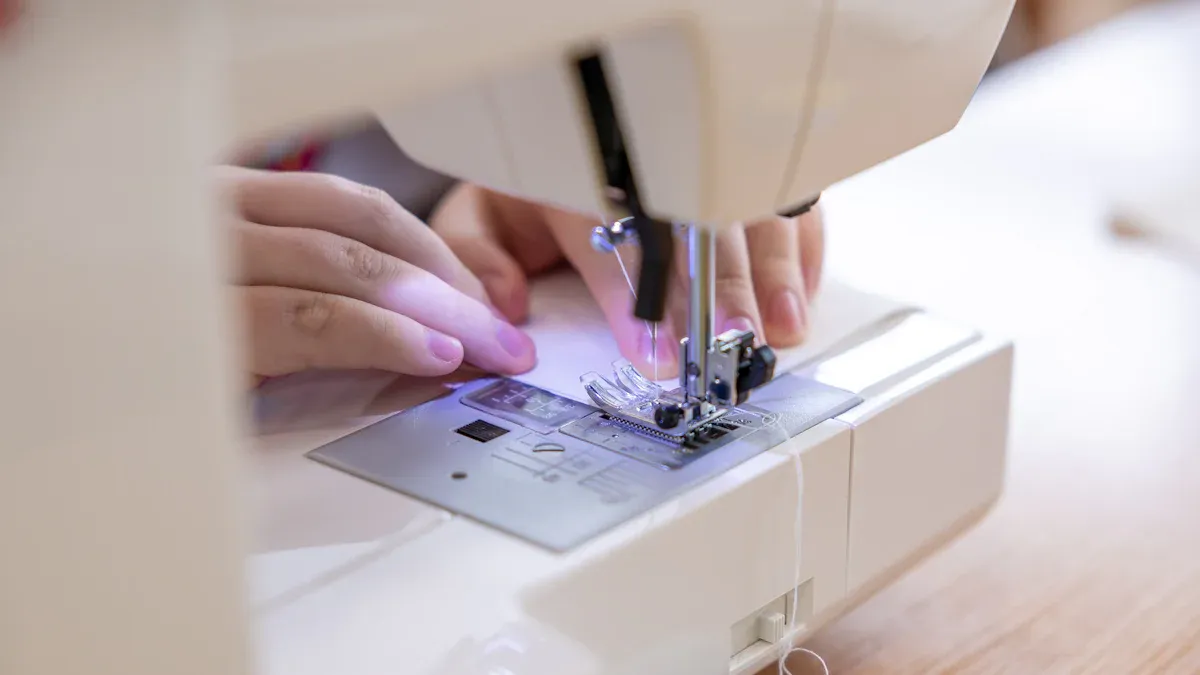
Choosing the correct needle and thread prevents skipped stitches and fabric damage. Many professionals recommend the Schmetz Stretch needle for elastic and spandex jersey fabrics. This needle features a medium ballpoint tip, which gently pushes fibers aside instead of piercing them. Its shorter eye and deeper scarf help the sewing machine catch the thread reliably, reducing skipped stitches. The flatter blade design also improves stitch reliability on stretchy fabrics. For high-stretch materials, a larger size such as 100/16 works well. Always use a fresh needle and test on scrap fabric before starting the main project.
For thread, textured polyester thread stands out as the best choice for sewing polyester spandex blends. This thread type offers softness, stretch, and excellent recovery, making it ideal for garments like swimwear and activewear. Combining a stretch needle with core-spun or textured polyester threads enhances seam strength and flexibility.
Best Stitch Types for Stretch Fabrics
Selecting the right stitch type ensures seam durability and flexibility. Stretch stitches, such as zigzag or specialized stretch stitches, allow the fabric to move without breaking the seam. Overlock (serger) stitches provide strong, stretchy seams and a professional finish, especially when using a serger machine. Cover stitches work well for hems and finishing seams, offering both strength and stretch. Straight stitches should only be used in non-stretch areas, such as straps or sharp edges. Adjusting stitch length and tension helps balance seam strength and elasticity. Testing seams by stretching them ensures they will not break during wear.
| Stitch Type | Use Case | Pros | Cons |
|---|---|---|---|
| Zigzag | Stretch seams | Flexible, versatile | Can be bulky if too wide |
| Overlock (Serger) | Main stretch seams | Durable, neat finish | Requires serger machine |
| Cover Stitch | Hems, finishing seams | Strong, professional finish | Needs cover stitch machine |
| Straight Stitch | Non-stretch areas only | Stable in non-stretch zones | Breaks if used on stretch seams |
Tip: Use clear elastic in seams for added stability without sacrificing stretch.
Handling and Cutting Techniques
Proper handling and cutting techniques maintain fabric shape and prevent distortion. Always lay the fabric flat on a large, stable surface, ensuring no part hangs off the edge. Pattern weights or pins placed within seam allowances keep the fabric from shifting. Rotary cutters and self-healing mats provide smooth, accurate cuts without stretching the fabric. If using scissors, select sharp blades and make long, smooth cuts. Handle the fabric gently to avoid stretching, and align grainlines with the cutting mat for accuracy. For delicate knits, avoid stretching edges to prevent runs. Finishing raw edges is usually unnecessary, as these fabrics rarely fray.
Selecting the best 4 way stretch polyester spandex fabric involves careful attention to weight, stretch, fiber blend, and appearance.
| Criteria | Importance |
|---|---|
| Weight | Impacts drape and garment structure |
| Stretch Type | Ensures flexibility and comfort |
| Fiber Blend | Affects strength and durability |
| Appearance | Influences style and suitability |
Testing swatches helps confirm comfort, durability, and colorfastness. Choosing the right fabric leads to better sewing results and higher satisfaction.
FAQ
How can someone prevent fabric from stretching out during sewing?
Use a walking foot and stabilize seams with clear elastic. Test on scraps first. This approach helps maintain fabric shape and prevents distortion.
What is the best way to wash garments made from this fabric?
- Machine wash cold
- Use mild detergent
- Avoid bleach
- Tumble dry low or air dry
Can regular sewing machines handle 4 way stretch polyester spandex fabric?
Most modern sewing machines can sew this fabric. Use a stretch needle and stretch stitch for best results. Test settings on a fabric scrap.
Post time: Aug-06-2025