
I observe an inherent tension in textiles: freedom of movement versus structural support. This balance is crucial for optimal garment selection. For a stretch suit fabric, I prioritize rayon poly fabric comfort control. A woven polyester blend rayon stretch textile needs strong men’s wear suit fabric recovery performance. I also evaluate polyester viscose suit fabric stretch for woven poly ryaon blended garment fabric wholesale.
Key Takeaways
- Comfortable fabrics feel good and let you move freely. Control fabrics shape your body and give support.
- You must choose between comfort and control. The best choice depends on what you will use the clothing for.
- More stretch is not always better. Good fabric recovery is important so clothes keep their shape.
Defining Comfort in Stretch Fabrics
What Makes a Fabric Feel Comfortable?
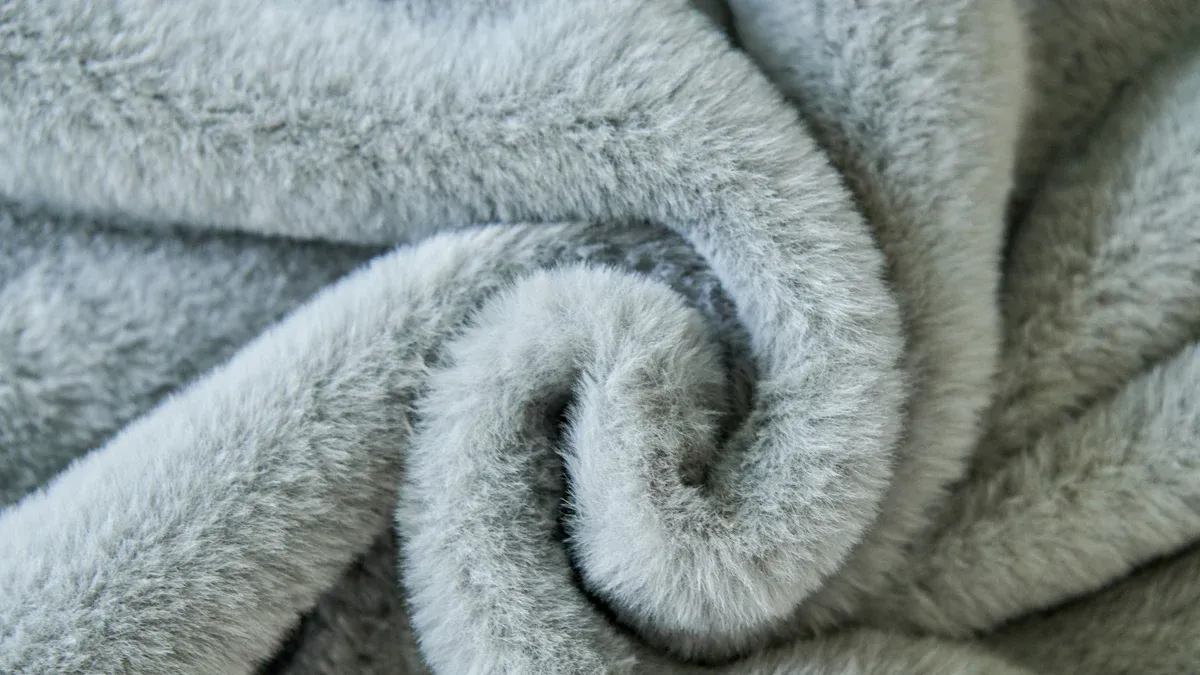
I often consider comfort a feeling. It is how a fabric interacts with my body. A comfortable fabric feels pleasant. It does not restrict movement. It also manages temperature well. This feeling is subjective, but certain fabric traits consistently contribute to it.
Fabric Properties Prioritizing Comfort
When I evaluate fabrics for comfort, I look at several key properties. These elements work together to create a pleasant wearing experience. I prioritize:
- Thermal comfort: This relates to how the fabric handles heat and moisture. It keeps me cool or warm as needed.
- Tactile comfort: This describes the fabric’s feel against my skin. I prefer a soft, smooth touch.
- Pressure comfort: This involves how the fabric interacts with my body’s pressure points. It avoids tightness or pinching.
- Moisture comfort: This is the fabric’s ability to manage sweat. It wicks moisture away from my skin.
- Aesthetic comfort: This includes the fabric’s visual appeal and drape. I feel good when a garment looks good.
- Psychological comfort: This is my overall perception and satisfaction with the garment. I feel confident and at ease.
When Maximum Comfort is Essential
I find maximum comfort essential in many situations. Loungewear and sleepwear are prime examples. Here, unrestricted movement and a soft feel are paramount. For everyday casual wear, I also prioritize comfort. I want clothes that I can wear all day without distraction. Travel clothing also demands high comfort. Long periods of sitting or moving require fabrics that breathe and stretch easily. ✈️
Defining Control in Stretch Fabrics
What Constitutes Fabric Control and Support?
I define fabric control as a textile’s ability to shape, support, or compress the body. It provides crucial structural integrity. This support helps stabilize muscles during movement. It also effectively reduces unwanted jiggle or vibration. Control fabrics offer a distinct sense of security. They consistently hold the garment’s intended form. This contributes to a sleek silhouette.
Fabric Properties for Enhanced Control
I look for specific properties when I need enhanced control in a fabric.
- High Elastane Content: More spandex or elastane directly translates to greater compression and shaping power.
- Dense Construction: Tightly woven or knitted fabrics inherently offer more resistance and firmness.
- Higher Denier Yarns: Thicker, higher denier yarns create a sturdier and more robust fabric structure.
- Excellent Recovery: The fabric must consistently return to its original shape after stretching. This maintains consistent support over time.
- Specific Finishes: Some specialized treatments can enhance a fabric’s stiffness or overall compression capabilities.
When Firm Control is Essential
Firm control becomes absolutely essential in several key applications. I prioritize it for high-performance sportswear. Athletes need strong muscle support during intense physical activity. This can improve performance and reduce fatigue. Shapewear also heavily relies on firm control. It effectively sculpts and smooths the body’s contours. Medical compression garments require precise and consistent control. They aid circulation, reduce swelling, or support recovery. Certain types of workwear also demand robust fabrics. They protect and support the wearer in demanding environments. For example, I choose control fabrics for active outdoor gear. They provide essential stability and durability.
The Comfort-Control Continuum: Finding Your Balance
The Inherent Trade-off in Stretch Textiles
I recognize a fundamental tension in stretch textiles. Achieving maximum comfort often means sacrificing control. Conversely, prioritizing firm control usually reduces overall comfort. Imagine a very soft, loose knit. It feels incredibly comfortable against my skin. However, it offers almost no support or shaping. Now consider a highly compressive fabric. It provides excellent control and muscle support. Yet, it can feel restrictive and less comfortable for extended wear. I find this inverse relationship a constant challenge in fabric development. It forces me to make deliberate choices based on the garment’s purpose.
Innovative Solutions for Balanced Performance
Fabric engineers constantly innovate to bridge this gap. I see exciting advancements in fiber technology. Manufacturers blend different elastomeric fibers with natural or synthetic staples. This creates materials with unique properties. For example, some fabrics use core-spun yarns. A strong, inelastic core gets wrapped with a softer, stretchable fiber. This provides both stability and comfort. I also observe sophisticated knitting and weaving techniques. These methods allow for zoned performance. A single garment can have areas with more stretch and other areas with more compression. This optimizes both comfort and control where needed. Smart textiles also emerge. They adapt to body temperature or movement. These innovations push the boundaries of what stretch fabrics can achieve.
Activity-Specific Comfort-Control Ratios
I understand that no single comfort-control ratio fits all needs. The ideal balance depends entirely on the intended activity. For low-impact activities like yoga or lounging, I prioritize maximum comfort. I want fabrics that move freely with my body. They should feel soft and unrestrictive. For high-intensity workouts, I shift my focus. I need fabrics with more control. They support my muscles and manage moisture effectively. This balance helps prevent fatigue. When I select a stretch suit fabric, I look for a different balance. I need enough stretch for comfortable movement. However, I also require sufficient control to maintain the suit’s crisp silhouette. The fabric must drape well and resist wrinkling. For medical compression garments, control becomes the dominant factor. Comfort is still important, but therapeutic support takes precedence. I always consider the specific demands of the activity. This guides my fabric selection process.
Practical Stretch: Levels, Recovery, and Why More Isn’t Always Better
Understanding Stretch Levels and Fabric Recovery
I evaluate stretch levels by how much a fabric can extend. This is often expressed as a percentage. For example, a fabric with 20% stretch can lengthen by one-fifth of its original size. Fabric recovery is equally important. It describes the material’s ability to return to its initial shape after stretching. Excellent recovery prevents garments from becoming baggy. I look for fabrics that snap back quickly and completely. This ensures consistent fit and performance over time. A fabric with poor recovery will stretch out and stay stretched.
The Pitfalls of Excessive Stretch
I have observed that more stretch is not always better. Excessive stretch can lead to several problems.
- Garments lose their shape and fit over time.
- Wearers experience discomfort due to altered garment dimensions.
- Durability decreases, shortening the garment’s lifespan.
- Aesthetic issues like sagging or bagging often occur.
- The fabric’s recovery properties can be compromised, causing permanent deformation.
This means the garment will not hold its intended form. It can look worn out quickly.
Choosing the Right Stretch for Your Needs
I always consider the garment’s purpose when selecting stretch. For a comfortable t-shirt, moderate stretch with good recovery is ideal. For activewear, I need higher stretch levels. This allows for full range of motion. However, it must also have excellent recovery for muscle support. When I choose a stretch suit fabric, I look for subtle stretch. This provides comfort without compromising the suit’s structure. Too much stretch in a stretch suit fabric can lead to a sloppy appearance. I prioritize a balance that supports the garment’s function and aesthetic. I match the stretch properties to the garment’s intended use.
Making Informed Choices for Your Stretch Suit Fabric and Other Garments
Deciphering Fabric Labels and Specifications
I always start my selection process by carefully examining fabric labels and specifications. These details provide crucial insights into a fabric’s potential performance. I look for the fiber content first. This tells me the raw materials in the fabric. For stretch, I specifically search for elastane, spandex, or Lycra. The percentage of these fibers directly indicates the stretch level. A higher percentage usually means more stretch and potentially more control. However, I also consider the primary fiber. A cotton blend with elastane feels different from a polyester blend with elastane.
I also pay close attention to the fabric’s construction. Is it woven or knitted? Knitted fabrics generally offer more inherent stretch. Woven fabrics often rely more heavily on elastane for their stretch properties. I check for details like fabric weight or denier. These factors influence both drape and durability. A heavier fabric often provides more structure and control. Lighter fabrics usually offer more comfort and breathability. Understanding these specifications helps me predict how a fabric will perform. It guides my choice for a comfortable yet structured stretch suit fabric. I also review care instructions. They tell me how to maintain the fabric’s stretch and recovery over time.
The Role of Garment Fit and Design
Garment fit and design play an equally critical role in how I perceive comfort and control. Even the most advanced stretch fabric can feel uncomfortable if the garment does not fit well. I know designers add ease allowance to garments. This refers to the extra length they build in. It provides sufficient room for my body to move freely. Many studies explore optimal ease allowances. They consider different garment types, genders, and body shapes. These studies also look at various fabric textures. I find that physical attributes, like my body measurements, are crucial for evaluating fit. However, my personal preferences for style also contribute to my overall satisfaction.
The garment’s design also significantly impacts its performance. Strategic seaming can enhance control in specific areas. Panel construction can allow for different stretch properties in various parts of the garment. For example, a well-designed pair of activewear leggings uses compression panels. These panels support muscles. They also use softer, more flexible panels for comfort. A tailored stretch suit fabric garment relies on precise cutting and construction. This maintains its sharp silhouette. It still allows for comfortable movement. I understand that a garment’s design works with the fabric. It creates the final balance of comfort and control.
I emphasize aligning comfort and control with a garment’s intended use. Your personal preference and specific activity dictate the ideal stretch balance. I empower you to make informed decisions for optimal wear. You now understand how to choose fabrics that truly meet your needs.
Post time: Jan-08-2026