
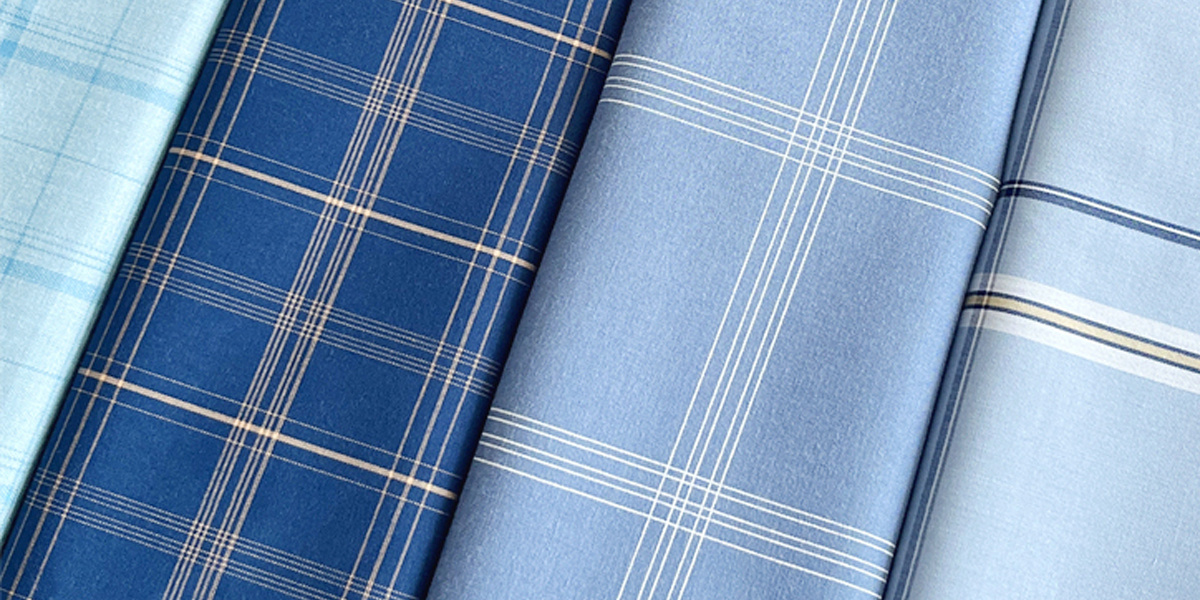
Sustainability and performance have become essential in the apparel industry, especially when considering the Future of Fabrics. I have noticed a significant shift toward eco-friendly production methods and materials, including polyester rayon blended fabric. This change responds to the increasing demand for high-performance sustainable fabrics that attract Western consumers. Brands must adapt to meet this demand, particularly by offering easy care fabric for suit options that prioritize both quality and environmental responsibility.
Key Takeaways
- Sustainable fabrics, like recycled polyester and bamboo, are essential for professional clothing brands. They reduce environmental impact while maintaining high performance.
- Innovative technologies, such as wrinkle resistance and moisture-wicking capabilities, enhance the comfort and durability of professional attire, making them ideal for busy professionals.
- Consumers are increasingly willing to pay more for sustainable products. Brands that align with eco-friendly values can boost loyalty and sales.
Recycled and Eco Fibers
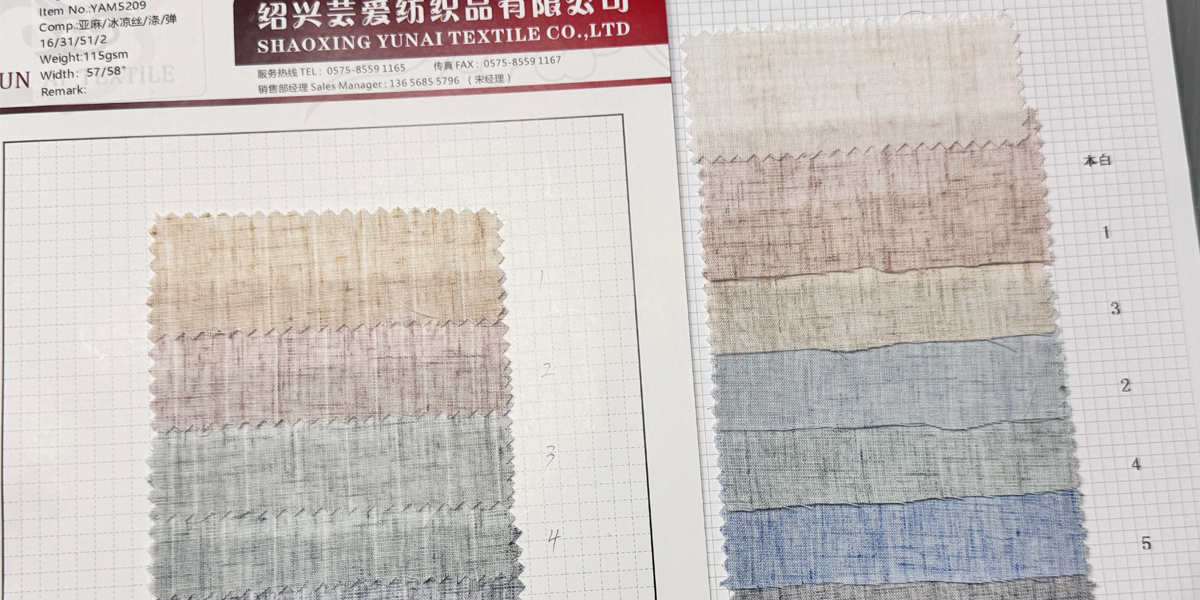
The shift towards recycled and eco fibers marks a significant step in the Future of Fabrics. As I explore this topic, I find that brands are increasingly adopting materials that not only perform well but also minimize environmental impact.
Innovations in Polyester
Recycled polyester, often referred to as rPET, stands out as a leading choice for professional clothing brands. This material is made from post-consumer plastic bottles, reducing waste and conserving resources. The benefits of rPET include:
- Durability: It retains the strength and resilience of virgin polyester.
- Versatility: rPET can be blended with other fibers to enhance performance.
- Reduced Carbon Footprint: Using recycled materials significantly lowers greenhouse gas emissions compared to producing new polyester.
Other recycled fibers gaining traction include recycled nylon, cotton, and wool. These materials help brands meet sustainability goals while maintaining high-quality standards.
Advancements in Rayon
Rayon has long been a popular fabric in the fashion industry, but traditional production methods have raised environmental concerns. Fortunately, advancements in rayon production are paving the way for more sustainable options. Here’s a look at some key innovations:
| Advancement | Impact on Water Usage | Impact on Chemical Usage |
|---|---|---|
| Non-woven rayon production | Uses less water than traditional cotton | Reduces chemical dye use |
| Closed-loop dyeing systems | Decreases water consumption | Promotes sustainable fabric production |
| Use of biodegradable polymers | Reduces environmental impact | Minimizes chemical reliance |
| Lyocell production | Recycles solvents, decreasing waste | Lowers resource consumption |
Modern rayon production emphasizes sustainability and the use of recycled materials. In contrast, traditional rayon is linked to significant environmental harm, including deforestation and toxic production methods. Approximately 200 million trees are cut down annually for textile production, with nearly half of the rayon produced coming from ancient and endangered forests. This stark reality highlights the importance of adopting innovative practices in rayon manufacturing.
The Role of Bamboo in Sustainable Fabrics
Bamboo has emerged as a remarkable alternative in the realm of sustainable fabrics. This fast-growing plant requires minimal water and no pesticides, making it an eco-friendly choice. Bamboo fibers are naturally antibacterial and moisture-wicking, which enhances comfort and performance in professional clothing.
Moreover, bamboo cultivation helps combat soil erosion and promotes biodiversity. As I consider the Future of Fabrics, I see bamboo as a promising option that aligns with both sustainability and performance goals.
Performance Functions
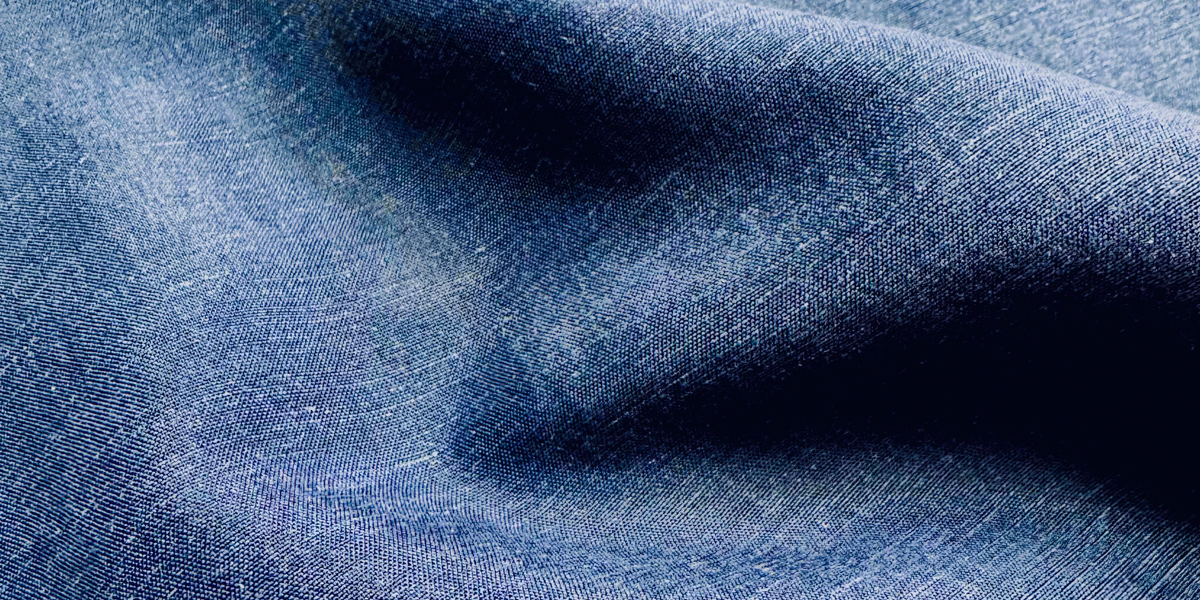
In my exploration of the Future of Fabrics, I find that performance functions play a crucial role in the appeal of professional clothing. Brands must prioritize features that enhance the wearer’s experience while also being sustainable. Here are some key performance functions that I believe are essential:
Wrinkle Resistance Technologies
Wrinkle resistance is a vital feature for professional clothing. I have seen brands adopt innovative technologies to ensure garments maintain a polished appearance throughout the day. One standout technology is PUREPRESS™, which offers a durable press finish that is formaldehyde-free. This technology not only enhances wrinkle resistance but also improves tensile strength, tear strength, and abrasion resistance.
The benefits of PUREPRESS™ include:
- Minimization of yellowing and shade change.
- Odor control for a fresh look.
- Maintenance of shape, reducing shrinkage and pilling.
These advancements allow professionals to look sharp without the hassle of constant ironing.
Stretch and Flexibility Features
Comfort and flexibility are paramount in professional attire. I have observed that fabrics with stretch capabilities significantly enhance wearer satisfaction. The following table outlines popular fabric compositions and their benefits:
| Fabric Composition | Benefits |
|---|---|
| Polyester/Cotton Stretch Fabric | Comfortable and durable |
| Polyester/Viscose Stretch Fabric | Soft and breathable |
| Cotton/Nylon Stretch Fabric | Strong and flexible |
| Polyester/Lyocell Stretch Fabric | Eco-friendly and moisture-wicking |
| Cotton Stretch Fabric | Natural feel with added stretch |
Sustainable stretch fibers, such as biodegradable elastane, offer an eco-friendly alternative to conventional elastane. These fibers break down faster, reducing environmental impact. Additionally, they often incorporate recycled materials, which lessens reliance on fossil resources.
Moisture-Wicking Capabilities
Moisture-wicking fabrics are essential for maintaining comfort in professional settings. I have found that these fabrics pull sweat away from the skin, allowing it to evaporate quickly. This feature keeps the wearer cool and dry, which is especially important during long workdays. The following table highlights effective moisture-wicking fiber types:
| Fiber Type | Properties | Benefits |
|---|---|---|
| Bamboo | Breathable, odor-resistant, stretchy | Naturally moisture-wicking, effective in humid environments |
| Wool | Breathable, thermo-regulating, odor-resistant | Absorbs moisture while maintaining insulation |
| Rayon | Lightweight, wrinkle-resistant, fast-drying | Combination of natural and synthetic, effective moisture management |
Moisture-wicking capabilities not only enhance comfort but also contribute to garment longevity. They prevent skin irritation and bacterial growth, ensuring that clothing remains fresh and wearable for longer periods.
Easy Care and Maintenance Solutions
In today’s fast-paced world, easy care solutions are a must for professional clothing. I appreciate fabrics that require minimal maintenance. The following table summarizes key features of easy-care fabrics:
| Feature | Details |
|---|---|
| Quick Drying | Yes |
| Material Details | 75% Repreve Polyester + 25% Spandex |
| UV Protection | Yes |
Additionally, many sustainable fabrics are machine washable and easy to care for, making them ideal for busy professionals. This convenience allows individuals to focus on their work rather than worrying about garment upkeep.
Market Alignment
Consumer Preferences in the Western Market
I have observed a significant shift in consumer preferences towards sustainable professional clothing in North America and Europe. The sustainable fashion market in North America currently holds a remarkable 42.3% market share. This statistic highlights a strong demand for eco-friendly products. Online distribution channels have also contributed to this trend, offering convenience and transparency. As consumers become more aware of their choices, they increasingly seek sustainable options that align with their values.
The Economic Benefits of Sustainable Fabrics
Investing in sustainable fabrics offers numerous economic advantages for brands. I find that consumers are willing to pay a premium for sustainable products. In fact, they are ready to spend about 9.7% more for clothing that meets their sustainability criteria. Additionally, 46% of consumers are purchasing more sustainable products to lessen their environmental impact. This trend indicates that brands can benefit financially by aligning their offerings with consumer values.
| Evidence | Details |
|---|---|
| Sustainability Premium | Consumers are willing to pay a 9.7% premium for sustainable products. |
| Impact of Climate Change | 85% of consumers report experiencing disruptive impacts of climate change. |
| Increased Sustainable Purchases | 46% of consumers are buying more sustainable products to reduce environmental impact. |
| Considered Purchases | 43% are making more considered purchases to reduce overall consumption. |
Case Studies of Successful Brands
Several brands have successfully embraced sustainable practices, setting a benchmark for others. For instance, I admire how Patagonia has integrated recycled materials into their product lines. Their commitment to environmental responsibility resonates with consumers. Similarly, Eileen Fisher has made strides in using organic and sustainable fabrics, which has strengthened their brand loyalty. These case studies illustrate that sustainability can drive both performance and consumer engagement, shaping the Future of Fabrics in professional clothing.
Building a future-ready brand requires a commitment to sustainable fabrics. I see that innovative materials not only enhance performance but also resonate with consumers. A significant 84% of Sustainability Champions are willing to pay more for sustainable products. Brands must address challenges like high costs and limited availability to thrive. By engaging consumers through education and awareness campaigns, brands can foster a deeper understanding of sustainable practices. This approach will pave the way for long-term success in the evolving landscape of professional clothing.
FAQ
What are recycled fabrics?
Recycled fabrics come from post-consumer waste, like plastic bottles. They reduce environmental impact while maintaining quality and durability.
Why should brands focus on sustainable fabrics?
Sustainable fabrics attract eco-conscious consumers. They enhance brand loyalty and can lead to higher sales, benefiting both the environment and the business.
How do moisture-wicking fabrics work?
Moisture-wicking fabrics pull sweat away from the skin. They allow for quick evaporation, keeping the wearer cool and comfortable throughout the day.
Post time: Sep-15-2025