
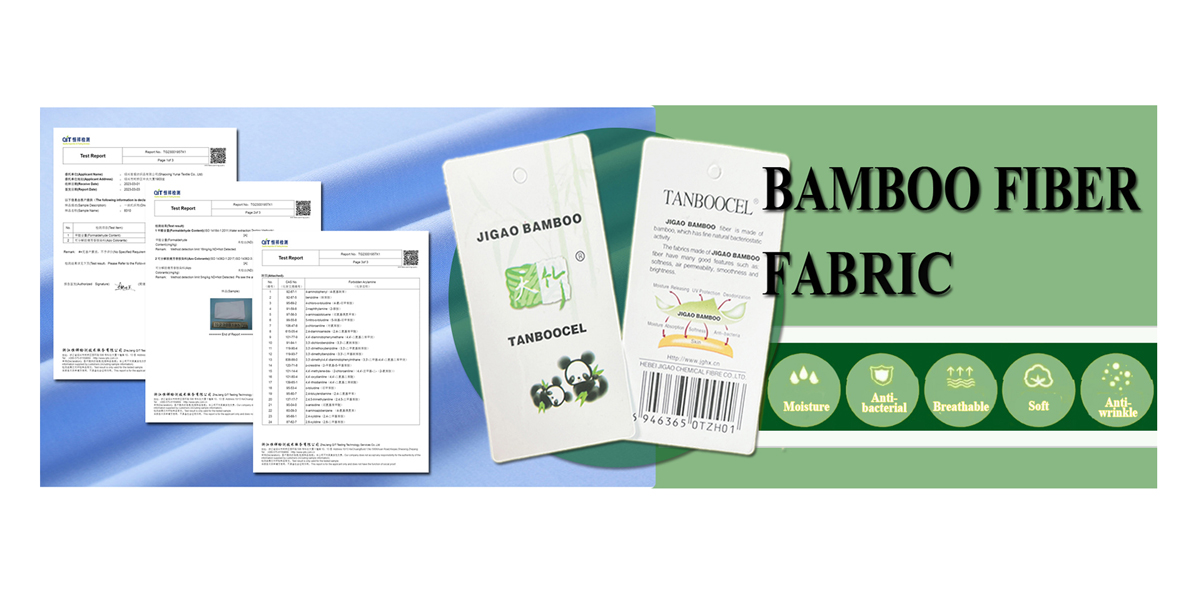
I see how sustainable medical uniform fabric transforms healthcare. When I look at brands like FIGS, Medline, and Landau, I notice their focus on eco friendly fabric for medical scrub and skin friendly fabric for nurse scrub uniform. The top 10 medical uniform brands in the world now prioritize surgical uniform fabric and Figs medical uniform fabric that protect both people and the planet.
Key Takeaways
- Sustainable medical uniforms use eco-friendly fabrics like recycled polyester, bamboo, organic cotton, and Tencel to protect the environment and improve comfort for healthcare workers.
- These fabrics offer benefits such as durability, breathability, antibacterial properties, and reduced environmental harm compared to traditional polyester and cotton uniforms.
- Choosing sustainable uniforms supports infection control, boosts staff morale, lowers waste, and helps healthcare organizations meet safety and environmental goals.
The Need for Change in Medical Uniform Fabric
Environmental Impact of Traditional Uniforms
When I look at the impact of traditional medical uniform fabric, I see many problems for the environment. Most uniforms use polyester or conventional cotton. These materials harm the planet in several ways:
- Polyester does not break down. It can stay in landfills for hundreds of years and releases toxic chemicals into the soil and water.
- Making polyester uses a lot of oil and energy. Factories burn about 70 million barrels of oil each year just for polyester. This process creates a huge amount of carbon dioxide.
- Dyeing polyester needs dangerous chemicals. These chemicals can pollute rivers and lakes. I have read that textile dyeing causes about 20% of water pollution worldwide.
- Polyester sheds tiny plastic fibers when washed. These microplastics end up in the ocean and hurt fish and other sea life.
- Cotton seems better, but regular cotton uses a lot of water and energy. This leads to resource shortages in some areas.
I believe these facts show why we need better options for medical uniforms.
Health and Comfort Issues for Healthcare Workers
I know that healthcare workers need uniforms that feel good and keep them safe. Traditional fabrics can cause problems for those who wear them every day.
- Polyester can trap heat and sweat, making uniforms uncomfortable during long shifts.
- Some workers develop skin irritation or allergies from synthetic fibers or harsh dyes.
- Factories that make these fabrics often expose workers to harmful chemicals and dust. This increases the risk of breathing problems and even cancer.
- Microfibers from polyester can become airborne, which may affect the air quality in hospitals.
When I choose medical uniform fabric, I want it to protect both the planet and the people who wear it.
Leading Sustainable Medical Uniform Fabric Options
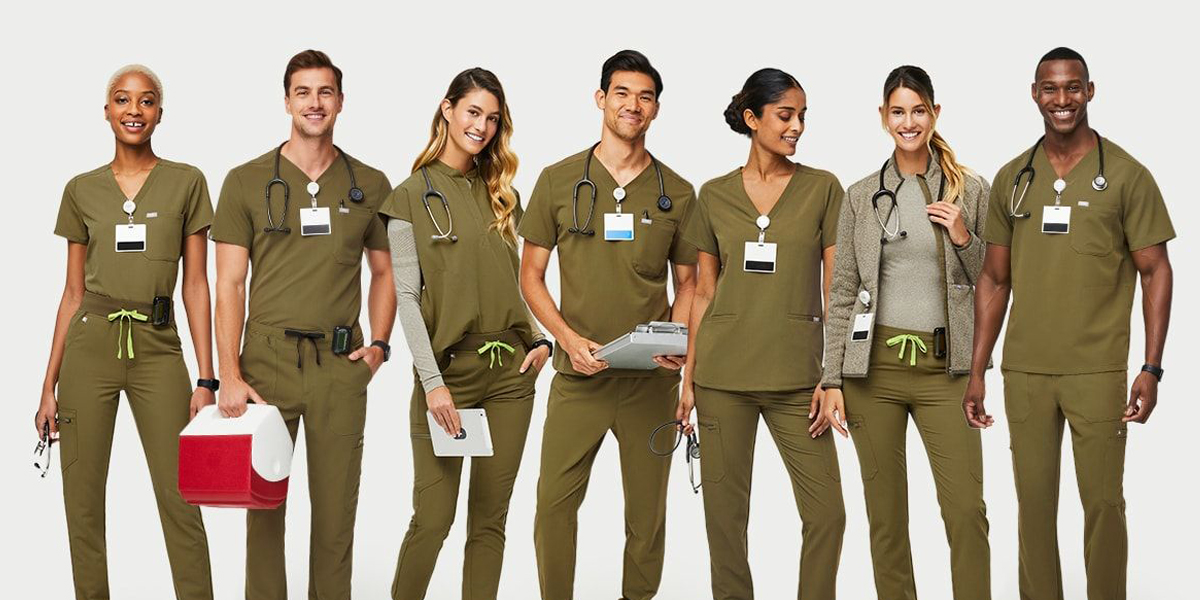
As I explore the future of healthcare apparel, I see many new options for sustainable medical uniform fabric. These materials help protect the environment and improve comfort for healthcare workers. I want to share the most promising choices I have found in the market.
Recycled Polyester and rPET Blends
I notice that recycled polyester, also called rPET, is becoming a top choice for medical uniform fabric. Manufacturers make rPET by turning used plastic bottles and polyester waste into new fibers. This process saves natural resources and keeps plastic out of landfills. I have seen brands like Barco One and Sketchers use rPET blends in their scrubs. Each set of scrubs can recycle up to 10 plastic bottles.
Here are some key benefits I have observed:
- rPET reduces carbon emissions and uses less energy and water than new polyester.
- These uniforms help keep plastic waste out of oceans and landfills.
- rPET scrubs are strong and durable, so they last through many washes.
- Using recycled materials supports fair labor and ethical production.
I believe rPET blends offer a practical way to make healthcare more sustainable without losing performance.
Bamboo-Based Medical Uniform Fabric
Bamboo is another exciting option I have tried. Bamboo grows very fast and does not need pesticides or much water. This makes it a highly sustainable crop. I like that bamboo absorbs more carbon dioxide than trees and helps fight climate change.
Bamboo fabric has many features that work well in healthcare:
- It contains “bamboo kun,” a natural agent that stops bacteria from growing. This helps reduce infection risk.
- The fabric pulls sweat away from the skin, keeping me dry during long shifts.
- Bamboo is soft, breathable, and gentle on sensitive skin.
- It stays comfortable and strong after many washes.
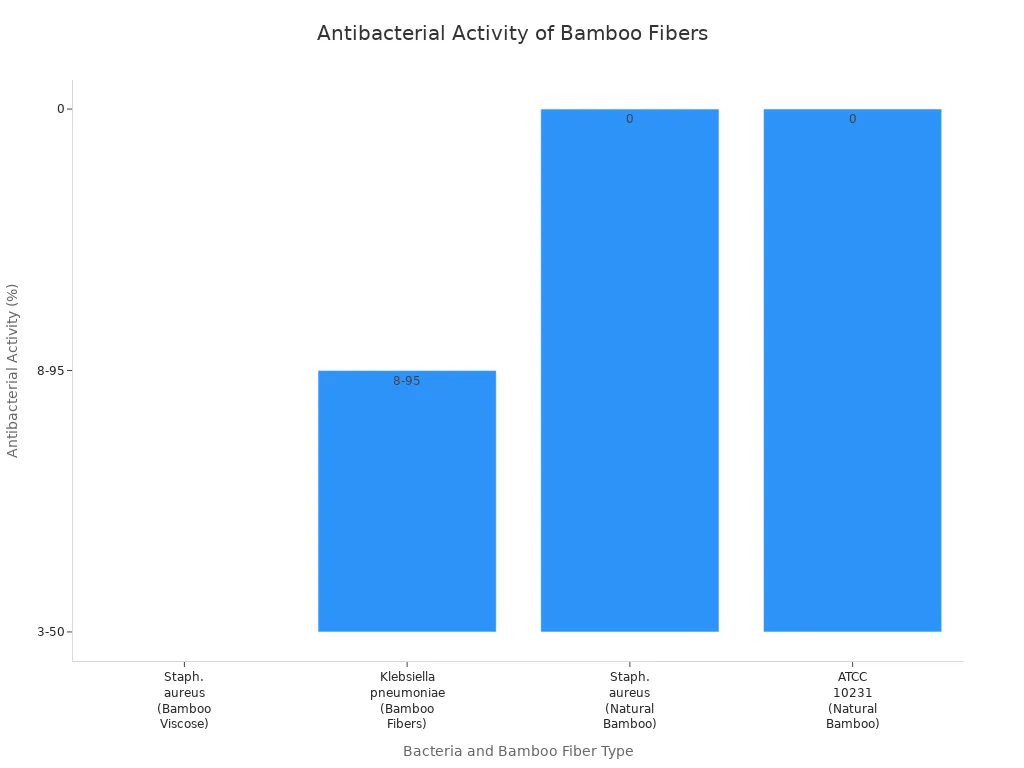
I have learned that bamboo fabric is biodegradable, so it breaks down naturally at the end of its life. However, I also know that making bamboo fabric can involve chemicals. I always look for brands that use eco-friendly processing and have clear certifications.
Organic Cotton in Medical Uniforms
Organic cotton is a classic choice that I trust for medical uniform fabric. Farmers grow organic cotton without synthetic pesticides or fertilizers. This protects the soil and water. I have found that organic cotton uses up to 91% less water than regular cotton, thanks to better farming methods.
When I shop for organic cotton uniforms, I check for certifications. The Global Organic Textile Standard (GOTS) is the best. It covers everything from the farm to the finished product, including fair labor and safe chemicals.
| Certification | Organic Verification Scope | Key Features | Limitations |
|---|---|---|---|
| GOTS | From organic farming to finished product | Strict environmental and social standards; traceability; prohibits GMOs and child labor | None significant |
| OCS | Organic fiber content in product | Certifies minimum organic fiber content; high traceability | Does not cover processing standards |
| OEKO-TEX® ORGANIC COTTON | From farm to product | Tests for harmful substances; traceability | Focuses on chemical safety |
I choose organic cotton uniforms for their comfort, breathability, and lower environmental impact.
Tencel and Lyocell Fabrics
Tencel and Lyocell are newer fabrics that I see more often in medical uniforms. These fibers come from wood pulp, usually eucalyptus, and use a closed-loop process that recycles almost all chemicals and water. This makes them very eco-friendly.
I like Tencel and Lyocell because:
- They are soft, strong, and last through many washes.
- The fabric absorbs sweat and keeps me cool and dry.
- Tencel is hypoallergenic and gentle on sensitive skin.
- These fibers are fully biodegradable and compostable.
Tencel and Lyocell uniforms help reduce waste and pollution. I find them comfortable for long shifts and easy to care for.
Compostable and Biodegradable Textiles
I am excited about the rise of compostable and biodegradable textiles in healthcare. These fabrics break down naturally after use, helping to solve the problem of textile waste. Some brands use new technologies, like CiCLO, to make polyester fibers that biodegrade only after the uniform’s useful life. I have tried scrubs made from biodegradable cotton and recycled polyester. They feel soft, fit well, and do not irritate my skin.
Medical workers like me report that these uniforms are comfortable and safe, even after many washes. I see that compostable and biodegradable textiles offer a real solution for reducing waste in hospitals and clinics.
Comparing Medical Uniform Fabric Choices: Pros and Cons
Durability and Performance in Healthcare
When I choose a medical uniform, I always look for durability and strong performance. In my experience, uniforms must handle frequent washing, exposure to stains, and long shifts. I have seen that polyester and polyester blends stand out for their toughness. These fabrics resist wear and tear, keep their shape, and do not wrinkle easily. They also dry quickly, which helps when I need to wash my uniform often.
Sustainable options like bamboo-polyester blends and Tencel also perform well. I have worn bamboo scrubs that stayed soft and strong after many washes. In fact, bamboo-polyester blends can keep 92% of their softness even after 50 washes. Tencel uniforms hold their shape and resist shrinking. Organic cotton feels soft but does not last as long as polyester. I notice that cotton can fade or lose shape faster, especially with heavy use.
Healthcare organizations use several metrics to judge performance. They check for stain resistance, color retention, and how well the fabric stands up to repeated washing. I have seen polyester blends score high in these areas. Some uniforms use special blends, like 72% polyester, 21% rayon, and 7% spandex, to add stretch and softness without losing durability.
Here is a table that compares the main fabric options:
| Fabric | Cost | Durability | Environmental Impact |
|---|---|---|---|
| Polyester | Cost-effective; affordable | Highly durable, moisture-wicking, wrinkle-resistant | High environmental cost: petroleum-based, non-biodegradable, sheds microplastics, chemical-intensive production, high energy use |
| Cotton | Generally affordable | Natural and breathable, less durable than synthetics | Water-intensive cultivation, pesticide use, labor issues |
| Rayon | Moderate cost | Less durable, prone to shrinkage | Biodegradable but chemical-heavy production, water and energy intensive |
| Tencel™ | Moderate to higher cost | Durable and soft, maintains shape | Sustainable closed-loop production, less environmental harm |
| Hemp | Moderate cost | Durable natural fiber | Requires less water and chemicals than cotton, biodegradable |
| Organic Cotton | Higher cost | Similar durability to conventional cotton | Less water and chemical use, better labor practices |
Tip: I always check for uniforms that combine durability with comfort. This helps me stay focused on my work without worrying about my clothes.
Comfort, Breathability, and Skin Sensitivity
Comfort is just as important as durability for me. I spend long hours in my uniform, so I need fabric that feels good on my skin and lets me move easily. Organic cotton and bamboo stand out for their softness and breathability. When I wear bamboo scrubs, I notice they keep me cool and dry. Bamboo also has natural antibacterial properties, which help with hygiene and skin comfort.
I have found that polyester blends offer good stretch and moisture-wicking, but they can feel less breathable than natural fibers. Some people, including myself, may notice skin irritation from synthetic fabrics or harsh dyes. In a hospital trial, staff who switched to bamboo scrubs reported 40% fewer skin irritations. This shows how the right fabric can make a big difference.
Healthcare organizations look at several factors when choosing fabrics for comfort:
- Breathability and moisture-wicking
- Antimicrobial features
- Softness and stretch
- Skin sensitivity and allergy risk
Here is a quick comparison of key benefits and trade-offs:
| Fabric Type | Key Benefits | Trade-offs |
|---|---|---|
| Bamboo Fabric | Eco-friendly, antimicrobial, moisture-wicking, soft | Higher cost, lower durability with frequent washing |
| Recycled Materials | Reduces waste, certified sustainable, durable | Potential contamination, advanced processing needed |
| Cotton Blends | Soft, breathable, comfortable for long shifts | Less durable, may lack quick-drying |
| Polyester Blends | High durability, quick-drying, antimicrobial options | Less breathable, synthetic origin |
Note: I always test new uniforms for comfort before wearing them on a long shift. This helps me avoid skin problems and stay comfortable all day.
Environmental Impact and End-of-Life Solutions
I care about the planet, so I pay close attention to the environmental impact of my medical uniform fabric. Traditional polyester has a high environmental cost. It comes from oil, does not break down, and sheds microplastics. Cotton uses a lot of water and pesticides, which can harm the environment.
Sustainable fabrics like Tencel, bamboo, and organic cotton offer better solutions. Tencel uses a closed-loop process that recycles water and chemicals. Bamboo grows quickly and needs little water or pesticides. Organic cotton uses less water and avoids harmful chemicals.
Reusable uniforms help reduce waste. I have learned that a reusable gown can replace up to 60 disposable gowns, cutting down on landfill waste. Hospitals that use reusable uniforms lower their carbon footprint, even when you count the energy and water needed for washing. Some brands design uniforms for recycling or donation, which extends their life and supports a circular economy.
However, I know there are challenges. Medical waste rules can make recycling or donating used uniforms difficult. Some biodegradable fabrics still face limits because of strict quality controls in healthcare. Local manufacturing can help by reducing transportation impacts.
Reminder: Choosing sustainable uniforms helps protect the environment and supports a healthier future for everyone.
Innovations in Sustainable Medical Uniform Fabric Manufacturing
Closed-Loop Production and Circular Practices
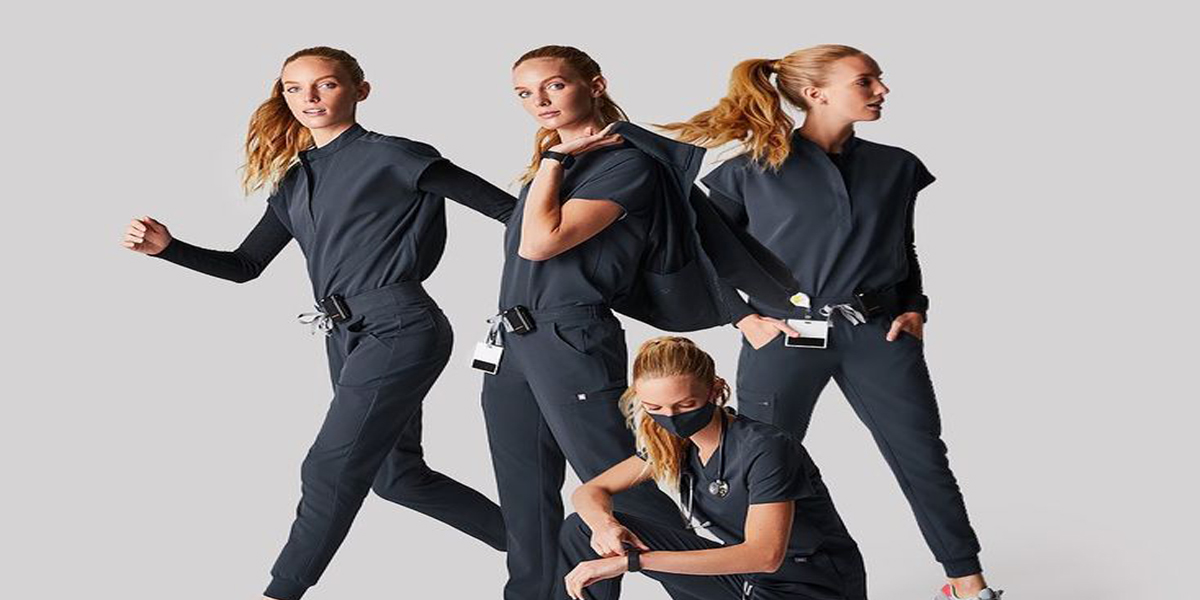
I see closed-loop production as a major step forward for medical uniform fabric. In this process, manufacturers recycle water and chemicals during fabric creation. TENCEL™ and Lyocell stand out because they use wood pulp from sustainable forests and recover almost all solvents. I have noticed that nonwoven fabric production, like spun-bond and melt-blown methods, allows for fast and sterile fabric creation. Some companies add antimicrobial finishes during fiber extrusion, which helps uniforms stay cleaner for longer. These innovations balance protection, comfort, and sustainability. By focusing on durability and quality, we can reduce waste and extend the life of each uniform.
Water and Energy Efficient Technologies
I always look for ways to save water and energy in textile production. New technologies make a big difference. For example, TENCEL™ Lyocell fabric uses up to 95% less water than regular cotton. Factories now reuse water and use greener energy sources. Waterless dyeing methods, such as supercritical CO2 dyeing and digital printing, remove the need for water and cut down on harmful chemicals. These changes lower wastewater and improve efficiency. I believe these steps help protect our environment while still producing high-quality uniforms.
Uniform Recycling and Take-Back Initiatives
Recycling old uniforms is another important innovation. I have seen programs like Standard Textile’s Take-Back Recycling Program, which lets hospitals return used linens for recycling or repurposing. Over two years, this program kept nearly 11,880 pounds of textiles out of landfills. However, I know that getting everyone to participate can be hard. Studies show that while many healthcare workers want to recycle, only a small number actually do. To improve these programs, we need to make recycling easy and encourage everyone to join in. These efforts help reduce textile waste and support a circular economy in healthcare.
Practical Benefits of Eco-Friendly Medical Uniform Fabric
Enhanced Comfort and Mobility for Professionals
When I wear eco-friendly uniforms, I notice a big difference in comfort and movement. These uniforms feel softer and lighter on my skin. Many sustainable fabrics, like bamboo and Tencel, breathe well and wick away sweat. This keeps me cool and dry during long shifts. I also find that these uniforms stretch better, so I can move easily when I help patients. Some brands add antimicrobial features, which help keep the fabric fresh. I see that these uniforms last longer and do not lose their shape, even after many washes.
- Breathable and moisture-wicking materials keep me comfortable.
- Softness and stretch improve my range of motion.
- Antimicrobial properties help reduce odors and skin irritation.
- Durable fabrics mean I replace uniforms less often, saving money.
Improved Infection Control and Hygiene
I trust eco-friendly medical uniform fabric to help keep my workplace safe. Many of these fabrics have antibacterial and antimicrobial qualities. This means they stop germs from growing on my clothes. Nonwoven designs make it harder for bacteria to hide. I can wash these uniforms often without losing their protective features. Certified laundering processes remove bacteria and keep uniforms clean. I feel confident that these uniforms protect both me and my patients.
Tip: Choosing uniforms with easy-to-clean, antimicrobial fabric supports infection control and keeps everyone safer.
Positive Effects on Workplace Culture and Brand Image
Switching to sustainable uniforms does more than help the planet. I see that it boosts morale among my coworkers. We feel proud to work for an organization that cares about the environment and our health. Patients notice these changes, too. They trust us more when they see our commitment to safety and sustainability. Hospitals that use eco-friendly uniforms often attract staff who value ethical practices. This choice also helps meet company goals for sustainability and improves our reputation in the community.
- Staff morale rises when we wear comfortable, eco-friendly uniforms.
- Patients and visitors see our commitment to health and the environment.
- Our organization stands out as a leader in ethical and sustainable care.
Addressing Challenges in Adopting Sustainable Medical Uniform Fabric
Cost and Return on Investment
When I first explored sustainable options, I noticed the price difference. Eco-friendly medical uniform fabric often costs more than traditional materials. Hospitals and clinics sometimes hesitate because of the higher upfront cost. However, I have seen that these uniforms last longer and need fewer replacements. Over time, the savings add up. I recommend looking at the total cost of ownership, not just the purchase price. Many organizations now track how much they save by reducing waste and laundry needs.
Tip: Investing in quality uniforms can lower replacement costs and improve staff satisfaction.
Regulatory Compliance and Certifications
I always check for certifications when I choose new uniforms. Healthcare facilities must follow strict rules for safety and hygiene. Sustainable fabrics must meet these standards. Certifications like OEKO-TEX, GOTS, and Bluesign show that the fabric is safe and eco-friendly. I trust these labels because they mean the fabric has passed many tests. Hospitals can feel confident when they see these certifications on medical uniform fabric.
Building a Sustainable Supply Chain
Building a supply chain for sustainable uniforms takes effort. I work with suppliers who share my values. I ask questions about where they get their materials and how they treat workers. Some brands use local factories to cut down on shipping pollution. Others support fair wages and safe working conditions. I believe that a strong supply chain helps everyone, from the farmer to the healthcare worker.
- Choose suppliers with clear sustainability goals.
- Support brands that value transparency and ethical practices.
- Track the journey of each uniform from raw material to finished product.
The Future of Medical Uniform Fabric in Healthcare
Technological Advancements in Sustainable Textiles
I see new technology changing the way we make medical uniform fabric. Smart textiles now include sensors that track health signs. These fabrics help doctors and nurses watch their own health while they work. I have noticed that antimicrobial fabrics are getting better. They now fight bacteria, fungi, and even viruses. Many of these uniforms stay effective after many washes. Compostable fabrics are also growing. They break down after use and help solve the problem of waste from old uniforms and PPE. I believe these changes will make uniforms safer and better for the planet.
Market Trends and Growing Consumer Demand
The market for sustainable medical uniform fabric keeps growing. I read that the healthcare smart fabrics market could reach $1 billion by 2024. More people want uniforms that protect the environment and keep them safe. Hospitals and clinics now look for uniforms with antibacterial and antiviral features. Compostable uniforms are becoming popular because they help reduce pollution. Here is a table that shows some key trends:
| Aspect | Details |
|---|---|
| Projected CAGR (2023-2029) | 11.2% |
| Market Size (2022) | USD 45.8 billion |
| Key Growth Drivers | Awareness of sustainable fabric, regulations, consumer demand |
| Medical Application Segment | Key growth area |
| Regional Growth | Asia-Pacific leads due to support and industry growth |
| Challenges | High cost of sustainable fabrics |
| Market Outlook | Strong growth with more investment in new technologies |
Note: I see more hospitals choosing eco-friendly uniforms every year.
The Influence of Leading Brands on Industry Standards
I watch leading brands set new standards for the industry. Companies like FIGS, Barco Uniforms, and Medline invest in research and new materials. They work with universities and other partners to create better fabrics. These brands push for certifications and clear labels. I trust their products because they focus on safety, comfort, and the environment. Their choices inspire other companies to follow. I believe that as more brands join this movement, sustainable uniforms will become the norm in healthcare.
I see sustainable medical uniform fabric changing healthcare for the better. Leading brands like FIGS, Barco Uniforms, Medline, Healing Hands, and Landau inspire me with their eco-friendly solutions. I believe choosing these uniforms supports a healthier workplace and a cleaner planet.
FAQ
What makes a medical uniform fabric sustainable?
I look for fabrics made from recycled, organic, or biodegradable materials. These options use less water and energy. They also reduce waste and pollution.
How do I care for eco-friendly medical uniforms?
I always follow the care label. I wash uniforms in cold water and avoid harsh chemicals. This keeps the fabric strong and extends its life.
Are sustainable uniforms as durable as traditional ones?
In my experience, sustainable uniforms last just as long as traditional ones. Many brands design them for frequent washing and heavy use in healthcare settings.
Post time: Jul-19-2025