
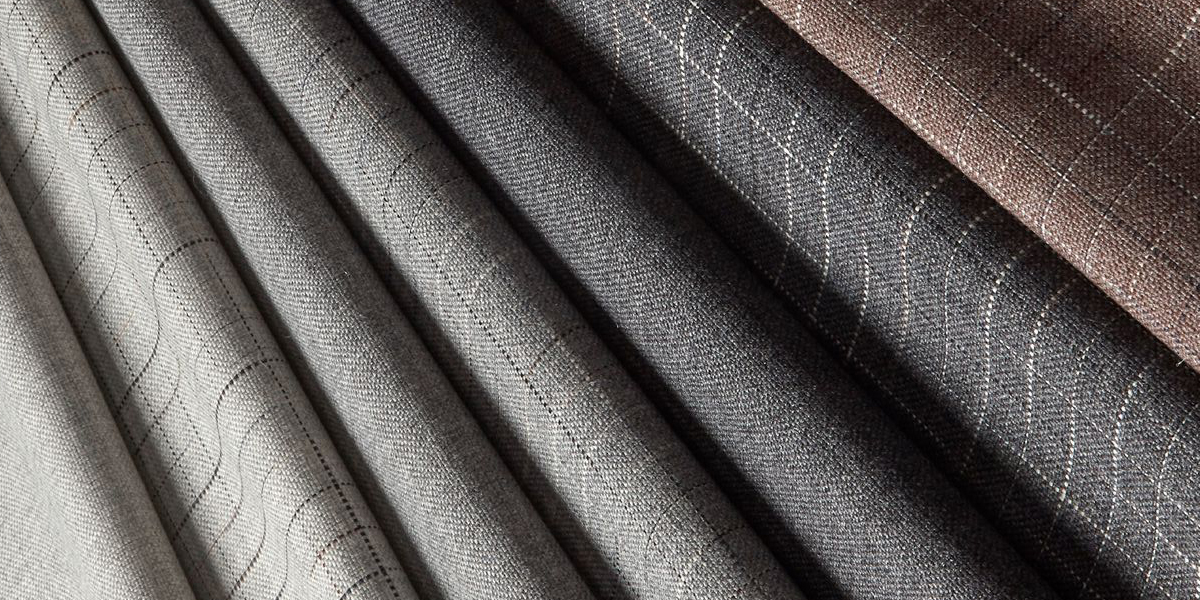
For clothing brands and fabric wholesalers, entering the suiting market can feel overwhelming. Traditional wool fabrics are premium but expensive, delicate, and difficult to maintain. On the other end of the spectrum, low-grade polyester often looks shiny, feels stiff, and lacks sophistication.
This is where TR fabric — also known as polyester viscose suiting fabric — has emerged as the “Goldilocks solution.” It strikes the perfect balance between appearance, durability, and cost efficiency, making it one of the most widely used fabrics in today’s professional wear and uniform markets.
From corporate suits and office trousers to hospitality uniforms and medical apparel, TR fabrics now dominate global B2B sourcing — and for good reason.
Understanding the TR Blend
TR fabric is a blended textile composed of Polyester (T) and Viscose/Rayon (R). In professional suiting applications, polyester typically makes up the larger percentage of the blend.
Each fiber plays a critical role:
Polyester provides strength, wrinkle resistance, dimensional stability, and long-term durability. It allows garments to retain their shape even after repeated washing and daily wear — essential for business travelers and office professionals.
Viscose, on the other hand, introduces softness, breathability, and a natural hand feel. It reduces the synthetic stiffness commonly associated with polyester and delivers a wool-like texture with elegant drape.
This carefully engineered combination creates a fabric that looks refined, feels comfortable, and performs reliably in real-world conditions.
For brands and wholesalers, TR suiting fabrics offer a scalable alternative to wool while maintaining a premium appearance.
Aesthetics Meet Durability
When buyers evaluate suit fabrics, one word consistently comes up: drape.
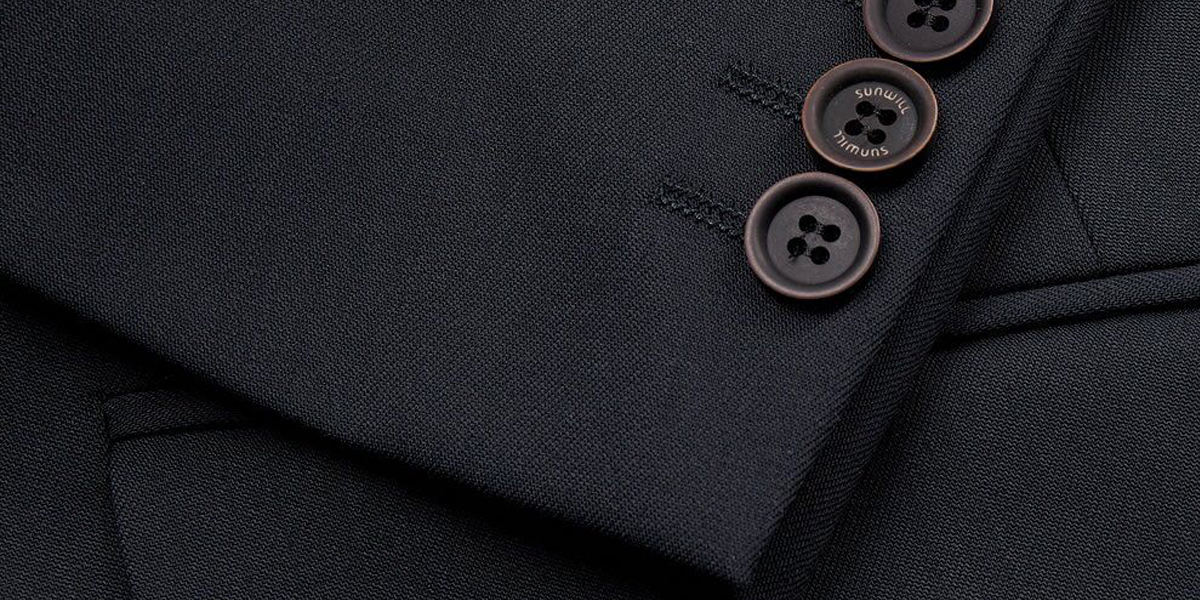
A well-tailored suit depends on how the fabric hangs and moves. High-quality TR fabrics achieve sharp structure and fluid motion through advanced weaving techniques such as twill and serge constructions.
Beyond weaving, finishing processes play a major role in elevating fabric aesthetics. Professional TR suiting fabrics undergo:
-
Singeing to remove surface fibers
-
Shearing to create a smooth, uniform texture
-
Reactive dyeing for deep, long-lasting color
-
Optional brushing or compacting for enhanced hand feel
These treatments result in a clean matte finish that closely resembles Super 100s wool — without the fragility.
Unlike cheap synthetic materials, premium TR fabrics avoid excessive shine and plastic texture. Instead, they deliver a refined appearance suitable for executive suits, corporate uniforms, and tailored businesswear.
For fabric wholesalers, this means offering customers a product that looks luxurious while remaining rugged enough for daily professional use.
The Low-Maintenance Professional Fabric
Today’s consumers expect more from their clothing. Comfort, appearance, and convenience all matter — especially in professional environments.
One of the strongest selling points of polyester viscose suit fabric is its easy-care performance.
Most TR fabrics are:
-
Machine washable
-
Highly wrinkle resistant
-
Quick drying
-
Colorfast
-
Resistant to pilling and deformation
This eliminates the need for frequent dry cleaning and heavy ironing, dramatically reducing garment maintenance costs.
For corporate clients, uniform buyers, and apparel brands, this translates into higher customer satisfaction and longer garment life cycles.
By educating end users on these performance benefits, fabric suppliers move beyond price competition and position themselves as solution providers.
Why TR Fabrics Are Ideal for Uniform Programs
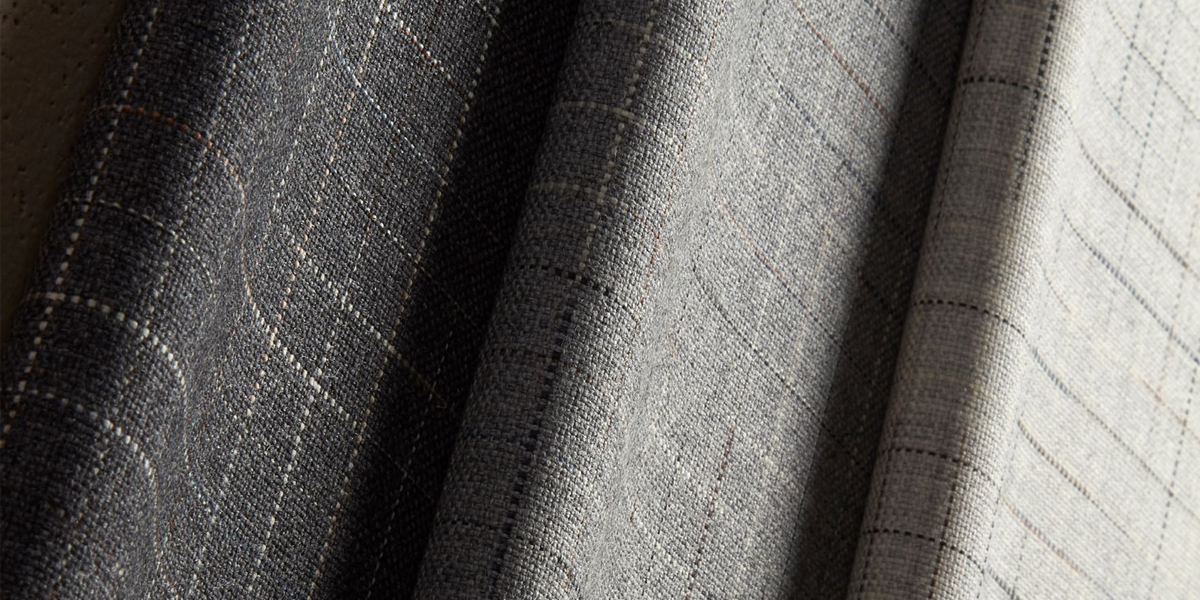
Uniform programs demand consistency, durability, and repeatability — areas where wool struggles.
TR fabrics excel in:
-
Batch color consistency
-
Large-scale production stability
-
Long-term availability
-
Cost predictability
This makes them especially suitable for industries such as:
-
Corporate office wear
-
Hospitality uniforms
-
Medical apparel
-
Government and institutional garments
-
Business casual collections
With predictable shrinkage rates and reliable finishing performance, TR fabrics simplify production planning for garment factories and sourcing teams alike.
Sustainability Considerations
Modern buyers increasingly care about sustainability. Many TR fabric suppliers now offer options that include recycled polyester, low-impact dyeing, and compliance with certifications such as GRS.
Viscose components can also be sourced from responsibly managed forests, helping brands meet evolving environmental standards without sacrificing performance.
For fashion brands targeting European and North American markets, these sustainability upgrades add significant value at relatively low cost.
Choosing the Right TR Suit Fabric Supplier
Not all TR fabrics are created equal.
When selecting a supplier, professional buyers should evaluate:
-
Fiber ratios and yarn quality
-
Weaving density and fabric weight
-
Finishing processes
-
Color fastness testing
-
Pilling resistance
-
Production lead time
-
Minimum order quantities
-
Quality control standards
A reliable TR fabric manufacturer doesn’t simply sell fabric — they provide technical support, consistent batch quality, and customization options such as stretch blends, special finishes, and application-specific constructions.
Final Thoughts
TR fabrics represent the evolution of modern professional wear.
They combine the elegance of wool with the resilience of polyester, delivering a versatile suiting solution that meets the demands of today’s fast-moving business world.
For clothing brands, garment factories, and fabric wholesalers, polyester viscose suiting fabrics offer a strategic advantage: premium appearance, practical performance, and scalable production.
In a market where comfort, durability, and cost efficiency matter more than ever, TR fabrics continue to define the future of professional apparel.
Post time: Feb-07-2026