
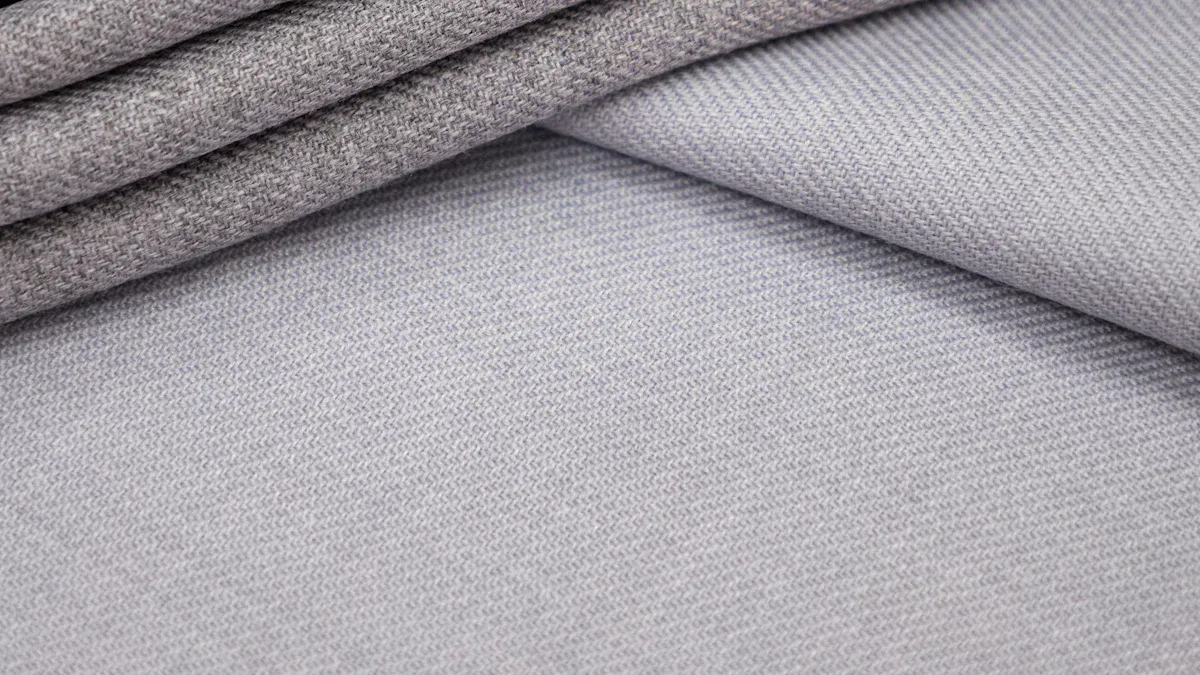
When I choose a suit, the fabric becomes the defining factor of its character. Wool suits fabric offers timeless quality and comfort, making it a favorite for traditional styles. Cashmere, with its luxurious softness, adds elegance to any ensemble. TR suits fabric blends balance affordability and durability, appealing to modern tastes. Woven suits fabric, crafted with precision, showcases sophistication. High end suits fabric elevates the experience, ensuring the suit stands out in both style and performance.
Key Takeaways
- Wool is the best choice for suits. It is strong, classy, and works for any event.
- Cashmere makes suits soft and warm. It is great for fancy events and cooler weather.
- Blended fabrics mix wool with other fibers. They are stylish, comfy, and budget-friendly for today’s fashion.
Wool: The Foundation of Suits Fabric
Characteristics That Make Wool Timeless
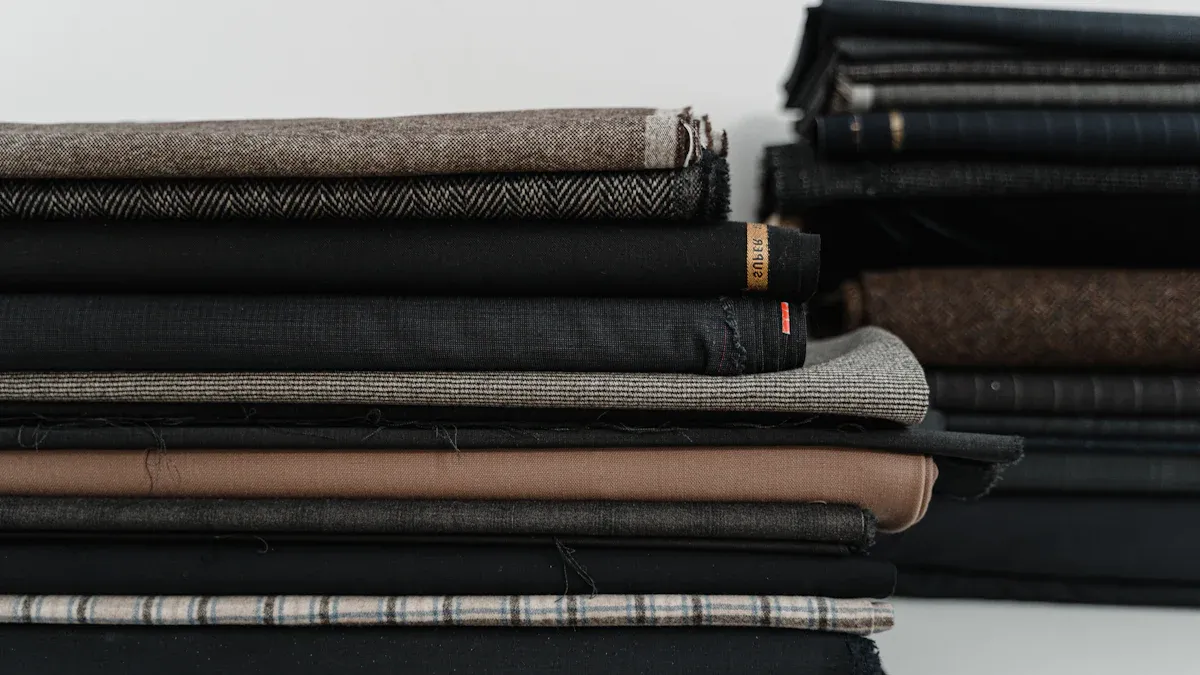
When I think about suits fabric, wool immediately comes to mind as the gold standard. Its timeless appeal lies in its durability, natural elegance, and ability to adapt to various needs. Wool fibers are inherently tough, making them resistant to wear and tear. Unlike synthetic alternatives, wool retains its structure and appearance even after years of use. This durability ensures that a well-made wool suit remains a wardrobe staple for decades.
To illustrate wool’s enduring qualities, consider the following:
| Performance Aspect | Details |
|---|---|
| Durability | Wool fibers resist deterioration and tearing, ensuring long-lasting wear. |
| Washability | Wool can withstand repeated washings without losing its integrity. |
| Longevity | Wool suits outlast synthetic fabrics, maintaining their charm over time. |
Wool also offers unmatched versatility in tailoring. It drapes beautifully, creating a polished silhouette that complements any body type. Whether I’m attending a formal event or heading to a business meeting, a wool suit always feels appropriate. Its natural texture adds a touch of sophistication, making it a favorite among designers and wearers alike.
Versatility for All Seasons and Occasions
One of wool’s most remarkable traits is its adaptability to different climates and occasions. Wool’s moisture-wicking properties keep me dry and comfortable, even during long days. It also regulates body temperature, making it suitable for both warm and cold weather. This adaptability ensures that wool suits remain practical throughout the year.
Here’s a breakdown of wool’s seasonal benefits:
| Property | Description |
|---|---|
| Moisture-wicking | Wool draws moisture away from the body, keeping the wearer dry. |
| Temperature control | It helps regulate body temperature, ensuring comfort in varying climates. |
| Layering capability | Ideal for creating base layers, mid-layers, and outerwear for winter. |
In addition to pure wool, blends enhance its versatility. For example:
- Wool-silk blends offer a luxurious feel and stylish fit.
- Wool-cotton blends provide a softer, casual option for everyday wear.
- Wool blends with synthetic fibers improve performance for active lifestyles.
Designers also use wool combinations to cater to diverse fashion tastes. I’ve noticed how these blends allow for tailored options that suit different climates and occasions. Whether it’s a lightweight wool suit for summer or a heavier one for winter, the adaptability of wool ensures I’m always dressed appropriately.
Wool’s enduring appeal and versatility make it the cornerstone of suits fabric. It’s no surprise that high-end suits and tailored garments often rely on worsted wool, a testament to its unmatched quality and performance.
Cashmere: Elevating Suits Fabric to Luxury
The Softness and Warmth of Cashmere
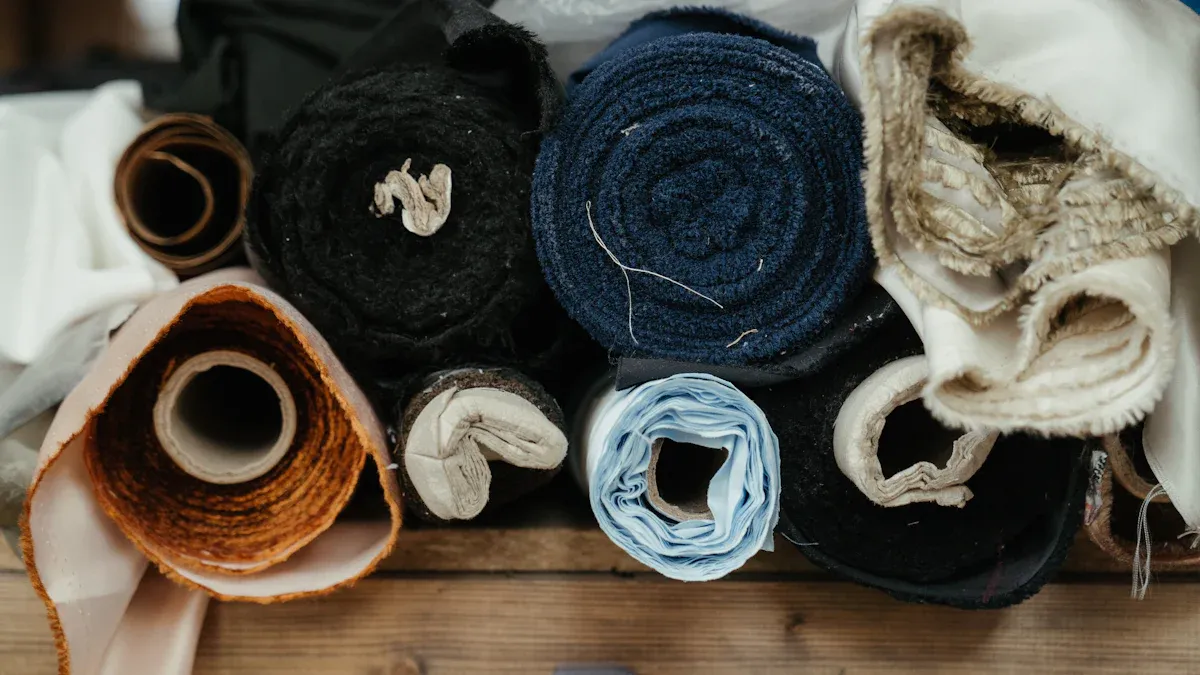
When I think of cashmere, the first words that come to mind are softness and warmth. This luxurious fiber, derived from the undercoat of cashmere goats, offers a tactile experience that few other materials can match. Its unparalleled softness stems from the fine diameter of its fibers, which are significantly thinner than human hair. Lab tests confirm this, as surface roughness measurements consistently show that cashmere fabrics have lower roughness values, making them incredibly smooth to the touch.
The warmth of cashmere is equally impressive. Unlike bulkier fabrics, cashmere provides exceptional insulation without adding weight. Transient heat flux measurements reveal that less hairy cashmere samples retain more heat, offering superior warmth for colder climates. This makes cashmere an ideal choice for winter suits or layering pieces.
I’ve noticed that cashmere suits not only feel luxurious but also exude a sense of refinement. The fabric’s natural sheen and soft drape enhance its visual appeal, making it a favorite for those who value both comfort and elegance. Whether I’m attending a formal event or simply looking to elevate my everyday wardrobe, cashmere delivers a level of sophistication that’s hard to ignore.
Warshaw, an expert in garment manufacturing, once noted, “By far and away the largest component of the total costs of a garment is the fabric.” This statement underscores why cashmere, as a premium material, commands such high regard in the world of suits fabric.
When and Why to Choose Cashmere for Your Suit
Choosing cashmere for a suit is a decision rooted in both practicality and style. I often recommend cashmere for occasions that demand a touch of luxury, such as weddings, galas, or high-stakes business meetings. Its softness allows it to be worn directly on the skin, ensuring maximum comfort throughout the day. Additionally, cashmere’s breathability makes it suitable for transitional weather, offering warmth without overheating.
The growing demand for cashmere suits reflects a broader shift in consumer preferences. Market research highlights several factors driving this trend:
- The rise of sustainable and ethical fashion has increased cashmere’s appeal as a natural, biodegradable fiber.
- Technological advancements in textile manufacturing have improved cashmere’s quality, making it softer, more durable, and versatile.
- Rising disposable incomes in countries like China, India, and the U.S. have made luxury fabrics more accessible to a broader audience.
| Factor | Description |
|---|---|
| Projected Growth Rate | The cashmere market is expected to grow at a CAGR of 3.81% by 2026. |
| Rising Disposable Income | Increased consumer spending in countries like China, India, and the U.S. is driving demand. |
| Consumer Awareness | Growing interest in sustainable fashion is boosting the appeal of cashmere clothing. |
| Technological Advancements | Innovations in textile manufacturing enhance product quality and expand market applications. |
Fashion trends also offer valuable insights into when to choose cashmere. For instance, a camel V-neck cashmere sweater layered over a white shirt and paired with subtle ties creates a polished look for business settings. On the other hand, a black turtleneck cashmere sweater under a grey flannel suit offers modern formality for evening events. These combinations highlight cashmere’s versatility, making it a staple for both casual and formal occasions.
For those seeking a balance between luxury and functionality, cashmere blends provide an excellent alternative. A cotton-cashmere blend, for example, combines the softness of cashmere with the breathability and durability of cotton. This makes it a practical choice for various weather conditions while maintaining a refined aesthetic.
In my experience, cashmere suits are an investment in both style and comfort. They not only elevate your wardrobe but also align with the growing emphasis on sustainability and quality. Whether you’re dressing for a special occasion or simply indulging in a touch of luxury, cashmere ensures you’ll look and feel your best.
Blends: The Modern Approach to Suits Fabric
Combining Strengths of Wool and Other Fibers
Blended fabrics redefine the possibilities of suits fabric by combining the best qualities of wool and other fibers. I’ve noticed how these blends enhance durability, comfort, and versatility, making them a modern favorite for tailored garments. For example, adding synthetic fibers like polyester or spandex to wool improves strength and stretch, ensuring the suit maintains its shape over time.
Blends also address practical concerns. Polyester reduces wrinkling, making suits easier to care for, while spandex adds flexibility for a better fit. These combinations create fabrics that are not only functional but also stylish. I’ve seen how designers use blends to achieve unique textures and finishes, offering options that cater to diverse preferences.
Sustainability plays a significant role in the growing popularity of blended fabrics. Many brands now incorporate recycled fibers into their suits, aligning with eco-friendly practices without compromising on quality. This shift reflects the industry’s commitment to innovation and environmental responsibility.
Blended fabrics offer a balance between tradition and modernity, combining the timeless appeal of wool with the performance benefits of synthetic fibers.
Balancing Style, Comfort, and Cost
Blended suits fabric strikes the perfect balance between style, comfort, and affordability. I often recommend blends to clients seeking high-quality suits at accessible price points. By mixing fibers, manufacturers can reduce production costs while maintaining the desired aesthetic and functionality.
Here’s how blends excel in key areas:
| Benefit | Description |
|---|---|
| Improved durability | Stronger synthetic fibers extend garment life. |
| Reduced wrinkling | Polyester content minimizes ironing needs. |
| Enhanced feel | Blends soften coarser fibers or add texture. |
| Stretch addition | Spandex improves fit and comfort. |
| Price point control | Blends achieve premium qualities at lower costs. |
| Easier care | Simplified washing instructions benefit consumers. |
Quality control ensures blended fabrics meet high standards. I’ve observed how inspections verify color consistency, texture, and strength, while advanced cutting techniques maintain precision. These measures guarantee that blended suits deliver both durability and elegance.
Blends also cater to specific needs. For instance, moisture-wicking properties make them ideal for active lifestyles, while wrinkle resistance ensures a polished look throughout the day. This versatility makes blended fabrics a practical choice for modern wardrobes.
In my experience, blended suits fabric offers a smart solution for those who value style and functionality without exceeding their budget. Whether for daily wear or special occasions, blends provide the perfect combination of performance and affordability.
Wool, cashmere, and blends each define a suit’s personality in unique ways. Wool’s breathability and adaptability make it ideal for daily wear, as confirmed by a 2019 study showing its dominance in suits fabric globally. Cashmere adds refinement, while blends balance style and practicality. Choosing the right fabric ensures both comfort and sophistication.
FAQ
What is the best fabric for a year-round suit?
I recommend wool. Its natural breathability and temperature-regulating properties make it suitable for all seasons, ensuring comfort and style throughout the year.
How do I care for a cashmere suit?
Dry clean it sparingly. Use a soft brush to remove dust and store it in a breathable garment bag to maintain its softness and shape.
Are blended fabrics less durable than pure wool?
Not necessarily. Blends often combine wool with synthetic fibers to enhance durability, reduce wrinkling, and improve stretch, making them a practical and long-lasting choice.
Post time: May-27-2025