

Tartan holds a unique place in the world of school uniforms. Its roots in Scottish culture symbolize tradition, loyalty, and identity. Yet, its use in modern school uniform fabric design reflects a shift toward individuality and contemporary style. This balance makes tartan a timeless choice for school skirt fabric and plaid polyester school uniform fabric. Its versatility allows schools to honor heritage while embracing modern aesthetics.
Key Takeaways
- Tartan fabrics mix old traditions with modern looks. They are a classic choice for school uniforms. Schools can respect their history while adding new styles.
- Schools can customize tartan patterns to show their unique identity. Working with fabric makers can create special designs that make students proud.
- Tartan fabrics are strong, comfy, and simple to care for. They work well in different weather, keeping students comfortable all year.
The Origins and Evolution of Tartan Patterns
Historical Roots in Scotland
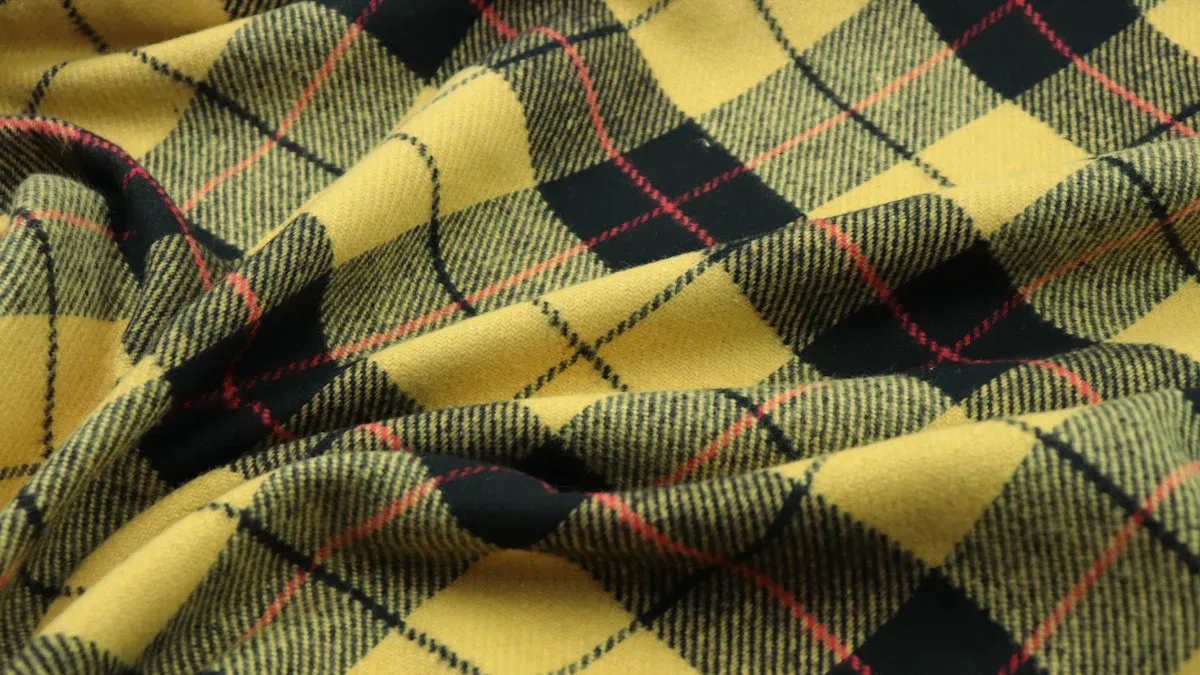
Tartan’s story begins in Scotland, where it evolved from a simple textile into a powerful cultural symbol. I find it fascinating how, in the 16th century, tartan patterns became identifiers for clans. Each clan developed unique designs, showcasing loyalty and belonging. The significance of tartan was further highlighted by the 1746 Act of Parliament, which banned civilians from wearing tartan after the Jacobite uprising. This prohibition underscored tartan’s role as a marker of Scottish identity and resistance.
Did you know? A piece of tartan discovered in a Glen Affric peat bog, dated between 1500 and 1600, is the oldest known tartan. This ancient artifact reflects the deep historical roots of tartan in Scotland.
| Evidence Type | Description |
|---|---|
| Ancient Tartan Piece | A piece of tartan discovered in a Glen Affric peat bog, dated between 1500 and 1600, is the oldest known tartan. |
| Clan Identity | Tartan became associated with clans in the late medieval period, evolving into a symbol of loyalty and belonging. |
| Historical Significance | The 1746 Act of Parliament banning tartan after the 1745 uprising highlights its importance in Scottish identity. |
Global Adoption of Tartan
Tartan’s appeal transcended Scotland, spreading across the globe. I’ve observed how its versatility allowed it to adapt to different cultures and contexts. In the 19th century, tartan gained popularity in fashion, thanks to Queen Victoria’s admiration for Scottish culture. Today, tartan is celebrated worldwide, appearing in everything from high-end fashion to school uniforms. Its ability to blend tradition with modernity makes it a universal favorite.
Tartan in School Uniform Traditions
Tartan’s role in school uniforms is particularly intriguing. In Scotland, tartan kilts are a staple, reflecting the nation’s heritage. Schools worldwide have adopted tartan patterns to create distinctive uniforms that honor tradition while embracing contemporary design. I’ve noticed how tartan fabrics, such as plaid polyester, are used to craft skirts and other uniform pieces, ensuring durability and style. This combination of practicality and cultural significance makes tartan an ideal choice for school uniform fabric.
The Versatility of Tartan as a School Uniform Fabric
Styles Across Different Schools and Regions
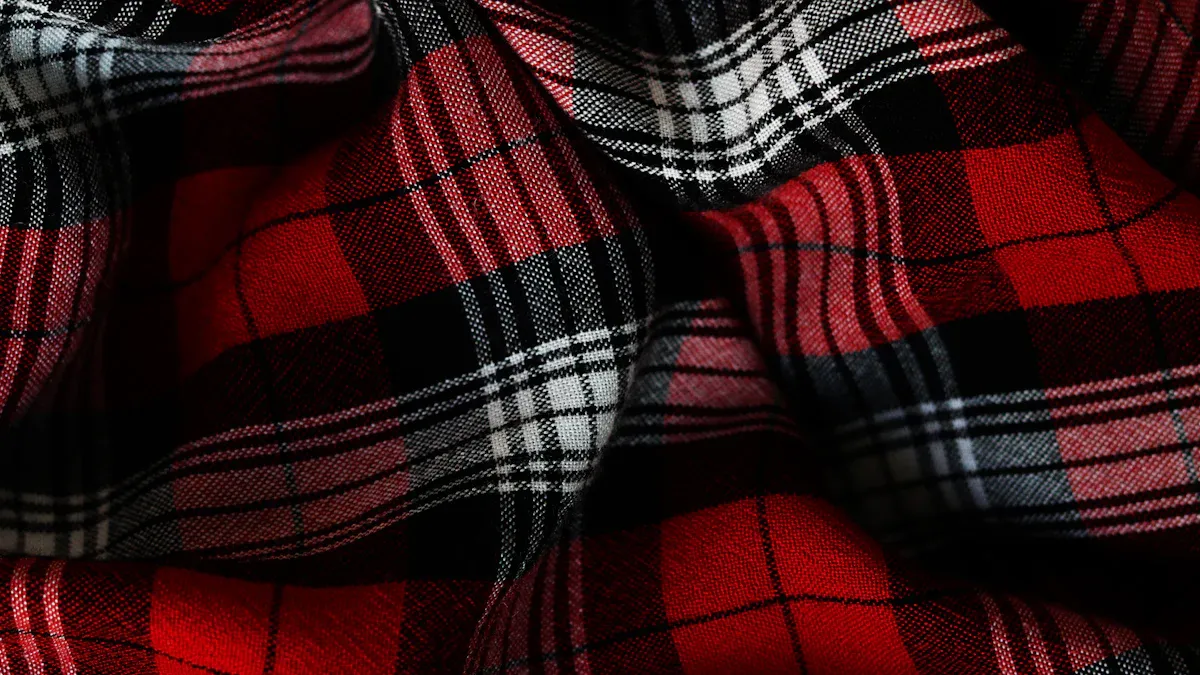
Tartan patterns vary widely across schools and regions, reflecting local traditions and resources. I’ve noticed how Scottish families historically developed unique tartan designs, influenced by the plants available for dyeing. Original tartans featured simple checks, with colors derived from local flora. These regional variations created a rich tapestry of styles that schools later adopted to showcase their distinct identities.
- Each Scottish family had a unique tartan pattern, influenced by local plant life for dyeing.
- Original tartans were simple checks, with colors derived from local flora, leading to regional variations.
- The first large-scale tartan producer standardized colors and patterns, contributing to the diversity seen in different regions.
This adaptability allows tartan to serve as a versatile school uniform fabric, offering schools the opportunity to create designs that reflect their heritage while maintaining a cohesive look.
Combining Tradition with Modern Design
Modern tartan uniforms seamlessly blend tradition with innovation. I’ve observed how companies like Lochcarron and Robert Noble have revolutionized tartan design by introducing contemporary elements. For example, Lochcarron incorporates Lycra and worsted denim tartan into its product line, while Robert Noble uses CAD technology to create intricate patterns. These innovations ensure tartan remains relevant in today’s fashion landscape while preserving its historical significance.
| Company | Traditional Focus | Modern Innovations | Notable Products/Clients |
|---|---|---|---|
| Lochcarron | Kilt and uniform fabrics | Fashion line, Lycra, worsted denim tartan | Royal Canadian Mounted Police, schools in Japan |
| Robert Noble | Tartan for Scottish regiments | Upholstery fabrics, CAD designed | Airlines, trains, electronic jacquard designs |
This fusion of old and new makes tartan an ideal choice for school uniform fabric, offering both durability and style.
Iconic Examples of Tartan Uniforms Worldwide
Tartan uniforms have become iconic symbols of school identity across the globe. In Scotland, tartan kilts remain a staple, showcasing the nation’s heritage. Schools in Japan have adopted tartan skirts as part of their uniforms, blending Western influences with their own cultural aesthetics. Even the Royal Canadian Mounted Police use tartan in their ceremonial attire, highlighting its universal appeal.
These examples demonstrate how tartan transcends borders, serving as a versatile fabric that combines tradition with modernity. Its ability to adapt to diverse cultural contexts ensures its enduring popularity in school uniform design.
Practical Benefits of Tartan Fabrics
Durability and Longevity
I’ve always admired how tartan fabrics stand the test of time. Their tightly woven structure ensures they can endure daily wear and tear, making them perfect for school uniforms. Students often engage in activities that challenge the durability of their clothing. Tartan fabrics, however, resist fraying and maintain their shape even after repeated use. This longevity reduces the need for frequent replacements, saving schools and families money.
Tip: Choosing high-quality tartan materials ensures uniforms last longer, even with heavy use.
Comfort in Various Climates
Tartan fabrics excel in providing comfort across different weather conditions. I’ve noticed how their breathable nature keeps students cool during warm days. In colder climates, the fabric’s thickness offers warmth and protection. This adaptability makes tartan an excellent choice for schools in diverse regions. Whether it’s a humid summer or a chilly winter morning, tartan uniforms ensure students feel comfortable throughout the day.
Easy Maintenance for Students
One of the most practical aspects of tartan fabrics is their ease of maintenance. I’ve found that these fabrics resist stains and wrinkles, making them ideal for busy students. A quick wash and minimal ironing are usually enough to keep them looking neat. This low-maintenance quality not only saves time but also ensures students always appear polished and ready for school.
Note: Tartan’s easy-care properties make it a reliable school uniform fabric for students and parents alike.
Customization and Personalization in Tartan Uniforms
Designing Unique Patterns for Schools
I’ve always found it fascinating how schools can design unique tartan patterns to reflect their identity. Each pattern tells a story, whether it’s through specific color combinations or intricate designs. Schools often collaborate with textile manufacturers to create exclusive tartans that symbolize their values and traditions. This customization not only sets the school apart but also fosters a sense of pride among students.
For example, some schools incorporate their official colors into the tartan, ensuring the fabric aligns with their branding. Others may choose patterns inspired by local history or cultural elements. This creative process transforms tartan into more than just a school uniform fabric—it becomes a symbol of unity and belonging.
Expressing Individuality Within Uniform Standards
Even within the boundaries of standardized uniforms, students find ways to express their individuality. I’ve noticed how accessories play a significant role in this. Ties, scarves, and belts allow students to add a personal touch to their outfits. Embroidered initials or monograms on uniform pieces also provide a subtle yet meaningful way to stand out.
Tip: Encourage students to personalize their look with small, school-approved accessories like pins or custom buttons.
Students also use creative hairstyles, colorful socks, or unique backpacks to showcase their personality. These small details make a big difference, allowing students to feel confident and comfortable while adhering to school policies.
Popular Color Combinations and Their Significance
Color plays a crucial role in tartan design. I’ve observed that popular combinations often carry symbolic meanings. For instance, red and green tartans evoke a sense of tradition and heritage, while blue and white patterns suggest calmness and unity. Schools frequently choose colors that align with their values or geographic identity.
| Color Combination | Symbolism | Common Use Cases |
|---|---|---|
| Red and Green | Tradition, heritage | Scottish-inspired school uniforms |
| Blue and White | Calmness, unity | Coastal or international schools |
| Yellow and Black | Energy, strength | Sports teams or competitive schools |
These thoughtful choices ensure that tartan uniforms resonate with both students and the broader community.
Tartan fabrics embody cultural pride and practical utility. They evolved from clan identifiers to global symbols of unity, with over 7,000 registered designs. Their durability and versatility make them ideal for school uniform fabric. Tartan’s modern relevance shines through its use in fashion and ceremonial events, connecting tradition with contemporary style.
Tartan symbolizes pride, unity, and the enduring spirit of the Scottish people. Organizations worldwide design unique tartans, reflecting a global connection to Scottish heritage.
| Evidence Type | Description |
|---|---|
| Cultural Significance | Tartan evolved from a regional textile to a symbol of clan identity and national pride. |
| Practical Advantages | Used in battles for identification among allies, enhancing its practical value. |
| Modern Relevance | Tartan’s incorporation into contemporary fashion highlights its enduring appeal and versatility. |
| Global Influence | Tartan serves as a unifying symbol for Scots and the diaspora, with over 7,000 registered designs. |
FAQ
What makes tartan fabrics ideal for school uniforms?
Tartan fabrics offer durability, comfort, and easy maintenance. Their timeless patterns also allow schools to blend tradition with modern design, creating unique and practical uniforms.
How can schools customize tartan patterns for their uniforms?
Schools collaborate with textile manufacturers to design exclusive tartans. These patterns often incorporate school colors or symbols, fostering a sense of identity and pride among students.
Are tartan uniforms suitable for all climates?
Yes, tartan fabrics adapt well to various climates. Their breathable nature keeps students cool in warm weather, while their thickness provides warmth during colder seasons.
Tip: Choose tartan fabrics with appropriate weight and weave for your region’s climate to ensure maximum comfort year-round.
Post time: Mar-27-2025