
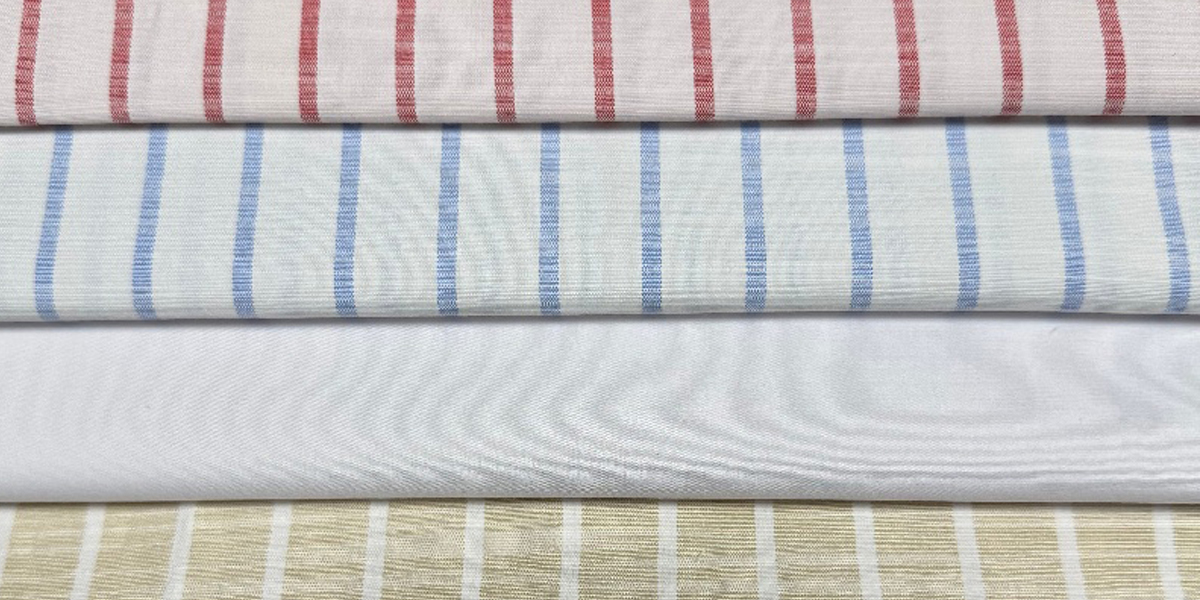
In the fashion hierarchy, the shirt is the most intimate layer of the formal silhouette. It sits directly against the skin, requiring a delicate balance of softness, breathability, and structural crispness. However, for a procurement manager or a brand owner, the shirting category is a technical “minefield.” A shirt that fits perfectly on the mannequin but shrinks by two sizes after the first wash is a customer service disaster. Similarly, a batch of crisp white shirts that turns “ivory” after three months in a warehouse can result in massive financial write-offs.
At Yunai Textile, we believe that professional shirting manufacturing is about predictable outcomes. We don’t just sell you a roll of poplin or twill; we provide a technical roadmap to ensure that your finished product meets the high expectations of the modern consumer.
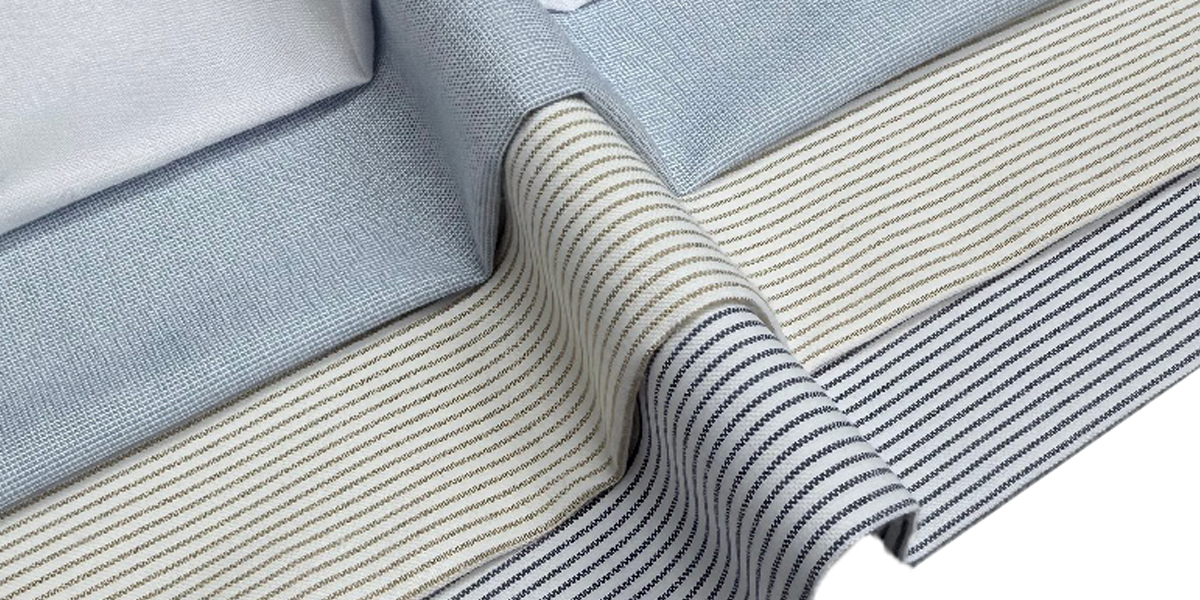
1. The Shrinkage Threshold: Solving the “Sizing Shift”
The most common friction point between a fabric supplier and a garment factory is the Residual Shrinkage Rate. Most international standards allow for a 3% shrinkage in woven fabrics. However, in a tailored shirt, a 3% shrinkage in the collar or sleeve length can mean a difference of nearly an inch—enough to change the garment’s size entirely.
The Technical Reality: During the weaving and high-speed finishing processes, yarns are under immense tension. If the fabric is not properly “relaxed” or “Sanforized” (pre-shrunk) before it leaves our mill, the fibers will naturally contract the moment they hit warm water in a consumer’s washing machine.
Our Altruistic Solution:
-
The Pre-Warning: We provide a “Dimensional Stability Report” for every batch. If a client’s pattern-making team doesn’t account for a specific blend’s shrinkage (e.g., a Cotton-Rayon blend), we proactively flag this before they start cutting.
-
The Mitigation: We implement a Double-Pass Sanforizing process. While the industry standard is <3%, we target a residual shrinkage rate of <2% for our premium TR and CVC shirting lines. This allows designers to follow their size charts with 100% confidence.
2. The “Storage Yellowing” Risk: Protecting the White Shirt
White is the most important “color” in any shirting collection. Yet, many brands have faced the “Yellowing Crisis”—where pristine white shirts develop yellow tinges or spots while sitting in their original plastic packaging in a warehouse.
The Technical Reality: This is often caused by Phenolic Yellowing. It is a chemical reaction between the atmospheric nitrogen oxides and the antioxidants (BHT) found in plastic packaging or certain fabric softeners. Some low-cost mills use cheap whitening agents that are highly sensitive to these gases.
Our Altruistic Solution:
-
The Pre-Warning: We test our white fabrics using the Courtaulds Method for phenolic yellowing. If a client intends to store goods in a high-humidity or poorly ventilated warehouse, we provide an early warning about chemical sensitivity.
-
The Mitigation: We apply a specialized Anti-Oxidant Finish and use high-stability Optical Brightening Agents (OBAs). We also advise our clients on BHT-free packaging materials to ensure their white shirts remain “Snow White” from the factory to the retail floor.
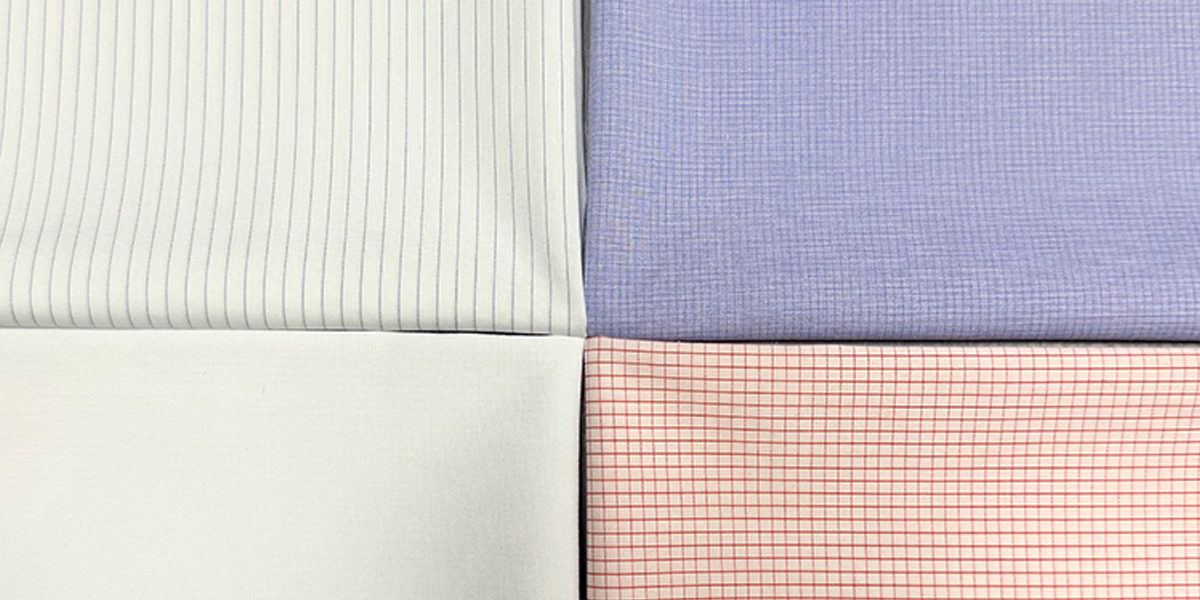
3. Balancing Skin-Feel with “Easy-Care” Functionality
The modern professional wants a shirt that is “Non-Iron” or “Easy-Care,” but they don’t want to wear a fabric that feels like plastic.
The Technical Reality: To achieve high wrinkle resistance, fabrics are often treated with liquid ammonia or resins. If the concentration is too high, the fabric becomes brittle, loses its moisture-wicking ability, and can even cause skin irritation. Conversely, if it’s too low, the shirt looks like a “crinkled mess” after an hour of wear.
Our Altruistic Solution:
-
The Pre-Warning: We explain the trade-off between the “Smoothness Rating” and “Fabric Breathability.” We warn clients that an extremely stiff non-iron finish might not be suitable for tropical climates or sensitive skin lines.
-
The Mitigation: We offer a “Liquid Ammonia + Silk Finish” combination. This provides a high DP (Durable Press) rating of 3.0-3.5 while maintaining the soft, silky hand-feel of high-quality rayon and cotton. We provide air-permeability test results to prove the fabric still “breathes.”
4. The Seam Puckering Problem: Thread and Needle Compatibility
Even the best shirting fabric can look “cheap” if the seams ripple or pucker after sewing.
The Technical Reality: Puckering often happens because the needle tension is too high or the sewing thread has a different shrinkage rate than the fabric. This is especially prevalent in high-density poplins.
Our Altruistic Solution:
-
The Pre-Warning: Along with the fabric, we provide a “Sewing Technical Sheet.” * The Mitigation: We recommend the specific needle size (e.g., No. 9 or 11) and the optimal thread type (e.g., Core-spun polyester) for our specific fabric density. By giving your garment factory this “instruction manual,” we eliminate the trial-and-error phase and ensure a smooth, high-end finish on every seam.
Conclusion: Excellence is in the Details
In the competitive world of shirting, the difference between a “one-time purchase” and a “loyal customer” is the consistency of the product. By identifying shrinkage risks, preventing yellowing, and optimizing the sewing process, Yunai Textile acts as your technical guardian. We believe that our role is to ensure that your brand’s promise of “Quality and Fit” is kept, wash after wash. When you succeed in the market, our partnership thrives.
Post time: Apr-08-2026