
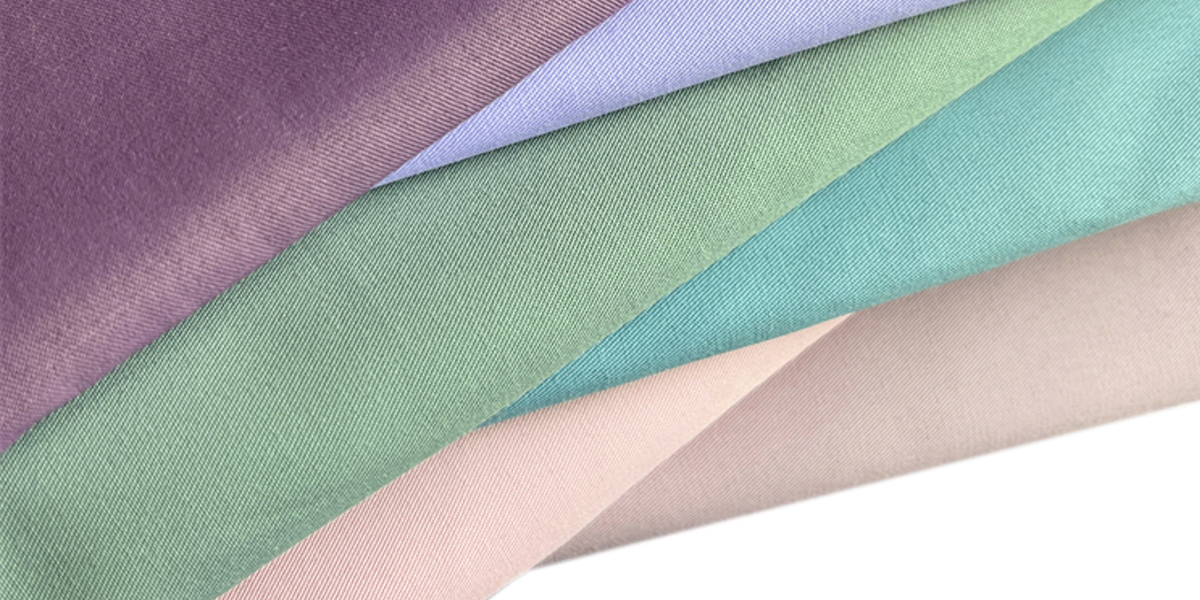
The white shirt is more than just a garment. In the world of uniforms, corporate wear, hospitality apparel, and retail fashion, it is the visual anchor of professionalism. A well-made shirt communicates order, credibility, and brand identity. A poorly made one, however, creates endless complaints—too sheer under bright lights, too stiff to wear comfortably, or too demanding to maintain.
For wholesalers and brands, shirts often become a category filled with hidden technical challenges. The “shirt headache” is real: buyers demand comfort like cotton, durability like polyester, elegance like luxury shirting, and convenience like performance wear—all at a competitive price point.
The solution lies in understanding fiber composition, weave structure, yarn count, and finishing technology. Among all available options, CVC fabric combined with wrinkle-resistant finishing remains one of the most commercially successful formulas in the global uniform and corporate wear market.
Why CVC Is the Industry Favorite
CVC stands for Chief Value Cotton, meaning cotton is the dominant fiber in the blend—typically around 60% cotton and 40% polyester, though ratios can vary slightly. This is different from TC (Tetron Cotton), where polyester is the dominant component.
The reason CVC dominates the mid-to-premium uniform segment is simple: it delivers balance.
1. Comfort Meets Structure
Cotton is naturally breathable, moisture-absorbent, and soft against the skin. Employees wearing shirts for 8–10 hours a day value that comfort. Pure cotton, however, wrinkles easily, shrinks after washing, and may lose shape over time.
Polyester, on the other hand, is dimensionally stable, wrinkle-resistant, and durable—but can feel synthetic and less breathable if overused.
CVC blends combine the best of both:
-
The cotton provides natural hand-feel and comfort.
-
The polyester acts as an internal support system, maintaining structure and reducing creasing.
Think of polyester as the hidden skeleton inside a cotton shirt—it strengthens the fabric without dominating its personality.
2. Premium Positioning vs. TC
Compared to TC fabrics, CVC typically has a softer touch and a more refined drape. Because cotton content exceeds 50%, the fabric feels more natural and less glossy.
For executive uniforms, banking staff, hospitality managers, or retail sales associates, this difference matters. A shirt that feels premium increases perceived brand value. When customers compare CVC and TC side by side, the tactile advantage of CVC is immediately noticeable.
For wholesalers, this creates a clear product ladder:
-
TC for cost-sensitive bulk programs
-
CVC for mid-range to premium corporate uniforms
-
100% cotton for niche high-end retail
CVC often becomes the “sweet spot” in terms of price-performance ratio.
Fabric Weight and Structure: The Foundation of Quality
Fiber blend is only part of the equation. The structure of the fabric determines how it performs in real-world use.
GSM and Density
Shirting fabrics typically range from 110 to 160 GSM. A fabric that is too light may feel elegant but risks transparency—especially in white. A fabric that is too heavy may feel rigid and hot.
The solution lies in optimizing weaving density rather than simply increasing weight. Higher thread density improves opacity without making the shirt bulky. A well-engineered CVC poplin at 125–135 GSM can outperform a loosely woven 150 GSM fabric in both comfort and coverage.
This is where professional manufacturers differentiate themselves: not by adding weight, but by refining construction.
Solving the “Transparency” Issue
One of the most common complaints about white shirts is sheerness. Under office lighting or sunlight, a transparent shirt damages professionalism and forces employees to wear extra inner layers.
To address this, buyers must understand yarn count and weave selection.
Yarn Count Explained
Yarn count numbers like 40s, 50s, 60s, or 80s refer to the fineness of the yarn:
-
Lower numbers (40s) = thicker yarn, stronger structure.
-
Higher numbers (80s) = finer yarn, smoother and more luxurious feel.
Higher yarn counts produce smoother, more elegant surfaces but can reduce opacity if not woven correctly. Therefore, the solution is not simply “choose higher count,” but rather balance yarn fineness with density.
For corporate programs, 40s or 50s CVC yarns often provide the best balance of durability, coverage, and comfort.
Choosing the Right Weave
Weave structure defines visual identity and performance.
-
Poplin: Crisp, smooth, formal. Ideal for boardrooms and executive uniforms.
-
Oxford: Slightly textured, thicker feel. Suitable for business-casual environments.
-
Twill: Subtle diagonal lines, improved drape and wrinkle resistance.
-
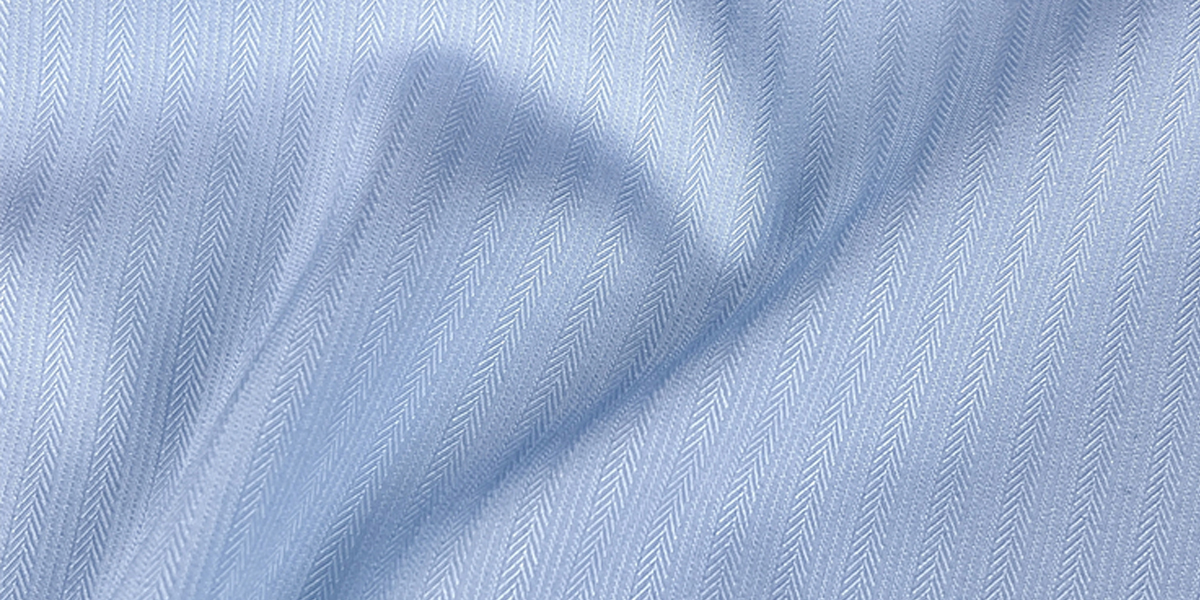
Herringbone or dobby: Adds refined texture for premium collections.
By selecting different weaves, brands can shape their identity—from conservative financial institutions to modern retail brands.
The Truth About “Non-Iron” Technology
One of the most misunderstood terms in shirting is “non-iron.” It does not mean the shirt will never wrinkle. Instead, it refers to how smooth the fabric remains after washing and tumble drying.
What Really Happens in Finishing
Wrinkle-resistant performance is achieved through specialized finishing processes that stabilize fiber structure. These treatments help cotton fibers “remember” their original position after laundering.
When properly applied:
-
The shirt maintains a smooth appearance after washing.
-
Light wrinkles fall out naturally during wear.
-
Ironing time is significantly reduced.
For corporate clients managing hundreds or thousands of uniforms, this is a major cost-saving advantage. Employees spend less time pressing shirts. Laundry expenses decrease. Presentation remains consistent throughout the workday.
In hospitality, aviation, healthcare administration, and banking sectors, this benefit directly translates into operational efficiency.
Durability and Wash Cycles
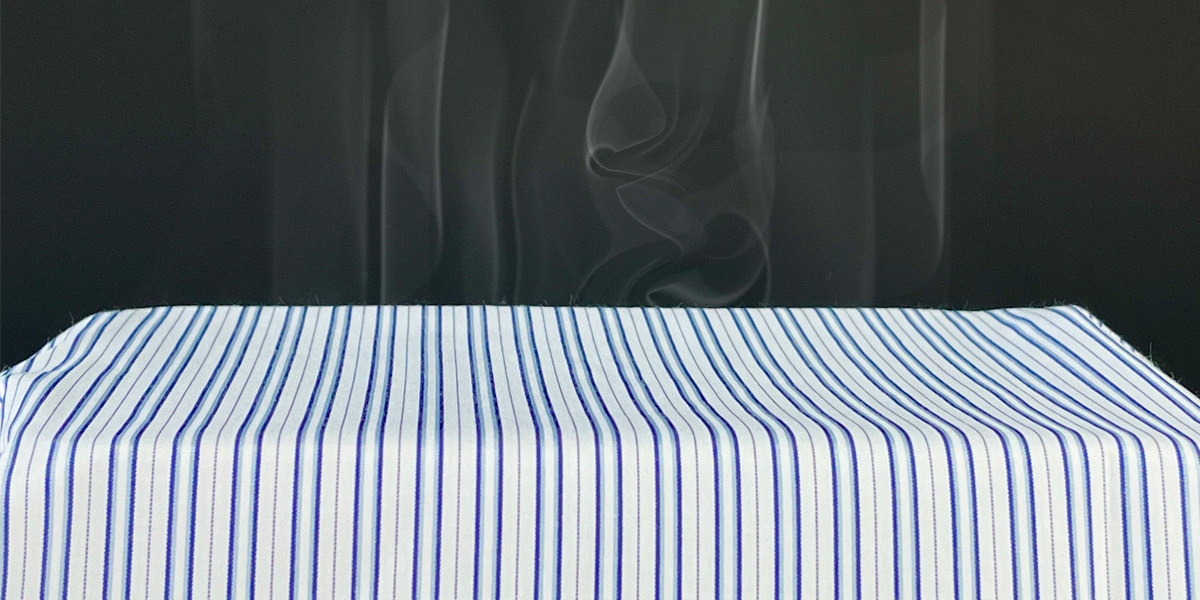
Uniform shirts undergo repeated industrial washing. Fabric performance must be evaluated not just on day one, but after 30, 50, or 100 wash cycles.
CVC excels here because polyester enhances:
-
Tensile strength
-
Shape retention
-
Color stability
-
Resistance to abrasion
Pure cotton may feel luxurious initially but can lose crispness after repeated laundering. CVC maintains balance between softness and structural integrity.
For wholesalers supplying large-scale uniform programs, lifecycle cost matters more than initial price. A shirt that lasts longer reduces reorder frequency and improves client satisfaction.
Color Fastness and Professional Image
White shirts must remain white. Colored corporate shirts must resist fading. Reactive dyeing techniques and proper heat-setting processes ensure high color fastness ratings.
Polyester content also improves resistance to color fading, especially under sunlight exposure. This is particularly important in outdoor service sectors such as security teams, transportation staff, and hospitality workers.
Consistency across production batches is equally important. Large corporate orders require uniformity in shade and texture. Professional fabric mills control dyeing and finishing processes carefully to avoid shade variation between lots.
Moisture Management and All-Day Comfort
Modern workplaces demand more than appearance. Employees move, commute, and work under varying temperatures.
Cotton absorbs moisture naturally but can retain it. Polyester, meanwhile, dries quickly. In a CVC blend, moisture absorption and evaporation work together:
-
Cotton absorbs perspiration.
-
Polyester accelerates drying.
The result is a shirt that feels breathable without remaining damp for long periods.
For companies operating in tropical climates or warm office environments, this balance is critical.
Sustainability Considerations
As sustainability becomes central to global sourcing decisions, blended fabrics are being re-evaluated.
CVC fabrics today can incorporate:
-
Responsibly sourced cotton
-
Recycled polyester
-
Low-impact dyeing processes
While 100% natural fibers may appeal emotionally, blended fabrics often offer better durability, meaning fewer replacements and less long-term waste. Longevity is an important component of sustainable design.
Brands increasingly evaluate total lifecycle impact rather than fiber type alone.
Positioning CVC for Different Market Segments
Understanding your customer segment determines how you present CVC fabrics.
Corporate Uniforms
Emphasize:
-
Wrinkle resistance
-
Easy care
-
Consistent professional appearance
-
Cost efficiency over time
Retail Brands
Emphasize:
-
Soft hand-feel
-
Premium cotton touch
-
Versatility of weave options
-
Modern finishing technologies
Hospitality and Service Industry
Emphasize:
-
Durability under industrial washing
-
Opacity and coverage
-
Shape retention
-
Quick drying performance
By aligning fabric benefits with end-user needs, wholesalers can move beyond price competition and instead sell value.
Educating Buyers: Turning Technical Knowledge into Sales Power
Many shirt buyers focus only on price per meter. However, true professionals evaluate:
-
Cotton-to-polyester ratio
-
Yarn count
-
Weave construction
-
GSM and density
-
Finishing technology
-
Wash durability
When wholesalers understand these technical elements, they can guide clients toward better decisions. Education builds trust. Trust builds long-term partnerships.
Rather than selling “just a white shirt fabric,” suppliers can present a structured solution:
-
Choose your blend (CVC for balance).
-
Select your weave (poplin for formal, Oxford for casual).
-
Optimize yarn count for opacity.
-
Add wrinkle-resistant finishing for performance.
-
Control production consistency.
This systematic approach differentiates professional suppliers from commodity traders.
Conclusion: Engineering the Perfect Shirt
The perfect shirt is not accidental. It is engineered through careful fiber selection, structural design, and finishing technology.
CVC remains the industry favorite because it delivers the balance modern brands require: comfort, structure, durability, and easy care. When combined with advanced wrinkle-resistant finishing and thoughtful weave selection, it solves the most common complaints—sheerness, stiffness, and maintenance difficulty.
For wholesalers and corporate uniform suppliers, mastering CVC and non-iron technology is not just about fabric knowledge. It is about understanding how textile science translates into everyday confidence for the wearer.
In the competitive world of uniform and corporate apparel, the brands that understand this balance are the ones that consistently deliver shirts that look sharp in the morning—and still look sharp at the end of the day.
Post time: Feb-26-2026