
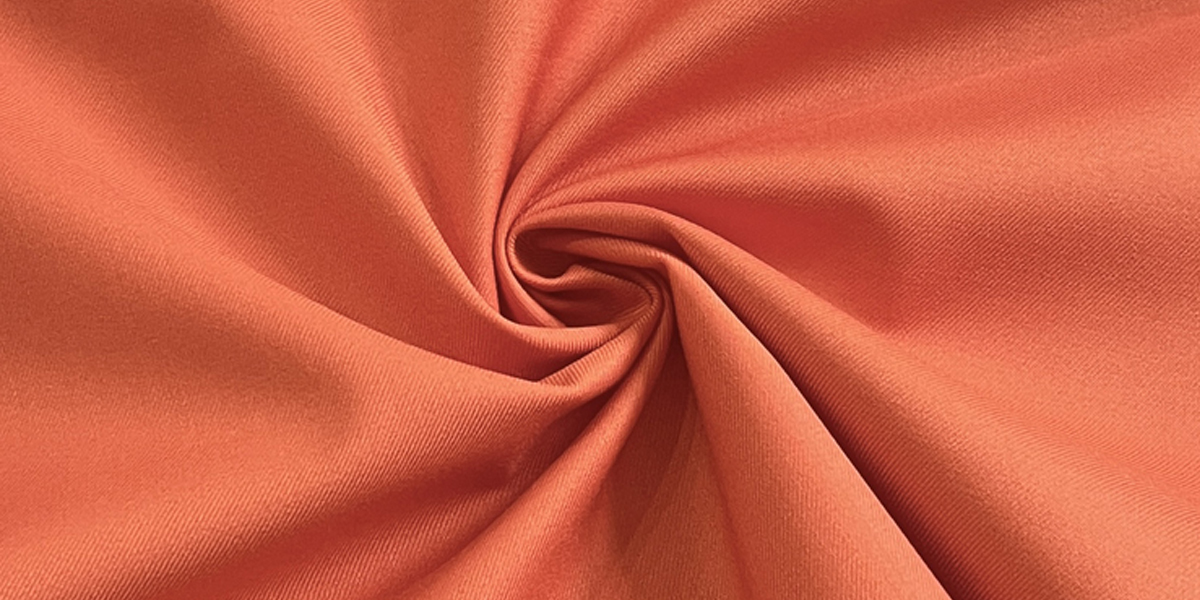
I define ‘easy care fabric’ beyond marketing. It signifies textiles engineered for practical performance. Consumers often face damaged clothing or stubborn stains. Understanding real easy care fabric properties helps you select garments that simplify your wardrobe. Consider a wrinkle resistant TR blended suit fabric or a uniform easy care fabric. An Easy care suit polyester rayon blended fabric offers long lasting easy care uniform fabric benefits, including woven easy care TR spandex fabric qualities.
Key Takeaways
- Easy care fabrics are special clothes. They need less work to keep clean. They fight wrinkles, stains, and fading.
- These fabrics save you time. You do not need to iron them often. They also dry fast.
- Easy care fabrics are strong. They last longer than regular clothes. They keep their shape and color after many washes.
What “Easy Care Fabric” Truly Means
Defining the Core Characteristics of Easy Care Fabric
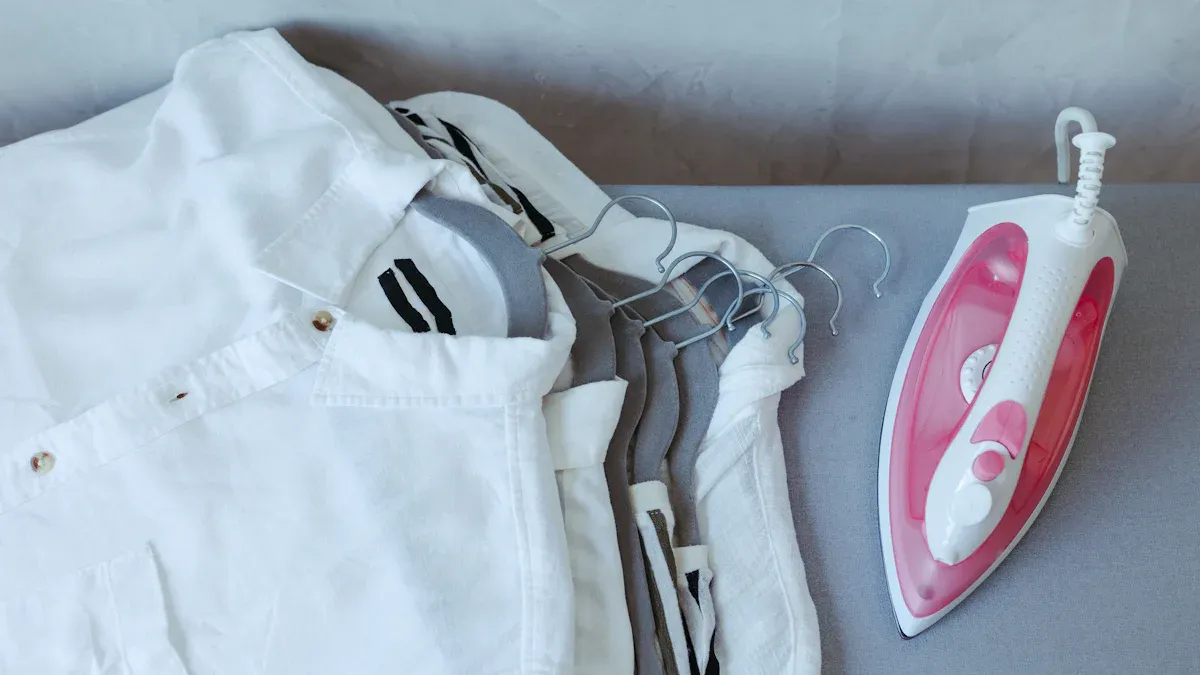
When I talk about “easy care fabric,” I am referring to textiles specifically engineered to minimize the effort required for their upkeep. These fabrics possess inherent properties or receive special treatments that make them resistant to common garment issues. At its core, an easy care fabric is designed for convenience and durability.
Manufacturers achieve these properties through various advanced treatments and finishes. For instance, durable press fabric finishes are a cornerstone. These finishes use chemical resins to crosslink fibers, which helps the fabric retain its shape and smooth appearance even after washing. This process significantly reduces wrinkling and the need for ironing, making them ideal for business attire and uniforms. I also see water repellent fabric finishes applied, which involve hydrophobic substances that cause water to bead up and roll off the fabric surface. This is crucial for outdoor gear like raincoats, keeping the wearer dry. Beyond these, performance fabric finishes enhance functional properties such as antimicrobial treatments, UV protection, and stain resistance. Antimicrobial finishes prevent odors, UV protection guards against sun damage, and stain resistance simplifies cleaning. These are vital for textiles in healthcare, sports apparel, and outdoor gear.
The development of wrinkle-free or easy-care treatments for cellulosic fabrics, like cotton, has seen significant advancements. This involves complex cross-linking reactions, utilizing both formaldehyde-based and formaldehyde-free compounds. Recent innovations in nanotechnology and multifunctional finishing further enhance these properties, making fabrics not just easy to care for but also more versatile.
How Easy Care Fabric Simplifies Maintenance
The primary benefit of an easy care fabric is how it simplifies garment maintenance, saving me considerable time and effort. These fabrics are designed for hassle-free care, resisting wrinkles, stains, and fading. I find they significantly cut down on laundry and garment care time, often requiring minimal to no ironing.
For example, the ability of these textiles to shed wrinkles after washing and drying is a key feature. We test this through wash performance testing, which verifies claims related to wrinkle resistance, such as wrinkle recovery and crease resistance after home laundering. This means I can pull a shirt from the dryer, and it looks presentable without needing an iron.
Beyond wrinkle resistance, many easy care fabrics offer stain resistance. Modern finishes help garments stay fresh throughout a long workday, reducing the need for immediate spot treatment or intensive washing. This low maintenance aspect means these fabrics withstand repeated washing without losing their fit or color, extending the life of my garments.
Another crucial aspect is quick-drying properties. Test methods for moisture-absorbing and quick-drying textiles, like the AATCC 201-2013 Heated Plate Method, measure how quickly a fabric dries. This test simulates human body temperature and sweating, determining the fabric’s evaporation rate. For a product to be considered moisture-absorbing and quick-drying, it must meet specific index standards both before and after washing. This feature is incredibly convenient, especially for travel or active wear, as garments dry faster, reducing downtime. Ultimately, easy care fabrics deliver a sharp, professional look with minimal upkeep, eliminating hours of ironing or constant dry cleaning.
Differentiating Easy Care Fabric from Similar Claims
Easy Care Fabric vs. Wrinkle-Free and Iron-Free
I often hear people use terms like “easy care,” “wrinkle-free,” and “iron-free” interchangeably. However, I know these terms have distinct meanings in the textile industry. Understanding these differences helps me make better purchasing decisions.
Easy care: A broad umbrella, including stain release and quick dry, but wrinkle control is not guaranteed.
I see ‘easy care’ as a broad category. It can include many benefits like stain release and quick drying. However, wrinkle control is not always guaranteed under this term. ‘Wrinkle-resistant’ implies fewer creases, and a light touch-up might still be helpful. ‘Wrinkle-free’ or ‘non-iron’ refers to fabrics treated to emerge nearly flat from the dryer. These often involve resin-finished cotton.
Manufacturers achieve these specific wrinkle-resistant properties through chemical treatments. Cross-linking is the primary chemical process for producing wrinkle-resistant textiles. It involves crosslinking cellulose chains. This prevents molecular movement when the fabric is exposed to water or environmental stress. Cotton cellulose has crystalline, amorphous, and intermediate regions. Crosslinking targets the amorphous and intermediate regions where bonds are weaker.
Chemicals called crosslinkers bond cellulose chains. Some only bond cellulose chains, while others also self-polymerize resins. N-methylol groups like dimethylol ethylene urea (DMEU) and dimethylol dihydroxyethylene urea (DMDHEU) are common. They are frequently used because they are low cost. However, these compounds can produce free formaldehyde. This is a potential carcinogen and dermatological irritant. Alternatives like titanium dioxide (TiO2) can be used as a catalyst or co-catalyst. This minimizes formaldehyde formation and fabric strength loss. The DMDHEU process applies to fabric. Then, it is heated to react with cellulose molecules. This bonds them to prevent movement and wrinkles. The result is durable-press treated garments. They behave similarly to synthetics.
Wrinkle-resistant finishes are a type of easy care finish. Synthetic polymers are incorporated into the fabric structure. This creates a flexible bond. It helps the fabric retain its shape and resist creasing after wear and washing. These cross-links act as ‘invisible scaffolding’. They help fabric maintain shape and resist creases by strengthening the fiber structure. These treatments can reduce fabric softness or affect breathability. Modern formulations balance performance and comfort. Resin applications are chemical substances. They coat fiber surfaces to create a wrinkle-resistant shield. Resin-treated fabrics retain wrinkle resistance through multiple wash cycles. The effect can diminish over time. Modern treatments include formaldehyde-free resins. These address health concerns while maintaining wrinkle resistance.
Easy Care Fabric vs. Wash and Wear
When I consider “wash and wear” garments, I think about ultimate convenience. These fabrics are specifically designed to require minimal effort after washing. They offer a distinct set of properties that make them ideal for busy lifestyles.
- Wrinkle Resistance: Wash-and-wear fabrics resist creases and wrinkles. This means I can often skip the ironing step after washing. This feature is particularly beneficial for travelers or professionals. They need to maintain a polished appearance with minimal effort.
- Durability: These fabrics often use synthetic fibers or blends with natural fibers. This enhances their durability. They withstand frequent washing and wearing. This makes them a long-lasting investment for my wardrobe.
- Stain Resistance: Many wash-and-wear fabrics have built-in stain-resistant properties. These help repel spills and stains. This quality helps keep clothes looking fresh and clean with less frequent washing.
- Color Retention: Wash-and-wear fabrics hold their color over time. They resist fading. My clothes look vibrant even after multiple washes.
I find wash and wear fabrics offer significant advantages over traditional garments.
| Property | Wash and Wear | Traditional |
|---|---|---|
| Durability (Scale 1-10) | 8 | 6 |
| Ease of Care (Scale 1-10) | 9 | 5 |
| Breathability (Scale 1-10) | 7 | 8 |
| Wrinkle Resistance (Scale 1-10) | 9 | 4 |
| Drying Time (Hours) | 2 | 6 |
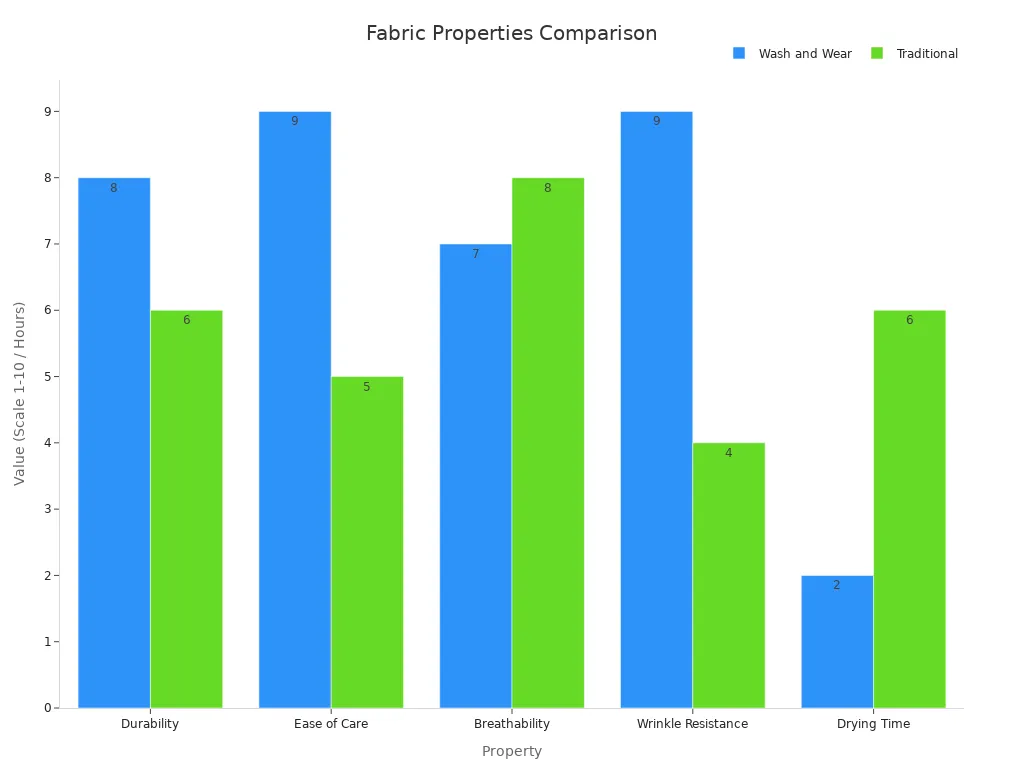
Wash and wear fabrics are wrinkle-resistant. These fabrics resist creasing. This makes them ideal for travel or busy lifestyles. They are also quick-drying. Wash and wear fabrics dry faster than traditional materials. This saves time and energy. They are durable. They tend to maintain their shape and color even after multiple washes. Finally, they are low maintenance. Minimal ironing is required, if any at all. This makes them a truly convenient choice.
Practical Benefits and Limitations of Easy Care Fabric
The Everyday Convenience and Appearance of Easy Care Fabric
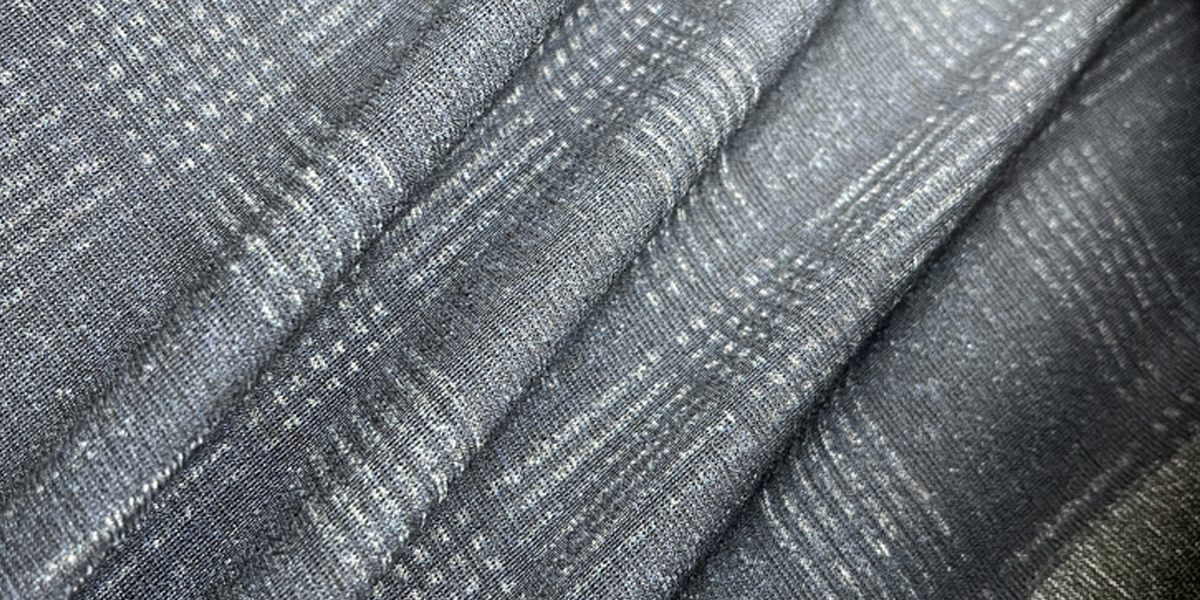
I find easy care fabrics offer significant daily convenience. They simplify my routine. I appreciate their machine washability; it ensures cleanliness without specialized methods. These fabrics also dry quickly, which is practical for fast laundry turnarounds. I often notice their wrinkle resistance. Garments maintain a crisp appearance without heavy ironing. This contributes to low-maintenance care. They also control shrinkage during washing and drying. This helps garments retain their shape. Advanced dyeing techniques help fabrics maintain vibrant colors over time. This resistance to color fading keeps my clothes looking new.
Durability and Longevity of Easy Care Fabric
I also see great durability and longevity in easy care fabrics. High-quality performance fabrics can significantly extend a garment’s lifespan. They often double or triple the life compared to traditional fabrics. Polyester rayon (TR) fabrics, for example, show exceptional strength and color fastness. They resist fading. This helps them maintain pristine condition with minimal maintenance. Specialized chemical treatments, like formaldehyde-free non-iron finishing resins, enhance this durability. These treatments allow textiles to withstand repeated wear and washing cycles. They impart wrinkle resistance and hydrolytic stability. This ensures fabrics maintain their aesthetic appeal and functional properties over time. Tightly woven fabrics also last longer. They maintain their structure better than loosely woven ones. Protective treatments further enhance resistance to stains and spills.
What Easy Care Fabric Doesn’t Guarantee
While easy care fabric offers many benefits, I recognize it does not guarantee everything. It might not always provide the same natural feel as untreated fibers. Some treatments can alter breathability or softness. Also, “easy care” does not mean “no care.” I still need to follow care instructions. Extreme conditions or harsh chemicals can still damage these fabrics. They simplify maintenance, but they do not eliminate it entirely.
I now make informed choices for my wardrobe.
- I select garments based on their true properties.
- I maximize benefits by following care instructions.
- This understanding saves me time and money. It also extends the life of my clothes.
I value this practical insight.
FAQ
What is the main benefit of easy care fabric?
I find easy care fabric primarily saves me time and effort. It minimizes maintenance, reducing the need for ironing and frequent specialized cleaning.
Can I skip ironing completely with easy care fabrics?
I often find I can skip ironing. Many easy care fabrics are wrinkle-resistant or wrinkle-free. They emerge smooth from the dryer, ready to wear.
Do easy care fabrics last as long as traditional fabrics?
Yes, I observe that high-quality easy care fabrics often last longer. Their treatments enhance durability, helping them withstand repeated washing and wear cycles.
Post time: Jan-19-2026