
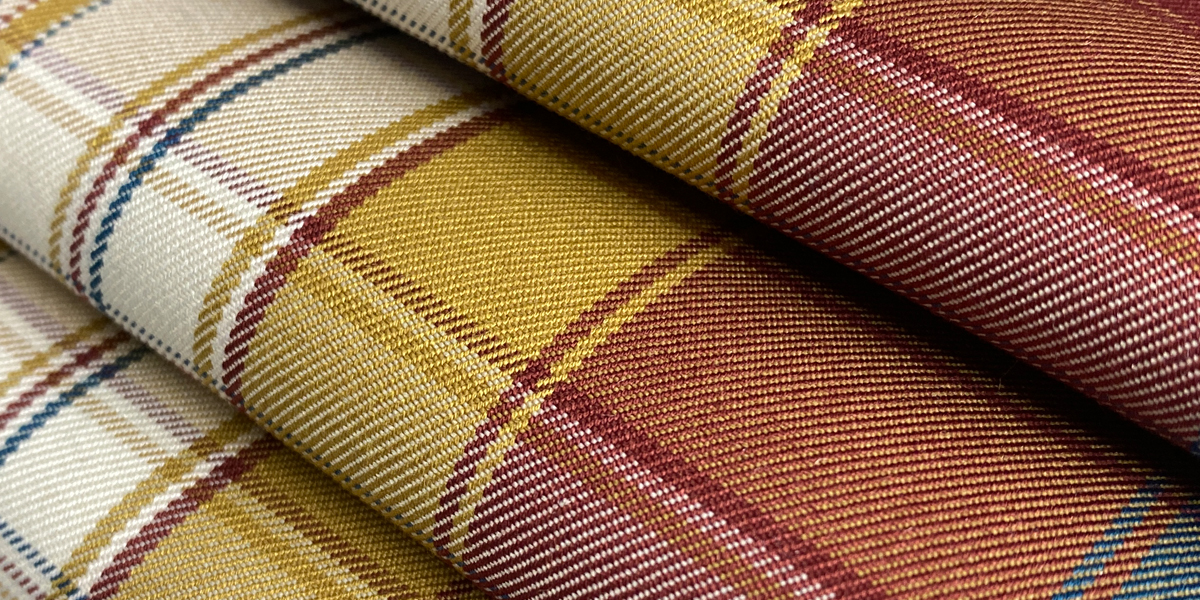
Durable school uniform fabric plays a crucial role in enhancing daily life for both students and parents. Designed to endure the rigors of active school days, it minimizes the need for frequent replacements, offering a practical and reliable solution. The right choice of material, such as polyester viscose school uniform fabric, ensures a perfect blend of comfort and resilience. Options like polyester rayon blended school uniform fabric and poly viscose blended school uniform fabric provide flexibility and ease of movement, allowing students to stay focused and confident throughout the day. For those seeking premium quality, TR school uniform fabric stands out as an excellent choice, combining durability with a polished appearance.
Key Takeaways
- Pick strong fabrics like polyester-viscose blends. This helps uniforms last longer and saves money.
- Go for materials that resist stains and wrinkles. This keeps uniforms neat and tidy all day.
- Buy comfy uniforms to help students stay focused and feel good. This can improve how well they do in school.
Why Durable School Uniform Fabric Matters
The challenges of daily school life on uniforms
Every school day presents unique challenges for uniforms. Students engage in a variety of activities, from sitting in classrooms to running on playgrounds. These activities expose uniforms to wear and tear, stains, and even accidental damage. I’ve seen how fabrics that lack durability quickly show signs of distress, such as fraying or fading. This not only affects the uniform’s appearance but also its functionality.
Durable school uniform fabric, like polyester-viscose blends, is designed to withstand these challenges. Its tear-resistant properties ensure that uniforms last longer, even with daily use. Anti-wrinkle traits reduce the need for constant ironing, keeping uniforms looking fresh. Abrasion-proof characteristics further enhance their ability to endure the rigors of active school life. These qualities make durable fabrics a practical choice for students who need reliable clothing throughout their busy days.
Maintaining a polished appearance throughout the day
A polished appearance boosts students’ confidence and helps them feel prepared for the day ahead. However, maintaining this look can be difficult without the right fabric. I’ve noticed that some materials wrinkle easily, lose their shape, or fade after a few washes. This can leave students looking untidy, even if their uniforms are clean.
Durable fabrics address these issues effectively. For example, polyester’s resistance to wrinkling ensures that uniforms remain crisp and neat. Stain-resistant properties keep them looking clean, even after lunch breaks or art classes. Additionally, color retention prevents fading, so uniforms maintain their vibrant hues over time. Shape retention ensures that garments hold their structure, avoiding sagging or distortion. Here’s a quick overview of how these properties contribute to a polished appearance:
| Property | Benefit for Uniform Appearance |
|---|---|
| Wrinkle Resistance | Keeps uniforms looking crisp throughout the day |
| Stain Resistance | Maintains a clean look despite daily activities |
| Color Retention | Ensures vibrant colors remain bright and consistent |
| Shape Retention | Prevents sagging or distortion after washing |
These features make durable school uniform fabric an excellent choice for maintaining a professional and tidy look throughout the school day.
Reducing the need for frequent replacements
Frequent uniform replacements can strain family budgets and create unnecessary waste. I’ve observed that low-quality fabrics often wear out quickly, leading to repeated purchases. This not only increases costs but also contributes to environmental concerns.
Durable fabrics, such as woven polyester blends, offer a solution. Their high tensile strength, achieved through advanced weaving techniques, enhances their longevity. Manufacturers have optimized weave structures like plain and twill to improve durability. As a result, these fabrics require fewer replacements, saving families money in the long run. Additionally, the growing demand for sustainable materials in school uniform manufacturing reflects a shift toward eco-friendly practices. Blended fabrics, which combine natural and synthetic fibers, are becoming increasingly popular for their balance of comfort, durability, and affordability.
By choosing durable school uniform fabric, families can enjoy long-term savings while contributing to a more sustainable future.
Benefits of Durable School Uniform Fabric
Cost-effectiveness: Long-term savings for families
Investing in durable school uniform fabric offers significant financial benefits for families. I’ve observed that while the initial cost of high-quality uniforms may seem higher, the long-term savings are undeniable. Here’s why:
- Durable fabrics reduce the need for frequent replacements, saving families from recurring expenses.
- A study by the Global Workwear Industry highlights that employees save up to 30% annually on clothing expenses when durable uniforms are implemented. This principle applies equally to school uniforms, where longevity translates to fewer purchases over time.
By choosing durable materials, families can allocate their budgets more effectively, avoiding the cycle of constant replacements. This approach not only saves money but also reduces the stress of last-minute uniform shopping.
Comfort: Supporting students’ focus and well-being
Comfort plays a crucial role in a student’s ability to focus and perform well in school. I’ve noticed that uncomfortable uniforms can distract students, pulling their attention away from learning. Durable fabrics, designed with comfort in mind, address this issue effectively.
- Comfortable school uniforms minimize discomfort, allowing students to concentrate better in class.
- Ergonomic fabrics, often used in durable uniforms, improve posture and reduce physical strain. This contributes to better overall well-being.
- Schools that adopted ergonomic uniforms reported fewer complaints about discomfort. Students felt more confident and experienced reduced stress levels.
When students feel at ease in their uniforms, they can focus on what truly matters—learning and personal growth.
Sustainability: Minimizing waste and environmental impact
Durable school uniform fabric also supports sustainability by reducing waste and promoting eco-friendly practices. I’ve seen how disposable textiles contribute to environmental challenges, while reusable fabrics offer a more sustainable solution. The following table highlights the comparative benefits:
| Aspect | Reusable Textiles | Disposable Textiles |
|---|---|---|
| Initial Investment | Higher initial cost | Lower initial cost |
| Long-Term Savings | Significant savings over time | Frequent repurchases needed |
| Maintenance Costs | Costs for laundering and sterilization | No maintenance costs |
| Waste Management Costs | Lower waste management expenses | Ongoing disposal costs |
| Impact of Volume and Usage | More economical in high-usage environments | Less economical in high-usage environments |
| Long-Term Financial Planning | Requires strategic financial planning | Immediate budget focus |
By choosing durable fabrics, families and schools can reduce their environmental footprint. This choice aligns with the growing demand for sustainable practices in the textile industry, ensuring a better future for the planet.
What Makes a Fabric Durable?
Material composition: The strength of polyester-viscose blends
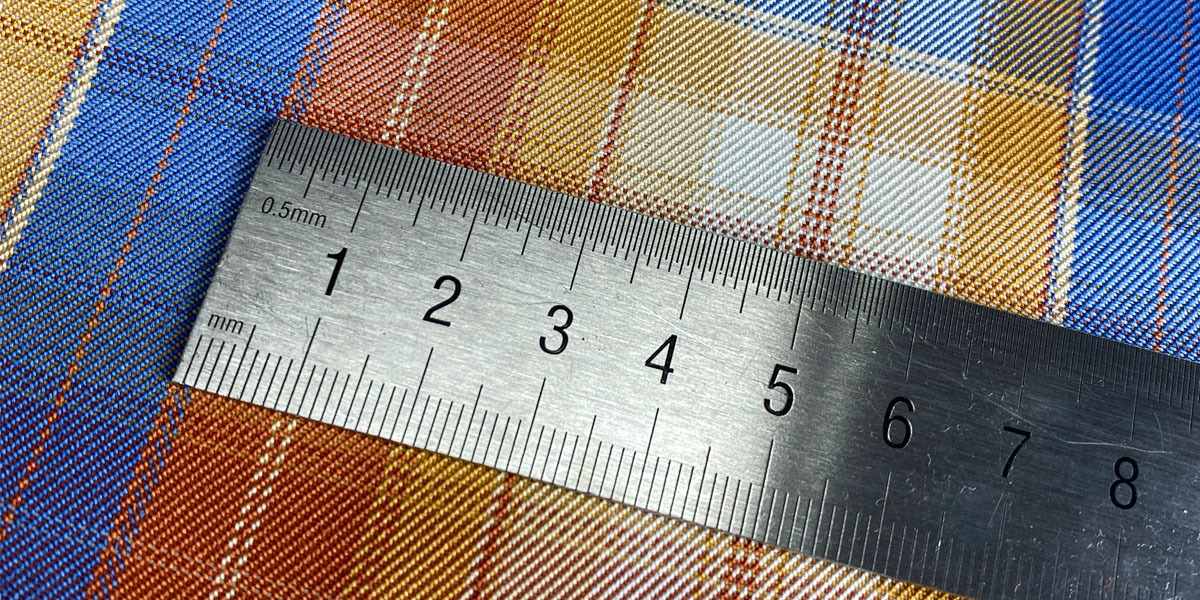
The material composition of a fabric plays a critical role in its durability. I’ve found that polyester-viscose blends are particularly effective for school uniform fabric. This blend, typically composed of 65% polyester and 35% viscose, combines the best qualities of both fibers. Polyester provides strength and wrinkle resistance, while viscose adds softness and breathability. Together, they create a fabric that resists daily wear and frequent washing without compromising comfort.
Here’s a comparison of fabric properties based on technical analyses:
| Fabric Brand | Strength | Elongation | Dimensional Stability | Colorfastness |
|---|---|---|---|---|
| A | Below Standard | Moderate | High | Good |
| B | Above Standard | High | Moderate | Excellent |
| C | Below Standard | Low | Low | Fair |
This table highlights how polyester-viscose blends, like those in Brand B, outperform others in strength and color retention, making them ideal for active students.
Weave and construction: Enhancing durability with advanced techniques
The way a fabric is woven significantly impacts its durability. Advanced weaving techniques, such as those using water-jet looms, ensure a tightly woven structure. I’ve seen how this precision distributes stress evenly across the fabric, preventing tears and enhancing longevity. Additionally, dual-layer lamination processes increase resistance to moisture and abrasion, making the fabric even more robust.
These techniques not only improve the fabric’s strength but also maintain its appearance over time. For school uniforms, this means fewer replacements and a polished look that lasts.
Resistance to wear: Stain resistance, colorfastness, and tear prevention
Durable fabrics must resist common challenges like stains, fading, and tearing. I’ve reviewed laboratory tests that demonstrate the effectiveness of high-quality school uniform fabric in these areas:
| Test Type | Rating | Description |
|---|---|---|
| Dry Cleaning Fastness | Grade 4-5 | Retains dye well, ensuring vibrant colors. |
| Light Fastness | Grade 3-4 | Resists discoloration from sunlight exposure. |
| Perspiration Fastness | Grade 4 | Performs well under daily wear conditions. |
These results show how advanced fabric treatments enhance durability. For example, stain-resistant finishes allow easy removal of common stains like oil or lipstick, even after extended exposure. This ensures that uniforms remain clean and presentable, no matter the challenges of a school day.
Choosing the Right School Uniform Fabric
Evaluating quality certifications and labels
When selecting school uniform fabric, I always prioritize quality certifications and labels. These certifications ensure that the fabric meets stringent standards for durability, safety, and environmental responsibility. For instance, the OEKO-TEX® Standard 100 guarantees that the fabric is free from harmful substances, making it safe for students. Similarly, the GOTS Certification ensures that organic textiles are processed sustainably, from raw fiber to the finished product. These labels not only verify the quality but also provide peace of mind for parents and schools.
Testing for comfort, flexibility, and breathability
Comfort is non-negotiable when it comes to school uniforms. I’ve found that fabrics undergo rigorous testing to ensure they meet comfort standards. Tests like the sweating guarded hot plate test and air permeability test measure thermal resistance and breathability, ensuring students stay cool and comfortable. Additionally, the Qmax test evaluates how the fabric feels against the skin, ensuring it doesn’t cause irritation. Research shows that knitted fabrics often outperform woven ones in breathability and moisture management, making them a great choice for active students.
Considering climate and activity levels for fabric selection
Climate and activity levels play a crucial role in fabric selection. For warmer climates, I recommend breathable options like cotton or cotton-polyester blends. These fabrics wick moisture effectively, keeping students dry. In colder regions, wool or polyester blends provide better insulation. For active students, performance fabrics excel due to their durability and moisture-wicking properties. By aligning fabric choice with climate and activity, schools can ensure students remain comfortable and focused throughout the day.
Why Woven Yarn Dyed Polyester Viscose Fabric Stands Out
The unique benefits of polyester-viscose blends
Polyester-viscose blends offer a remarkable combination of durability and comfort, making them ideal for school uniforms. I’ve observed that polyester provides exceptional strength and wrinkle resistance, while viscose enhances softness and breathability. This balance ensures that students remain comfortable throughout their busy school days.
Comparative studies reveal that polyester outperforms viscose in tensile strength, with a rating of 50 MPa compared to viscose’s 20 MPa. This means polyester can better resist stretching and wear. On the other hand, viscose excels in moisture absorption, offering superior water management compared to polyester, which primarily wicks moisture away. Together, these fibers create a fabric that is both resilient and adaptable to various school activities.
Customization options for schools and institutions
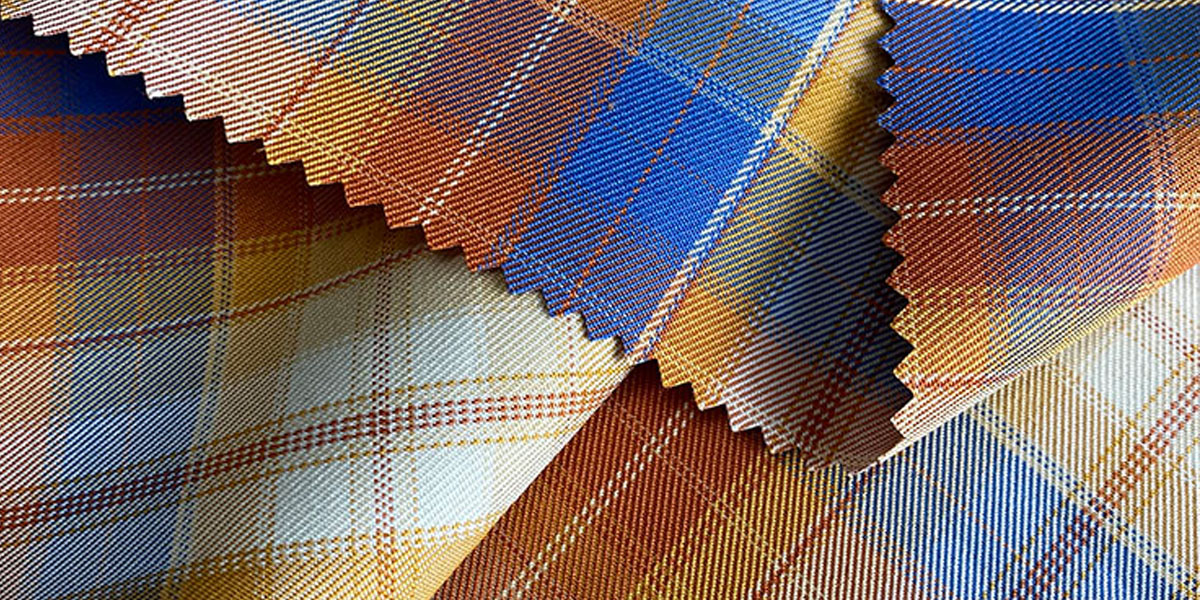
Customization plays a vital role in meeting the unique needs of schools. Iyunai Textile’s Woven Yarn Dyed Polyester Viscose Fabric offers a wide range of colors and patterns, from classic plaids to vibrant checks. Schools can select designs that align with their branding or tradition.
Additionally, the fabric’s availability in ready stock ensures quick fulfillment of orders, even during peak seasons. For institutions requiring specific designs, custom orders can be accommodated with a minimum order quantity of just 1,000 meters. This flexibility allows schools to create uniforms that reflect their identity while maintaining high-quality standards.
Ease of care and maintenance for busy parents
Parents often struggle with maintaining school uniforms, but this fabric simplifies the process. Its stain-resistant properties make it easy to clean, whether by hand or machine washing. I’ve noticed that the fabric retains its vibrant colors and shape even after multiple washes, reducing the need for frequent replacements.
The wrinkle-resistant nature of the polyester-viscose blend also eliminates the hassle of constant ironing. This feature saves time for parents and ensures students always look polished. For families juggling busy schedules, this fabric offers a practical and reliable solution.
Investing in durable school uniform fabric delivers unmatched value. Families save money through fewer replacements, while students enjoy comfort that supports focus. Sustainability also takes center stage, with over 40% of buyers prioritizing eco-friendly materials. With the school uniform market projected to grow to $25.75 billion by 2030, choosing quality fabrics ensures long-term benefits for all.
FAQ
What makes polyester-viscose blends ideal for school uniforms?
Polyester-viscose blends combine strength and softness. Polyester resists wear, while viscose ensures breathability. Together, they create durable, comfortable uniforms for active students.
How do I care for polyester-viscose school uniforms?
Wash them in cold water. Avoid bleach. Iron on low heat if needed. Their wrinkle-resistant nature simplifies maintenance for busy parents.
Can schools customize the fabric design?
Yes, schools can choose colors, patterns, and designs. Iyunai Textile offers customization options with a minimum order of 1,000 meters.
Post time: Jun-04-2025