
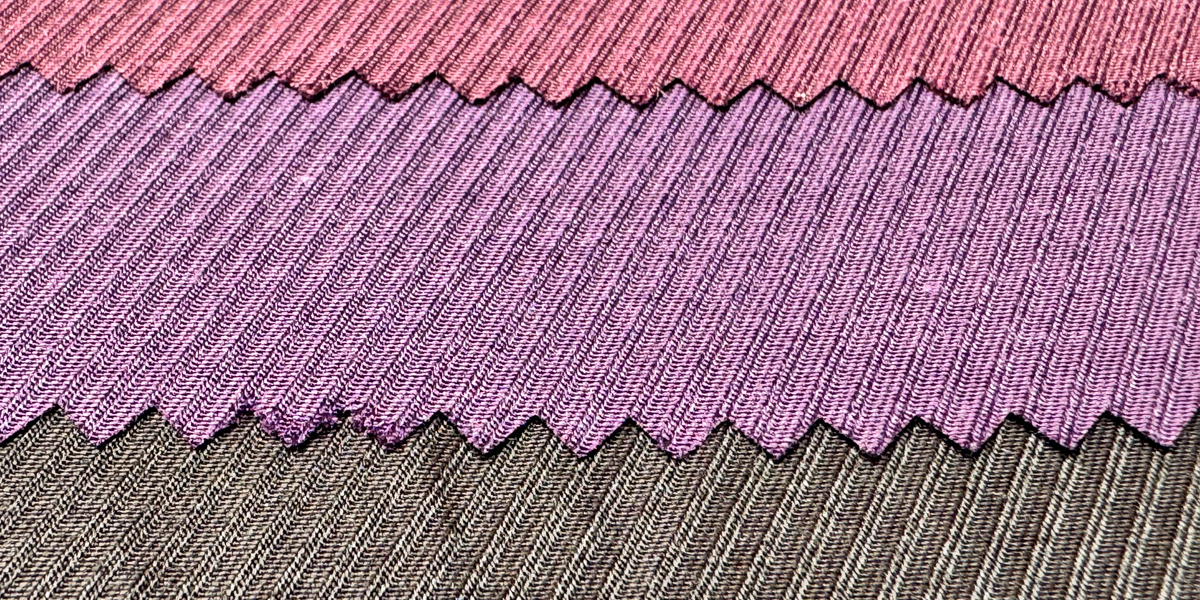
Fabrics play a crucial role in brand competitiveness, highlighting the importance of understanding why fabrics matter in brand competitiveness. They shape consumer perceptions of quality and uniqueness, which is essential for quality assurance. For example, research shows that 100% cotton can significantly elevate quality ratings compared to other materials. This illustrates the strategic role of fabric manufacturers in enhancing the fabric of a brand, ultimately contributing to a brand fabric strategic approach that sets it apart in a crowded market.
Key Takeaways
- Fabrics significantly influence brand perception. Choosing high-quality materials like 100% cotton can enhance a brand’s reputation.
- Customization fosters a personal connection between consumers and brands. Allowing customers to modify products increases satisfaction and loyalty.
- Sustainability is crucial for brand differentiation. Brands that adopt eco-friendly practices can strengthen consumer loyalty and enhance their market position.
Fabric Strategic Design Versatility
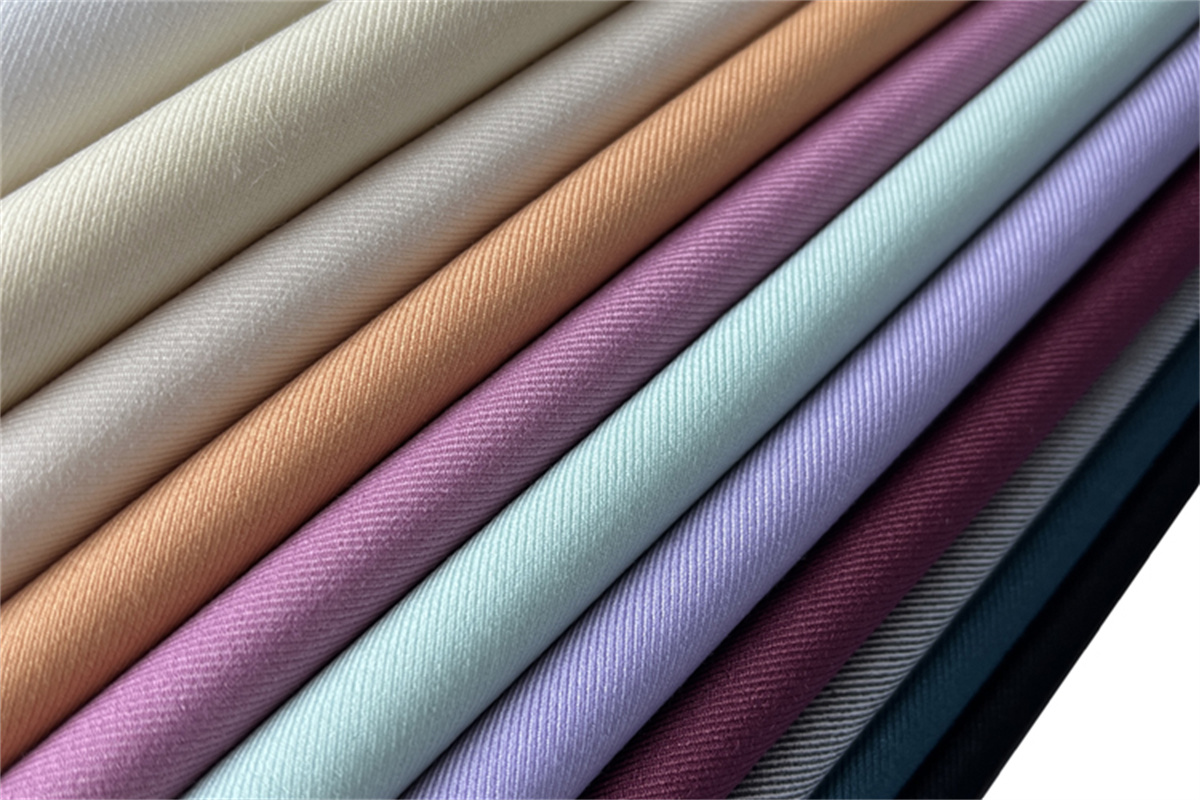
Fabrics serve as a canvas for creativity in the fashion industry. Their design versatility allows brands to express their identity and connect with consumers. I find that the choice of fabric design can significantly influence how a brand is perceived.
Checks, Solids, Jacquards, Prints, and Textures
Each fabric type brings unique characteristics that can enhance brand identity. For instance, jacquard fabrics are known for their intricate patterns and textures. They undergo a complex weaving process that results in durability and visual appeal. This craftsmanship resonates with consumers who appreciate quality and longevity. Brands that utilize jacquard fabrics often position themselves as premium, appealing to discerning customers.
In recent years, I have noticed a trend among luxury brands. They increasingly favor subtle patterns over overt logos. This shift reflects a growing sophistication among consumers, especially in emerging markets like Brazil, Russia, India, and China. Patterns and prints create an “insiders’ club” effect, allowing consumers to feel part of an exclusive community without the need for visible branding. This approach fosters a deeper connection between the consumer and the brand.
To stay ahead of trends, fabric manufacturers continuously innovate. They adapt to consumer preferences and market demands. Here’s a look at some current trends in fabric design versatility:
| Trend | Description |
|---|---|
| Sustainability | Increased demand for eco-friendly fabrics and printing methods, focusing on recyclable materials. |
| Customization | Growing consumer desire for personalized products, facilitated by on-demand printing technology. |
| Digital Innovation | Adoption of advanced printing technologies for flexibility and speed in production. |
Consumer feedback plays a vital role in shaping new fabric designs. I often see brands deploying multi-channel surveys to gather preferences. They also monitor social media conversations and analyze product reviews to understand what resonates with their audience. This feedback loop ensures that fabric manufacturers can create designs that align with consumer desires.
Fabric Strategic Innovation in Blends
In the ever-evolving world of fashion, innovative fabric blends play a pivotal role in enhancing product performance and consumer satisfaction. I have observed that brands increasingly turn to unique blends to meet the demands of eco-conscious consumers while ensuring comfort and style.
Linen-Style, Bamboo, Tencel, and Stretch Composites
Linen-style, bamboo, Tencel, and stretch composites are at the forefront of this innovation. Each of these materials offers distinct properties that appeal to fashion brands and consumers alike. For instance, Tencel stands out for its sustainability. It is produced using a low-impact process and is biodegradable, making it an attractive option for environmentally conscious brands.
Here’s a closer look at the key properties of these innovative fabrics:
| Property | Description |
|---|---|
| Sustainability | Tencel is produced using a low-impact process and is biodegradable. |
| Comfort | Tencel is soft, breathable, and has excellent moisture-wicking properties. |
| Versatility | Tencel can be used in various fashion applications, including clothing, underwear, towels, and interior furnishings. |
I find that the tactile quality, or ‘handfeel,’ of these fabrics significantly influences perceived value. Specialty chemicals enhance the fluffiness and softness of fabrics, improving comfort and absorbency. This focus on comfort factors, such as breathability and tactile sensation, directly impacts consumer satisfaction. Brands that prioritize these elements strengthen their market value and foster brand loyalty.
Moreover, innovative fabric blends enhance product performance through advanced material technologies. Techniques like bio-pretreatments and sustainable dyeing methods improve fabric quality while reducing environmental impact. I have seen firsthand how brands that embrace these innovations not only meet consumer expectations but also set themselves apart in a competitive landscape.
However, sourcing these innovative blends comes with challenges. High costs and the difficulty of accessing sustainable materials can deter brands from fully committing to these options. Many consumers perceive sustainable choices as elitist and inaccessible, which complicates the shift towards longevity over fast fashion. Additionally, underdeveloped recycling technologies for fabric blends pose significant hurdles for brands aiming to adopt sustainable practices.
Fabric Strategic Manufacturer’s Advantage
Fabric manufacturers hold a strategic advantage in the fashion industry due to their technical expertise, large-scale production capabilities, and commitment to quality assurance. I have seen firsthand how these factors contribute to brand differentiation and overall market success.
Technical Expertise, Large-Scale Production, and Quality Assurance
Technical expertise is essential for fabric manufacturers. They possess in-depth knowledge of materials, production processes, and industry standards. This expertise allows them to create fabrics that not only meet but exceed brand expectations. I often find that brands benefit from collaborating with manufacturers who understand the nuances of fabric properties, such as durability, breathability, and texture.
Large-scale production capabilities significantly impact lead times and cost efficiency for fashion brands. Here are some key benefits:
- Reduced per-unit costs: Large-scale production lowers costs through economies of scale.
- Bulk purchasing: Manufacturers can buy materials in bulk, leading to significant savings.
- Streamlined processes: Efficient production methods enhance overall efficiency and reduce labor costs.
- Minimized overhead: Higher production volumes decrease fixed overhead costs per unit.
- Advanced logistics: Bulk shipping lowers delivery costs and times.
I have observed that high-capacity facilities optimize production lines for faster output. Meticulous planning ensures that lead times are accurate, allowing brands to meet deadlines consistently. Consolidated logistics facilitate quicker delivery for large orders, which is crucial in today’s fast-paced fashion environment.
Quality assurance is another critical aspect of a fabric manufacturer’s advantage. Top manufacturers adopt various quality assurance standards to ensure product quality and sustainability. For instance, standards like ECO PASSPORT by OEKO-TEX and SA8000 are vital for maintaining safety and ethical labor practices. These certifications enhance product reputation and ensure compliance with global textile standards, which is increasingly important for brands aiming to reach international markets.
Here’s a summary of some common quality assurance standards:
| Standard Name | Description | Benefits |
|---|---|---|
| Fabric Testing | Ensures the fabric meets quality specifications | Reduces defects, enhances durability |
| Worker Safety Regulations | Ensures a safe working environment | Improves employee satisfaction and retention |
| ECO PASSPORT by OEKO-TEX | Identifies chemicals used in production | Ensures product safety and compliance |
| SA8000 | Certification for fair working conditions | Promotes ethical labor practices |
| Worldwide Responsible Apparel Production | Ensures authenticity and safety in design | Enhances brand reputation and accountability |
| Bluesign | Focuses on sustainable resource use | Guarantees product safety and environmental responsibility |
Adhering to these quality control standards is crucial for reducing defects and enhancing product durability. I have seen how brands that prioritize quality assurance not only improve their product offerings but also strengthen their market competitiveness. This commitment to quality leads to higher consumer satisfaction and a stronger brand reputation.
Customization and Branding
Customization plays a vital role in branding, allowing consumers to feel a personal connection to products. I have seen how brands leverage customization to enhance storytelling and engage customers. By enabling consumers to modify aspects of their clothing, such as fabric, color, or design elements, brands create a unique shopping experience.
Here are some ways customization boosts consumer engagement:
- Customers can interact directly with brands through apps or websites.
- Augmented reality allows customers to visualize changes in real-time.
- This involvement in the design process increases satisfaction with the final product.
In 2024, real-time customer feedback will revolutionize how brands engage with consumers. Visual content recognition technology will enable brands to analyze consumer reactions and preferences instantly. This data will help tailor offerings to meet consumer desires effectively.
Brands also evaluate the effectiveness of customization through various dimensions:
| Dimension | Description |
|---|---|
| Perceived Product Quality | Consumers’ subjective judgment of product quality based on materials, functions, performance, and manufacturing techniques. This perception significantly impacts brand value. |
| Brand Image | Refers to consumer perceptions about a brand, influenced by brand associations. A strong brand image is crucial for distinguishing brand meaning and enhancing brand value. |
| Self-Brand Connection | The degree to which consumers’ self-concept is linked to the brand, reflecting the consumer-brand relationship. A strong self-brand connection can enhance brand value by aligning products with consumers’ self-images. |
Through these strategies, brands can create a deeper connection with their audience, ultimately driving loyalty and growth.
Sustainability Practices
Sustainability practices have become essential in the fabric manufacturing industry. I have witnessed firsthand how these practices influence brand loyalty and consumer purchasing decisions. When brands align with consumers’ values, they create a strong bond. This connection enhances loyalty and encourages repeat purchases. Many consumers seek social validation through their choices, which often leads them to support brands that prioritize sustainability.
I find that the trend toward sustainable fabrics reshapes purchasing decisions. Brands that respond to consumer demand for responsible fashion choices often see increased loyalty. However, I also recognize a gap between consumers’ attitudes toward sustainability and their actual purchasing behavior. While many consumers express concern for the environment, they often prioritize quality, longevity, and price over sustainable practices. Yet, those who are genuinely concerned about the environment tend to choose sustainable fashion products, indicating a potential for increased brand loyalty.
Leading fabric manufacturers implement various effective sustainability initiatives. Here are some notable examples:
- Plasma Dyeing: This method improves dyeing effectiveness while reducing environmental impact.
- 3D Knitting: This technique produces garments with zero textile waste, promoting a circular economy.
- Fiber Regeneration: This process converts old textiles into new fibers for reuse, minimizing waste.
By adopting these practices, manufacturers not only contribute to environmental sustainability but also enhance their brand reputation. As I continue to explore this evolving landscape, I see that sustainability is not just a trend; it is a vital component of brand differentiation in today’s market.
Strong supplier relationships fuel brand growth by enhancing supply chain resilience and minimizing lead times. I have seen brands like Eileen Fisher and H&M thrive through strategic partnerships. In fact, 43% of brands are now deepening these relationships, a significant increase from 26% in 2019. This trend highlights the growing recognition of the value that reliable suppliers bring to the table. By prioritizing sustainability and ethical practices, brands can also boost their reputation and profitability.
“Effective Supplier Relationship Management (SRM) is crucial for long-term success in the apparel industry.”
Through collaboration, brands can innovate faster and respond to market dynamics, ultimately driving sustainable growth.
FAQ
What role do fabric manufacturers play in brand differentiation?
Fabric manufacturers provide unique materials and innovative designs that help brands stand out in a competitive market.
How can brands ensure sustainability in their fabric choices?
Brands can choose eco-friendly materials and work with manufacturers who prioritize sustainable practices, enhancing their reputation.
Why is customization important for brands?
Customization allows brands to connect with consumers personally, fostering loyalty and enhancing the overall shopping experience.
Post time: Sep-12-2025