
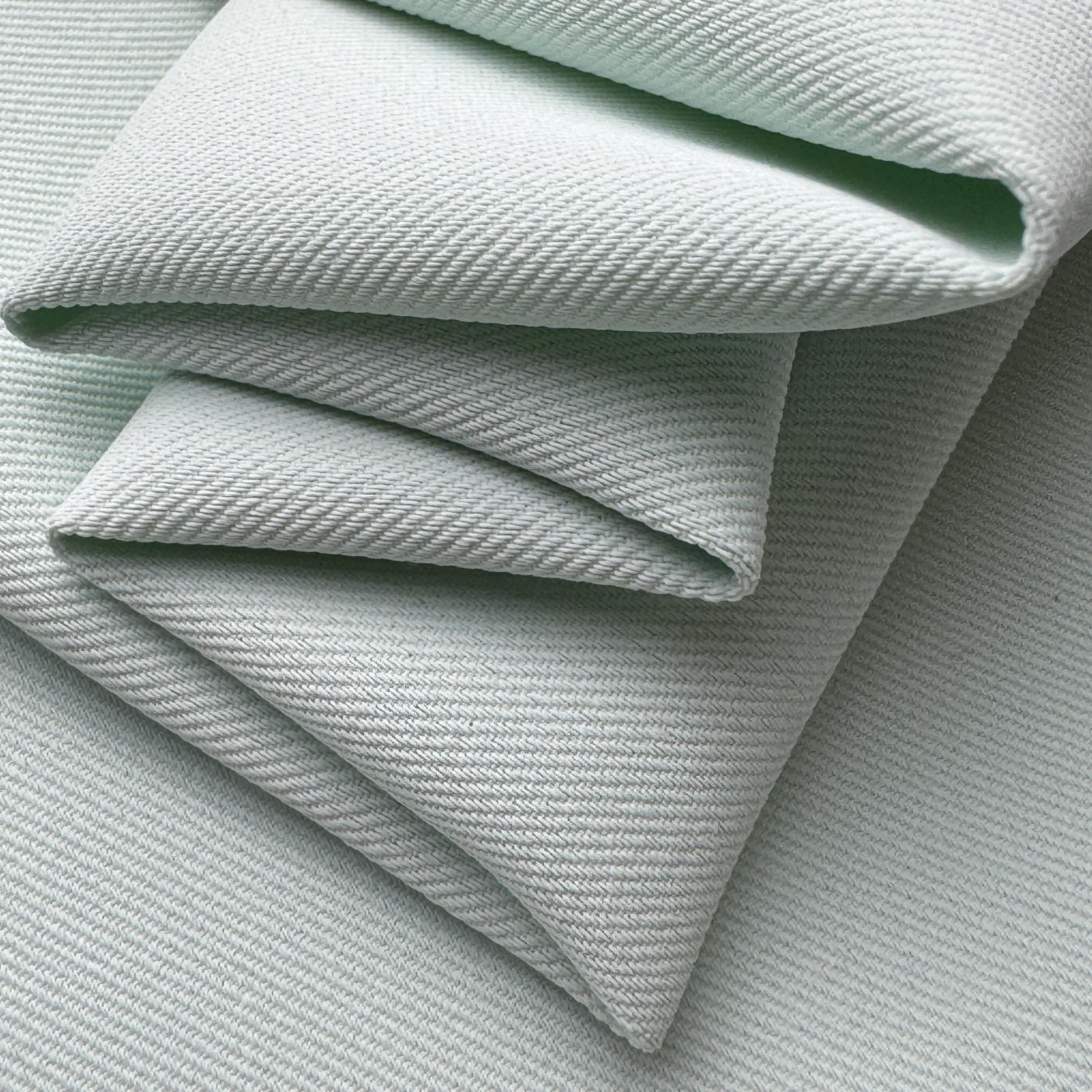
I see anti-bacterial medical uniform fabric actively inhibits bacterial growth, enhancing hygiene and safety. This innovative professional medical wear fabric powerfully combats germs, protecting staff and patients. Contaminated surfaces link to 20-40% of HAIs. Hot sale medical uniform fabric, like medical scrub wear fabric or a woven stretch polyester rayon fabric for scrub, truly helps. I can customize fabric for hospital uniform needs.
Key Takeaways
- Anti-bacterial medical uniform fabric stops germs from growing. This makes hospitals safer for patients and staff.
- This special fabric helps reduce infections. It also keeps healthcare workers comfortable and fresh during long shifts.
- Choosing anti-bacterial fabric saves money over time. It lasts longer and needs less washing, which is good for the environment.
The Persistent Challenge: Why Traditional Medical Uniform Fabric Falls Short
Understanding Germ Proliferation in Healthcare Environments
I know healthcare environments are breeding grounds for germs. Pathogens constantly circulate. Traditional fabrics often become carriers. Studies show many bacteria thrive on these materials. For example, researchers found Staphylococcus aureus on polyester/cotton blends and white coats. They also identified Klebsiella pneumoniae and Acinetobacter baumannii on healthcare worker gowns. Other common culprits include Escherichia coli, Pseudomonas aeruginosa, and various Enterobacter species. These germs survive on hospital fabrics, posing a continuous threat.
Limitations of Standard Uniform Materials in Preventing Bacterial Spread
Standard uniform materials, like cotton or basic polyester blends, lack inherent antimicrobial properties. They absorb fluids and trap microorganisms. This creates a perfect environment for bacteria to multiply. These fabrics do not actively fight germ growth. Instead, they can act as reservoirs, holding onto pathogens even after a shift. This passive nature makes them ineffective in preventing bacterial spread.
The Impact of Contaminated Medical Uniform Fabric on Health
Contaminated medical uniform fabric directly impacts health. I see a clear link between these fabrics and healthcare-associated infections (HAIs). A 2017 survey showed many experts believe wearing scrubs home risks infection for others. It also risks patient contamination if staff wear scrubs from home into the hospital. A Connecticut study found MRSA transmitted to worker garments in 70% of cases, even without direct contact. This highlights the danger of cross-contamination. Textiles can carry millions of bacteria, from Salmonella to hepatitis B virus. Improper handling, like shaking soiled linens, releases these pathogens. This exposes workers to direct contact or airborne particles. We must address this risk.
Unveiling the Science Behind Anti-Bacterial Medical Uniform Fabric
What Defines Anti-Bacterial Fabric Technology?
I define anti-bacterial fabric technology as an innovative approach. It integrates specific agents directly into the textile fibers. These agents actively prevent bacteria from growing and multiplying on the fabric’s surface. This creates a hostile environment for microorganisms. It goes beyond simply washing away germs; it stops them from thriving in the first place.
How Anti-Bacterial Properties Actively Combat Germs
I see these anti-bacterial properties combat germs through clever mechanisms.
- Citric Acid-Based Mechanism (Ionic+ Botanical): This technology uses a special citric-based formula. It changes the pH level on the fabric’s surface. Citric acid, Ionic+ ingredients, and oxygen work together. They stop bacterial growth and disrupt their cell division.
- Silver Ion Release Mechanism (Ionic+ Mineral): This technology releases silver ions from the fabric when it gets wet. These silver ions then neutralize negatively charged ions. This helps inhibit and eliminate microbes on the product’s surface. Both methods effectively reduce the bacterial load.
Key Differentiators from Conventional Medical Uniform Fabric
I find the key differentiators significant. Conventional medical uniform fabric offers no inherent protection against bacteria. It can even become a breeding ground. Anti-bacterial fabric, however, actively fights germs. It maintains hygiene throughout the day. This proactive approach sets it apart. It provides a continuous barrier against microbial contamination, unlike standard materials.
Elevating Patient Safety with Anti-Bacterial Medical Uniform Fabric
Reducing Healthcare-Associated Infections (HAIs)
I recognize that reducing Healthcare-Associated Infections (HAIs) stands as a critical priority in any medical setting. Anti-bacterial medical uniform fabric plays a pivotal role in achieving this goal. This specialized fabric actively inhibits bacterial growth on its surface. This significantly reduces the potential for uniforms to become vectors for infection. I have seen clinical trials demonstrate the effectiveness of these materials. For instance, a study in a Burn department compared ZnO coated antibacterial fabrics (bed sheets, patient gowns, pillow covers, and bed covers) with conventional, non-antimicrobial linen. The antibacterial textile consistently maintained a lower contamination level. It also showed better microbiological characteristics in both patients and bed linen. This suggests that using antibacterial textiles can reduce a significant source of nosocomial pathogens, including difficult-to-eradicate MDR-Acinetobacter baumannii. This directly contributes to a reduction in infection and mortality rates in burn centers. It ultimately improves patient safety.
Minimizing Cross-Contamination Risks
I understand the constant threat of cross-contamination in healthcare. Pathogens can easily transfer from surfaces to staff, and then to patients. Anti-bacterial medical uniform fabric acts as a crucial barrier in this chain. By actively killing or inhibiting bacteria on the uniform itself, I minimize the risk of transferring these microorganisms. Studies have shown significant reductions in bacterial contamination on antimicrobial textiles compared to standard textiles. For example, a study by Boyce, et al. (2018) reported a 92 percent reduction in bacterial contamination on antimicrobial privacy curtains. This highlights the immense potential of antimicrobial textiles to minimize pathogen transmission risk in healthcare settings. This directly contributes to improved patient safety metrics. I believe this proactive approach prevents germs from spreading from one patient to another, or from the environment to a vulnerable individual.
Creating a Safer Healing Environment
I strive to create the safest possible healing environment for every patient. Anti-bacterial medical uniform fabric contributes significantly to this objective. When healthcare professionals wear uniforms that actively resist bacterial growth, it fosters a cleaner and more hygienic atmosphere. Patients feel more secure knowing their caregivers wear protective, germ-resistant attire. This enhanced sense of safety can reduce patient anxiety. It also promotes better recovery outcomes. I see this as a fundamental step in building trust and confidence within the healthcare system. It ensures that every aspect of the patient experience, down to the fabric of a caregiver’s uniform, supports health and well-being.
Enhancing Staff Protection and Well-being with Advanced Medical Uniform Fabric
Shielding Healthcare Professionals from Pathogens
I understand the constant exposure healthcare professionals face. They work in environments filled with pathogens. Advanced medical uniform fabric offers a vital layer of defense. This specialized fabric actively inhibits bacterial growth. It creates a barrier against harmful microorganisms. I believe this protection is crucial. It reduces the risk of staff picking up infections from patients or contaminated surfaces. This means fewer sick days for healthcare workers. It also means they can focus better on patient care. The fabric’s properties help keep them safer during every shift.
Promoting a Healthier Work Environment
I see a direct link between advanced uniform fabric and a healthier work environment. When uniforms actively fight germs, the overall microbial load in the facility decreases. This leads to a cleaner atmosphere. Staff members feel more secure. They know their attire contributes to a safer space. This reduction in germ transmission benefits everyone. It creates a more pleasant and hygienic workplace. I find this contributes to a positive work culture. It shows a commitment to staff well-being.
Boosting Confidence Through Enhanced Hygiene
I know confidence is key for healthcare professionals. Wearing anti-bacterial medical uniform fabric significantly boosts this confidence. Staff members feel fresh and clean throughout their long shifts. They do not worry about carrying odors or germs. This enhanced hygiene provides peace of mind. They can interact with patients and colleagues without concern. I believe this feeling of cleanliness and protection empowers them. It allows them to perform their duties with greater assurance. This improved morale ultimately benefits patient care.
The Superior Hygiene and Comfort of Anti-Bacterial Medical Uniform Fabric
Maintaining Freshness Throughout Long Shifts
I know long shifts in healthcare demand a lot from professionals. My anti-bacterial medical uniform fabric helps maintain freshness. It actively works to keep the fabric clean. This means healthcare workers feel more comfortable. They can focus on their important tasks without feeling stale. I believe this continuous freshness is a significant benefit. It supports well-being during demanding hours.
Eliminating Odor-Causing Bacteria
I understand that odors can be a concern in medical settings. My fabric directly addresses this issue. It eliminates odor-causing bacteria. For example, AEGIS Vesta® technology reduces 99.9 percent of odor-causing staph bacteria. This effectiveness lasts for up to 50 washes. Fabrics with NaCuX® technology also eliminate over 99.9% of common bacteria, including E. coli and S. aureus. This happens within hours of contact. This technology also targets bacteria that thrive in sweat-soaked fabrics. I find this crucial for maintaining a pleasant environment.
The Role of Four-Way Stretch in Comfort
I prioritize comfort for healthcare professionals. My fabric includes a four-way stretch. This feature allows for unrestricted movement. Professionals can bend, reach, and move easily. This flexibility reduces strain and fatigue. I believe this comfort is essential for long shifts. It helps staff perform their duties effectively. The fabric moves with them, not against them.
Practical Advantages of Investing in Anti-Bacterial Medical Uniform Fabric
Durability and Longevity of the Fabric
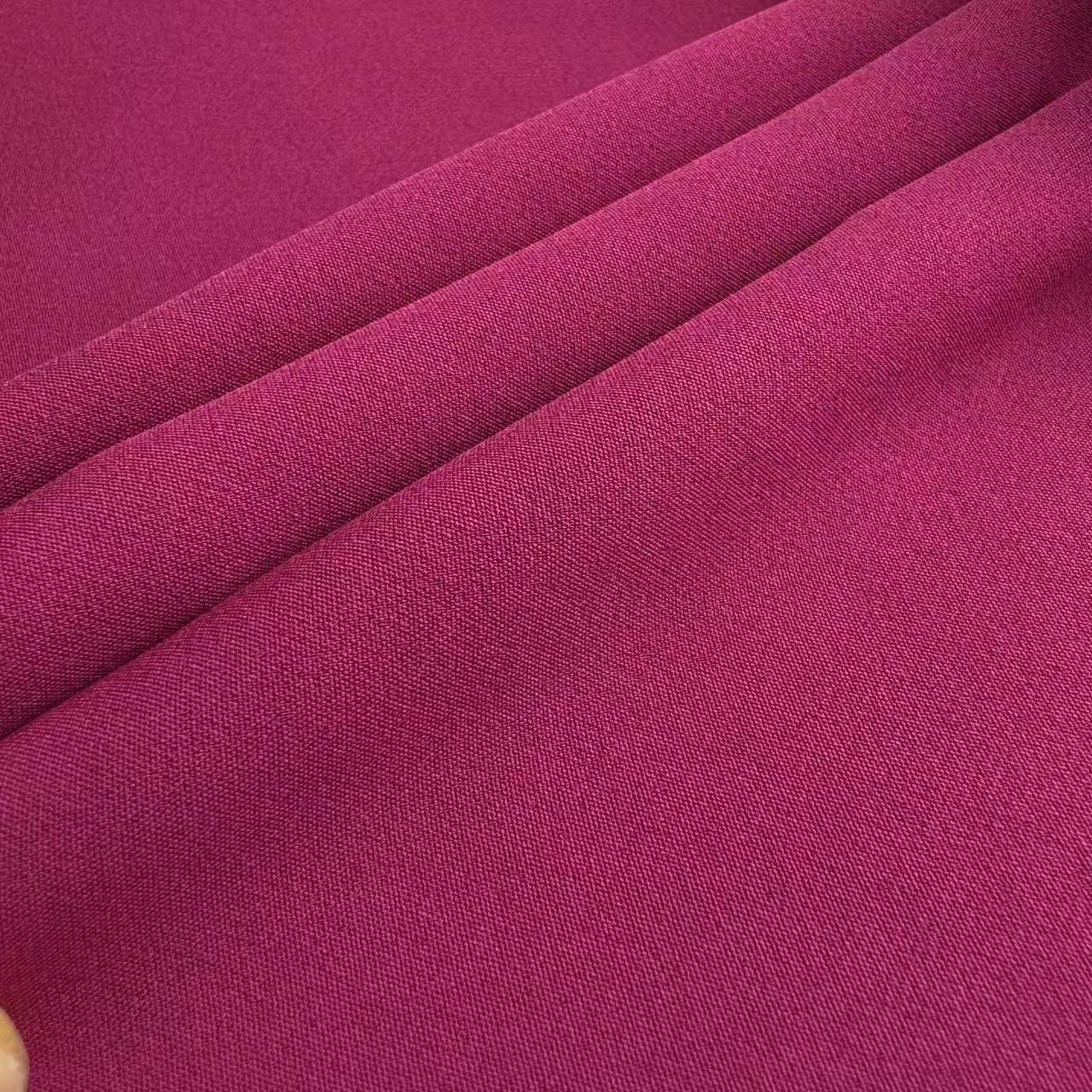
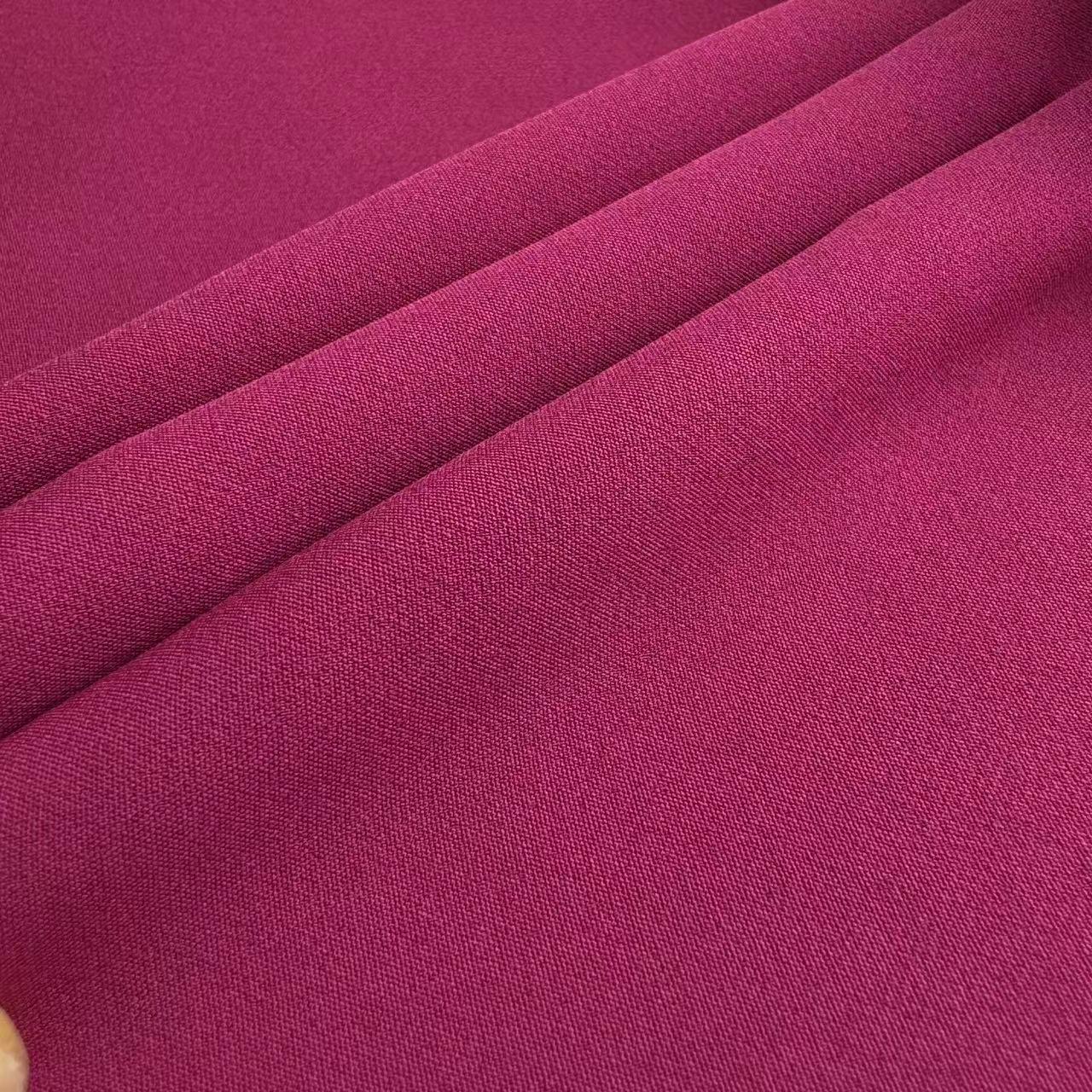
I find that investing in high-quality anti-bacterial medical uniform fabric offers significant practical advantages. My fabric, a blend of 95% Polyester and 5% Spandex, boasts a robust 200GSM weight. This construction ensures exceptional durability. It withstands the daily rigors of a demanding healthcare environment. This means uniforms maintain their integrity and protective qualities over time. I believe this longevity translates into fewer replacements. It provides a reliable solution for busy medical facilities.
Ease of Care and Washability
I understand that healthcare settings require efficient and straightforward maintenance. My anti-bacterial fabric excels in ease of care. It features an anti-wrinkle finish. This keeps professionals looking sharp throughout their shifts. It also eliminates the need for frequent ironing. The fabric’s properties remain effective even after numerous washes. This ensures consistent hygiene without complicated cleaning protocols. I find this simplicity a major benefit for busy staff and laundry services.
Compliance with Healthcare Standards and Regulations
I know compliance with healthcare standards is non-negotiable. My anti-bacterial medical uniform fabric helps facilities meet crucial regulations. It provides an added layer of protection. This aligns with strict guidelines for infection control and safety. I find that this fabric helps facilities comply with several key healthcare standards and regulations:
| Standard/Regulation | Scope/Purpose |
|---|---|
| ISO 20743 | Measures antimicrobial activity in fabrics, ensuring a significant reduction in bacterial counts for infection control. |
| ISO 16603/16604 | Tests fabric resistance to bloodborne pathogens, evaluating barrier properties against synthetic blood and virus penetration, crucial for surgical gowns. |
| ASTM F1670/F1671 | Assesses resistance to fluid and viral penetration under pressure, vital for surgical PPE like gowns, gloves, and face masks. |
| EN 13795 | European standard for surgical gowns and drapes, covering barrier properties, linting, and microbial cleanliness. |
| ASTM F2101 | Measures Bacterial Filtration Efficiency (BFE), requiring a minimum of 98% to reduce airborne bacterial exposure. |
| EPA, FDA, EU Biocidal Products Regulation (BPR) | Regulatory bodies that scrutinize the safety and efficacy of antimicrobial treatments in fabrics, ensuring compliance and preventing issues like cytotoxicity. |
The Long-Term Value of Anti-Bacterial Medical Uniform Fabric
Cost-Effectiveness Through Extended Lifespan
I recognize the importance of long-term value in healthcare investments. My anti-bacterial fabric offers significant cost-effectiveness. Its robust construction, a blend of 95% Polyester and 5% Spandex with a 200GSM weight, ensures exceptional durability. This means uniforms withstand daily wear and tear. They resist degradation from frequent washing. I find this extended lifespan directly reduces the need for frequent replacements. Facilities save money over time. They invest less in new garments. This makes it a smart financial decision.
Reduced Laundry and Replacement Needs
I understand the operational costs associated with laundry. Anti-bacterial fabrics significantly reduce these expenses. These fabrics combat odor-causing bacteria. This keeps garments fresher for longer. This extended freshness allows for less frequent washing. I see this conserves both water and energy. While frequent washing is necessary for hygiene, some fabrics are designed to require less water and energy for cleaning. They can also handle efficient industrial washing. This reduced washing frequency, combined with the fabric’s durability, means fewer uniforms need replacing. This further cuts down on operational costs.
A Sustainable Choice for Healthcare Facilities
I believe in making responsible choices for our environment. Anti-bacterial medical uniform fabric represents a sustainable option for healthcare facilities. The reduced washing frequency conserves water and energy. This lowers the environmental footprint. The extended garment lifespan also leads to less frequent replacement. This reduces textile waste. It minimizes the environmental impact associated with clothing production. I find that choosing responsibly produced options, especially those using natural antimicrobial agents, further minimizes environmental impact. This makes it a conscious choice for a greener future.
I believe upgrading to anti-bacterial medical uniform fabric is a proactive step. It creates a safer, cleaner, and more hygienic healthcare environment. These fabrics provide unparalleled protection. They offer peace of mind by actively combating germs. I see them contributing significantly to everyone’s well-being in medical settings. They redefine expectations for healthcare textiles.
FAQ
❓ What makes anti-bacterial fabric different from regular uniform fabric?
I integrate special agents into the fabric. These agents actively stop bacteria from growing. This creates a hostile environment for germs.