
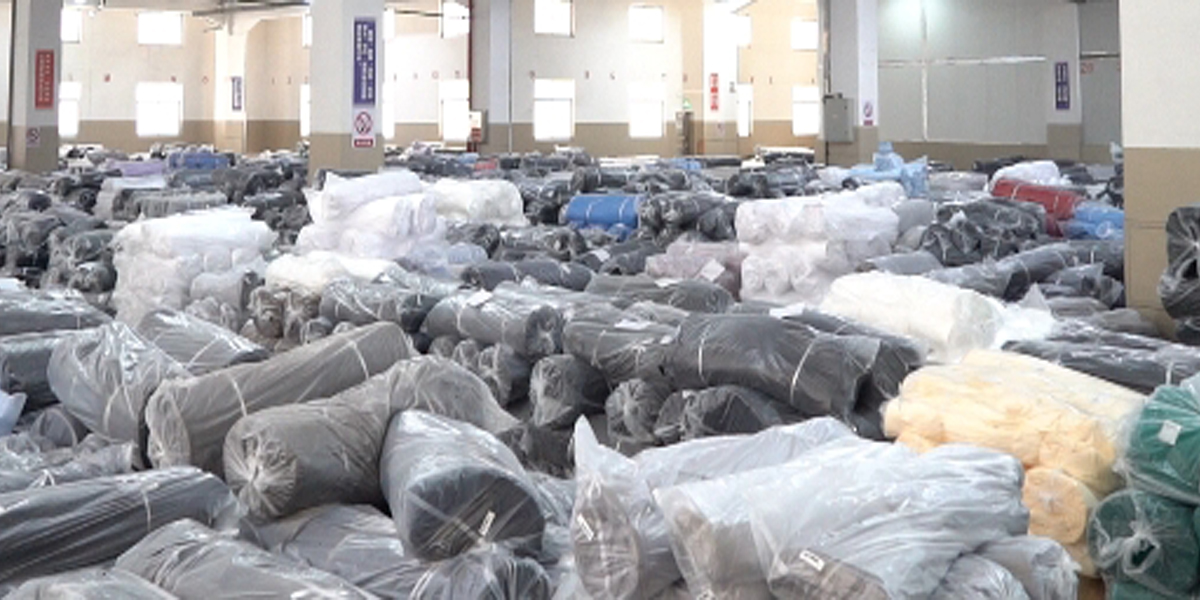
I work with a garment fabric manufacturer that also offers garment production, making it a reliable fabric manufacturer with garment production capabilities. This integrated approach supports my business goals by enabling faster product launches and greater accuracy in custom garment manufacturing. I benefit from real-time digital tools, improved inventory control, and strong collaboration.
- Automation helps my wholesale shirt manufacturer minimize errors.
- My custom clothing production process promotes sustainability.
- Our government uniforms factory experiences enhanced transparency.
Key Takeaways
- Partnering with a single manufacturer for fabric and garment production simplifies sourcing, reduces delays, and improves communication, helping you launch products faster and with fewer errors.
- This integrated approach ensures consistent quality from fabric to finished garment, making it easier to spot and fix issues quickly while maintaining high standards.
- Working with one partner lowers costs through savings on logistics, volume discounts, and less waste, while offering flexible production options that support both small startups and large brands.
Garment Fabric Manufacturer and Streamlined Supply Chain
Simplified Sourcing Process
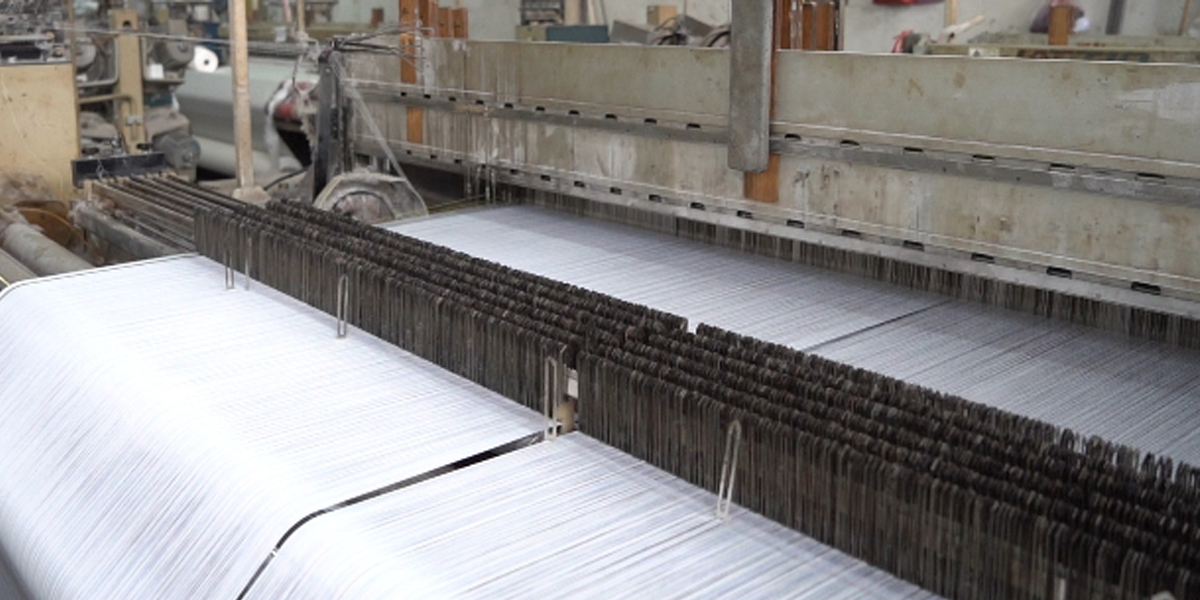
I work with a garment fabric manufacturer that handles both fabric and garment production. This partnership makes my sourcing process much easier. I do not need to search for separate suppliers or manage multiple contracts. I can rely on one team for everything, which helps me respond quickly to market changes. When I use digital tools for product creation and demand forecasting, I see faster procurement timelines. My supplier and I communicate clearly, so I can adjust my orders based on real-time data. This approach shortens the time from design to delivery and keeps my production on schedule.
Fewer Points of Contact
Managing fewer contacts saves me time and reduces confusion. I do not have to coordinate with many different suppliers. I only need to talk to my garment fabric manufacturer, which streamlines my workflow. I avoid delays and miscommunication because I work with one dedicated partner. This setup supports lean supply chain principles, such as just-in-time production and waste reduction. I see better collaboration and faster decision-making, which helps me deliver products to my customers more efficiently.
Tip: Fewer points of contact mean less risk of errors and faster problem-solving.
Reduced Coordination Effort
Working with a single supplier lowers my project management costs. I spend less time tracking shipments and managing logistics. My supply chain is less complex, so I can focus on improving product quality and customer satisfaction. Automation and production management software help me monitor progress and control costs. I notice fewer bottlenecks and smoother operations. This efficient system allows me to allocate resources wisely and keep my business running smoothly.
Garment Fabric Manufacturer and Enhanced Quality Control
Consistent Standards from Fabric to Finished Garment
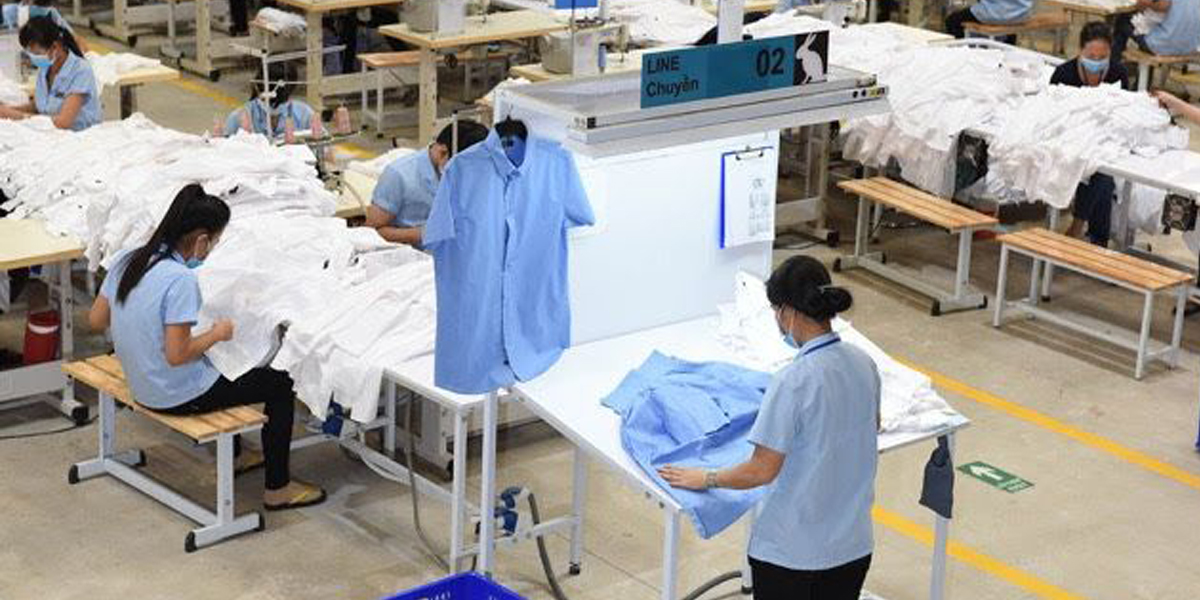
When I work with a garment fabric manufacturer that also handles garment production, I see consistent quality from start to finish. The same team manages both fabric and garment processes, so they follow the same standards at every step. This approach helps me avoid mismatched colors, uneven textures, or sizing issues. I trust that my products will look and feel the same in every batch. My customers notice the difference, and I build a stronger reputation for reliability.
Easier Issue Resolution
I find it much easier to solve problems when I have one partner for both fabric and garment production. If I spot a defect or a quality concern, I do not need to track down which supplier caused the issue. My garment fabric manufacturer takes full responsibility and responds quickly. We hold pre-production meetings to align on technical details and prevent mistakes before they happen. When something goes wrong, my partner uses visual dashboards and defect tracking boards to identify the source and fix it fast.
Note: Quick issue resolution keeps my production on schedule and reduces costly delays.
Integrated Quality Assurance
My partner uses a proactive, systematic approach to quality assurance. I see several steps in their process:
- Rigorous material testing before production starts
- Operator training to spot defects early
- In-line quality control with real-time monitoring
- Organized workstations that reduce errors
- Final inspections with strict sampling and compliance checks
These steps help catch problems before they reach my customers. I feel confident that my products meet high standards every time.
Cost Efficiency with a Garment Fabric Manufacturer
Lower Logistics and Handling Costs
I notice immediate savings when I consolidate my fabric sourcing and garment production with one partner. My shipments arrive together, which means I pay less for transportation and handling. I avoid extra fees from splitting orders between multiple suppliers. By working with a single garment fabric manufacturer, I also reduce the time and money spent on tracking shipments and managing customs paperwork. This streamlined process helps me keep my overhead low and my operations efficient.
- Economies of scale lower my average cost per garment.
- Bulk shipments reduce logistics and shipping costs.
- I benefit from better payment terms and fewer deposit requirements.
Tip: Consolidating orders leads to stronger vendor relationships and more reliable service.
Volume Discounts and Bundled Services
When I place larger orders, I unlock volume discounts that make a real difference in my bottom line. My supplier offers tiered pricing, so the more I order, the less I pay per unit. This applies to both fabric and finished garments. I plan my production runs to take advantage of these price breaks, which helps me stay competitive.
- Suppliers use tiered pricing, lowering costs as order volume increases.
- Bundled services mean I save on both fabric and garment production.
- Flexible pricing lets me negotiate better deals for bulk orders.
Minimized Waste and Errors
Integrated production tools help me connect my design, sourcing, and sales teams. I use real-time data to forecast demand and avoid overproduction. This approach reduces costly mistakes and keeps my inventory aligned with what my customers want. Brands like Asics have shown that focusing on fewer, more relevant styles and using centralized data can boost profit margins by cutting waste and markdowns.
| Aspect | Evidence Summary |
|---|---|
| Waste Impact | Overproduction causes $400 billion in annual waste for apparel companies. |
| Profit Margin Effect | Only 60-70% of produced clothing sells at full price; markdowns and deadstock hurt profits. |
| Solution | Retail technology and data-driven forecasting align supply with demand, reducing waste and improving margins. |
Faster Turnaround Times with Integrated Production
Shorter Lead Times
I see a big difference in lead times when I work with a garment fabric manufacturer that manages both fabric and garment production. My orders move faster because I do not wait for materials to arrive from different places. The whole process stays under one roof, so my team and I can track progress in real time. I noticed that brands like Zara use this approach to update their clothing designs every two weeks. They control everything from design to delivery, which helps them react quickly to new trends. This kind of vertical integration lets me bring new products to market much faster than before.
Quicker Response to Market Demands
I can respond to market changes almost instantly. My supplier and I use real-time sales data and predictive tools to adjust production. When a style becomes popular, we increase output right away. If demand drops, we slow down to avoid waste. The fast fashion industry relies on this kind of integrated supply chain. By connecting design, manufacturing, and distribution, I can reduce the time it takes to launch new collections from months to just a few weeks. This flexibility helps me stay ahead of competitors and meet customer needs.
Note: Fast feedback between stores and production teams means I can make quick adjustments and avoid costly mistakes.
Accelerated Sampling and Production
My sampling and production cycles have become much faster. I use digital tools like 3D prototypes and cloud-based platforms to share updates and get approvals quickly. My partner updates job assignments every few seconds, so urgent orders get priority. Flexible scheduling lets us handle complex designs and switch tasks as needed. I saw a case where a medium-sized manufacturer balanced workloads and kept production moving smoothly by using these systems. This approach helps me deliver samples and finished products on tight deadlines.
Reduced Risks and Greater Reliability
Fewer Supplier-Related Delays
When I work with a garment fabric manufacturer that manages both fabric and garment production, I see fewer delays in my supply chain. I do not need to wait for materials from different suppliers. My partner has the right resources and infrastructure to handle large orders quickly. Real-time order tracking lets me monitor progress and spot problems early. I can plan my production schedule with confidence because I know my lead times are reliable. This helps me avoid last-minute surprises and keeps my business running smoothly.
- Poor planning and weak communication often cause delays.
- Centralized management and digital tracking help prevent these issues.
- Reliable partners deliver on time and reduce waste.
Tip: Clear communication and real-time updates keep my projects on track.
Improved Accountability
I notice better accountability when I use one partner for both fabric and garment production. My garment fabric manufacturer takes full responsibility for the entire process. If something goes wrong, I know exactly who to contact. This makes it easier to solve problems and avoid finger-pointing. My partner uses clear quality standards and regular feedback to keep everything on track. I trust that my products will meet my expectations every time.
Stronger Business Relationships
Building a strong relationship with my manufacturer helps my business grow. I set up regular meetings to discuss goals and share feedback. We work together on new ideas and product improvements. Visiting the factory helps me understand their process and build trust. We agree on clear terms for quality, pricing, and delivery. When problems come up, we solve them together. This teamwork leads to better products and long-term success.
Note: Strong partnerships with reliable manufacturers help me stay competitive and deliver consistent quality.
Flexibility for Small and Bulk Orders
Scalable Production Options
I value working with partners who offer scalable production. Some manufacturers, like AKAS Tex, let me start with small orders—sometimes as low as 200 yards for knits. This low minimum order quantity helps me test new ideas without a big investment. As my business grows, I can move from swatches to wholesale rolls and then to bulk production. Companies such as GNB Garments and Lefty Production Co. support both small batches and large orders. They use modern equipment and strict quality checks, so I know my products will meet high standards no matter the order size. This flexibility gives me confidence to scale up when I am ready.
Support for Startups and Established Brands
I see real benefits for both new and established brands. Startups often need small runs to test the market. Some manufacturers offer minimums as low as 50 pieces, which helps me manage my budget and avoid extra inventory. I get help with design, development, and quality control, making it easier to launch new products. For bigger brands, these manufacturers handle large bulk orders with the same attention to detail. They use eco-friendly materials and advanced technology, which supports my goals for quality and sustainability.
Tip: Flexible partners help startups grow and let established brands keep up with demand.
Adaptability to Changing Needs
My business needs change quickly. I rely on manufacturers who can adapt fast. Real-time feedback and alerts help me catch problems early. Cloud-based software lets me track orders and make changes on the fly. Some companies use AI and 3D printing to create custom-fit garments and adjust production as needed. I have seen brands use mobile apps to collect customer feedback and restock popular items quickly. The table below shows how different tools help manufacturers stay flexible:
| Adaptability Aspect | Description |
|---|---|
| Shop Floor Control (SFC) | Manages orders and schedules in real time, avoiding delays and shortages. |
| AI & Robotic Automation | Uses robots and AI to speed up production and reduce errors. |
| Cloud-based ERP | Shares data instantly, so I can adjust plans quickly. |
| On-demand Manufacturing | Makes custom garments with less waste and faster turnaround. |
| Collaborative Innovation | Brings together experts to solve new challenges and meet changing market needs. |
Research shows that this kind of flexibility helps brands respond to market changes, reduce cycle times, and improve long-term performance. I know that being able to adjust order sizes and production quickly gives my business a strong advantage.
Better Customization and Branding Opportunities
Seamless Integration of Custom Fabrics and Designs
I love how integrated production lets me create custom fabrics and designs that truly set my brand apart. When I work with a partner who handles both fabric and garment production, I can quickly turn ideas into reality. I use digital tools and AI-powered systems to make photorealistic mock-ups and adjust designs on the fly. This helps me launch new products faster and with fewer mistakes.
- Custom textile patterns give my brand a unique look that customers remember.
- Patterns help me tell my brand’s story and connect with people emotionally.
- I use the same patterns across products and marketing, so my brand feels consistent everywhere.
- Personalized fabrics turn ordinary items into special experiences for my customers.
I see more shoppers asking for unique, personalized clothing. With new technology like digital printing and on-demand manufacturing, I can meet these needs and stand out in a crowded market.
Enhanced Private Label Opportunities
I find that working with a vertically integrated manufacturer opens up more private label options for my business. I get support with everything from product research and design to fabric sourcing and logistics. This means I can focus on building my brand while my partner manages the details. I can choose from many apparel categories, such as streetwear, loungewear, and performance wear. Flexible production options, like CMT and full-package services, help me scale up or down as needed. I also benefit from better quality control and shorter lead times, which makes launching new private label lines much easier.
Tip: Integrated services let me launch private label brands without investing in new infrastructure.
Tailored Solutions for Unique Brand Identity
I work closely with experienced design teams to create clothing that matches my brand’s personality. I use AI-powered design tools and 3D previews to see how my ideas will look before production starts. My manufacturer offers personalized consultations, precise measurements, and even hand embroidery for a special touch. I can order small batches, which supports my sustainability goals and reduces waste. Transparent supply chains and ethical sourcing help me build trust with my customers. These tailored solutions make my brand stand out and keep my customers coming back.
I see real results when I choose a single partner for fabric and garment production. Found Surface scaled operations and improved inventory with this model. Fast fashion leaders like Zara show that integrated systems boost efficiency and quality. I trust this approach to help my brand grow and succeed.
FAQ
What are the main advantages of using one partner for fabric and garment production?
I save time, reduce costs, and improve quality. My supply chain becomes simpler. I see fewer errors and faster delivery.
How does integrated production help with quality control?
I work with one team from start to finish. I spot issues early. My products meet the same high standards every time.
Can small brands benefit from this partnership model?
Yes, I can start with small orders. I get support for design and production. My brand grows with flexible, scalable options.
Post time: Aug-22-2025