
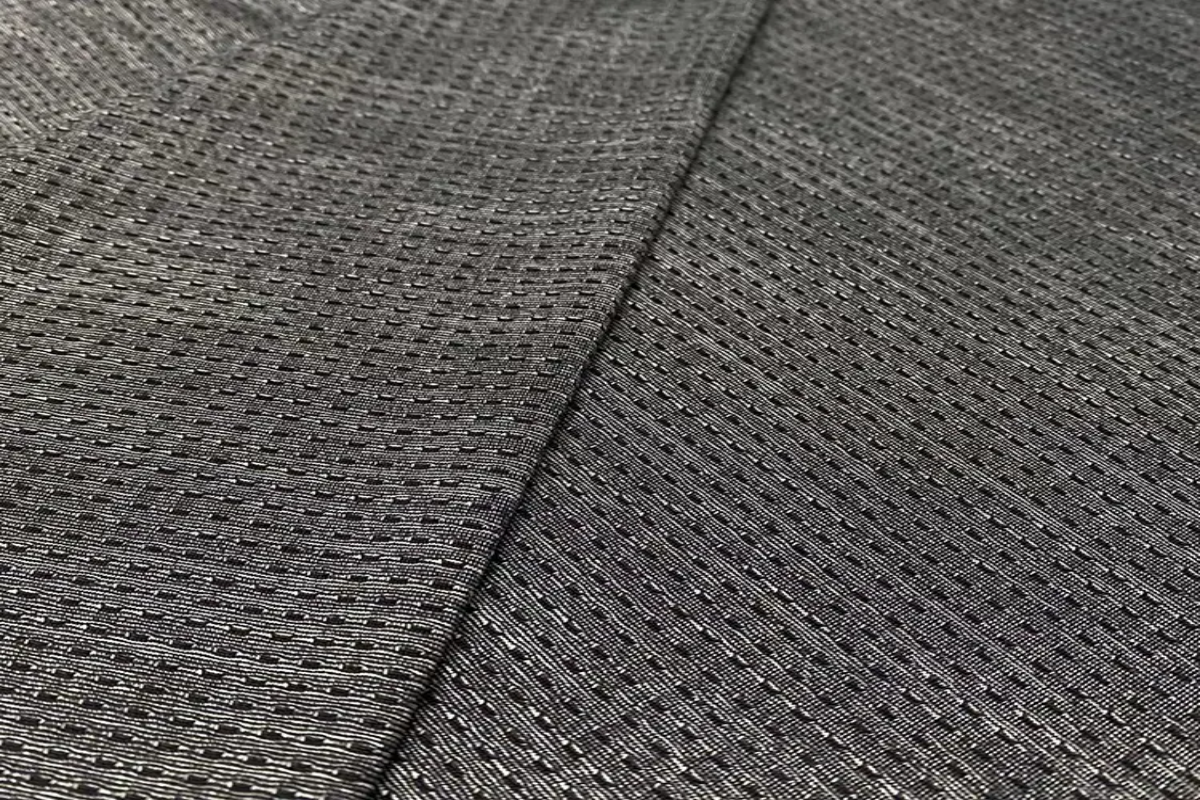
Sustainability has become a cornerstone in the evolution of polyester nylon spandex fabric. These materials, while versatile, contribute significantly to environmental degradation. I see the need for immediate action to address their carbon footprint and waste generation. By embracing innovation, we can transform polyester nylon knit fabric and polyester nylon stretch fabric into eco-friendly options. Quick dry polyester nylon spandex fabric and wicking polyester nylon spandex fabric also hold potential for sustainable advancements. The time to act is now.
Key Takeaways
- Caring for the environment is important for polyester and spandex. These fabrics affect nature a lot, so making them eco-friendly matters.
- More people now want fabrics that are better for the planet. Companies that meet this need can stay popular and liked.
- New recycling ideas, like breaking down or reusing materials, are changing how these fabrics are made. This helps cut waste and save resources.
Why Sustainability Matters for Polyester Nylon Spandex Fabric
Environmental impact of traditional synthetic fabrics
Traditional synthetic fabrics, including polyester nylon spandex fabric, have a significant environmental footprint. I’ve observed how their production relies heavily on non-renewable resources like petroleum. This process emits large amounts of greenhouse gases, contributing to climate change. Additionally, these fabrics are not biodegradable. When discarded, they persist in landfills for decades, releasing microplastics into the environment. These microplastics often end up in oceans, harming marine life and entering the food chain. The environmental cost of these materials is undeniable, and addressing this issue is critical for a sustainable future.
Rising consumer demand for eco-conscious textiles
Consumers today are more informed than ever. I’ve noticed a growing preference for eco-conscious products, including textiles. People want fabrics that align with their values, prioritizing sustainability and ethical production. Polyester nylon spandex fabric, when produced sustainably, can meet this demand. Brands that fail to adapt risk losing relevance in a market increasingly driven by environmental awareness. This shift in consumer behavior is a powerful motivator for the textile industry to innovate and adopt greener practices.
Industry efforts to reduce carbon emissions
The textile industry has started taking steps to reduce its carbon footprint. I’ve seen companies invest in renewable energy, energy-efficient machinery, and sustainable raw materials. Some are even exploring carbon capture technologies to offset emissions during polyester nylon spandex fabric production. These efforts are promising, but scaling them remains a challenge. Collaboration across the industry will be essential to achieve meaningful progress.
Innovative Recycling Methods
Chemical recycling for polyester and spandex
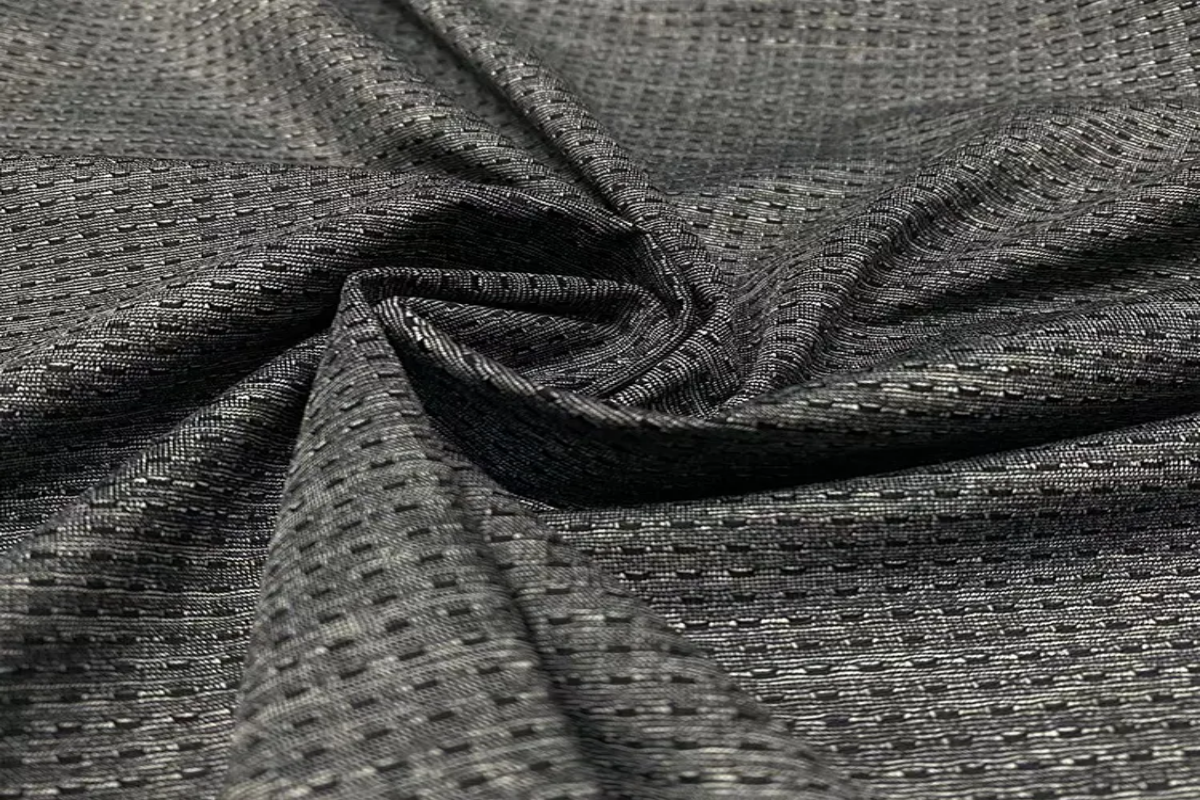
Chemical recycling has emerged as a game-changer for polyester and spandex materials. I’ve seen how this method breaks down fabrics into their original monomers, allowing them to be reused in new production cycles. Unlike traditional recycling, chemical processes maintain the quality of the material, ensuring durability and performance. For polyester nylon spandex fabric, this means creating high-quality textiles without relying on virgin resources. However, scaling this technology remains a challenge due to its energy-intensive nature. I believe further innovation can make it more efficient and accessible.
Mechanical recycling advancements
Mechanical recycling has also made significant strides in recent years. This process involves shredding and melting fabrics to create new fibers. While it’s less complex than chemical recycling, I’ve noticed that it often results in lower-quality materials. Innovations like advanced filtration systems and blending techniques are addressing this issue. These advancements ensure that recycled polyester nylon spandex fabric retains its stretch and resilience. Mechanical recycling is a practical solution for reducing textile waste, especially when paired with other sustainable practices.
Closed-loop systems for sustainable fabric production
Closed-loop systems represent the future of sustainable fabric production. These systems aim to eliminate waste by reusing materials at the end of their lifecycle. I’ve observed how brands are adopting this approach to create circular economies. For example, some companies collect used garments, recycle them, and produce new fabrics from the recovered materials. This not only reduces landfill waste but also minimizes the need for raw resources. Closed-loop systems align perfectly with the principles of sustainability, offering a holistic solution to the environmental challenges posed by synthetic fabrics.
Tip: Supporting brands that implement closed-loop systems can make a significant impact on reducing textile waste.
Emerging Eco-Friendly Alternatives
Biobased polyester and spandex options
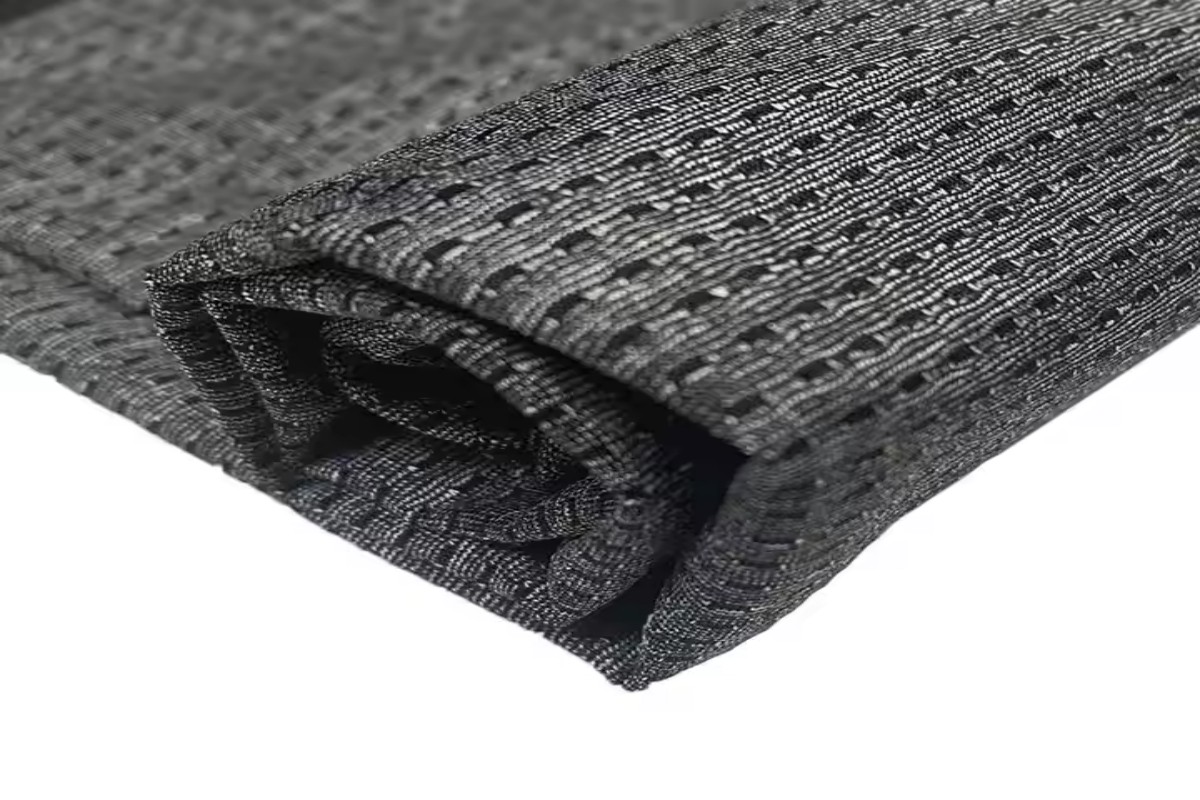
Biobased materials are revolutionizing the textile industry. I’ve seen how biobased polyester and spandex, derived from renewable resources like corn, sugarcane, and castor oil, are gaining traction. These alternatives reduce reliance on petroleum-based raw materials, significantly lowering their carbon footprint. Biobased spandex, for instance, offers the same elasticity and durability as traditional spandex but with a more sustainable production process. While these materials are still emerging, their potential to replace conventional synthetic fibers is undeniable. I believe that as production scales up, costs will decrease, making biobased options more accessible to manufacturers and consumers alike.
Recycled polyester from post-consumer materials
Recycled polyester is another promising solution. I’ve noticed how brands are increasingly using post-consumer materials, such as discarded plastic bottles, to create high-quality fabrics. This process not only diverts waste from landfills but also reduces the need for virgin polyester production. For polyester nylon spandex fabric, incorporating recycled polyester ensures the material retains its performance characteristics while being more eco-friendly. The growing availability of recycled polyester demonstrates the industry’s commitment to sustainability. Supporting products made from recycled materials can drive further innovation in this space.
Biodegradable spandex and natural stretch alternatives
Biodegradable spandex is a game-changer for reducing textile waste. I’ve observed how researchers are developing spandex that decomposes naturally under specific conditions, minimizing its environmental impact. Additionally, natural stretch alternatives, such as fabrics blended with rubber or plant-based fibers, are gaining popularity. These options provide the elasticity needed for activewear and other applications without relying on synthetic materials. As these technologies advance, I expect biodegradable and natural stretch fabrics to become mainstream, offering a sustainable alternative to traditional spandex.
Technological Innovations in Fabric Production
Enzyme engineering for recyclable polyester
Enzyme engineering has revolutionized the way we approach polyester recycling. I’ve seen how researchers are developing specialized enzymes that break down polyester into its basic components. This process allows the material to be reused without compromising its quality. Unlike traditional recycling methods, enzyme-based solutions operate at lower temperatures, reducing energy consumption. For polyester nylon spandex fabric, this innovation could mean a future where recycling becomes more efficient and accessible. I believe enzyme engineering holds immense potential for creating a truly circular textile economy.
Low-energy and waterless manufacturing techniques
The textile industry has made significant progress in reducing its environmental footprint through low-energy and waterless manufacturing techniques. I’ve observed how advanced technologies, such as ultrasonic dyeing and plasma treatments, are replacing water-intensive processes. These methods not only conserve resources but also minimize chemical waste. For example, waterless dyeing uses pressurized carbon dioxide to infuse color into fabrics, eliminating the need for water entirely. By adopting these techniques, manufacturers can produce polyester nylon spandex fabric with a much smaller environmental impact. This shift represents a critical step toward sustainable production.
Circular design principles in textile production
Circular design principles are reshaping how fabrics are created and used. I’ve noticed how brands are designing products with the end of their lifecycle in mind. This approach involves selecting materials that are easier to recycle and creating garments that can be disassembled for reuse. For polyester nylon spandex fabric, circular design ensures that every component can be repurposed, reducing waste. I see this as a transformative strategy that aligns with the growing demand for sustainability in the fashion industry.
Note: Supporting brands that embrace circular design can drive meaningful change in the textile sector.
Future Outlook for Polyester Nylon Spandex Fabric in 2025
Predictions for mainstream adoption of sustainable fabrics
I expect sustainable fabrics to become a standard in the textile industry by 2025. The growing awareness of environmental issues has already pushed many brands to adopt eco-friendly practices. Consumers now demand transparency and sustainability in every product they purchase. Polyester nylon spandex fabric, when produced sustainably, aligns perfectly with this shift. I believe advancements in recycling and biobased materials will make these fabrics more accessible and affordable. As a result, I foresee a significant increase in their adoption across industries like fashion, sportswear, and home textiles.
Challenges in scaling eco-friendly solutions
Scaling eco-friendly solutions remains a major hurdle. I’ve observed that sustainable technologies often require high initial investments. Many small and medium-sized manufacturers struggle to afford these costs. Additionally, the infrastructure for recycling polyester nylon spandex fabric is still underdeveloped in many regions. Limited access to renewable raw materials also poses challenges. Overcoming these barriers will require collaboration between governments, industries, and researchers. I believe incentives like subsidies and grants can encourage wider adoption of sustainable practices.
The influence of policy and consumer behavior on sustainability
Policy and consumer behavior play critical roles in driving sustainability. Governments worldwide are introducing stricter regulations to reduce carbon emissions and waste. These policies push manufacturers to adopt greener practices. On the other hand, consumers wield immense power through their purchasing decisions. I’ve noticed that brands catering to eco-conscious buyers often gain a competitive edge. By supporting sustainable products, consumers can accelerate the transition to environmentally friendly polyester nylon spandex fabric. This dynamic between policy and behavior will shape the future of the textile industry.
Sustainability in polyester nylon spandex fabric is no longer optional. I’ve highlighted impactful trends like biobased materials, advanced recycling, and circular design. These innovations redefine the industry’s future. Supporting eco-friendly brands and making informed choices can drive meaningful change. Together, we can create a more sustainable textile industry for generations to come.
Post time: Mar-28-2025