
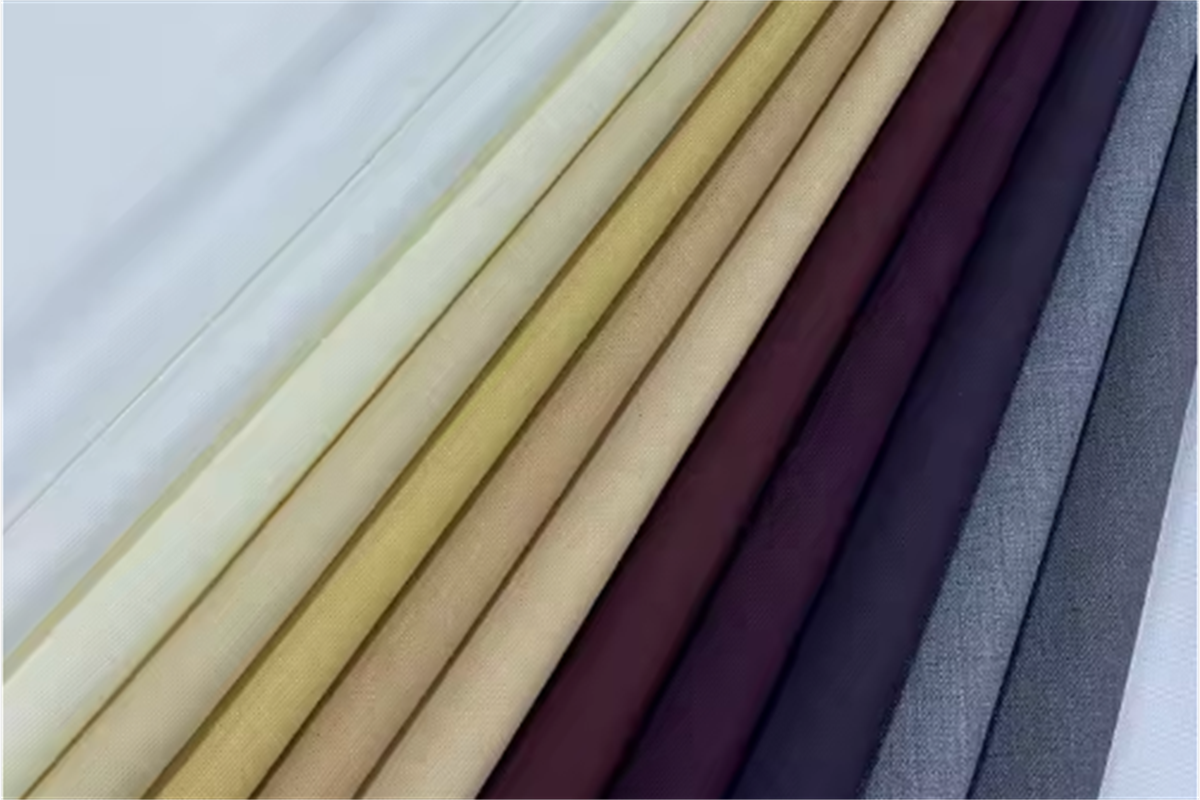
When choosing suiting materials, understanding their unique qualities is essential. TR suiting fabric, a blend of polyester and rayon, stands out for its durability, softness, and affordability. Unlike wool, which requires special care, TR solid suiting fabric resists creasing and discoloration, making it a low-maintenance option. Cotton, while breathable, lacks the strength and moisture management of TR brushed fabric. These qualities make TR fabric for men’s suits a practical choice for both formal and casual wear, while TR checks fabric adds a stylish touch for those looking to make a statement. Overall, TR fabric for suits offers a versatile and reliable option for any wardrobe.
Key Takeaways
- TR suiting fabric mixes polyester and rayon. It is strong, soft, and cheap, making it great for daily use.
- TR fabric is easier to care for than wool. It doesn’t wrinkle or fade easily, saving time and money.
- TR fabric can have plain or patterned designs. It works well for both formal and casual events.
What is TR Suiting Fabric?
Composition and Characteristics
TR suiting fabric combines polyester and rayon, creating a material that balances durability and comfort. Polyester fibers provide strength and resilience, ensuring the fabric maintains its shape and structure over time. Rayon, on the other hand, adds a luxurious softness and enhances breathability, making it suitable for extended wear. This blend results in a fabric that is lightweight, smooth, and versatile.
One of the standout features of TR suiting fabric is its resistance to wrinkles and creases. Thanks to advanced twisting technology, it retains a polished appearance even after prolonged use. It also offers excellent color fastness, maintaining vibrant hues through multiple washes. Additionally, the fabric is free from harmful substances, meeting national safety standards. These qualities make it a practical and stylish choice for both formal and casual attire.
| Feature | Description |
|---|---|
| Good Color Fastness | Exceeds national standards, achieving over 5 levels. |
| High Efficiency Antibacterial | Resists bacteria and is waterproof due to ultra-fine polyester and nylon. |
| No Carcinogenic Substances | Complies with safety standards, free from harmful components. |
| Anti-wrinkle | Special twisting technology prevents pilling and wrinkles. |
| Comfortable | Smooth surface, soft feel, breathable, and stylish drape. |
| Durability and Resilience | Polyester fibers ensure long-lasting shape and structure. |
| Comfort and Breathability | Viscose rayon allows air circulation for added comfort. |
| Affordable Luxury | Offers a cost-effective alternative to natural fibers without compromising quality. |
Solid vs Patterned TR Suiting Fabric
TR suiting fabric comes in both solid and patterned designs, catering to diverse style preferences. Solid TR fabric provides a clean, classic look, ideal for formal occasions or professional settings. Its smooth texture and uniform appearance make it a timeless choice for suits and blazers.
Patterned TR fabric, such as checks or stripes, adds a touch of personality and flair. These designs work well for semi-formal or casual outfits, allowing individuals to express their unique style. The fabric’s ability to retain vibrant colors ensures that patterns remain sharp and eye-catching over time. Whether you prefer a minimalist or bold aesthetic, TR suiting fabric offers options to suit every taste.
TR Suiting Fabric vs Wool
Warmth and Insulation
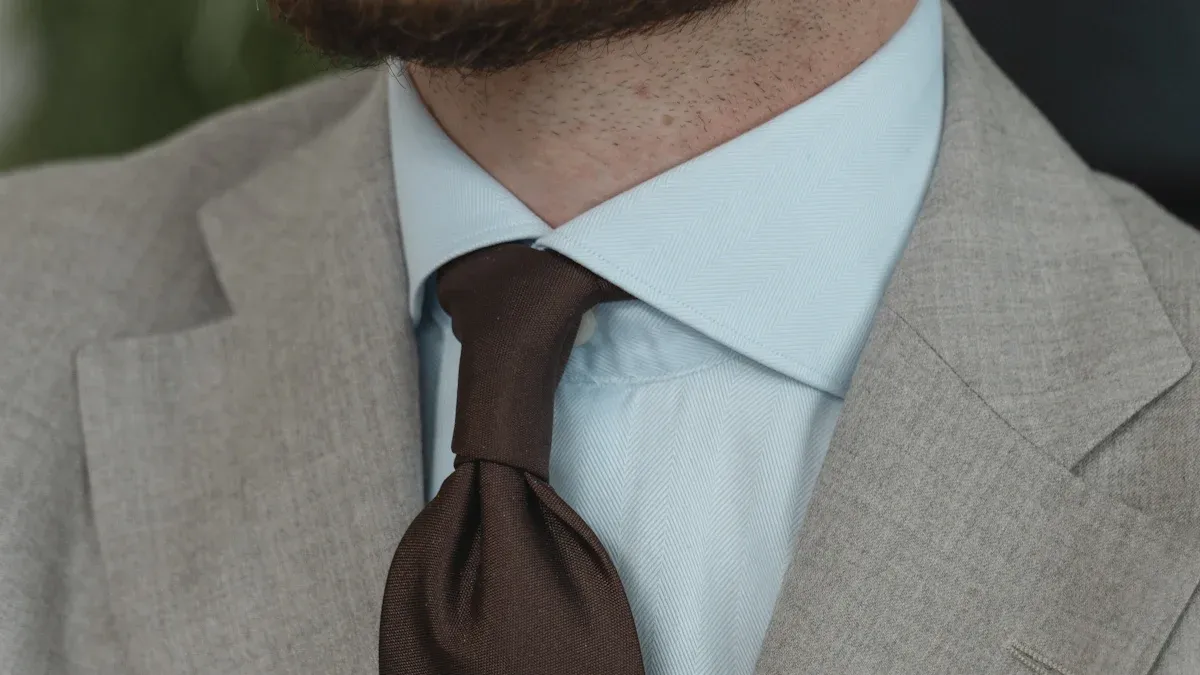
When it comes to warmth, wool takes the lead. Its natural fibers trap heat effectively, making it an excellent choice for colder climates. However, I’ve found that TR suiting fabric, while not as insulating, offers a lightweight alternative that works well in moderate temperatures. For those who prioritize comfort over warmth, TR suiting fabric provides a breathable option without the bulk of wool.
Texture and Appearance
Wool exudes luxury with its soft, textured finish. It has a natural sheen that enhances its premium appeal. On the other hand, TR suiting fabric delivers a smooth and polished look. Its wrinkle-resistant properties ensure a crisp appearance throughout the day. While wool suits are ideal for formal events, TR suiting fabric offers a versatile option for both professional and casual settings.
Durability and Longevity
Durability is where TR suiting fabric truly shines. Unlike wool, which can wear out or lose its shape over time, TR fabric resists creasing and discoloration. It maintains its original look even after extended use. This durability not only ensures a longer lifespan but also reduces maintenance costs, making it a practical choice for everyday wear.
- TR suiting fabric resists creasing and discoloration.
- Wool requires more care to maintain its appearance.
- TR fabric’s longevity leads to higher user satisfaction.
Maintenance and Care
Wool demands special care, including dry cleaning and careful storage, to prevent damage. In contrast, TR suiting fabric is designed for convenience. It resists wrinkles and discoloration, allowing for easy maintenance. I’ve noticed that this low-maintenance quality makes it a cost-effective option for businesses and individuals alike.
- TR suiting fabric is easy to care for and retains its appearance.
- Wool requires dry cleaning and careful handling.
- TR fabric’s practicality reduces long-term maintenance costs.
Cost Comparison
Wool suits often come with a hefty price tag due to their premium quality. TR suiting fabric, however, offers an affordable alternative without compromising on style or durability. For budget-conscious buyers, TR fabric provides excellent value, making it accessible to a wider audience.
TR Suiting Fabric vs Cotton
Breathability and Comfort
I’ve noticed that both TR suiting fabric and cotton excel in breathability, but they achieve it differently. TR suiting fabric is engineered for superior moisture management and enhanced air circulation. This design ensures comfort during extended wear, especially in warmer climates. Cotton, on the other hand, offers a natural softness and breathability. However, it lacks the same level of moisture control and durability as TR fabric. For those seeking a balance between comfort and practicality, TR suiting fabric provides a more versatile option.
Durability and Wear Resistance
Durability is a key factor when comparing these fabrics. Cotton, while soft and comfortable, tends to wear out faster with frequent use. It can lose its shape and develop tears over time. TR suiting fabric, however, stands out for its resilience. Its polyester-rayon blend resists creasing, discoloration, and general wear, ensuring a longer lifespan. This makes it a reliable choice for garments that need to withstand regular use.
Ease of Maintenance
When it comes to maintenance, TR suiting fabric offers significant advantages.
- It resists wrinkles and retains color well, even after multiple washes.
- Its moisture management properties reduce the need for frequent cleaning.
- Garments made from TR fabric require less replacement, lowering long-term costs.
Cotton, while easy to wash, often requires ironing and careful handling to maintain its appearance. I’ve found that TR suiting fabric’s low-maintenance nature makes it a practical choice for busy professionals.
Cost and Affordability
Cotton is generally affordable, but its shorter lifespan can lead to higher replacement costs over time. TR suiting fabric, while slightly more expensive upfront, offers better value due to its durability and low maintenance. For budget-conscious buyers, investing in TR fabric can result in long-term savings.
Best Applications for Each Material
The best use of each fabric depends on the setting. TR suiting fabric’s durability and wrinkle resistance make it ideal for professional outfits and uniforms. Cotton, with its soft touch and breathability, works well for casual wear.
| Fabric Type | Characteristics | Best Uses |
|---|---|---|
| TR Suiting Fabric | Durable, moisture management, wrinkle resistant | Professional outfits, uniforms |
| Cotton | Soft touch, breathable | Casual wear |
Key Benefits of TR Suiting Fabric
Affordability and Accessibility
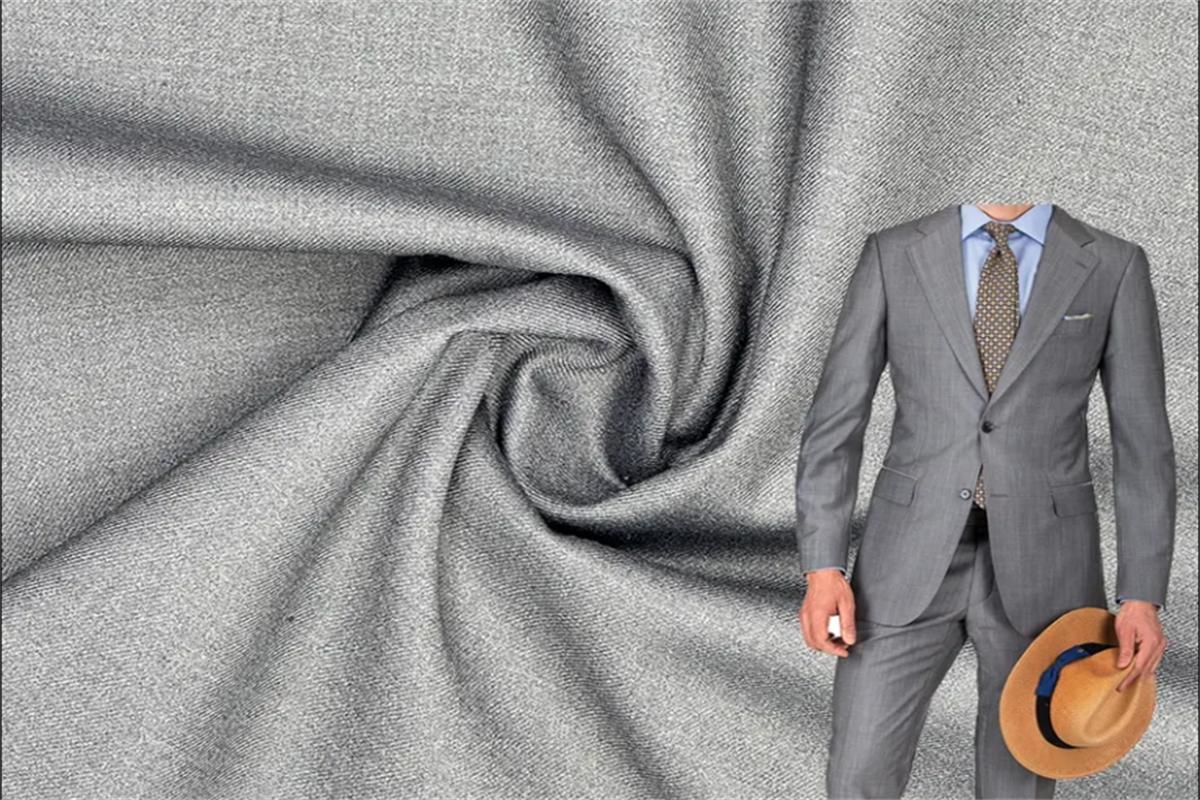
One of the standout advantages of TR suiting fabric is its affordability. It offers a cost-effective alternative to natural fibers like wool and cotton without compromising on quality. I’ve observed that its durability ensures long-lasting performance, making it a smart investment for those seeking value.
- TR fabric withstands wear and tear, enhancing its cost-effectiveness over time.
- Polyester fibers provide exceptional durability, maintaining shape and structure after multiple wears.
- Users benefit from reduced replacement costs due to its resilience.
This accessibility makes TR suiting fabric an excellent choice for individuals and businesses alike, especially those working within a budget.
Versatility in Design
TR suiting fabric excels in versatility, catering to a wide range of design preferences. Its smooth texture and vibrant color retention allow for both solid and patterned options. Whether you need a classic solid suit for formal occasions or a bold patterned design for casual settings, this fabric delivers. I’ve found that its ability to maintain sharp patterns and vibrant hues ensures a polished look for any style.
Low Maintenance
Low maintenance is another key benefit of TR suiting fabric. Its wrinkle-resistant properties and ability to retain shape make it incredibly easy to care for.
- The fabric resists wrinkles and creases, simplifying upkeep.
- It maintains its structure even after multiple wears and dry cleaning trips.
- Users report that it requires less care compared to cotton, saving time and effort.
This practicality makes it an ideal choice for busy professionals who need reliable, low-maintenance attire.
Ideal for Various Occasions
TR suiting fabric’s combination of durability, affordability, and design versatility makes it suitable for various occasions. I’ve noticed that it works equally well for professional settings, casual outings, and even uniforms. Its polished appearance and comfort ensure that you’re always dressed appropriately, no matter the event.
Choosing the Right Fabric for Your Needs
Climate Considerations
Climate plays a significant role in fabric selection. I’ve observed that lightweight and breathable materials, like TR suiting fabric, perform well in moderate to warm climates. Its moisture management properties ensure comfort during extended wear. In contrast, wool suits excel in colder regions due to their natural insulation. Cotton, while breathable, may not provide the same level of durability or moisture control as TR fabric.
A study highlights the importance of weather forecasts for fabric producers and retailers. These forecasts guide decisions on fabric production tailored to regional climates, reducing waste and environmental impact. For instance, manufacturers can prioritize TR suiting fabric for areas with fluctuating temperatures, ensuring consumers receive versatile and climate-appropriate options.
Formal vs Casual Wear
Fabric choice also depends on the occasion. Formal wear demands polished and elegant materials. TR suiting fabric, with its smooth texture and wrinkle resistance, is ideal for professional settings. Wool, with its luxurious feel, works well for high-end events. For casual wear, cotton offers a relaxed and breathable option.
Here’s a quick comparison of fabrics for different occasions:
| Fabric Type | Characteristics | Suitable For |
|---|---|---|
| Silk | Smooth, luxurious feel | Evening wear |
| Burlap | Rough texture, rustic appearance | Home decor projects |
TR suiting fabric bridges the gap between formal and casual wear, offering versatility for various styles.
Budget-Friendly Options
Budget constraints often influence fabric choices. TR suiting fabric stands out as an affordable yet durable option. Its longevity reduces replacement costs, making it a cost-effective investment. Cotton, while initially cheaper, may require frequent replacements due to wear and tear. Wool, though luxurious, often comes with a higher price tag.
Consumer surveys reveal a growing demand for budget-friendly solutions in the suiting industry. For example:
| Insight | Description |
|---|---|
| High cost | A common deterrent for premium fabric purchases. |
| Economy claims | Driving demand for affordable alternatives. |
| Accessibility | Essential for the next generation of buyers. |
For those seeking value without compromising quality, TR suiting fabric offers an excellent balance of affordability and performance.
I believe TR suiting fabric stands out as a cost-effective and durable choice for suiting needs. Wool provides unmatched luxury and warmth, while cotton excels in breathability and comfort. Selecting the right fabric depends on your specific requirements, such as climate, occasion, and budget. Each material offers unique benefits, making it essential to prioritize your preferences.
FAQ
1. What makes TR suiting fabric a good choice for daily wear?
TR suiting fabric offers durability, wrinkle resistance, and low maintenance. Its lightweight and breathable nature ensures comfort during extended wear, making it ideal for daily use.
2. How does TR suiting fabric compare to wool in terms of cost?
TR suiting fabric is significantly more affordable than wool. It provides excellent value for money without compromising on style, durability, or versatility.
3. Can TR suiting fabric be used for both formal and casual occasions?
Yes, TR suiting fabric works well for both. Its polished appearance suits formal settings, while its patterned options add flair to casual outfits.
Tip: Pair solid TR suits with bold accessories for a versatile look!
Post time: Apr-09-2025