
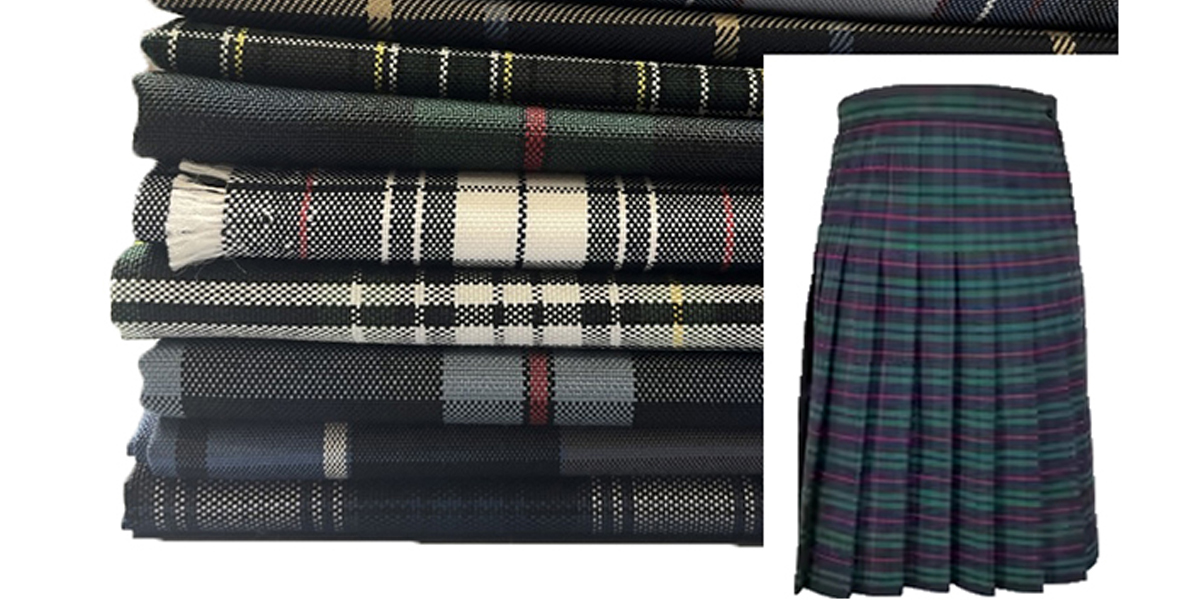
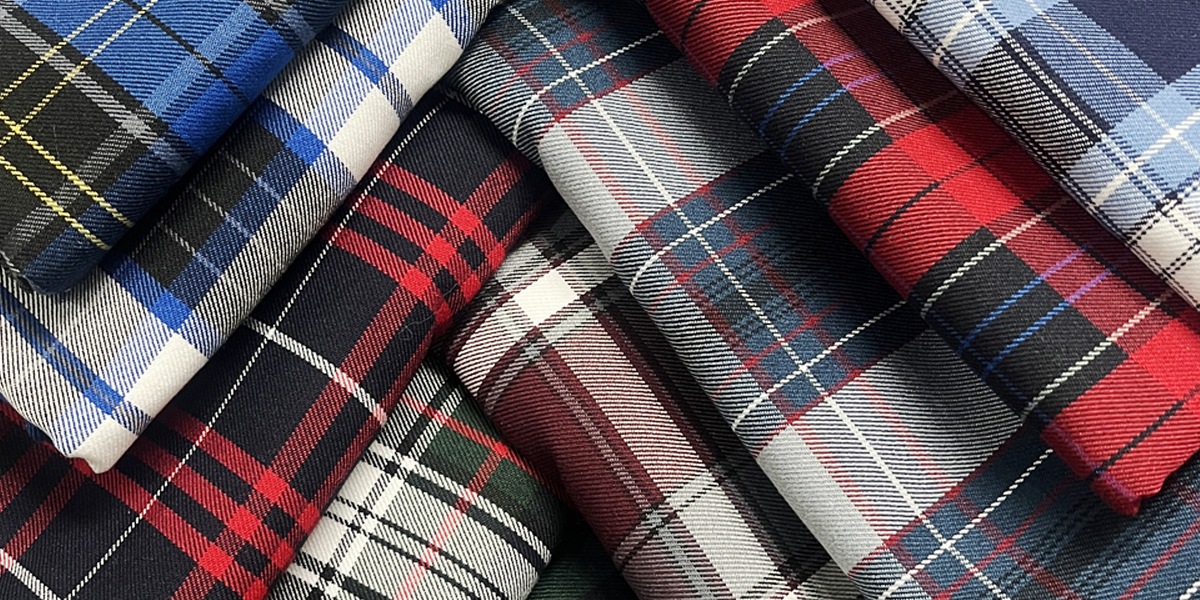
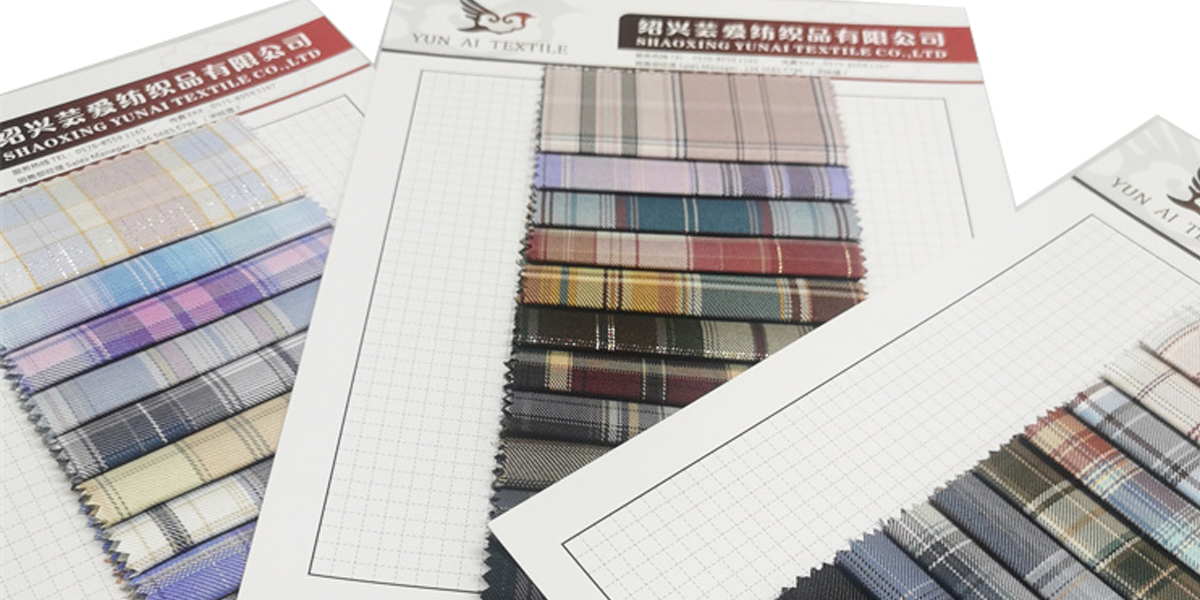
I find a high-quality polyester-viscose blend is the ultimate woven school uniform fabric for year-round comfort. This blend offers optimal durability, breathability, and softness, directly addressing issues like itching and stiffness, ensuring student well-being. Our Colorful Checked 65%polyester 35%viscose fabric, a 65%polyester 35%viscose blended Yarn Dyed fabric, makes an ideal Yarn Dyed Dress Fabric for School Uniform Skirt. This 65%polyester 35%rayon blended fabric fabric, our Checked T/R 65/35 Yarn Dyed school uniform fabric, provides superior comfort.
Key Takeaways
- Polyester-viscose fabric is the best choice for school uniforms. It keeps students comfortable all year. This fabric is strong and soft.
- This special fabric blend helps students focus better. It is breathable for warm days. It also provides warmth when it is cold.
- The polyester-viscose blend lasts a long time. It resists wrinkles. This makes uniforms easy to care for and keeps them looking good.
The Essential Need for Comfortable Woven School Uniform Fabric
Seasonal Challenges and Uniform Wear
I understand that students face unique challenges with their uniforms throughout the year. In warmer months, heavy or non-breathable fabrics can cause overheating and discomfort. Conversely, thin materials offer little protection when temperatures drop. This constant battle with the elements makes choosing the right woven school uniform fabric crucial. Students need uniforms that adapt, keeping them cool in summer and warm in winter.
How Comfort Impacts Student Focus
I believe comfort directly impacts a student’s ability to learn. An itchy collar or a stiff waistband can be a constant distraction. When students are uncomfortable, their attention shifts from lessons to their clothing. This reduces their focus and engagement in class. A comfortable uniform allows students to concentrate fully on their studies, promoting a better learning environment.
Defining Ideal Year-Round Fabric Qualities
When I consider the perfect year-round fabric, several qualities come to mind. An ideal fabric must offer a balance of features. I look for:
- Comfort: The fabric should feel good against the skin. It needs to stretch and absorb moisture effectively, especially for active students.
- Durability: Uniforms endure daily wear and frequent washing. The fabric must be thick, tear-resistant, and hold its shape.
- Adaptability: Blended fabrics often work best. They provide comfort in summer and warmth in winter.
- Breathability: This allows perspiration to escape, keeping students dry and comfortable.
- Washability: Easy care is essential. The fabric should resist stains, fading, and damage from washing and drying.
Polyester-Viscose Blend: The Superior Woven School Uniform Fabric
Understanding Polyester-Viscose Composition
I find the polyester-viscose blend to be a truly intelligent fabric choice. Polyester is a synthetic fiber. It offers incredible strength and resilience. Viscose, also known as rayon, is a semi-synthetic fiber. It comes from wood pulp. Viscose provides a soft feel and excellent breathability. When I combine these two fibers, I create a fabric that takes the best qualities from each. For most school uniform applications, I have found the optimal blend is typically 65% polyester and 35% viscose. This ratio achieves an ideal balance of properties. It ensures durability from the polyester while maintaining the softness and breathability of viscose.
Why This Blend Excels for Year-Round Comfort
I believe this blend truly excels for year-round comfort. Polyester-viscose blends are superior for school uniform comfort. Viscose offers highly breathable nature and excellent moisture absorption. It pulls sweat away from the skin. This keeps students dry and comfortable in various temperatures. This blend helps regulate body temperature throughout the school day. It works well from cool mornings to warm afternoons. I also notice polyester-viscose is typically softer. It has a silkier, more fluid drape compared to polyester-cotton. This makes it feel less stiff and more comfortable for active children. A 65% polyester and 35% viscose blend combines polyester’s durability and resistance to stretching with viscose’s soft, luxurious feel. This synergy creates a fabric that is both comfortable and resilient. It maintains its shape and appearance beautifully.
Breathability for Warm Weather Comfort
When the weather gets warm, breathability becomes essential. I appreciate how the viscose component in this blend allows air to circulate freely. This prevents heat from getting trapped against the skin. It helps students stay cool and comfortable. The fabric feels light and airy. This is crucial for active students during warmer months. It ensures they do not overheat.
Insulation for Cooler Temperatures
I also find this blend surprisingly effective in cooler temperatures. While it is breathable, the fabric’s weave and composition can trap a layer of air close to the body. This provides a degree of insulation. It offers warmth without bulk. This adaptability makes it a versatile woven school uniform fabric. Students stay comfortable as seasons change.
Softness and Reduced Skin Irritation
Comfort against the skin is a top priority for me. The viscose in this blend gives the fabric a wonderfully soft hand feel. It is gentle and smooth. This significantly reduces the chance of skin irritation or itchiness. Students can wear their uniforms all day without discomfort. This softness contributes greatly to their overall well-being.
Durability and Wrinkle Resistance
I value a fabric that can withstand daily wear and tear. The polyester content provides exceptional durability. It makes the fabric resistant to abrasion, pilling, and stretching. This means uniforms maintain their crisp, polished appearance longer. Polyester also offers excellent wrinkle resistance. This keeps uniforms looking neat throughout the school day. It also simplifies care for parents.
Effective Moisture-Wicking Properties
Active students need fabric that manages moisture well. I find this blend’s moisture-wicking properties very effective. Viscose absorbs moisture, pulling sweat away from the skin. The polyester helps to spread it out, allowing it to evaporate quickly. This keeps students feeling fresh and dry. It enhances comfort during physical activities or in humid conditions.
Comparing Woven School Uniform Fabric Options
Cotton: Breathable Yet Prone to Wrinkles
When I look at different fabrics, cotton often comes up for school uniforms. I know many people favor cotton because it feels soft and natural. It provides comfort throughout the school day. Schools in warmer places often choose cotton to keep students cool.
Cotton offers a smooth, gentle texture against the skin, reducing irritation. It allows air circulation, regulating body temperature. Cotton also absorbs sweat well, keeping students dry. It is a natural fiber, so it is less likely to cause allergic reactions.
However, I also see cotton’s downsides. It can rip easily and wears out faster than synthetic fabrics. Cotton is prone to shrinking after washing. It also wrinkles easily, so it needs regular ironing. When cotton gets wet, it holds moisture. This makes it feel heavy and clammy. It also takes a long time to dry.
Wool Blends: Warmth vs. Itchiness and Cost
Wool blends offer great warmth, which is excellent for colder climates. I find they provide good insulation. However, pure wool can sometimes feel itchy against the skin. Blending it with other fibers helps reduce this. Wool blends can also be more expensive than other uniform options. This makes them less practical for many schools.
Pure Polyester: Durable but Less Breathable
Pure polyester is very durable. It resists wrinkles and holds its shape well. However, I have found pure polyester has low breathability. It traps heat and sweat. This happens because it lacks ventilation. Its synthetic nature limits air flow. A 2023 U.K. consumer survey showed 54% of people felt 100% polyester was less breathable.
Polyester’s plastic makeup makes it water-resistant. But when students sweat, the fabric can feel humid and clammy. This stickiness is uncomfortable. Pure polyester also tends to hold odors. Because it lacks breathability, I do not often choose it for active wear.
Pure Viscose/Rayon: Softness with Durability Concerns
Pure viscose, also known as rayon, feels wonderfully soft. It has a smooth, luxurious feel. However, I notice some durability concerns with pure viscose. Rayon fibers lose strength when wet. This makes them more likely to get damaged during washing.
- Rayon fibers lose strength when wet.
- Rayon garments need gentle care, like hand washing and air drying.
- Rayon is generally less durable than cotton.
- Rayon garments can shrink, especially with heat.
Viscose rayon tends to weaken when wet. It is a delicate fabric. It can lose strength over time. To keep rayon garments looking good, I recommend gentle washing. Avoid high temperatures. This helps preserve the fabric’s quality. Proper care is essential for this woven school uniform fabric.
Key Considerations for Choosing Woven School Uniform Fabric
Fabric Weight and Weave Impact
I always consider fabric weight and weave when selecting a woven school uniform fabric. These factors greatly influence comfort. For hot climates, I know lighter weights and open weaves are crucial. They promote air circulation and breathability. A fabric weight (GSM) between 120-180 is ideal for summer wear. For shirts in hot climates, I recommend a GSM of 120-160. Trousers need more durability, so a GSM of 160-200 works well. Plain weaves like poplin are excellent for shirts due to their natural breathability. Lightweight twill is preferable for pants in hot conditions.
| Weight Category | GSM | Climate/Comfort Influence |
|---|---|---|
| Lightweight | 100–170 | Ideal for summer shirts and dresses, keeping cool and comfortable in hot climates. |
| Midweight | 170–340 | Suitable for uniforms, balancing durability with comfort. |
Ease of Care and Maintenance
I understand that ease of care is vital for school uniforms. Parents need fabrics that are simple to maintain. For polyester-viscose blends, I always check the care label first. I recommend machine washing on a gentle cycle with mild detergent and cold water. Air drying flat or hanging on a padded hanger works best. I advise against tumble drying, as it can cause shrinking. When ironing, I suggest using a low heat setting on slightly damp garments, turning them inside out.
Stretch and Flexibility for Active Students
I believe stretch and flexibility are important for active students. Children move a lot throughout the day. A uniform that allows for easy movement prevents restriction. This flexibility ensures students can play, sit, and learn comfortably. It also helps the uniform maintain its shape better, reducing strain on seams.
Color Retention and Fade Resistance
I prioritize color retention and fade resistance in school uniform fabrics. Colorfastness means the material maintains its color intensity. It resists fading after repeated washing and light exposure. Key colorfastness requirements include resistance to water, sweat, rubbing, soap washing, and dry cleaning. This ensures uniforms look vibrant and new for longer.
Maximizing Comfort and Longevity of Woven School Uniform Fabric
Importance of Proper Sizing and Fit
I always emphasize proper sizing for school uniforms. Ill-fitting uniforms cause significant discomfort. They can make students feel self-conscious. Overly tight uniforms restrict movement. Oversized ones can be equally challenging. These issues distract students from their lessons. Poorly tailored uniforms also reduce flexibility. This impacts a student’s focus in class. Proper measurements are an investment. They ensure overall well-being and performance. Incorrect sizing negatively affects uniform durability and lifespan.
Layering Strategies for Diverse Climates
I recommend smart layering for diverse climates. This helps students stay comfortable all year. For chilly mornings or air-conditioned classes, I suggest adding optional uniform layers.
For chilly mornings or air-conditioned classes, offer optional uniform layers like cardigans or lightweight jackets.
These layers provide warmth when needed. Students can remove them as the day gets warmer. This strategy ensures adaptability. It keeps students comfortable in changing temperatures.
Best Practices for Washing and Drying
I advise specific washing practices to maintain uniform quality. Polyester-viscose blends need careful handling. I always wash polyester using warm or cold water. High heat can damage polyester fibers. It breaks down the synthetic fibers. This leads to clothing damage. I avoid hot water to protect the fabric. This helps uniforms last longer.
The “Colorful Checked” Polyester-Viscose Woven School Uniform Fabric
Specifics of the 65% Polyester 35% Viscose Blend
I find our “Colorful Checked” fabric truly stands out. It features a precise blend of 65% polyester and 35% viscose. This composition creates a fabric with exceptional performance characteristics. I see polyester enhancing moisture-wicking. It draws sweat away for quick evaporation. This makes the fabric suitable for physical activity or humid conditions. Viscose is highly breathable. It absorbs moisture well, up to 13% of its weight without feeling damp. This is up to 50% more than cotton. It aids in temperature regulation. The 65% polyester content significantly improves the fabric’s strength. It also boosts abrasion resistance and dimensional stability. This counteracts viscose’s tendency to be less durable when wet or prone to stretching. This blend resists wrinkles more effectively than 100% viscose. It helps garments maintain their shape after wear and washing. The fabric retains color well even after multiple washes. It offers an elegant drape, flowing beautifully. It possesses a subtle sheen that enhances its visual appeal. This makes it suitable for sophisticated attire. The high viscose content contributes to an exceptionally soft, smooth, and silky texture. It provides a luxurious feel similar to silk or cotton. This is ideal for sensitive skin. The fabric is notably breathable due to the viscose content. It allows for high air permeability. This keeps the wearer cool and dry. It is easier to care for than pure viscose. It has reduced wrinkling and faster drying times. It is breathable enough for warm weather. It can also provide warmth when layered.
Benefits for School Uniform Skirts and Other Garments
I believe this blend offers significant advantages for school uniform skirts and other garments. The 65% polyester component ensures exceptional durability. It provides colorfastness and resistance to abrasion. This is crucial for daily wear in school uniforms. It also helps maintain the skirt’s shape and longevity. The 35% rayon (viscose) infusion provides a luxuriously soft feel. It minimizes skin irritation often associated with stiffer 100% polyester fabrics. Rayon’s natural breathability and moisture-wicking properties help regulate body temperature. This keeps students dry and comfortable during physical activities. This blend resists wrinkles and pilling better than 100% polyester. It helps maintain a polished appearance even after repeated washing. Unlike traditional polyester, this blend resists static buildup. The fabric accepts dyes more vibrantly than pure polyester. This ensures long-lasting, fade-resistant colors. The 235GSM weight provides a good balance. It is robust for structured uniforms yet lightweight enough for all-season comfort. This blend is highly durable. It is suitable for daily wear and frequent washing. It is not prone to wear or deformation. The fabric’s anti-wrinkle characteristics help keep the skirt neat and orderly. This maintains a clean image for students. The addition of viscose fiber makes the fabric more breathable than pure polyester. It aids skin respiration. It provides a cool feeling in warm weather. This blend is very easy to clean and iron. It is typically washable in a regular machine. It does not deform or fade when pressed. The fabric can achieve various aesthetic effects. This happens through different textile processes and dyeing methods. It offers versatility in design for school uniform skirts.
Durability, Colorfastness, and Soft Hand Feel
I prioritize durability, colorfastness, and a soft hand feel in school uniform fabrics. Our “Colorful Checked” blend excels in these areas. The polyester component provides outstanding durability. It resists abrasion and maintains the garment’s shape. This ensures uniforms withstand the rigors of daily school life. It also extends their lifespan. The yarn-dyed nature of the fabric ensures superior colorfastness. The vibrant checked patterns remain bright and true. They do not fade after repeated washing. This keeps uniforms looking new throughout the academic year. The 35% viscose infusion gives the fabric a luxuriously soft hand feel. It is gentle against the skin. This significantly enhances student comfort. It reduces the likelihood of irritation. This combination of strength, lasting color, and softness makes it an ideal choice.
Versatility and Sustainability Aspects
I appreciate the versatility of our “Colorful Checked” fabric. Its balanced weight and composition make it suitable for various garments. It works well for skirts, dresses, and even shirts. This allows for a cohesive uniform collection. The inclusion of rayon (viscose) aligns with growing sustainability goals. Rayon is derived from wood pulp. This offers a more eco-conscious option compared to purely synthetic materials. I also consider certifications important for sustainability. Schools can look for fabrics with OEKO-TEX Standard 100 certification. This ensures garments are tested for harmful chemicals. They are safe for human use. Bluesign® certification guarantees production with the lowest environmental impact. It focuses on reducing water, energy, and chemical use. It also ensures worker safety and pollution control. If a blend uses recycled polyester, the Global Recycled Standard (GRS) applies. This sets strict standards for recycled materials. It covers supply, chemical, social, and environmental aspects. These certifications provide assurance of responsible production.
I firmly believe the polyester-viscose blend stands as the ultimate choice for school uniforms. It delivers exceptional durability, breathability, and softness. I also find it incredibly easy to care for. Prioritizing this fabric ensures student well-being and extends uniform longevity.
FAQ
How does the polyester-viscose blend ensure year-round comfort?
I find the blend’s breathability keeps students cool in warm weather. Its insulating properties offer warmth when temperatures drop. This makes it ideal for all seasons.
Is the “Colorful Checked” fabric durable enough for daily school wear?
Yes, I designed this fabric for durability. The 65% polyester content provides excellent resistance to wear and tear. It ensures uniforms maintain their appearance throughout the school year.
What makes the polyester-viscose blend a better choice than pure cotton for school uniforms?
I believe the blend offers superior wrinkle resistance and faster drying times than cotton. It also combines cotton’s softness with enhanced durability and shape retention.
Post time: Nov-27-2025