
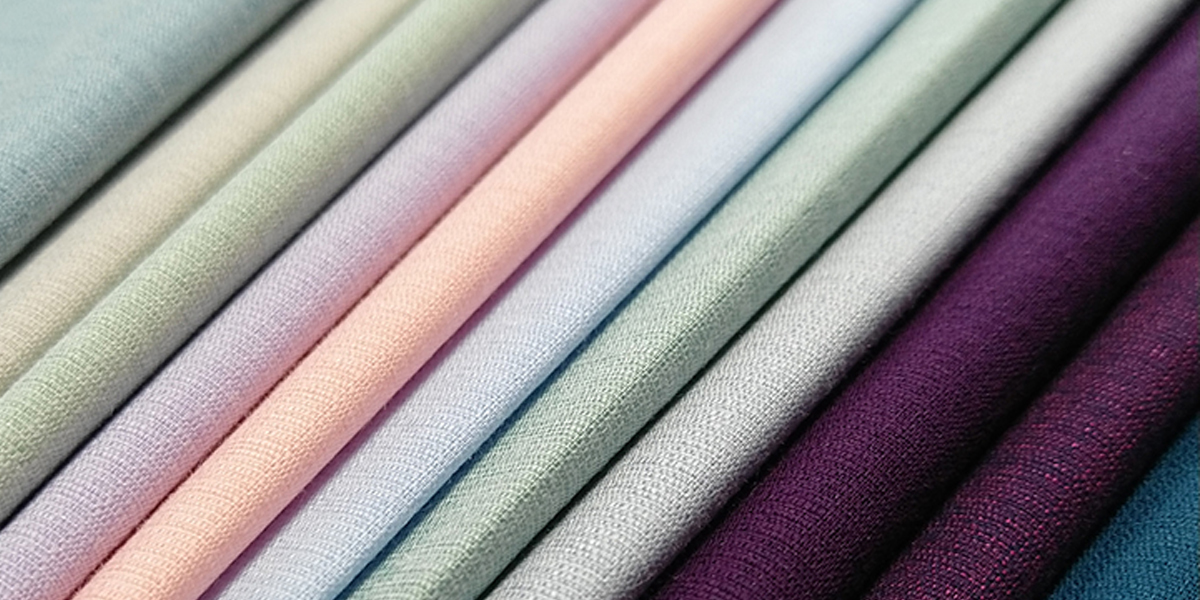
When I choose Mens Shirts Fabric, I focus on how each option feels, how easy it is to care for, and if it fits my budget. Many people like bamboo fiber fabric for shirting because it feels soft and cool. Cotton twill shirting fabric and TC shirt fabric offer comfort and easy care. TR shirt fabric stands out for its durability. I see more people choosing shirting material fabric that is both comfortable and eco-friendly.
Key Takeaways
- Bamboo fiber fabric offers soft, breathable, and eco-friendly shirts with natural antibacterial benefits, ideal for sensitive skin and those seeking sustainability.
- TC and CVC fabrics balance comfort and durability, resist wrinkles, and are easy to care for, making them great choices for workwear and everyday use.
- TR fabric keeps shirts looking crisp and wrinkle-free all day, perfect for formal and business occasions that require a polished appearance.
Comparing Mens Shirts Fabric: Bamboo, TC, CVC, and TR
Quick Comparison Table
When I compare Mens Shirts Fabric options, I look at price, composition, and performance. Here is a quick table that shows the average price range for each fabric type:
| Fabric Type | Price Range (per meter or kg) | Average Shirt Price (per piece) |
|---|---|---|
| Bamboo Fiber | Approx. US$2.00 – US$2.30 per kg (yarn prices) | ~US$20.00 |
| TC (Terylene Cotton) | US$0.68 – US$0.89 per meter | ~US$20.00 |
| CVC (Chief Value Cotton) | US$0.68 – US$0.89 per meter | ~US$20.00 |
| TR (Terylene Rayon) | US$0.77 – US$1.25 per meter | ~US$20.00 |
I notice that most Mens Shirts Fabric options fall in a similar price range, so my choice often depends on comfort, care, and style.
Bamboo Fiber Fabric Overview
Bamboo fiber fabric stands out for its silky-soft touch and smooth surface. I feel a subtle luster, almost like silk, when I wear it. The typical composition includes 30% bamboo for breathability and eco-friendliness, 67% polyester for durability and wrinkle resistance, and 3% spandex for stretch and comfort. The fabric weighs about 150 GSM and measures 57-58 inches wide.
Bamboo fiber fabric is breathable, moisture-wicking, and thermo-regulating. I find it lightweight and easy to wear, especially in spring and autumn. The fabric resists creasing and keeps a polished look, making it great for business or travel shirts. I also appreciate its sustainability and easy-care features.
Tip: Bamboo fiber fabric is eco-friendly and a good alternative to silk for those who want a sustainable option.
Scientific studies show that bamboo fiber contains a natural bio-agent called “bamboo kun.” This agent disrupts bacterial and fungal growth, giving the fabric strong antibacterial properties. Tests show bamboo fabric can inhibit up to 99.8% of bacteria, and this effect lasts even after many washes. Dermatologists recommend bamboo for sensitive skin because it is hypoallergenic and breathable. I have seen that bamboo shirts help people with skin conditions heal faster than cotton shirts.
TC (Tetron Cotton) Fabric Overview
TC fabric, also known as Tetron Cotton, blends polyester and cotton. The most common ratios are 65% polyester to 35% cotton or a 50:50 split. I often see TC fabric in poplin or twill weaves, with a yarn count of 45×45 and thread densities like 110×76 or 133×72. The weight usually falls between 110 and 135 GSM.
TC fabric offers a balance of strength, flexibility, and comfort. I choose TC shirts when I need something durable and easy to maintain. The fabric resists wrinkles, dries quickly, and holds its shape well. I find TC fabric especially useful for workwear, uniforms, and daily shirts that need to withstand frequent washing.
TC fabric stands out for its high durability and abrasion resistance. It does not shrink much and is easy to wash. I notice that shirts made from TC fabric last longer and keep their appearance better than many other blends.
CVC (Chief Value Cotton) Fabric Overview
CVC fabric, or Chief Value Cotton, contains more cotton than polyester. The usual ratios are 60:40 or 80:20 cotton to polyester. I like CVC shirts for their softness and breathability, which come from the high cotton content. Polyester adds durability, wrinkle resistance, and helps the shirt keep its color.
When I wear CVC shirts, I feel comfortable and cool because the fabric absorbs moisture well. The higher the cotton content, the better the air flow and moisture absorption. Polyester in the blend makes the shirt less likely to shrink or fade, and it helps the fabric stay strong.
Advantages of CVC fabric:
- Combines cotton’s softness with polyester’s toughness
- Good wrinkle resistance and moisture-wicking
- Less prone to shrinking and fading than 100% cotton
- Versatile for casual and activewear
Disadvantages:
- Less breathable than pure cotton
- Can develop static cling
- Limited natural stretch compared to elastane blends
I choose CVC Mens Shirts Fabric when I want a balance between comfort and easy care.
TR (Tetron Rayon) Fabric Overview
TR fabric blends polyester and rayon. I often see this fabric in business shirts, suits, and uniforms. TR fabric feels smooth and stiff, giving shirts an elegant and formal look. The fabric resists wrinkles and keeps its shape, which is important for business and formal occasions.
TR shirts offer high comfort and durability. I like that they come in rich colors and are easy to care for. The fabric works well for both casual and formal settings. I find TR Mens Shirts Fabric especially useful when I need a shirt that looks sharp all day.
Common uses for TR fabric:
- Business shirts
- Formal shirts
- Suits and uniforms
TR fabric stands out for its wrinkle resistance and ability to maintain a crease-free appearance, even after packing or stretching.
Head-to-Head Comparisons
When I compare these Mens Shirts Fabric options, I focus on wrinkle resistance, color retention, and durability.
| Fabric Type | Wrinkle Resistance | Color Retention |
|---|---|---|
| Bamboo Fiber | Good wrinkle resistance; not easy to wrinkle | Bright colors and clear prints, but colors fade quickly |
| TR | Excellent wrinkle resistance; maintains shape and crease-free appearance | Not specified |
Bamboo fiber fabric resists wrinkles well, but TR fabric performs even better, keeping its shape and smooth look longer. Bamboo shirts show bright colors and clear prints, but the colors may fade faster than other fabrics.
TC fabric offers the highest durability, making it ideal for workwear and uniforms. CVC fabric provides a good mix of comfort and strength, but it is less durable than TC. I find that bamboo fiber fabric is best for those who want a soft, eco-friendly shirt with antibacterial benefits. TR fabric is my top pick for formal shirts that need to look crisp all day.
How to Choose the Best Mens Shirts Fabric
Matching Fabric to Lifestyle
When I select Mens Shirts Fabric, I always match it to my daily routine. My work shirts need to look crisp and professional, so I choose poplin or high-quality cotton. For casual days, I prefer Oxford cloth or twill because they feel comfortable and look relaxed. If I travel often, I pick performance blends that resist wrinkles and stains. Here are some key factors I consider:
- Fiber content: Cotton and linen keep me cool and comfortable, while synthetics add strength.
- Weave pattern: Poplin feels smooth for business, Oxford works for casual wear.
- Thread count: Higher counts feel softer but must fit the shirt’s purpose.
- Seasonal needs: Flannel keeps me warm in winter, lightweight cotton cools me in summer.
- Care requirements: Natural fibers need gentle washing, blends are easier to maintain.
Considering Climate and Comfort
I always think about the weather before choosing a shirt. In hot climates, I wear lightweight, breathable fabrics like bamboo or linen. These materials wick moisture and let air flow, keeping me dry. For cooler days, I switch to heavier fabrics like flannel or thicker cotton. Performance blends help me stay comfortable during active days by managing sweat and drying quickly.
Care, Maintenance, and Cost
Easy care matters to me. I choose blends like TC or CVC when I want shirts that resist wrinkles and last through many washes. Pure cotton feels soft but may shrink or wrinkle more. Polyester blends cost less and need less ironing. I always check the care label to avoid surprises.
Eco-Friendliness and Sustainability
I care about the environment, so I look for sustainable options. Bamboo fiber stands out because it grows fast and uses less water. Organic cotton also supports eco-friendly farming. When I pick Mens Shirts Fabric, I try to balance comfort, durability, and my impact on the planet.
When I choose Mens Shirts Fabric, I look for comfort, durability, and easy care. Each fabric—bamboo, TC, CVC, and TR—offers unique strengths.
- Bamboo feels soft and suits sensitive skin.
- TC and CVC blends balance strength and comfort.
- TR keeps shirts crisp.
My choice depends on my needs.
FAQ
What fabric do I recommend for sensitive skin?
I always choose bamboo fiber. It feels soft and smooth. Dermatologists often suggest it for people with allergies or sensitive skin.
How do I keep my shirts wrinkle-free?
I pick TC or TR blends. These fabrics resist wrinkles. I hang shirts right after washing. I use a steamer for quick touch-ups.
Which fabric lasts the longest?
TC fabric lasts the longest in my experience. It resists wear and tear. I use it for work shirts that need frequent washing.
Post time: Aug-01-2025