
What Buyers Look for in Stretch Outdoor Woven Fabrics: A Deep Dive into High-Performance Textiles
The global outdoor apparel market has experienced a massive shift. Modern consumers no longer want to choose between rigid, durable workwear and flimsy, comfortable activewear. They want both. Whether it is for technical alpine climbing, multi-day backpacking, or urban commuting, the demand for high-performance apparel has put one specific material in the spotlight: outdoor woven stretch fabric.
For sourcing managers, product developers, and apparel buyers, selecting the right outdoor woven stretch fabric is a balancing act of science, engineering, and consumer psychology. To design garments that stand out in a crowded marketplace, buyers look for a specific core set of performance metrics.
Here is a comprehensive breakdown of the four pillars that dictate what buyers look for in premium stretch outdoor woven fabrics.
1. 4-Way Stretch: The Ultimate Freedom of Movement
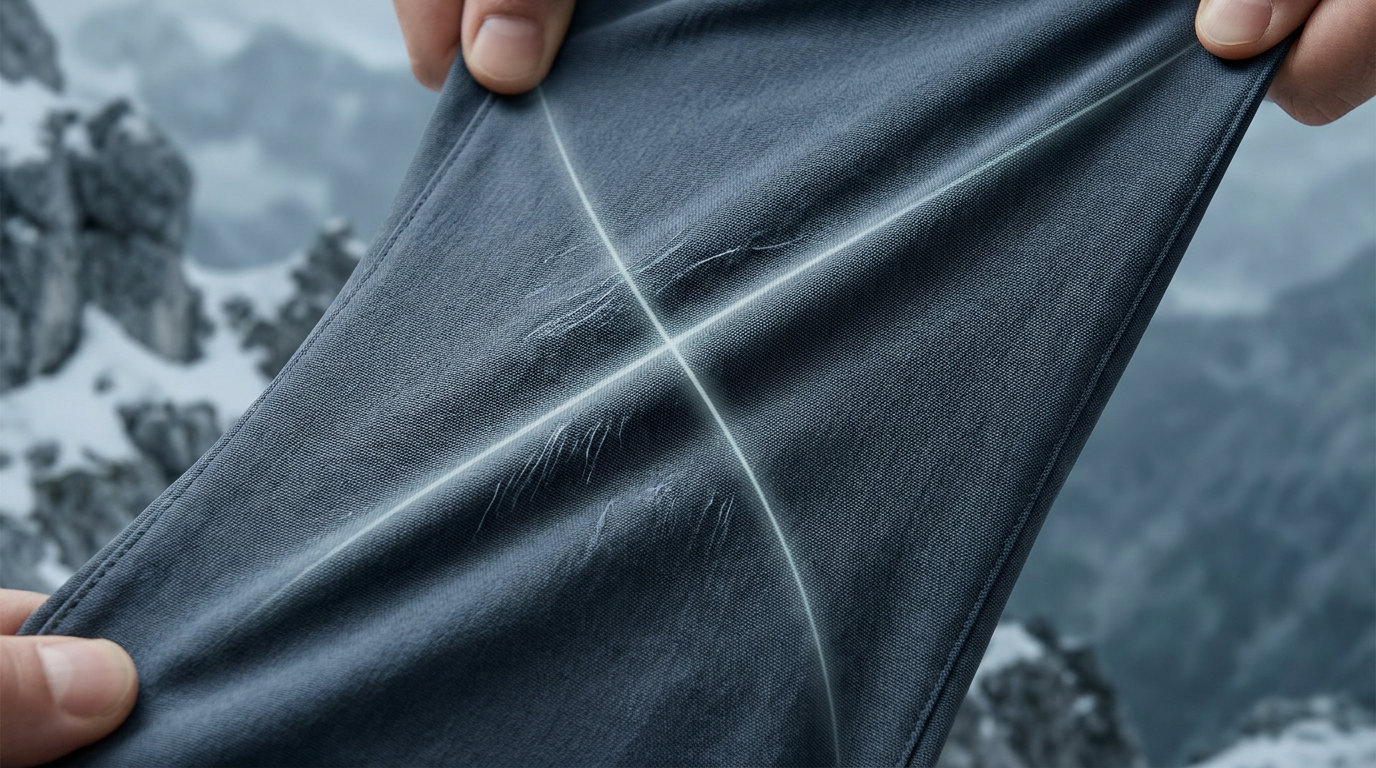
When evaluating outdoor woven stretch fabric, the mechanical behavior of the textile is the first thing a buyer tests. In the outdoor industry, stretch is generally categorized into 2-way stretch and 4-way stretch.
Why 4-Way Stretch Dominates
While 2-way stretch fabrics only expand horizontally (crosswise), 4-way stretch fabrics elongate both horizontally and vertically (lengthwise). For outdoor athletes, this difference is critical.
High-alpine climbing, trekking, and mountain biking require dynamic, multi-directional body movements. A 4-way stretch woven fabric ensures that the garment moves with the body rather than resisting it. This eliminates friction at the knees, hips, and shoulders, significantly reducing wearer fatigue.
The Composition: Spandex vs. Mechanical Stretch
Buyers look closely at how the stretch is achieved. Typically, it comes down to two methods:
-
Elastane (Spandex/Lycra) Blends: Mixing nylon or polyester with 5% to 15% elastane yields excellent elongation and immediate recovery.
-
Mechanical Stretch: Utilizing specially textured yarns or innovative weaving techniques to create inherent elasticity without elastane. Buyers often prefer mechanical stretch or low-elastane blends for long-term durability, as pure elastane can degrade over time when exposed to UV light, body oils, and heat.
2. Abrasion Resistance: Built to Endure the Elements
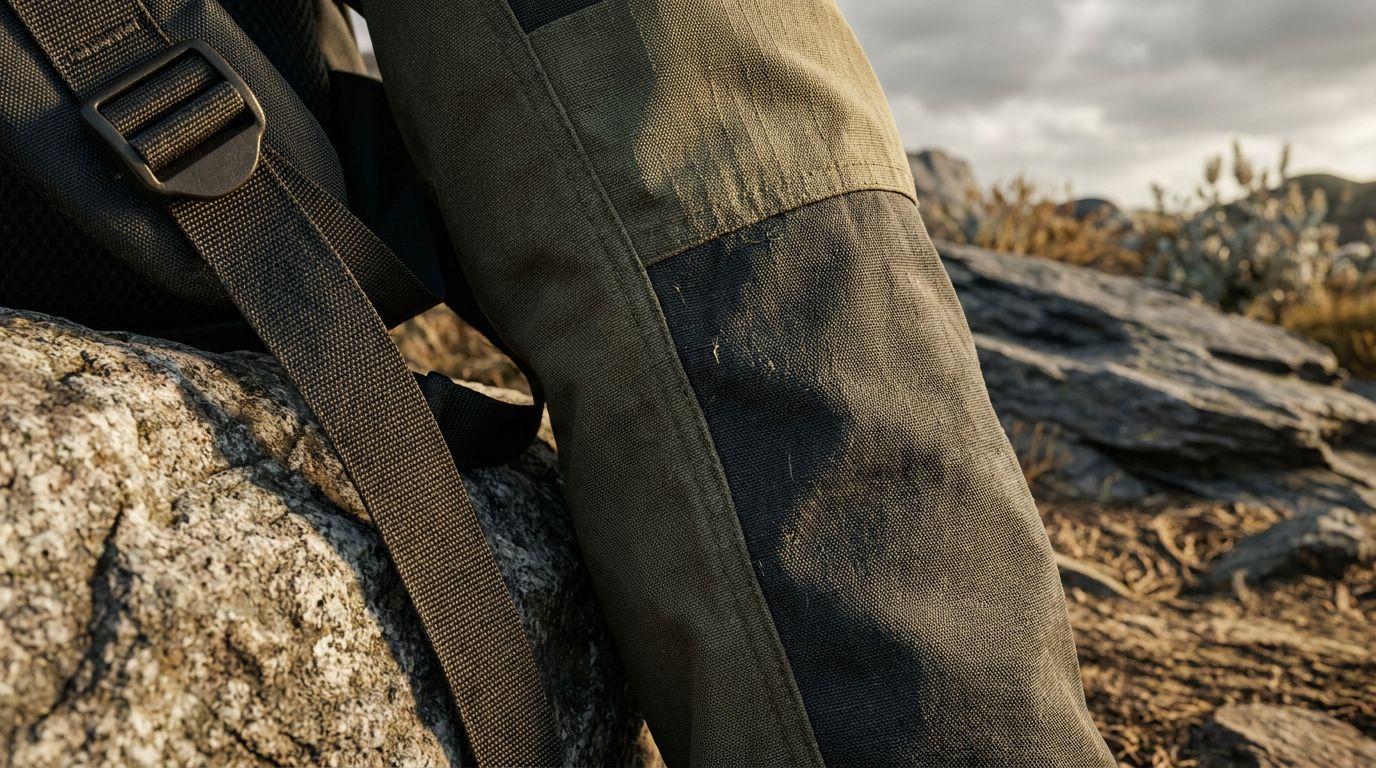
Outdoor environments are unforgiving. Fabrics must withstand constant friction from heavy backpack straps, jagged granite rocks, and dense brushwood. Therefore, durability and high abrasion resistance are non-negotiable for any commercial buyer.
Nylon 6 vs. Nylon 6,6
To ensure a garment doesn’t pill, tear, or thin out after a few rugged hikes, buyers prioritize the base polymer. Nylon (Polyamide) is the industry standard for durable outdoor wovens due to its incredible tensile strength. Premium buyers often specify Nylon 6,6, which features a denser molecular structure, offering significantly higher melting points and superior abrasion resistance compared to standard Nylon 6 or Polyester.
Testing Standards: Martindale and Wyzenbeek
Buyers don’t just take a mill’s word for durability; they demand certified lab data. When sourcing outdoor woven stretch fabric, they look for specific test results:
-
Martindale Rub Test (ISO 12947): Measures how many abrasive cycles a fabric can handle before the yarn breaks. For heavy-duty outdoor pants or jackets, buyers look for scores exceeding 40,000 to 50,000 rubs.
-
Ripstop Weaves: Buyers frequently look for grids woven into the fabric (ripstop) that isolate and prevent small punctures from turning into catastrophic tears.
3. Quick-Dry and Moisture Management: Comfort in Changing Climates
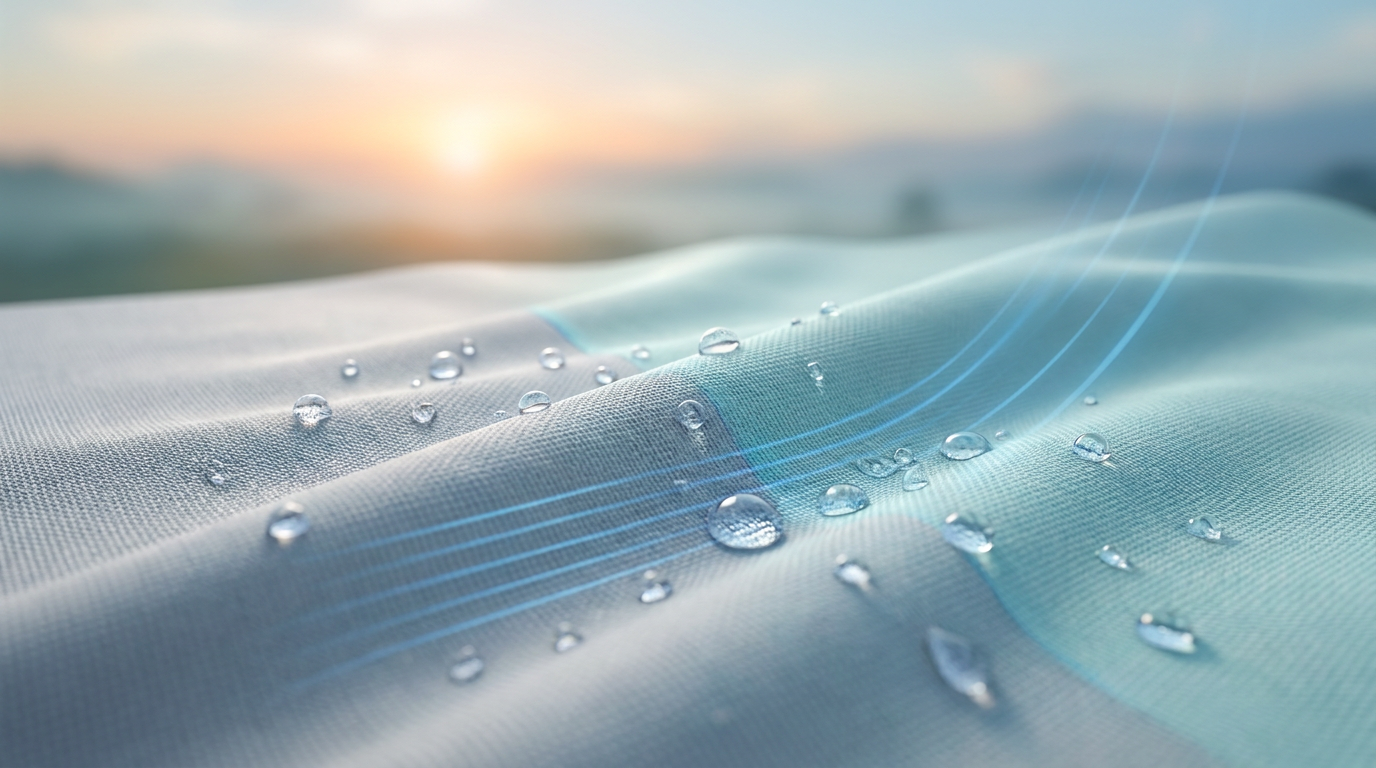
In the wilderness, moisture is the enemy. Whether it is sweat from a steep ascent or a sudden afternoon downpour, a wet fabric loses its thermal efficiency and causes painful chafing. A premium outdoor woven stretch fabric must possess advanced quick-dry capabilities.
Capillary Action and Wicking
Buyers look for fabrics engineered for capillary action. Instead of absorbing moisture into the core of the fiber (like cotton does), synthetic fibers like polyester and nylon pull moisture away from the skin and disperse it across a wide surface area on the fabric’s exterior. This allows ambient air to evaporate the water rapidly.
The Role of Durable Water Repellent (DWR)
While internal moisture is managed via wicking, external moisture requires a DWR (Durable Water Repellent) coating. Modern buyers are particularly strict about the chemistry used here. Due to tightening global environmental regulations, buyers are actively sourcing fabrics treated with PFAS-free (C0) DWR finishes. These finishes cause water to bead up and roll off the surface without compromising the fabric’s breathability or stretch.
4. Lightweight Construction: Maximizing Performance, Minimizing Bulk
The modern outdoor ethos is centered around “fast and light.” Every gram saved in apparel design allows the end-consumer to travel further and faster with less energy expenditure.
Balancing Weight (GSM) and Strength
The true genius of modern textile engineering—and what buyers pay a premium for—is achieving high abrasion resistance in a lightweight format. Fabric weight is measured in grams per square meter (GSM).
| Fabric Category | Typical GSM Range | Primary Target Applications |
| Ultra-Lightweight | 80 – 130 GSM | Windbreakers, running shorts, fast-packing shirts |
| Mid-Weight | 140 – 200 GSM | Multi-season trekking pants, alpine shorts, light softshells |
| Heavy-Weight | 210+ GSM | Mountaineering pants, winter softshells, rugged workwear |
Buyers analyze the denier (yarn thickness) to ensure that a low-GSM fabric doesn’t feel flimsy. A lightweight fabric constructed with high-tenacity fine yarns provides the perfect structural integrity while remaining highly packable.
Conclusion: Sourcing the Perfect Blend
Sourcing the ideal outdoor woven stretch fabric requires balancing competing priorities. A fabric cannot be so lightweight that it tears on the first rock encounter, nor can it be so durable that it becomes stiff and heavy.
The most successful buyers look for textiles that harmoniously merge 4-way stretch for mobility, high-tenacity nylon for abrasion resistance, advanced wicking treatments (and eco-friendly DWR) for quick-drying performance, and a low GSM footprint for lightweight comfort. By checking all four of these boxes, apparel brands can confidently engineer garments that deliver peak performance, season after season.
Post time: Jun-16-2026