
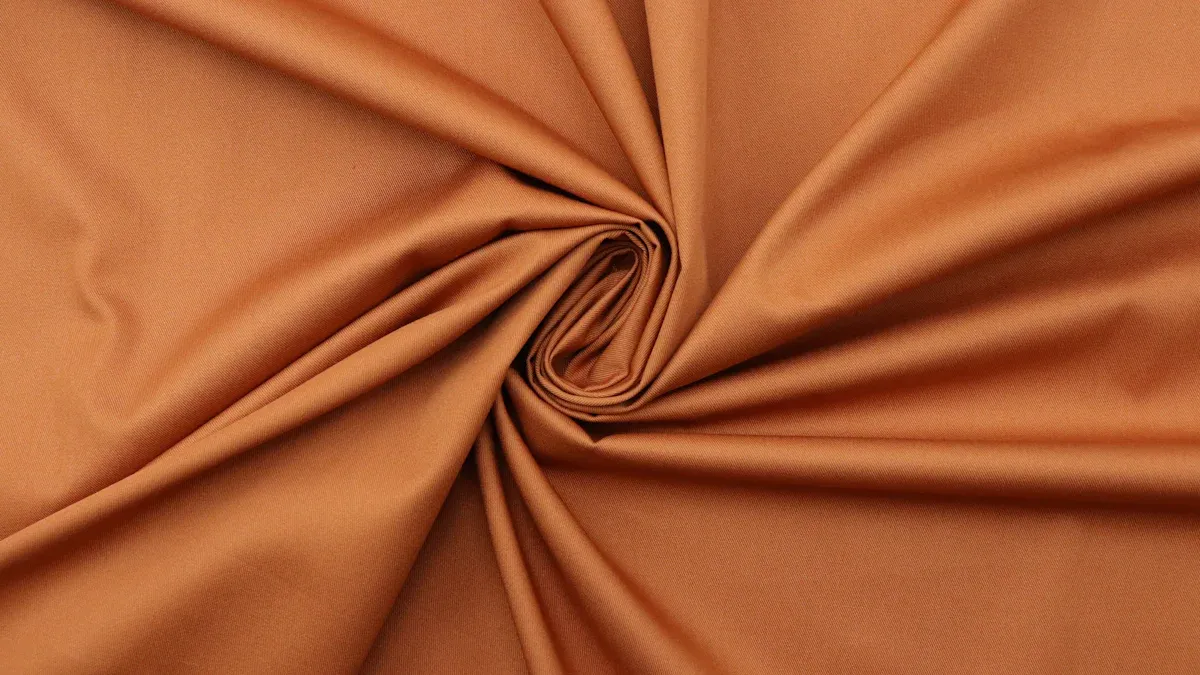
Professionals require specific materials for their work attire. Cotton, polyester, spandex, and rayon are primary materials for fabric for scrubs. Blends combine properties for enhanced performance. For instance, Polyester Spandex fabric offers durability with flexibility. Polyester Rayon Spandex fabric provides a soft feel and stretch. Selecting the appropriate fabric impacts comfort, durability, and function.
Key Takeaways
- Scrubs use fabrics like cotton, polyester, spandex, and rayon. Each fabric has different features for comfort, strength, and how it works.
- Blended fabrics combine materials to make scrubs better. For example, polyester-rayon-spandex blends offer comfort, strength, and stretch.
- Choose scrub fabric based on your needs. Think about comfort, how long it lasts, how much it stretches, and how easy it is to clean.
Primary Fabric for Scrubs: Types and Characteristics
Cotton Fabric for Scrubs
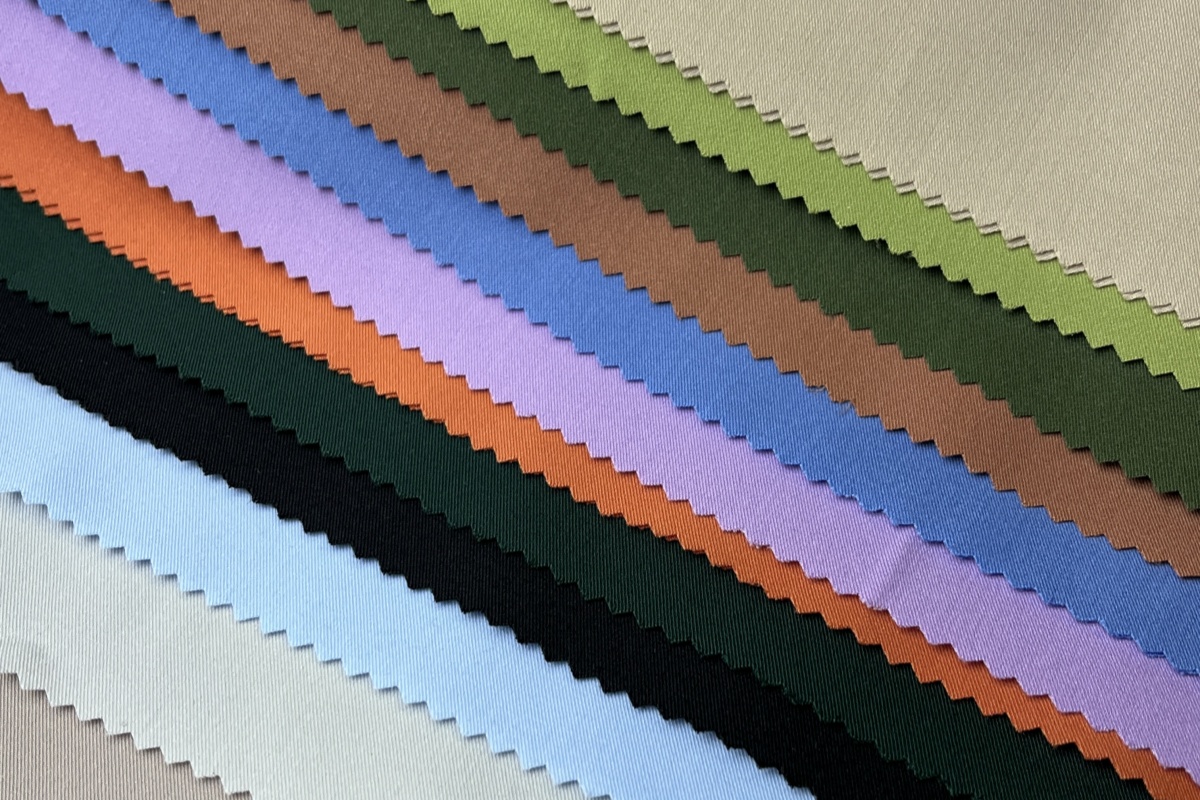
Cotton stands as a traditional choice for medical apparel. This natural fiber offers exceptional breathability, allowing air circulation and reducing heat buildup. Its inherent softness provides comfort against the skin, a crucial factor for healthcare professionals during long shifts. Cotton also demonstrates high absorbency, effectively wicking away moisture. These qualities make cotton a popular material for scrubs, particularly in warmer environments or for individuals prioritizing natural fibers.
Polyester Fabric for Scrubs
Polyester is a synthetic fiber known for its durability and resilience. Scrubs made from polyester resist wrinkles, fading, and shrinking, maintaining a professional appearance over time. Manufacturers often treat polyester to enhance its moisture-wicking properties, moving sweat away from the body. However, certain characteristics of polyester fabric require consideration. Some individuals may experience skin irritation from antimicrobial finishes applied to the fabric. These agents, while generally safe, can cause mild reactions in sensitive individuals or with prolonged exposure, especially under tight-fitting conditions or high humidity. Chemical residues from processing, such as formaldehyde resins or optical brighteners, can also act as irritants. Furthermore, coated polyester apparel, essential for hygiene in medical settings, can reduce the fabric’s ability to wick moisture. This reduction can lead to sweat buildup, skin maceration, and irritation, particularly during extended wear. Individuals with pre-existing skin conditions, like atopic dermatitis, are more prone to irritation from sweat buildup, friction, and chemical residues in polyester fabrics, potentially leading to flare-ups.
Spandex Fabric for Scrubs
Spandex, also known as elastane, is a synthetic fiber celebrated for its exceptional elasticity. Incorporating spandex into fabric for scrubs provides significant stretch and flexibility, allowing healthcare workers unrestricted movement. This elasticity helps garments retain their shape, preventing sagging or stretching out over time. While spandex offers excellent mobility and recovery in scrubs, it is not suitable as a standalone material. Scrubs made entirely of spandex would prove uncomfortable and impractical. It functions best as a ‘supporting player’ in fabric blends, typically included at 2–10%, rather than the ‘main act’.
Rayon Fabric for Scrubs
Rayon is a semi-synthetic fiber derived from regenerated cellulose, often wood pulp. It offers several desirable properties for medical uniforms. Rayon feels soft against the skin, a quality appreciated for clothing worn for extended periods. The fabric is also highly absorbent, a beneficial property for medical professionals who may encounter spills or require moisture-wicking capabilities. Rayon can mimic the properties of natural fibers like silk, wool, and cotton, offering similar comfort and feel. A rayon blend in nursing scrubs can provide properties similar to a cotton blend at a lower price point, making it a suitable option for budget-conscious purchases. However, rayon production carries significant environmental and health concerns. The manufacturing process involves acids, toxic dyes, and finishing chemicals that pollute air and water if not properly treated. Exposure to chemicals like carbon disulfide can cause dizziness, headaches, poor sleep, vision changes, weight loss, and affect kidneys, blood, liver, nerves, and reproductive health in workers. Sodium hydroxide (lye), another chemical used, is corrosive and can cause severe skin burns and eye damage, potentially leading to blindness. The process of preparing logs for pulp and turning pulp into fiber is energy- and water-intensive. Approximately 200 million trees are felled annually for textile production, with nearly half of the 6.5 million metric tonnes of rayon produced each year sourced from ancient and endangered forests.
Blended Fabric for Scrubs: Enhanced Performance
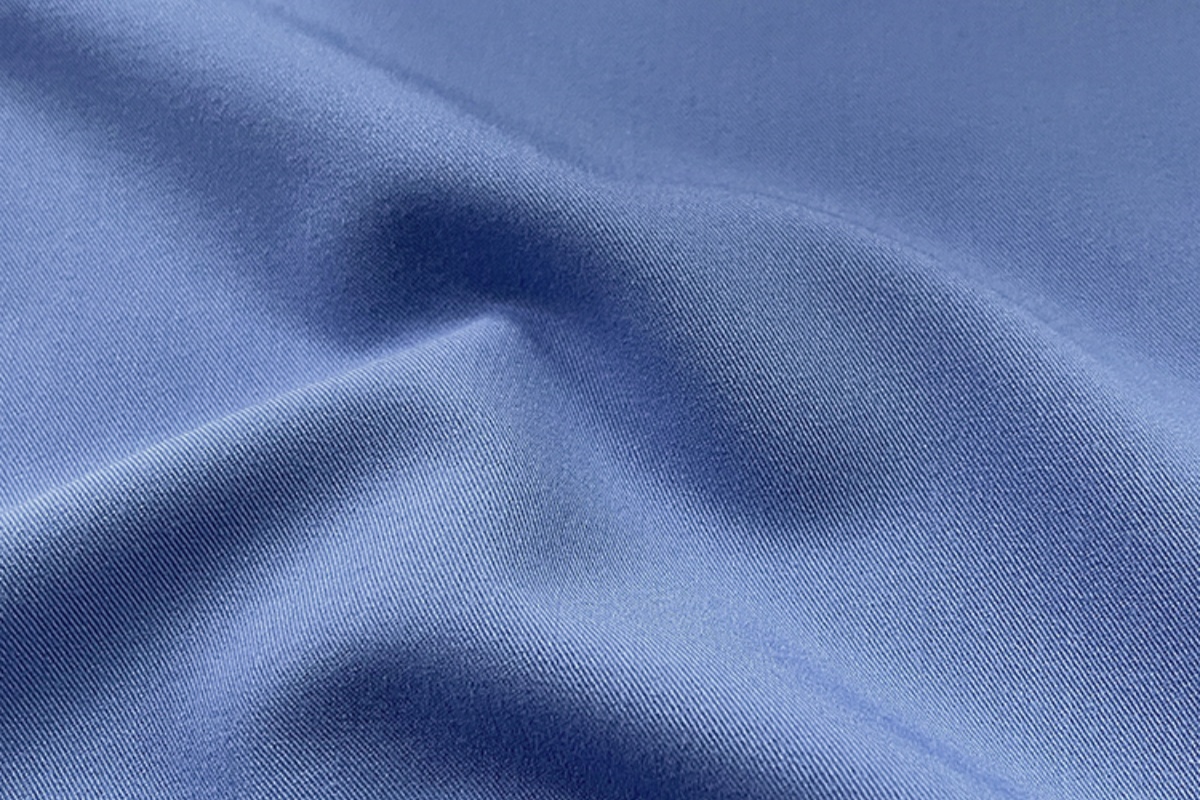
Blended fabrics combine different fibers to create materials with superior characteristics. These blends address the specific demands of healthcare environments, offering a balance of comfort, durability, and functionality.
Cotton-Polyester Blends
Cotton-polyester blends represent a popular choice for fabric for scrubs, merging the best qualities of both materials. This combination significantly improves breathability compared to pure polyester, allowing for better air circulation and comfort in warm settings. While cotton absorbs moisture well, it dries slowly. The blend balances this by offering effective moisture management, wicking sweat away from the body while drying faster than pure cotton. This ensures healthcare professionals remain dry and comfortable throughout their shifts.
| Feature | Cotton Benefits | Polyester Benefits | Blend (Cotton/Polyester) Benefits |
|---|---|---|---|
| Breathability | Excellent, allows air circulation, comfortable in warm weather. | Less breathable, can feel clammy in warm weather. | Improved breathability compared to pure polyester, while retaining some of polyester’s quick-drying properties. |
| Moisture Absorption | Highly absorbent, wicks away sweat, but dries slowly. | Wicks moisture away from the body quickly, dries fast. | Balances absorbency with quick-drying, managing sweat effectively without staying damp. |
| Softness & Comfort | Very soft, comfortable against the skin, hypoallergenic. | Can feel less soft, sometimes synthetic. | Softer than pure polyester, with a pleasant feel, reducing potential skin irritation. |
| Durability & Strength | Less durable, prone to wrinkling and shrinking, can tear. | Highly durable, resistant to wrinkles, shrinking, stretching, and tearing. | Enhanced durability and tear resistance, less prone to wrinkling and shrinking than pure cotton. |
| Wrinkle Resistance | Prone to wrinkling, requires ironing. | Excellent wrinkle resistance, maintains a smooth appearance. | Significantly more wrinkle-resistant than cotton, requiring less ironing and maintaining a professional look. |
| Shrinkage Resistance | Prone to shrinking, especially with heat. | Highly resistant to shrinking. | Reduced shrinkage compared to pure cotton, maintaining garment size and fit over time. |
| Color Retention | Can fade over time with washing. | Excellent color retention, resists fading. | Better color retention than cotton, keeping colors vibrant longer. |
| Stain Resistance | Can absorb stains easily. | More resistant to stains, easier to clean. | Improved stain resistance, making it easier to clean and maintain hygiene. |
| Odor Resistance | Can retain odors if not washed promptly. | Generally more resistant to odor absorption. | Better odor resistance than pure cotton, especially important in medical settings. |
| Cost | Generally more affordable. | Can be more expensive than cotton. | Often a cost-effective balance, offering improved performance without excessive cost. |
| Care | Requires careful washing to prevent shrinking and wrinkling. | Easy to care for, machine washable, quick-drying. | Easier care than pure cotton, often machine washable and quick-drying, reducing maintenance effort. |
| Appearance | Natural, matte finish. | Can have a slight sheen, more structured. | Combines the natural look of cotton with the crispness of polyester, offering a professional appearance. |
| Environmental Impact | Requires significant water and pesticides for cultivation. | Made from petroleum, non-biodegradable, but can be recycled. | Can reduce the overall environmental footprint by combining the best aspects of both, potentially using less water than pure cotton and being more durable than pure polyester. |
This blend also offers enhanced durability and tear resistance, making scrubs last longer. It resists wrinkles and shrinkage more effectively than pure cotton, reducing the need for frequent ironing and maintaining a professional appearance. Furthermore, cotton-polyester blends exhibit better color retention and improved stain resistance, simplifying cleaning and hygiene maintenance.
Polyester-Rayon-Spandex Blends
Polyester-rayon-spandex blends combine the strengths of three distinct fibers to create a highly functional material for medical uniforms. Polyester contributes durability, wrinkle resistance, and quick-drying properties. Rayon adds a soft, comfortable feel against the skin and enhances absorbency. Spandex provides essential stretch and flexibility, allowing healthcare professionals a full range of motion without restriction. This combination results in scrubs that are soft, comfortable, durable, and highly flexible, adapting to the dynamic movements required in medical settings. The blend maintains its shape well, resisting sagging and stretching out over time.
Other Performance Fabric Blends
Modern scrub designs often incorporate advanced fabric blends with specialized features to meet the rigorous demands of healthcare. These innovative materials go beyond basic comfort and durability.
- Moisture-Wicking Fabrics: These blends, often incorporating polyester, actively pull sweat away from the body. They keep healthcare professionals dry and comfortable during long, demanding shifts.
- Performance Fabrics: Typically a blend of polyester and spandex, these fabrics offer superior stretch and flexibility. They allow for a full range of motion, which is crucial for tasks involving bending, lifting, and reaching.
- Antimicrobial Fabrics: These specialized fabrics help prevent bacterial growth. They reduce the risk of contamination and promote a safer environment for both staff and patients.
- Cotton Blends: Combining cotton with materials like polyester enhances durability while retaining breathability and a natural feel. These blends suit various climates and personal preferences.
- Performance Mesh: Lightweight and highly breathable, performance mesh materials promote excellent airflow. Manufacturers often strategically place them in areas prone to heat buildup, preventing overheating.
Innovative technologies further enhance these blends. For example, DriMed® fabrics offer a range of advanced features:
| Technology/Fabric | Key Features |
|---|---|
| Moisture-wicking | Keeps the wearer dry and comfortable during long hours. |
| Antimicrobial properties | Reduces the growth of bacteria and odors, maintaining hygiene. |
| Breathability | Enhances airflow, preventing overheating. |
| Durability | Ensures the scrubs withstand frequent washing and wear. |
| Stretchability | Provides flexibility for unrestricted movement. |
| DriMed® Birdseye Pique | Moisture-wicking, antimicrobial fibers, mid-weight knit. |
| DriMed® Taslon | Lightweight, durable rip-stop weave, water-repellent, breathable, stretch. |
| DriMed® Stretch Twill | Soft, moisture-wicking, breathable, antimicrobial, stretchable. |
| DriMed® Pro-Tech Base Layer | Thermal resistance, ultra-soft, stretchable, lightweight. |
DriMed® Birdseye Pique, for instance, features moisture-wicking and antimicrobial fibers in a mid-weight knit. DriMed® Taslon offers a lightweight, durable rip-stop weave that is water-repellent, breathable, and stretchy. DriMed® Stretch Twill provides a soft, moisture-wicking, breathable, antimicrobial, and stretchable option. These advanced blends and technologies ensure scrubs offer optimal performance, hygiene, and comfort for healthcare workers.
Choosing the Best Fabric for Scrubs
Selecting the right fabric for scrubs significantly impacts a healthcare professional’s daily experience. Various factors influence this choice, from personal comfort to the demands of the work environment.
Comfort and Breathability Needs
Comfort and breathability are paramount for individuals working long shifts. Fabrics like polyester blends and rayon effectively regulate body temperature. They allow airflow and wick moisture away, keeping wearers cool and comfortable. Modern scrub fabrics, often featuring a brushed finish or rayon blend, feel gentle against the skin. This prevents irritation during extended wear. Materials with 2-way or 4-way stretch, such as those blended with spandex or elastane, provide freedom of movement without restriction, enhancing agility. Moisture-wicking and odor control properties pull sweat away from the body, keeping individuals dry and comfortable. Some fabrics also feature odor-resistant technology for freshness.
For hot and humid environments, specific fabrics offer superior performance. Cotton, a natural fabric, allows air to flow freely, keeping individuals cool. Modern cotton blends minimize wrinkling while retaining softness and breathability. Polyester, a durable synthetic fabric, has moisture-wicking properties that draw moisture away from the body, ensuring dryness and comfort. It dries quickly, making it suitable for intense physical activity. Spandex, often blended with cotton or polyester, provides flexibility and freedom of movement. These blends combine breathability with elasticity, ideal for active roles. Rayon, a soft, lightweight semi-synthetic fabric, is known for its breathability and moisture-wicking ability, making it suitable for warmer climates and high-energy environments. Tencel/Lyocell, an eco-friendly fabric, is soft, breathable, and moisture-wicking. It also regulates temperature, keeping individuals cool in summer, and is naturally antimicrobial. Bamboo fabric is sustainable, breathable, lightweight, and moisture-wicking. It also possesses natural antibacterial and hypoallergenic properties. Lightweight fabrics like polyester blends and rayon-based fabrics are recommended for their coolness, less clinginess, increased airflow, and easier movement in warm conditions. This leads to less heat retention and more breathability. Moisture-wicking fabrics, such as those utilizing COOLMAX® Technology or those in the Achieve Collection, pull sweat away from the skin for faster evaporation, keeping the wearer dry and comfortable in high-sweat roles.
Durability and Longevity Requirements
Scrubs must withstand the rigors of daily use and frequent washing. Scrubs should last more than 2 to 3 years. The fabric should maintain its fit and not shrink even after numerous washes. Fabric sturdiness, often found in materials like polyester-cotton twill, contributes to durability. Heavier fabrics tend to be more durable and offer better protection against spills. Construction quality, including features like raglan sleeves, can reduce wear and tear. Individuals should look for double-stitched, French, or reinforced seams for enhanced durability. The fabric must also withstand high-temperature washes and intense cleaning methods common in medical environments. Avoiding zips and snap buttons is advisable, as they can make scrubs harder to maintain and repair, potentially reducing longevity.
Polyester is an artificial fiber renowned for its strength and sturdiness. It enhances a scrub’s resistance to wrinkles and shrinking, helping garments maintain their shape and appearance even after numerous washes. Its inclusion in fabric blends is crucial for enduring repeated laundering without significant wear and tear, ensuring scrubs retain their color and integrity over time. Polyester/cotton blends are popular and widely used in medical uniforms due to their budget-friendly nature and stability. The polyester content in these blends significantly improves durability and prevents wrinkles. Additionally, the water retention of cotton-polyester blends is enhanced, ensuring that the size and fit remain consistent after washing. For those prioritizing washing durability and ease of care, choosing fabrics with a higher percentage of polyester fiber is recommended. Polyester-cotton blends can withstand heavy washing without significant degradation, making them long-lasting in high-usage environments. Polyester itself strengthens the fabric and provides resistance to wear and tear. It also resists wrinkles, which helps reduce maintenance costs and keeps the garment looking good through many washes. Fabrics like polyester and polyester blends are durable, resisting fading and damage even after multiple washes. This means scrubs remain functional and presentable over time, reducing the need for frequent replacement and offering cost-effectiveness.
Stretch and Flexibility Preferences
Healthcare professionals require clothing that allows unrestricted movement. The fabric weave significantly impacts the stretch and movement of scrubs. Knit fabrics are inherently more elastic and softer, making them ideal for scrub styles that prioritize comfort and ease of movement. Woven fabrics provide a more structured and refined feel, offering a moderate level of give. Blends incorporating spandex or elastane are crucial for achieving the necessary flexibility.
Stain and Wrinkle Resistance Factors
Maintaining a professional appearance is important in healthcare settings. Fabrics with good stain and wrinkle resistance simplify daily care. Polyester, either alone or in blends, offers excellent wrinkle resistance, helping scrubs maintain a crisp look throughout the day. Its smooth fibers also make it less prone to absorbing stains, making cleaning easier. Cotton-polyester blends balance the natural feel of cotton with the practical benefits of polyester, including improved stain and wrinkle resistance. This reduces the need for frequent ironing and ensures a neat appearance.
Maintenance and Care Considerations
Proper care routines extend the lifespan and maintain the appearance of scrubs. Washing frequency and method significantly impact fabric longevity. Washing scrubs too often or using harsh detergents can quickly wear down fibers. Using cold water and mild detergent helps maintain fabric strength and color vibrancy. Natural solutions like baking soda or white vinegar can combat odors without damaging the material. Overloading the washer creates friction, leading to faster wear.
| Fabric Type | Washing Instructions |
|---|---|
| Polyester/Spandex | Check garment tag. When in doubt, wash on a cold, gentle cycle with similar colors. Tumble dry on low, hang up, or lie flat to air dry. |
| Spandex (up to 20%) | Wash on warm, followed by a cold rinse. Dry on low heat (for more spandex) or medium heat (for less spandex). |
| Spandex (more than 20%) | Gently wash in cold water, then hang up to dry. |
| Rayon | Safest bet is to hand wash and line dry. If machine washable per tag, use delicate cycle and lie flat or hang dry. |
| Polyester | Turn garments inside out to prevent snags and pilling. Wash in warm water using fabric softener. Line dry or tumble dry on low temperature with a dryer sheet. |
High heat weakens fabric and causes shrinkage during drying. Air-drying preserves shape, fit, and integrity. If using a dryer, low or delicate settings are recommended to minimize fabric stress. Proper storage in a cool, dry place, either by hanging on padded hangers or neat folding, prevents stretching, creasing, and maintains a polished look. Rotating 3 to 5 sets of fabric for scrubs prevents overuse of individual pairs, allowing them to recover between washes and significantly extending their lifespan. Immediate stain treatment is crucial for maintaining appearance and preventing permanent damage.
Each primary fabric type offers distinct advantages for medical apparel. Blended materials combine these properties, delivering balanced performance and enhanced functionality. Professionals should select their fabric for scrubs based on specific job demands and personal comfort. This ensures optimal comfort, durability, and function in their daily work.
FAQ
What is the best fabric for scrubs?
Optimal fabric choice depends on individual requirements. Blends such as polyester-rayon-spandex deliver comfort, durability, and flexibility. Cotton blends offer superior breathability.
Do scrubs shrink?
Cotton scrubs may shrink, particularly with high heat. Polyester and its blends resist shrinkage. Always consult the care label for specific garment instructions.
How do I care for my scrubs?
Wash scrubs in cold water using mild detergent. Avoid high heat during drying. Air-drying preserves fabric integrity and extends garment lifespan.
Post time: Dec-10-2025