
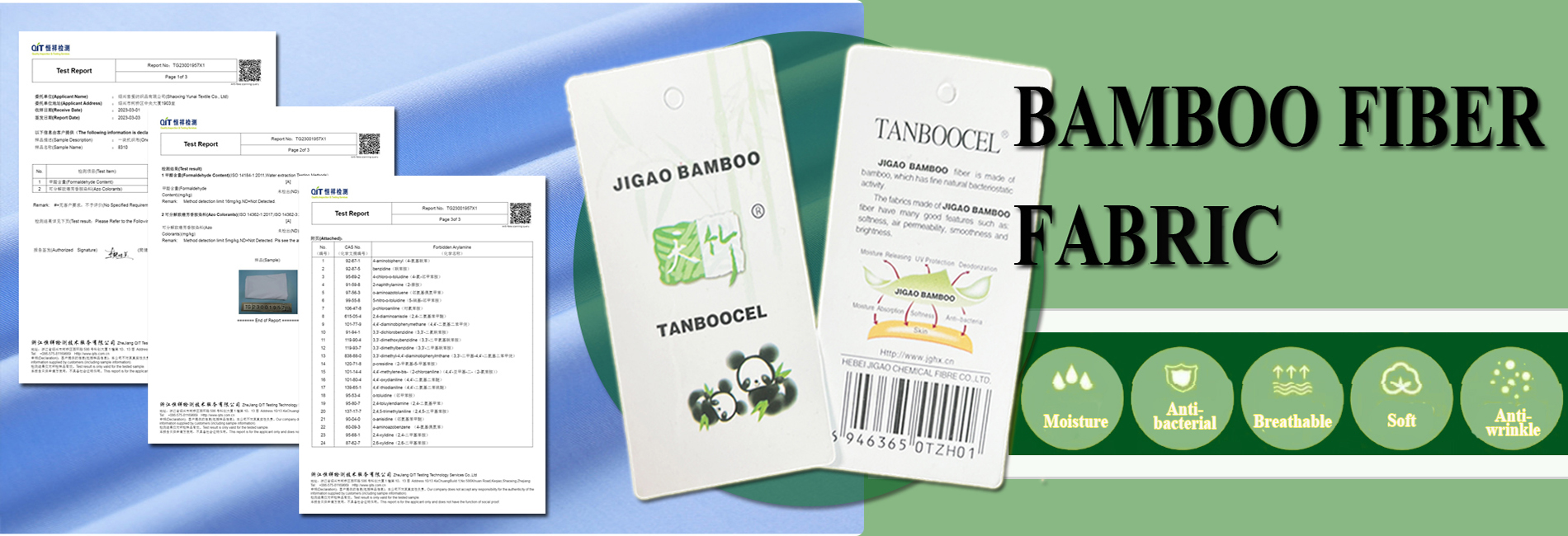
I notice bamboo scrubs fabric provides unmatched softness and breathability for my daily shifts. Healthcare professionals like me see the value in bamboo scrubs uniform options, especially as global sales surpassed 80 million units in 2023. Many choose bamboo viscose fabric for scrubs uniform or woven bamboo polyester fabric for scrubs uniform because bamboo fiber fabric for medical scrubs uniforms and bamboo scrubs fabrics offer superior comfort and sustainability.
Key Takeaways
- Bamboo scrubs fabric blends bamboo, polyester, and spandex to offer softness, stretch, and durability, making it ideal for long healthcare shifts.
- This fabric keeps you cool and dry by wicking moisture better than cotton, while its natural antibacterial and hypoallergenic properties protect sensitive skin.
- Bamboo scrubs are eco-friendly, lasting through many washes without losing quality, and their sustainable production helps reduce environmental impact.
What Is Bamboo Scrubs Fabric?
Composition and Materials
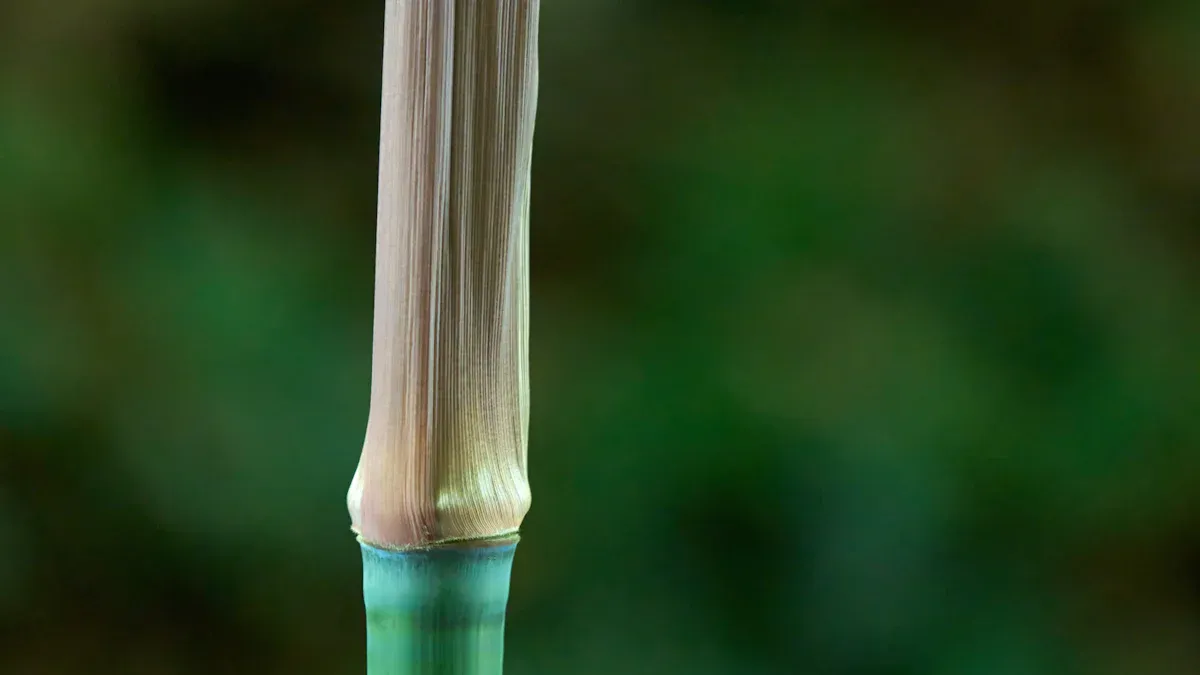
When I first explored bamboo scrubs fabric, I noticed its unique blend of fibers. Most bamboo scrubs fabric combines bamboo with polyester and spandex. This blend usually contains about 60-65% bamboo, 30-35% polyester, and 5-7% spandex. Each fiber brings its own strengths to the fabric:
- Bamboo gives the fabric a soft touch and natural antibacterial properties. I appreciate how it reduces skin irritation and resists mold, which is important for long shifts.
- Polyester adds durability and structure. My scrubs need to withstand frequent washing and heavy use, and polyester helps them last longer.
- Spandex provides stretch. I move a lot during my shifts, and the 4-way stretch from spandex improves my range of motion by about 20%.
Tip: I find that bamboo scrubs fabric wicks moisture 30% better than cotton. It keeps me cool and dry, even during the busiest days.
The blend also helps the fabric maintain its softness and color after many washes. After 50 industrial washes, the fabric still feels soft and looks vibrant. I have noticed less skin irritation compared to older uniforms, thanks to the fine bamboo fibers.
Here is a quick overview of the most common blend:
| Fiber | Percentage | Benefit |
|---|---|---|
| Bamboo | 60-65% | Softness, antibacterial, eco-friendly |
| Polyester | 30-35% | Durability, structure |
| Spandex | 5-7% | Stretch, flexibility |
How Bamboo Scrubs Fabric Is Made
I have learned that making bamboo scrubs fabric involves several steps, starting from raw bamboo and ending with the finished textile. The process can use either chemical or mechanical methods, but both aim to extract the best qualities from bamboo.
Here is the typical step-by-step process:
- Chop raw bamboo into small chunks.
- Extract cellulose from the bamboo using chemical solvents or natural enzymes in a closed-loop system.
- Compress the cellulose into sheets.
- Expose the sheets to carbon disulfide and filter them.
- Feed the filtered cellulose through a spinneret to form strands.
- Soak the strands in sulfuric acid to turn them into filaments.
- Spin the filaments into yarn.
- Weave the yarn into fabric.
Some manufacturers use natural enzymes and closed-loop systems to reduce environmental impact. This method produces bamboo linen, which is stronger and more sustainable. Mechanical processing in a closed-loop system creates the highest quality and longest-lasting bamboo fabric.
During production, several chemicals and treatments come into play:
- Sodium Hydroxide and Potassium Hydroxide strip the bamboo fibers.
- Hydrogen Peroxide bleaches the fibers.
- Boron salts and Copper Chrome Boron protect against pests and fungi.
- Adhesive glues bind the fibers but may release substances like formaldehyde.
- Varnishes and paints can add color or finish but may off-gas harmful chemicals.
- Petroleum-based lubricants used in machinery can introduce impurities.
These chemicals affect the safety, durability, and environmental impact of bamboo scrubs fabric. I always look for scrubs that meet strict certifications to ensure safety and quality. Some of the most important certifications include:
| Certification | Purpose |
|---|---|
| GOTS | Ensures organic fibers and responsible processing |
| OEKO-TEX 100 | Certifies textiles are free from harmful substances |
| AATCC | Sets standards for fabric quality and antimicrobial testing |
| CPSIA | Regulates safety, including lead and flammability |
Note: I always check for OEKO-TEX or GOTS labels when choosing bamboo scrubs fabric. These certifications give me confidence that my scrubs are safe for my skin and the environment.
Recent innovations in bamboo scrubs fabric technology have improved both quality and sustainability. Advances in fiber extraction and eco-friendly bleaching have made the fabric softer, stronger, and more environmentally responsible. I have seen these improvements firsthand in the latest scrubs on the market.
Why Is Bamboo Scrubs Fabric Gaining Popularity?
Comfort and Wearability
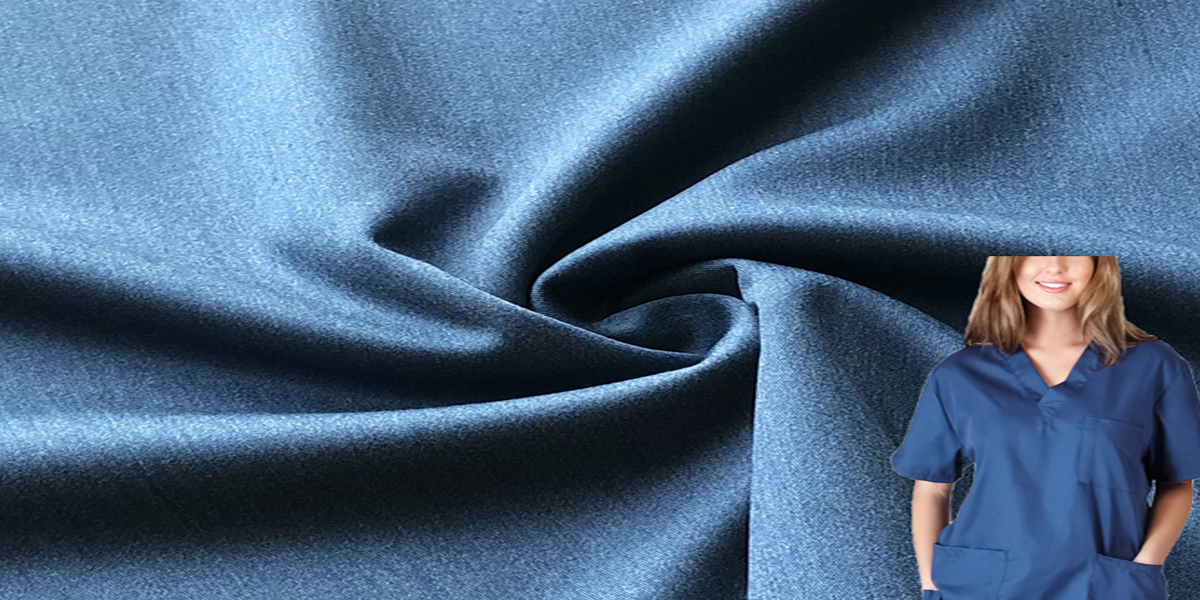
When I wear bamboo scrubs fabric during my shifts, I immediately notice the difference in comfort. The fabric feels soft against my skin and allows me to move freely throughout the day. I value how it combines breathability and moisture-wicking, which keeps me cool and dry even during the most demanding hours. Here is how bamboo scrubs fabric compares to other common materials:
| Fabric | Breathable | Moisture-Wicking |
|---|---|---|
| Bamboo | Yes | Yes |
| Cotton | Yes | No |
| Polyester | Yes | Yes |
- Bamboo polyester fabric wicks moisture more effectively than polyester, keeping me dry during long shifts.
- The natural breathability of bamboo allows air to circulate, preventing overheating and discomfort.
- Unlike cotton, which only allows air to pass through, bamboo actively pulls sweat away from my skin and evaporates it quickly.
- The softness and breathability of bamboo polyester scrubs make them ideal for all-day wear in healthcare environments.
Tip: I recommend bamboo scrubs for anyone who wants to avoid the sticky feeling that comes with sweat buildup. The superior thermoregulation helps me stay comfortable, no matter how busy my day gets.
Health Benefits
I have sensitive skin, so I pay close attention to the materials in my uniforms. Bamboo scrubs fabric stands out because it is naturally hypoallergenic and gentle. I rarely experience irritation or rashes, even after long shifts. The fabric’s natural antibacterial properties help prevent odor and reduce the risk of infection, which is critical in healthcare settings.
- Bamboo fabric is a natural, breathable material that wicks away sweat and allows air circulation, which benefits professionals with sensitive skin or allergies.
- The softness and lightweight feel reduce skin irritation by minimizing friction and moisture buildup.
- Hypoallergenic scrubs made from bamboo keep my skin calm, dry, and comfortable, lowering the risk of rashes or allergic reactions.
- The natural bio-agent “bamboo kun” in bamboo fabric prevents bacterial growth and reduces odor, supporting hygiene without chemical treatments.
A clinical trial at St. Luke’s Medical Center reported a 40% reduction in staff skin irritations when wearing bamboo scrubs. I have seen similar improvements in my own experience, especially compared to synthetic uniforms.
Durability and Easy Care
Durability matters to me because I wash my scrubs frequently. Bamboo scrubs fabric holds up well, resisting pilling and fading even after dozens of washes. The fabric maintains its softness and flexibility, which means I do not have to replace my uniforms as often.
- Bamboo-polyester blends maintain 92% softness after 50 washes and provide 50% longer odor resistance than treated polyester.
- The fabric resists pilling and fading, supporting frequent use and industrial laundering.
- Bamboo scrubs are easy to care for; I can machine wash and dry them without worrying about shrinkage or loss of quality.
Note: The durability of bamboo scrubs fabric reduces the need for frequent replacement, which saves money and lowers waste in healthcare facilities.
Environmental Sustainability
I care about the environmental impact of my choices, and bamboo scrubs fabric aligns with my values. Bamboo grows quickly, requires less water, and needs fewer chemical inputs than cotton. The cultivation process uses less land and supports biodiversity.
| Environmental Factor | Bamboo Cultivation | Cotton Cultivation |
|---|---|---|
| Water Usage | Significantly less water required | High water consumption |
| Chemical Treatments | Fewer chemicals, less pesticide/herbicide use | Heavy pesticide and herbicide use |
| Land Requirements | Can grow on marginal lands | Requires fertile soil |
| Biodegradability | Biodegradable, breaks down naturally | Takes longer to decompose |
- Mechanical processing of bamboo uses natural enzymes and is eco-friendly, though more expensive.
- Chemical processing can release harmful fumes, so I look for scrubs made with closed-loop or mechanical methods.
- Bamboo-blend fabrics are naturally breathable and biodegradable, making them a greener choice than many synthetic or cotton-based uniforms.
- Life cycle assessments show reusable healthcare textiles, like bamboo scrubs, reduce solid waste by up to 97% compared to single-use items.
Healthcare professionals like me increasingly prioritize eco-friendly materials. The industry trend moves toward greener apparel solutions, and bamboo scrubs fabric leads the way with its sustainable profile.
I see bamboo scrubs fabric as a smart choice for healthcare. It delivers comfort, durability, and eco-friendly benefits.
- Certifications like GOTS and OEKO-TEX ensure safe, sustainable production.
Dr. Maria Gonzalez shared that her team saw fewer skin irritations after switching to bamboo scrubs, proving their long-term value.
FAQ
Are bamboo scrubs fabric safe for sensitive skin?
I have sensitive skin and find bamboo scrubs fabric gentle and non-irritating.
Tip: Always check for OEKO-TEX or GOTS certification for extra peace of mind.
How do I care for bamboo scrubs fabric?
I machine wash my bamboo scrubs in cold water and tumble dry on low.
- I avoid bleach and fabric softeners to maintain softness and durability.
Do bamboo scrubs shrink after washing?
I have not noticed significant shrinkage after washing my bamboo scrubs.
Bamboo-polyester blends hold their shape and size well, even after repeated laundering.
Post time: Jul-23-2025