
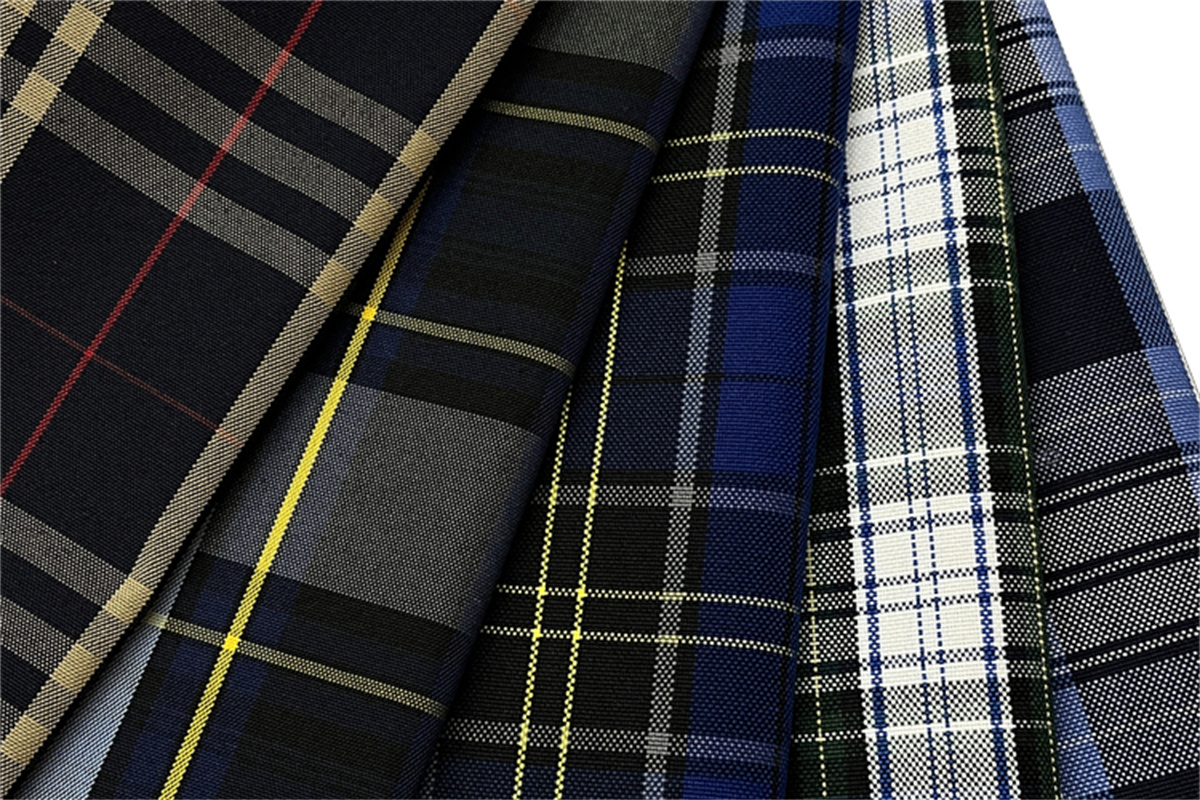
When I select school uniform fabric, I choose yarn dyed plaid fabric for school uniform needs because it holds color well and stays crisp. The woven polyester rayon fabric for school uniform, like the Customized Woven Red Yarn Dyed School Uniform TR 6, offers a soft touch and durability. I find that yarn dyed school uniform fabric, especially TR checks fabric for school uniform, keeps students comfortable and uniforms looking sharp.
Here is a quick look at why this blend works so well:
Attribute Value Contribution to Daily School Wear Fabric Composition 65% Polyester, 35% Rayon Polyester ensures durability, colorfastness, abrasion resistance; Rayon adds softness, breathability, moisture-wicking, and reduces skin irritation Weight 230-235 GSM Optimal weight for structured yet comfortable uniforms suitable for all seasons Width 57″-58″ (148 cm) Standard width for garment manufacturing Durability Features Resistance to abrasion, static buildup, and pilling Maintains uniform appearance and longevity despite daily wear and washing Comfort Features Soft hand feel, moisture-wicking, breathability Enhances wearer comfort and reduces irritation during physical activity Environmental Aspect Partial biodegradability of rayon Supports sustainability goals, adding practical value Colorfastness Vibrant dye acceptance Ensures long-lasting, fade-resistant colors
Key Takeaways
- Choose yarn dyed polyester or polyester-rayon blends for school uniforms to get durable, comfortable, and colorfast fabrics that stay sharp and soft all year.
- Pick fabrics that match your climate and student needs, like lightweight cotton for warm areas or wool blends for cold weather, to keep students comfortable.
- Care for uniforms by washing in cold water, drying quickly, treating stains early, and ironing on low heat to keep plaid patterns bright and uniforms lasting longer.
Key Criteria for Choosing School Uniform Plaid Fabric
Comfort
When I choose fabric for school uniforms, comfort always comes first. I look for materials that feel soft against the skin and allow air to flow. Breathable fabrics help students stay cool and dry, even during long school days. Moisture absorbency also matters because it reduces irritation and keeps students comfortable.
- Softness prevents chafing and itching.
- Breathability allows heat to escape.
- Moisture-wicking keeps skin dry.
Durability
I know that school uniforms must survive daily wear and frequent washing. I select fabrics like polyester and poly-cotton blends because they resist shrinking, wrinkling, and color fading. Gabardine fabric stands out for its tight weave and strength. Durable fabrics keep uniforms looking neat and professional, even after months of use.
Tip: Durable uniforms save money over time because they last longer and need fewer replacements.
Maintenance
Easy care is essential for busy families. I prefer fabrics that wash well and dry quickly. Polyester blends rarely need ironing and resist stains. This makes uniforms easy to clean and maintain, which helps students look tidy every day.
Appearance
A crisp, vibrant plaid pattern gives uniforms a polished look. I choose yarn-dyed fabrics because they hold color well and resist fading. Structured fabrics like gabardine keep pleats and shapes sharp, so uniforms always look their best.
Climate Suitability
I match fabric weight and breathability to the local climate. Lightweight, airy fabrics work well in warm regions. Heavier, tightly woven materials provide warmth in cooler areas. This ensures students stay comfortable throughout the school year.
Yarn Dyed Plaid Fabric for School Uniform
What Is Yarn Dyed Plaid?
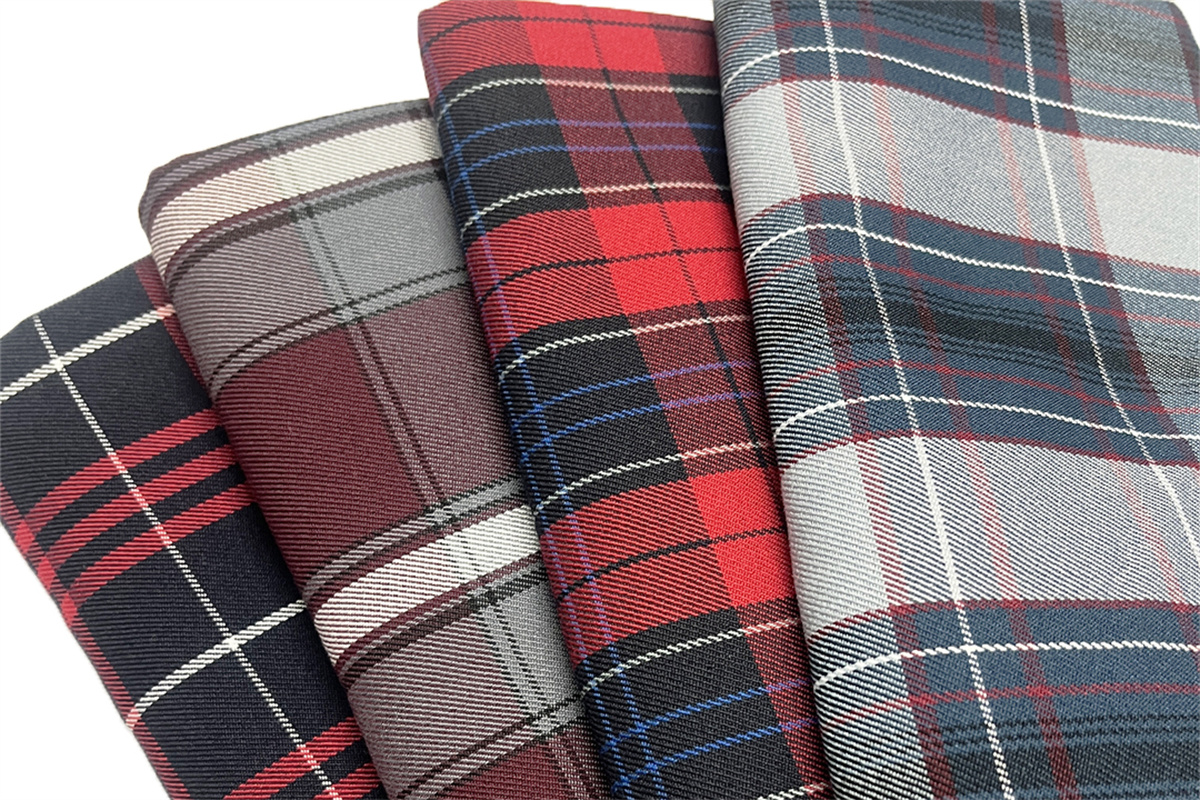
When I select fabric for school uniforms, I always look for yarn dyed plaid. This process dyes the yarns before weaving, so the colors stay vibrant and sharp even after many washes. I notice that yarn dyed plaid fabric for school uniform applications often uses high-quality polyester or cotton yarns. For example, some fabrics use 100% polyester yarns with a dense weave and a weight of 230gsm. This structure gives the fabric firmness, wrinkle resistance, and strong colorfastness. I have seen that these fabrics pass strict quality checks and meet ISO standards, which means they hold up well in daily school life. The yarn dyed method also allows for a wide range of plaid patterns, making it easy to match school colors and styles.
Benefits of Yarn Dyed Plaid for Uniforms
I choose yarn dyed plaid fabric for school uniform needs because it offers many advantages. The fabric resists fading, shrinking, and pilling, so uniforms keep their crisp look all year. I find that the dense weave and high-tenacity polyester fibers make the fabric durable, even after over 200 industrial washes. The hydrophobic nature of polyester means the fabric dries quickly and resists stains and odors. When I use blends like cotton with a touch of spandex, students enjoy extra comfort and flexibility. The timeless plaid pattern gives uniforms a classic, polished appearance. I also appreciate that these fabrics are easy to care for and maintain, which saves time for both parents and students.
Tip: Yarn dyed plaid fabric for school uniform garments combines durability, comfort, and style, making it a smart choice for any school.
Common Materials Used in School Uniform Plaid Fabric
100% Polyester
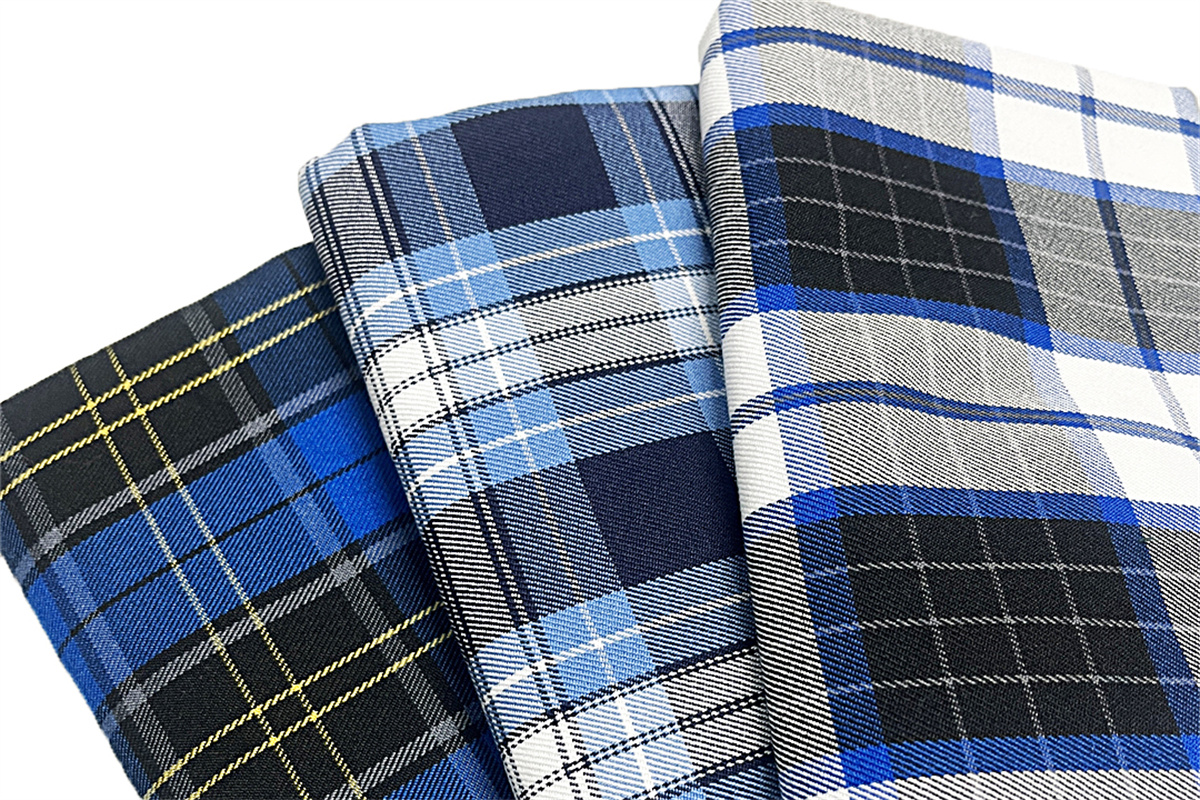
I often choose 100% polyester for school uniforms because it stands up to daily wear. This fabric resists wrinkles and dries quickly. I notice that it keeps its shape and color, even after many washes. Polyester also works well for yarn dyed plaid fabric for school uniform needs, as it holds vibrant colors and crisp patterns.
Polyester Rayon Blends
I like polyester rayon blends for their balance of strength and comfort. The polyester gives durability, while the rayon adds softness and breathability. Students tell me these blends feel smooth and comfortable all day. I see that uniforms made from this blend look neat and resist pilling.
Cotton
Cotton feels soft and natural. I pick cotton when I want a breathable and gentle fabric. It absorbs moisture well, which helps students stay cool. However, I find that cotton wrinkles easily and may fade faster than synthetic options.
Poly-Cotton Blends
Poly-cotton blends combine the best of both fibers. I use these blends when I want easy care and comfort. The polyester helps the fabric last longer, while the cotton keeps it soft. Uniforms made from poly-cotton blends often need less ironing.
Wool
Wool gives warmth and a classic look. I recommend wool for colder climates. It insulates well and resists odors. However, wool can feel itchy for some students and usually needs special care.
Spandex Blends
Spandex blends add stretch to uniforms. I choose these fabrics for students who need extra flexibility. The stretch helps uniforms move with the body, making them great for active days.
Tip: Always match the fabric choice to the needs of your students and the school environment.
Pros and Cons of Popular Plaid Uniform Fabrics
100% Polyester
I often recommend 100% polyester for school uniforms because it delivers outstanding durability. This fabric resists wrinkles and dries quickly. I notice that polyester keeps its shape and color, even after many washes. It works well for busy students who need uniforms that look neat all day.
Pros:
- Excellent color retention
- Quick drying
- Strong resistance to wrinkles and shrinking
- Affordable for most school budgets
Cons:
- Can feel less breathable than natural fibers
- May cause static buildup
- Sometimes feels less soft against the skin
Note: I find that 100% polyester yarn dyed plaid fabric for school uniform applications holds vibrant patterns and stays crisp throughout the school year.
Polyester Rayon Blends
I choose polyester rayon blends when I want a balance between strength and comfort. The polyester gives the fabric durability, while the rayon adds softness and breathability. Students often tell me these uniforms feel smooth and comfortable.
| Pros | Cons |
|---|---|
| Soft, comfortable texture | Slightly higher cost than pure polyester |
| Good moisture-wicking | May pill over time |
| Resists wrinkles and fading | Needs gentle washing for longevity |
I see that this blend works well for students who want both comfort and a polished appearance.
Cotton
Cotton feels soft and natural. I like to use cotton for students with sensitive skin. It absorbs moisture well and allows air to flow, which helps students stay cool.
Pros:
- Soft and gentle on skin
- Highly breathable
- Absorbs moisture
Cons:
- Wrinkles easily
- Fades faster than synthetic fabrics
- Shrinks if not washed properly
Tip: Cotton uniforms need more ironing and care to keep them looking sharp.
Poly-Cotton Blends
Poly-cotton blends combine the best features of both fibers. I use these blends when I want uniforms that are easy to care for and comfortable to wear. The polyester adds durability, while the cotton keeps the fabric soft.
| Pros | Cons |
|---|---|
| Easy to wash and dry | Less breathable than pure cotton |
| Resists wrinkles and shrinking | May pill with heavy use |
| Comfortable for daily wear | Can feel less soft than 100% cotton |
I find that poly-cotton blends work well for most climates and student needs.
Wool
Wool gives uniforms a classic look and provides warmth in cold weather. I recommend wool for schools in cooler regions. It insulates well and resists odors.
Pros:
- Excellent insulation
- Natural odor resistance
- Classic, professional appearance
Cons:
- Can feel itchy for some students
- Requires special care (dry cleaning)
- Higher cost
Note: Wool uniforms last a long time if cared for properly, but they may not suit every student.
Spandex Blends
Spandex blends add stretch to uniforms. I choose these fabrics for students who need extra flexibility, especially during sports or active days.
| Pros | Cons |
|---|---|
| Provides stretch and comfort | May lose shape over time |
| Allows freedom of movement | Can be more expensive |
| Retains fit after washing | Less traditional appearance |
I notice that spandex blends help uniforms move with the body, making them ideal for active students.
Matching Fabric Choice to Student Needs
Age Group Considerations
When I select fabric for younger students, I focus on softness and flexibility. Younger children move a lot and need uniforms that do not restrict them. I often choose polyester rayon blends or poly-cotton fabrics for elementary students. These materials feel gentle on the skin and resist stains. For older students, I look for fabrics that hold their shape and look sharp all day. High school students often prefer uniforms that stay crisp, so I recommend 100% polyester or polyester rayon blends.
Activity Level and Daily Wear
Active students need uniforms that can handle movement and frequent washing. I pick fabrics with a bit of stretch, like spandex blends, for students who play sports or participate in physical activities. For daily classroom wear, I rely on polyester blends because they resist wrinkles and keep their color. These fabrics help uniforms look neat, even after a busy day.
Climate and Season
I always match fabric to the local climate. In warm or tropical areas, I choose cotton or lightweight Madras plaid. These fabrics breathe well and wick away moisture, keeping students cool. In moderate climates, I use poly-cotton or poly-wool blends for balance. Cold weather calls for wool, flannel, or poly-wool blends. These materials provide warmth and last through many winters.
| Climate/Season | Recommended Plaid Fabrics | Key Properties Impacting Comfort and Longevity |
|---|---|---|
| Warm/Tropical | Cotton, Madras plaid | Breathable, moisture-wicking, lightweight; keeps students cool and dry |
| Moderate | Poly-cotton, Poly-wool blends | Versatile; balance breathability, durability, and ease of care |
| Cold | Wool, Flannel, Poly-wool blends | Natural insulation, warmth; soft and cozy; easier maintenance with blends |
Budget and Cost Factors
I always consider the school’s budget. Polyester and poly-cotton blends offer the best value. These fabrics last a long time and cost less to replace. Wool and spandex blends cost more but provide extra comfort or warmth. I help schools find the right balance between quality and affordability.
Tip: Choosing the right fabric saves money and keeps students comfortable all year.
Care and Maintenance Tips for Plaid Uniform Fabrics
Washing and Drying
I always check the care label before washing school uniforms. I use a gentle detergent and wash uniforms in cold or warm water. This helps keep the colors bright and the fabric strong. I dry uniforms promptly after washing. Quick drying reduces wrinkles and keeps odors away. I set the dryer to the safest heat level for the fabric. Over-drying can cause wrinkles or damage. When possible, I hang uniforms to air dry. This method helps keep the plaid pattern crisp.
Tip: Dry uniforms in a clean, well-ventilated area to prevent mildew and keep them smelling fresh.
Stain Removal
I treat stains as soon as I see them. I blot the stain gently and use a stain remover that matches the fabric type. For tough stains, I let the remover sit for a few minutes before washing. I avoid rubbing the fabric too hard. This protects the fibers and keeps the plaid looking sharp. I always check the stain before drying. If it remains, I repeat the process. Drying can set the stain and make it harder to remove.
Ironing and Storage
I iron uniforms on a low heat setting. I use a pressing cloth to protect delicate fabrics. Ironing when the fabric is slightly damp makes it easier to remove wrinkles. I hang uniforms neatly on hangers to prevent creases. If I need to fold them, I store them in a way that avoids deep wrinkles. I use garment bags to keep dust away when uniforms are not in use. I inspect uniforms regularly for wear and tear. Prompt repairs help extend their lifespan. I rotate multiple sets of uniforms so each set lasts longer.
Note: Proper care, regular inspections, and prompt repairs keep uniforms looking new and help them last all year.
I always recommend 100% polyester and polyester rayon blends for school uniform plaid fabric. These materials last long, look sharp, and clean easily. Parents and schools can trust these fabrics for practical, comfortable uniforms.
Tip: Choose these blends for uniforms that stay bright and neat all year.
FAQ
What is the best fabric for school uniform plaid?
I always recommend 100% polyester or polyester rayon blends. These fabrics last long, resist wrinkles, and keep colors bright.
How do I keep plaid uniforms looking new?
I wash uniforms in cold water and hang them to dry. I treat stains quickly and iron on low heat if needed.
Can students with sensitive skin wear polyester blends?
I find polyester rayon blends feel soft and rarely cause irritation. I suggest testing a small area first for comfort.
Post time: Jul-11-2025