

I notice that when I choose custom polo shirts for my team, the right polo shirts fabric makes a clear difference. Cotton and polyester blends from a trusted polo shirt fabric supplier keep everyone comfortable and confident. Polyester polo shirts last longer, while uniform polo shirts and custom polo apparel show our brand’s best side.
Key Takeaways
- Choose durable fabrics like cotton-polyester blends or piqué to keep polo shirts looking new and lasting longer.
- Pick breathable, moisture-wicking fabrics to keep your team comfortable and confident during work.
- Use custom embroidery and consistent colors to create a professional, unified brand image that boosts team spirit.
Key Benefits of Polo Shirts Fabric for Business Apparel
Durability and Longevity
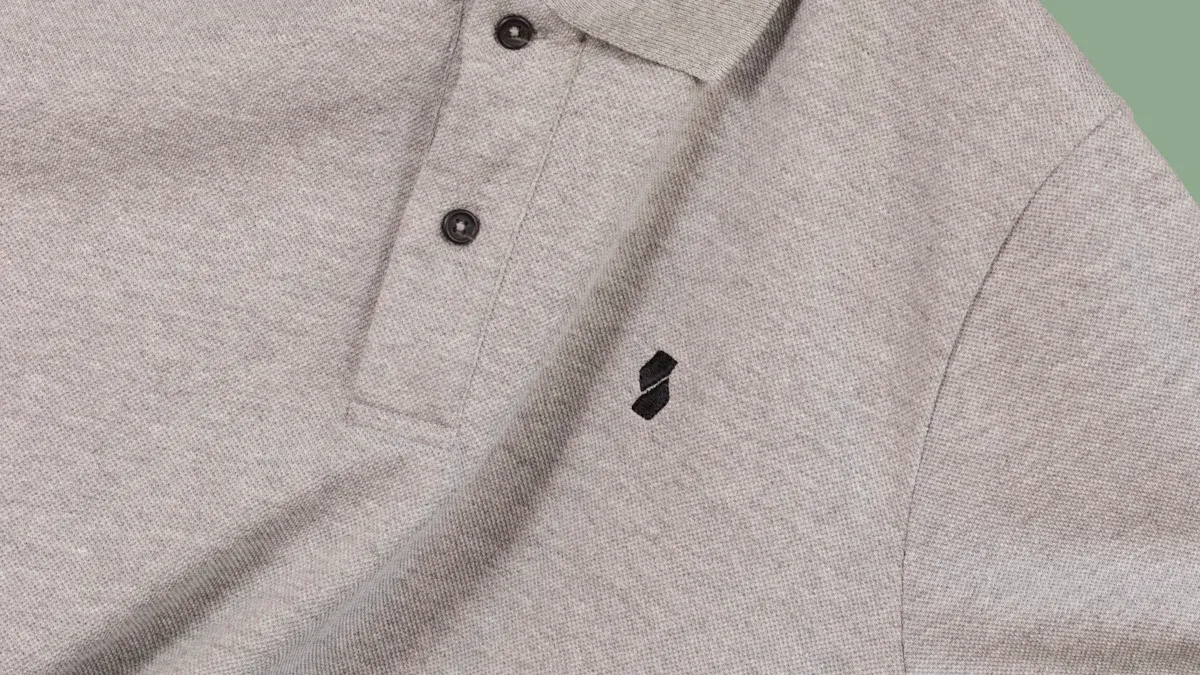
When I select polo shirts fabric for my team, I always look for materials that last. I have found that piqué fabric stands out because of its sturdy weave and strong resistance to wear and tear. Double piqué fabric adds even more strength without making the shirt heavy, which is perfect for uniforms that see daily use. Cotton-polyester blends give me the best of both worlds—softness and durability, plus they resist wrinkles and keep their shape after many washes. Performance fabrics, especially those with polyester, offer moisture-wicking, quick-dry, and snag resistance. These features help the shirts look new even after repeated wear.
Here are the most common durability features I consider:
- Piqué fabric: highly durable, resists wear and tear
- Double piqué: extra strength for uniforms
- Cotton-polyester blends: minimize shrinkage, retain shape, resist wrinkles
- Performance fabrics: resist fading, snagging, and stretching
I have noticed that polyester polos hold up better in active roles, resisting shrinking and wrinkling. Premium cotton polos, like those made from Pima or Supima cotton, offer luxury and durability but need more care. Blended fabrics give me a longer lifespan and easier maintenance than pure cotton.
Tip: Choosing high-quality polo shirts fabric and following care instructions extends the life of every shirt.
Breathability and Comfort
Comfort is a top priority for my team. I choose polo shirts fabric that allows air to flow and keeps everyone cool. Cotton is naturally breathable because of its fiber structure. The loose weave or piqué knit creates small pockets that let air move and sweat evaporate. This keeps my team comfortable, even on long days.
Performance fabrics, often made with polyester blends, are engineered to wick moisture away from the skin. They dry quickly and help regulate temperature, which is great for active or outdoor work. Cotton-polyester blends balance breathability with durability, making them a smart choice for many business settings.
I have seen firsthand that employees feel more confident and satisfied when they wear comfortable, breathable shirts. Fabrics that allow air to circulate and wick away sweat prevent discomfort and boost morale. When my team feels good in their uniforms, they work better and represent our brand with pride.
Professional Appearance and Branding
A polished look matters in business. I rely on custom polo shirts to create a unified and professional image for my team. Matching shirts with our logo make us stand out at events and in daily operations. Embroidered logos stay vibrant and intact, even after many washes, which keeps our brand looking sharp.
Here is a table showing the branding advantages I have experienced:
| Branding Advantage | Explanation |
|---|---|
| Enhanced Brand Recognition | Custom logos and colors reflect our company identity and make us memorable. |
| Increased Professionalism | Polos give a polished, consistent look that builds customer trust. |
| Walking Advertisement | Employees become brand ambassadors, increasing visibility everywhere we go. |
| Team Spirit and Loyalty | Custom polos foster pride and unity, improving morale. |
| Durability and Longevity | Embroidered polos keep our brand image strong through frequent use. |
Business case studies show that custom polos help teams look approachable and professional. They make employees easy to identify, which improves customer interactions. I have seen that a consistent, branded look boosts team spirit and helps us make a positive impression.
Versatility Across Industries
I choose polo shirts fabric that fits many roles and industries. Polos work well in corporate offices, retail, hospitality, healthcare, and even outdoor jobs. For example, healthcare teams use antimicrobial-treated polos for safety. Outdoor workers need UV protection and moisture-wicking features. Service industries prefer easy-care, durable fabrics that keep a professional look.
Here is a quick overview of how different fabrics serve various industries:
| Fabric Type | Key Features & Benefits | Ideal Uses |
|---|---|---|
| Performance Fabrics | Moisture-wicking, UV protection, stretch, antimicrobial | Outdoor work, athletic teams, events |
| Blended Fabrics | Durable, easy care, wrinkle-resistant | Retail, hospitality, schools, corporate |
| Eco-Friendly | Organic cotton, recycled polyester, sustainable production | Green businesses, tech, modern retail |
| Cotton | Comfort, mobility, relaxed look | Cooler environments, casual settings |
| Polyester | Water/stain resistance, long-lasting, moisture-wicking | Formal business, outdoor, active roles |
| 50/50 Blend | Crease-resistant, breathable, long lifespan, easy care | Factories, landscaping, food services |
Polo shirts transition easily from casual to semi-formal settings. I can pair them with trousers for a professional look or wear them with jeans for a more relaxed style. This flexibility makes them a staple in my business wardrobe.
Customization and Cost-Effectiveness for Business Needs

Logo Placement and Embroidery Options
When I customize polo shirts for my business, I pay close attention to logo placement. The right spot makes a big difference in how professional and visible our branding looks. Here are the most popular logo placements I consider:
- Left Chest: This is the classic choice. It looks professional and works well for most industries, including corporate, healthcare, and education. I often choose embroidery here because it stands out and lasts.
- Right Chest: This spot gives a modern twist. It catches attention and works for brands that want something different.
- Sleeve: I like this option for subtle branding. It is unique and works well for creative or lifestyle brands.
- Back: Large logos on the back make a bold statement. I use this for events or when I want our brand to stand out from a distance.
- Back Collar or Lower Hem: These spots are great for secondary logos or minimal branding.
I always choose embroidery for logos when I want a premium, long-lasting look. Embroidery stitches the design directly into the fabric, which keeps the logo from fading or peeling after many washes. This method works well on different types of polo shirts fabric, including cotton, polyester, and blends. Embroidered logos also add texture and a professional finish, which helps our team look polished and trustworthy.
Tip: High-quality embroidery on stable fabrics like cotton piqué or polyester blends keeps logos sharp and vibrant, even with frequent wear.
Color Selection and Design Flexibility
Color plays a big role in how our custom polos represent the brand. I see two main trends in color selection. Some companies choose bold, vibrant colors and patterns to stand out, while others prefer minimalist designs with clean lines and subtle shades for a classic look. I often match the shirt color to our brand palette and pick contrasting shades for the logo so it pops.
- Black polos highlight lighter logos, such as white or yellow.
- White polos make darker logos, like blue or red, stand out.
- I avoid white shirts if our logo uses pale colors, since they can get lost.
- Contrasting colors, like violet on yellow, help the logo catch the eye.
Design flexibility is important for brand recognition. I can choose from embroidery or printing, depending on the look and budget. Embroidery gives a premium, durable finish, while printing allows for more complex or colorful designs at a lower cost. By keeping our colors, fonts, and logo placement consistent, I help our brand stay recognizable across all platforms.
Note: Consistent design choices across all custom polos help our team look unified and professional, which boosts morale and strengthens our brand image.
Fabric Choices: Polyester Blends, Cotton Piqué, and More
Selecting the right polo shirts fabric is key for comfort, durability, and cost. I compare different materials to find the best fit for our needs. Here is a table that helps me decide:
| Fabric Type | Key Features & Benefits | Best Uses | Customization Compatibility |
|---|---|---|---|
| Polyester Blends | Durable, easy care, moderate breathability | Retail, hospitality, schools, customer service | Great for embroidery and printing |
| Cotton Piqué | Soft, breathable, professional look | Offices, hospitality, golf, business casual | Handles embroidery well, small prints |
| Performance Fabrics | Moisture-wicking, stretch, UV protection, antimicrobial | Outdoor, athletic, healthcare, active roles | Best for heat transfer or DTF printing |
| 100% Cotton | Superior comfort, natural breathability | Professional, office, hospitality | Excellent for embroidery and printing |
I often choose cotton-polyester blends for a balance of comfort and durability. These blends resist wrinkles and shrinkage, which keeps our team looking sharp. Cotton piqué feels soft and breathable, making it ideal for office or customer-facing roles. Performance fabrics work best for active jobs or outdoor events, thanks to their moisture-wicking and quick-dry features.
Budget matters, too. I find that standard cotton piqué polos cost less than performance fabrics. Bulk orders from budget brands like Gildan save money, while premium brands like Nike cost more but offer extra comfort and style. I balance quality and price by choosing mid-range brands for most roles and reserving premium polos for special occasions or key staff.
Bulk Ordering and Value for Teams
Ordering custom polos in bulk brings big savings for my business. The more shirts I order, the lower the price per shirt. Here is a quick look at typical savings:
| Order Quantity | Approximate Cost Savings per Shirt |
|---|---|
| 6 pieces | Baseline price |
| 30 pieces | Around 14% savings |
| 100 pieces | Up to 25% savings |
Bulk orders help me outfit the whole team while staying within budget. I also keep our branding consistent, since everyone wears the same style, color, and logo. This unified look builds team spirit and makes our company easy to recognize at events or in daily work.
- Bulk ordering reduces per-unit costs and simplifies apparel management.
- Coordinated polos foster a sense of belonging and strengthen team identity.
- Consistent sizing, color, and branding make reordering easy and keep our image sharp.
I also save money by limiting customization to one logo location and choosing standard fabrics. Planning ahead avoids rush fees and gives me more options for colors and sizes. When I invest in quality polo shirts fabric and order in bulk, I get long-lasting value and a professional look for my team.
I see real value in choosing custom polo shirts fabric for my business. Specialized fabrics boost comfort and durability, while embroidery keeps our brand looking sharp.
- Employees feel more connected and proud in branded apparel.
- Our team projects a unified, professional image that clients trust.
FAQ
What is the best fabric for custom polo shirts in a business setting?
I prefer cotton-polyester blends. These fabrics offer durability, comfort, and easy care. They keep my team looking professional and feeling comfortable all day.
How do I choose the right logo placement for my polos?
I select the left chest for a classic look. For events, I use the back for visibility. Embroidery works best for lasting, vibrant logos.
Tip: I always match logo placement with my branding goals.
Can I order custom polos in eco-friendly fabrics?
Yes, I often choose organic cotton or recycled polyester. These options support sustainability and show my commitment to responsible business practices.
| Eco-Friendly Option | Benefit |
|---|---|
| Organic Cotton | Soft, sustainable |
| Recycled Polyester | Durable, green |
Post time: Aug-27-2025