
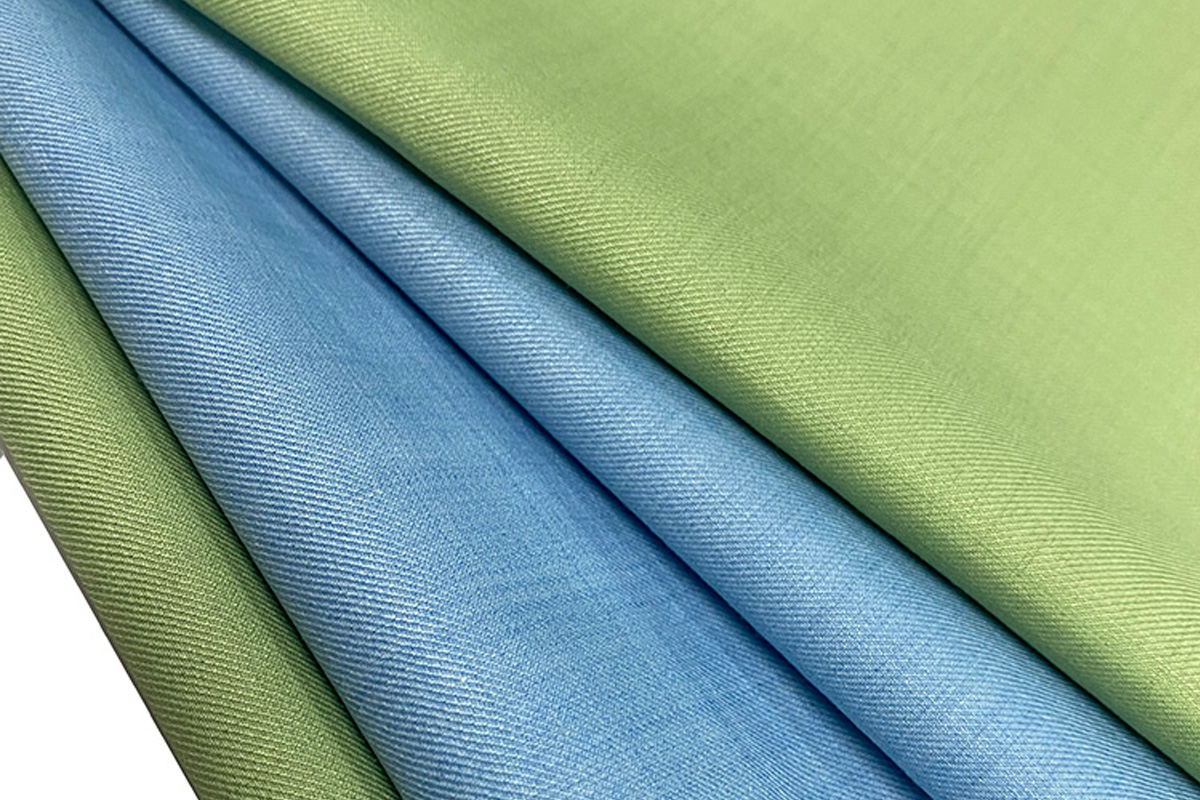
Wool Polyester fabric stands out as a reliable choice for businesses seeking high-performance materials. This unique blend combines wool’s natural warmth with polyester’s strength and lightweight qualities, making it an ideal option for suiting fabric. The global performance fabric market, valued at $35 billion in 2023, highlights the rising demand for versatile materials like TR suiting fabric and stretch suiting fabric. Businesses can leverage wool suiting fabric for its polished look and durability, which are essential for professional environments. Wool Polyester fabric continues to be a top contender in meeting the needs of modern industries.
Key Takeaways
- Wool polyester fabric is strong and comfy, great for uniforms.
- It is affordable and looks nice, costing less to care for.
- Wool polyester works well for many uses, like furniture or uniforms.
Key Benefits of Wool Polyester Fabric
Durability and Resistance to Wear
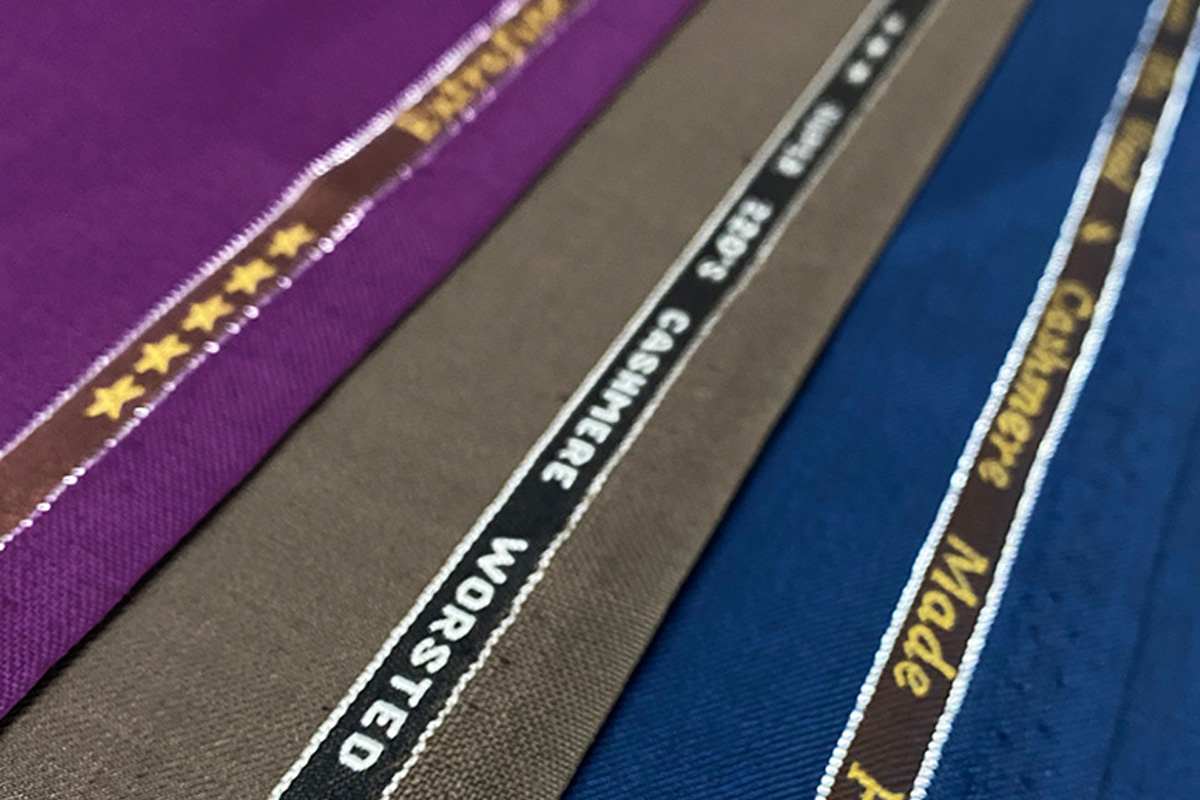
When it comes to durability, wool polyester fabric excels in ways that few other materials can match. I’ve seen firsthand how this blend resists wear and tear, even in high-traffic environments. Polyester fibers contribute to the fabric’s strength, ensuring it maintains its structure over time. Wool, on the other hand, adds a layer of resilience, making the material less prone to damage from daily use.
Compared to other blends, such as wool-modal fabrics, wool polyester offers superior wear resistance. Wool-modal blends may provide softness and breathability, but they lack the same level of toughness. Wool polyester fabric stands out because it combines the best of both worlds—comfort and longevity. This makes it an excellent choice for businesses that prioritize long-lasting materials for uniforms, upholstery, or suiting.
Versatility Across Business Applications
Wool polyester fabric’s versatility is one of its most compelling features. I’ve worked with businesses across various industries, and this material consistently proves its adaptability. It’s ideal for professional attire, such as suits and blazers, where a polished appearance is essential. At the same time, it works well for upholstery in office settings, offering both style and practicality.
The fabric’s ability to balance comfort and durability makes it suitable for diverse applications. For example, in hospitality, wool polyester is often used for staff uniforms because it maintains a professional look while being easy to care for. In corporate environments, it’s a go-to choice for office furniture due to its resistance to wear and its ability to retain color and texture over time.
Cost-Effectiveness for Business Budgets
Budget considerations are critical for any business, and wool polyester fabric delivers exceptional value. I’ve noticed that many companies choose this material because it offers a lower initial cost compared to 100% wool or cotton. TR fabric, a popular wool polyester blend, is particularly budget-friendly. It provides a stylish and durable alternative to more expensive options like pure wool suits.
Polyester fibers in the blend help maintain the fabric’s shape and structure, reducing the need for frequent replacements. This longevity translates to cost savings over time. While wool suits are undeniably luxurious, they often come with a higher price tag and require more maintenance. Wool polyester fabric strikes the perfect balance, offering affordability without compromising on quality or appearance.
Practical Advantages of Wool Polyester Fabric
Easy Maintenance and Wrinkle Resistance
I’ve always appreciated how wool polyester fabric simplifies maintenance without compromising quality. The polyester component in the blend ensures garments remain smooth and wrinkle-free after washing. This makes it an excellent choice for businesses that require low-maintenance materials for uniforms or office furniture. Polyester’s synthetic fibers provide resilience, allowing the fabric to withstand daily use without fraying or losing its structure.
Scientific studies highlight polyester’s unique fiber structure, which resists wrinkles due to its “memory” properties. This means the fabric retains its shape even after extended wear. Many businesses I’ve worked with value this feature because it reduces the need for frequent ironing, saving both time and effort.
Here’s a quick breakdown of performance metrics that showcase the practical advantages of wool polyester fabric:
| Performance Metric | Description |
|---|---|
| Care Properties | Easier to care for compared to pure wool fabrics. |
| Wrinkle Resistance | Synthetic fibers help garments remain smooth and crisp after washing. |
| Shrinkage | Lower shrinkage rates after washing compared to pure wool. |
| Tensile Strength | Higher tensile strength ensures durability and longevity. |
Comfort and Professional Appearance
Comfort and professionalism often go hand in hand, especially in business settings. Wool polyester fabric excels in both areas. The wool component provides natural insulation, keeping wearers comfortable in varying temperatures. Meanwhile, polyester enhances the fabric’s breathability and reduces bending rigidity, making it more flexible and easier to wear.
I’ve noticed that this blend offers a polished appearance that’s perfect for professional attire like suits and blazers. Its drapability ensures a tailored fit, which is particularly important for women’s wear. Additionally, the fabric’s ability to retain color and texture over time ensures that garments maintain their professional look even after repeated use.
| Performance Metric | Description |
|---|---|
| Bending Rigidity | Reduced in treated fabrics, enhancing comfort. |
| Drapability | Blends exhibit better drapability suitable for women’s wear. |
| Compressibility | Higher in hand-spun yarns, improving fit and feel. |
| Thermal Resistance | Hand-spun yarns show higher thermal resistance, ensuring year-round comfort. |
Eco-Friendly and Sustainable Options
Sustainability has become a priority for many businesses, and wool polyester fabric offers eco-friendly options that align with these goals. Wool is a natural, renewable resource, while polyester can be recycled, reducing environmental impact. I’ve seen companies adopt recycled polyester blends to create sustainable uniforms and upholstery, demonstrating their commitment to environmental responsibility.
The fabric’s durability also contributes to its sustainability. Longer-lasting materials mean fewer replacements, which reduces waste. Additionally, advancements in fabric treatments have improved water vapor permeability and drying capacity, making the fabric more efficient for everyday use.
| Performance Metric | Description |
|---|---|
| Water Vapor Permeability | Enhanced in hand-spun yarns, improving comfort and reducing energy usage. |
| Drying Capacity | Higher in hand-spun yarns, beneficial for everyday use. |
| Recyclability | Polyester can be recycled, supporting sustainable practices. |
Businesses looking to balance performance with environmental responsibility will find wool polyester fabric a smart choice. Its combination of durability, comfort, and eco-friendliness makes it a versatile solution for modern industries.
Comparing Wool Polyester Fabric to Other Materials
Wool Polyester vs. 100% Wool
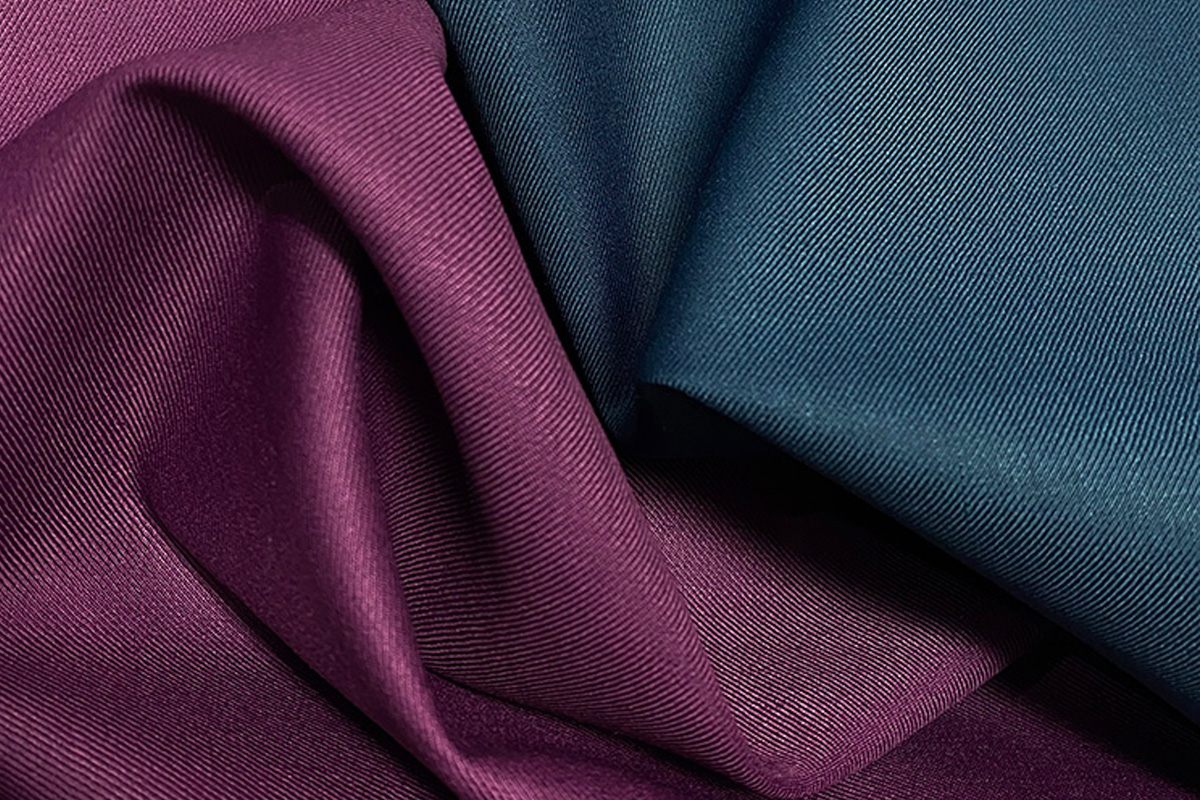
I’ve often found businesses debating between wool polyester fabric and 100% wool for their needs. While both materials have their merits, wool polyester fabric offers distinct advantages in terms of cost and durability. Wool, especially Merino wool, is luxurious and incredibly soft. However, its production is labor-intensive, which drives up costs. The limited supply of wool per animal further adds to its price, making it less budget-friendly. Polyester, on the other hand, is easier and cheaper to produce, making wool polyester fabric a more cost-effective option for businesses.
Durability is another key factor. Wool tends to wear down faster, especially in high-use environments, leading to more frequent replacements. Wool polyester fabric, with its synthetic component, resists wear and tear better, ensuring a longer lifespan. This makes it ideal for businesses that prioritize longevity in their materials.
| Property | Polyester | Merino Wool |
|---|---|---|
| Durability | Durable and resistant to shrinking | Not as durable as polyester |
| Insulation | Good insulation in cooler temperatures | Excellent thermoregulation |
| Breathability | Lightweight and breathable | Breathable and moisture-wicking |
| Moisture-Wicking | Effective moisture-wicking | Excellent moisture-wicking |
| Odor Resistance | Generally not odor-resistant | Odor-resistant due to lanolin secretion |
| Softness | Can be rougher on the skin | Incredibly soft and comfortable to wear |
Wool Polyester vs. Cotton and Synthetic Fabrics
When comparing wool polyester fabric to cotton and synthetic fabrics, I’ve noticed that each material has unique strengths. Wool polyester fabric combines the best of both natural and synthetic worlds. It offers better thermal insulation than cotton and greater breathability than most synthetic fabrics. Cotton, while soft and breathable, lacks the durability and wrinkle resistance of wool polyester blends.
Synthetic fabrics like pure polyester are lightweight and easy to maintain but often fall short in breathability and odor resistance. Wool polyester fabric strikes a balance by incorporating wool’s natural moisture-wicking and odor-resistant properties with polyester’s durability and affordability. This makes it a versatile choice for businesses looking for performance and practicality.
| Characteristic | Wool | Polyester |
|---|---|---|
| Origin | Natural (animal) | Synthetic |
| Thermal insulation | Excellent | Good |
| Breathability | Very good | Average |
| Sustainability | High | High |
| Maintenance | Delicate | Easy |
| Cost | High | Affordable |
Businesses aiming for sustainability will appreciate that wool is biodegradable, while polyester is recyclable. Wool polyester fabric offers a middle ground, combining the eco-friendly aspects of wool with the practicality of polyester.
Wool polyester fabric delivers unmatched durability, versatility, and affordability. I’ve seen it excel in applications ranging from suiting to upholstery.
Tip: Consult trusted suppliers to explore options tailored to your business needs.
This fabric blend ensures comfort and practicality while keeping costs manageable, making it a smart investment for any business.
FAQ
What makes wool polyester fabric suitable for business use?
I’ve found that its durability, versatility, and cost-effectiveness make it ideal for uniforms, upholstery, and professional attire. It balances performance with affordability.
Can wool polyester fabric handle frequent washing?
Yes, it can. The polyester component enhances its resilience, ensuring it withstands regular washing without losing shape or texture. This makes it perfect for high-use applications.
Is wool polyester fabric environmentally friendly?
It can be. Wool is renewable, and polyester is recyclable. Many suppliers now offer blends with recycled polyester, aligning with sustainability goals for eco-conscious businesses.
Post time: Apr-26-2025