
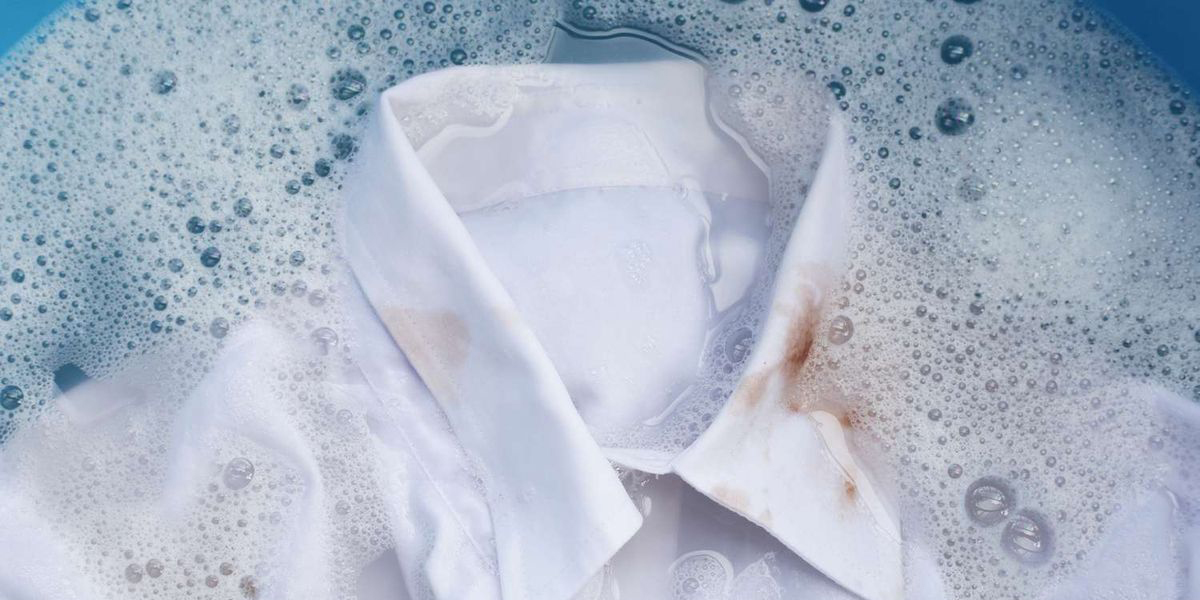
I often see new fabric look perfect until its first wash. This wash often reveals the true Fabric washing performance. It highlights inherent fabric characteristics, not just care mistakes. I understand many issues, like post wash fabric behavior or poor washable fabric quality, are pre-existing. The wash process can also exacerbate problems such as fabric shrinkage control or color change after washing.
Key Takeaways
- Many fabric problems, like color fading or shrinkage, exist before the first wash. These issues come from hidden manufacturing flaws, not just how you wash them.
- The first wash acts as a stress test. Water, detergents, and machine action reveal weaknesses in fabric quality, dye stability, and fiber strength.
- You can prevent post-wash problems. Read care labels, pre-wash new fabrics, and use correct washing settings and detergents to keep clothes looking good.
Unmasking Latent Issues in Fabric Quality
I often find that many fabric problems I see after the first wash were actually present from the start. These are not always my mistakes in care. Instead, they are hidden issues from the manufacturing process.
Hidden Manufacturing Residues and Unstable Dyes
Sometimes, new fabric holds onto leftover chemicals or dyes from its creation. These residues can react poorly with water or detergent. I have learned that unstable dyes are a major culprit. Manufacturers might use the wrong dyes or fixatives for a specific fabric type. For example, cotton needs reactive dyes with soda ash, but silk needs acid or reactive dyes with vinegar. Mismatched combinations cause colors to bleed.
I also know that the pH level during dyeing is very important. Each dye needs a specific pH range. If the pH is wrong, the dyes do not stick well to the fabric. This leads to uneven or unstable colors. Furthermore, if manufacturers skip or improperly use after-treatment agents, dyes remain loose. These agents, like fixing agents and soaping off agents, help dyes set and remove unfixed color. Without them, dyes can easily wash out or stain other parts of the garment.
Inconsistent Fabric Construction and Weak Fibers
I have observed that inconsistencies in how they construct fabric can also cause problems. These issues often become visible after washing. I see defects along the fabric’s length or width. These include warp floats, which are unanchored threads, or weft bars, which are horizontal lines from tension differences. Sometimes, I notice streaks from uneven yarn thickness or missing threads.
Yarn itself can have flaws. I find neps, which are small fiber tangles, or slubs, which are thick areas in the yarn. These irregularities affect the fabric’s strength and appearance. Mechanical issues during production also cause defects. I might see skipped threads, holes, oil stains, or uneven shrinkage.
Weak fibers also contribute to post-wash issues. I consider pilling performance a key sign of fiber weakness. Pilling happens when fiber ends pull out due to friction and form small balls. Fibers with high strength and resistance to fatigue are more prone to pilling. A lower yarn twist allows fibers to pull out easily. Certain fabric structures, like satin and knitted fabrics, pill more than plain ones.
Pre-existing Damage and Imperfections in Fabric
I frequently discover that new fabric rolls contain pre-existing damage. These imperfections are not my fault; they happen during production. Common defects include broken yarns, misweaves, dye streaks, stains, and print misalignment. These issues can occur during spinning, weaving, dyeing, or finishing. They significantly impact the garment’s quality.
I often see horizontal lines from bobbin faults or uneven thread tension. Shade variations are also common, where colors differ within the same roll or between rolls. This happens from mixing fabrics or inconsistent production. Dirt or stains, like oil from machinery, can also appear. Uneven dyeing or printing, with irregular patches, points to low-quality base fabric or incorrect chemical use. I also find drop stitches, which are holes from missed stitches, or misprinting where the design does not match.
Other issues I encounter include:
- Color Shading: Differences in color shades within the same fabric.
- Dye Streaks or Dye Marks: Unwanted lines or blotches from uneven dye penetration.
- Holes or Slubs: Small holes or thick, uneven yarns.
- Weft or Warp Bar: Visible horizontal or vertical lines from yarn tension issues.
- Misprints or Off-Register Prints: Designs that are misaligned or blurred.
- Crease Marks or Pressure Marks: Permanent creases from excessive pressure.
- Yarn Contamination: Foreign fibers embedded in the fabric.
- Uneven Texture or Thickness: Areas that are thicker, thinner, or rougher.
- Chemical Stains or Oil Spots: Discolored patches from chemicals or lubricants.
- Skewing or Bowing: Wavy or diagonal distortions in the fabric grain.
The First Wash: A Stress Test for Fabric
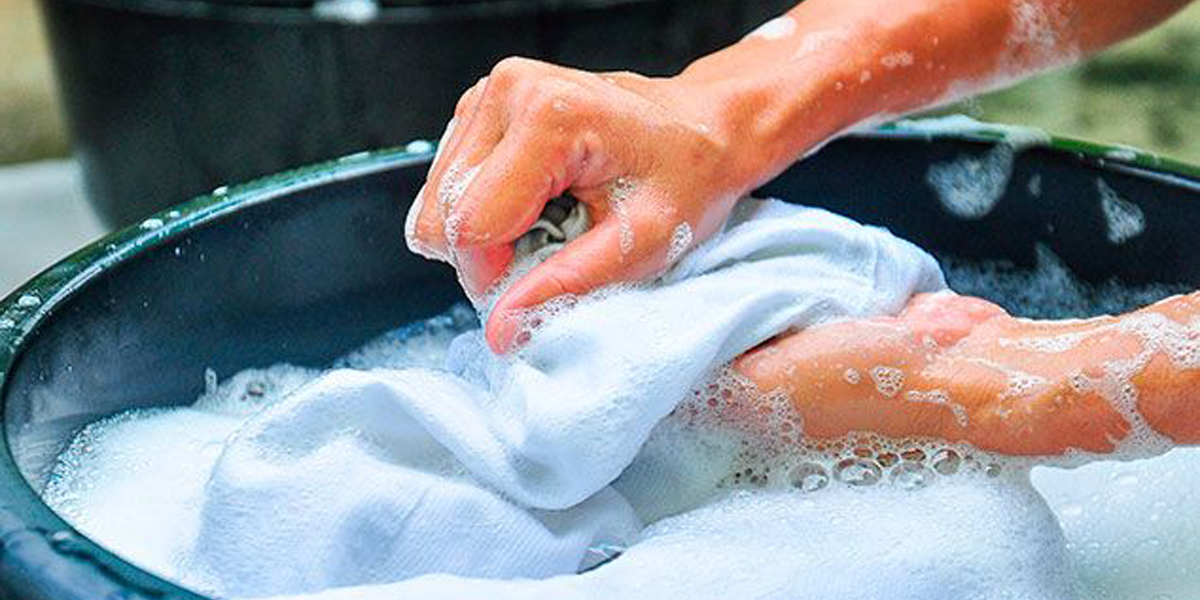
I view the first wash as a critical stress test for any new garment or material. This process often reveals underlying weaknesses that were not apparent before. Water, detergents, and the physical action of washing all play significant roles in how a material behaves.
Water’s Impact on Fabric Structure and Shrinkage
I have learned that water does more than just clean; it actively interacts with the fibers. Fabrics can shrink because of differences in capillary tension. The pressure inside the liquid is lower than the air pressure, and this imbalance causes capillary shrinkage. As the tiny spaces between capillaries get smaller, forces like van der Waals or electrostatic forces become stronger, which further influences shrinkage.
The material’s ability to absorb water is also key. Cotton, for example, comes from natural plant fibers. It is very hydrophilic, meaning it loves water. Cotton fibers are pure cellulose and have negatively charged hydroxyl (OH) groups on their surface. These groups strongly attract water molecules. This allows cotton to absorb water well. The way water bonds within these fibers directly affects the material’s structure when wet. The complex network within knitted materials also affects how water moves through them, regardless of what they are made of. This shows me that the physical arrangement of the material greatly influences how water interacts with it.
I also know that temperature plays a big role in shrinkage. Higher cleaning temperatures generally lead to worse dimensional stability. This means more shrinkage. Thermal shrinkage happens when fibers change shape and size when heated. They do not return to their original state after cooling. I often use a boiling water shrinkage test to measure this. I check the percentage of fiber length shrinkage in 100°C boiling water. Hot air or steam methods above 100°C can also assess shrinkage. For example, finishing polyester staple fiber has about a 1% boiling water shrinkage rate. Vinylon has a 5% boiling water shrinkage rate, but a 50% hot air shrinkage rate. One study I reviewed found that temperature, along with the number of washes and type of detergent, did not significantly impact shrinkage in their specific experiment. However, my experience shows that heat is a major factor for many materials.
Detergent’s Chemical Reactions and Residue Build-up
I understand that detergents are not just soap; they contain active chemicals. These chemicals can react with dyes and fibers. Hydrogen peroxide, found in some detergents and stain pretreatments, helps whiten and brighten clothes. This indicates a chemical interaction that changes the appearance of dyes. Sodium percarbonate, a chlorine-free bleaching agent in powdered detergents, releases oxygen and hydrogen peroxide when it touches water. This contributes to cleaner and brighter clothes, which implies a reaction with dyes.
Bleaching agents in some detergents can cause color fading or changes in dyes. This is especially true for darker or more vibrant colors. This reaction intensifies if the garment stays in the detergent solution too long or if someone uses too much product.
I also see issues with detergent residue build-up. Undissolved detergent can appear as residue or streaks, especially on dark or bright items. Some powder detergents can combine with hard water minerals. This forms a residue that makes clothes stiff and harsh. It can also fade colored items and increase wear and abrasion. Blue stains can appear if the blue coloring in detergent, laundry aid, or fabric softener does not dissolve or spread properly. Overusing laundry detergent can lead to a general build-up of chemicals and cleaning agents. This often makes laundry stiff.
Mechanical Agitation, Heat Exposure, and Fabric Pilling
I recognize that the washing machine’s mechanical action, combined with heat, puts a lot of stress on materials. High heat can cause sheets to shrink over time. It can also lead to tears in thin materials. Stretchy materials like spandex can deteriorate with prolonged heat exposure. Polyester fibers can develop a “rippling” effect over time with high heat. Silk and wool fibers will shrink and weaken when exposed to heat. Cashmere, a type of wool, can shrink in high heat. Leather can dry out and crack when exposed to heat.
Heat exposure can also cause flame-resistant materials to stiffen or change color. This indicates a compromise and degradation of their protective properties. High temperatures can degrade the materials of flame-resistant garments. This leads to a loss of flame resistance and can also cause shrinkage. Hot water can cause delicate materials to shrink or lose their texture. Silk and satin can shrink, wrinkle, or lose their sheen in water. Wool is prone to shrinkage and pilling when washed incorrectly. Pilling, the formation of small balls of fiber on the surface, often results from the friction of mechanical agitation and can be worsened by heat.
Preventing Post-Wash Fabric Disappointments
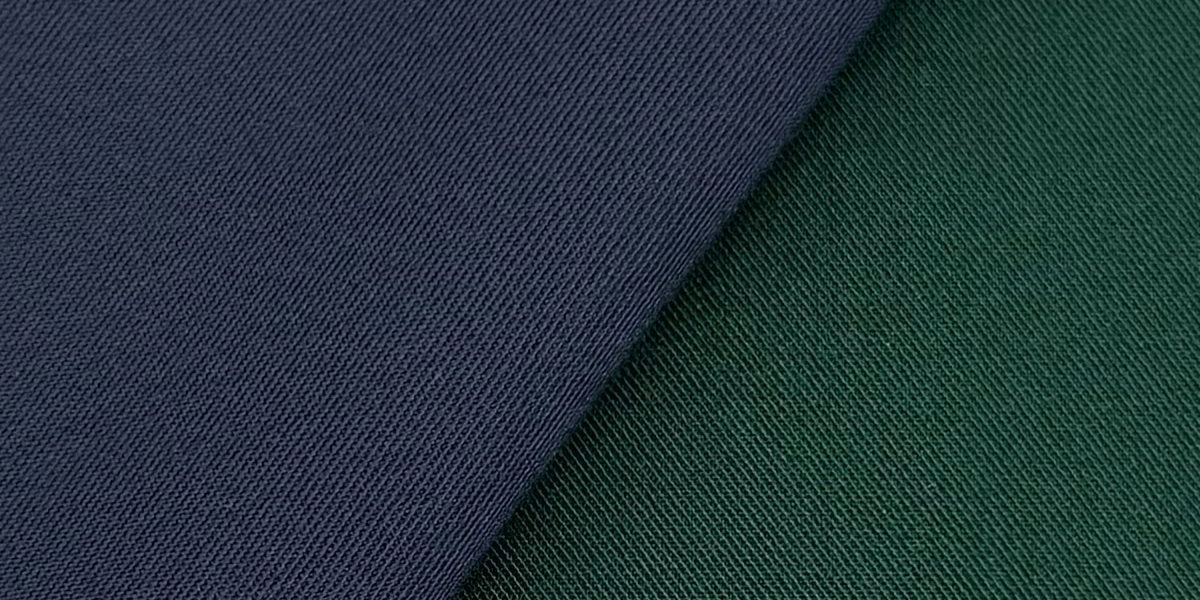
I have learned that preventing post-wash disappointments starts before the laundry cycle. Understanding your materials and adopting smart practices makes a significant difference.
Understanding Fabric Labels and Care Instructions
I always emphasize the importance of care labels. They are crucial for maintaining textile quality. I prioritize specific information: washing temperature and machine settings, drying recommendations, ironing guidelines, and chemical cleaning symbols. Understanding the fiber content is also vital. It dictates appropriate washing and drying protocols.
Care labels use standard symbols. For washing, I look for a stylized washing machine. Numbers or dots indicate temperature. Bars below the tub show agitation levels. A hand means hand washing, and a crossed tub means do not wash. For bleaching, an empty triangle allows it. Two oblique lines prohibit chlorine bleach, and a crossed triangle prohibits all bleaching. Drying symbols include a circle in a square for machine drying. Dots indicate temperature. Other icons show natural drying methods. A small circle means dry cleaning. Letters inside specify chemicals. An iron symbol with dots suggests temperature. One dot is for delicates, two for synthetics, and three for for linen and cotton. A cross means do not iron.
Pre-Washing New Fabric and Testing for Colorfastness
I always recommend pre-washing new fabric. This helps prevent shrinkage and removes excess dyes. For cotton and linen, I machine wash in warm water. I use cold water for delicate or colored types. Silk and wool are safest with hand washing. Synthetics like polyester do well with a gentle machine wash in cold or warm water. Rayon needs cold water, either hand-washed or on a gentle cycle. Heavy fabrics like denim benefit from a gentle cold machine cycle or a cold water soak.
I also test for colorfastness. This prevents dye transfer. I use a water test: I wet a white cloth and press it onto a hidden section of the fabric for 30 seconds. If dye transfers, the fabric is not colorfast. A vinegar test involves dabbing a solution of one part white vinegar to two parts cold water onto a hidden area. I wait 30 seconds and check for transfer. For a detergent test, I mix a teaspoon of mild liquid detergent into warm water. I dab this onto a hidden spot, wait one minute, then blot with a dry white cloth. If any test fails, I wash the item separately or use cold water and a color catcher.
Optimizing Washing Practices for Fabric Longevity
I find that selecting the right washing machine settings and detergents significantly extends fabric life. For most cottons and linens, I use the normal cycle. Delicate items like silks or lingerie go on the delicate cycle. I use the colors/darks setting for bright or dark casual fabrics to preserve their color. Permanent press is ideal for synthetics to minimize wrinkles.
I always choose cold water for dark colors, delicate items, and athletic clothing. This protects elasticity and color. Warm water works well for synthetics and most knits. Hot water is best for white cottons needing deep cleaning. I also select gentle detergents. Woolite Delicates is excellent for sensitive items. For wool and silk, I use pH-neutral detergents without enzymes or bleach. Ethiek’s Special Detergent for Silk & Wool is a good example. For linen, I use a mild, non-alkaline cleaner to retain softness.
I view the first wash as a critical indicator of a material’s true maturity and stability. Understanding how fabric behaves is key. This knowledge prevents many future issues. I encourage you to make informed choices in selection and care. This ensures lasting satisfaction with your garments.
FAQ
Why does my new fabric shrink after the first wash?
I find that water causes fibers to contract. This happens due to capillary tension and the material’s natural absorption. Heat also makes shrinkage worse.
Why do colors bleed or fade after the first wash?
I often see this happen because of unstable dyes. Manufacturers might use incorrect dyes or skip proper fixatives. Detergents can also react with dyes, causing fading.
What causes small balls (pilling) on fabric after washing?
I know pilling occurs when weak fibers pull out. Friction from washing machine agitation causes these fibers to form small balls. Heat can also worsen this issue.
Post time: Jan-22-2026