
Introduction
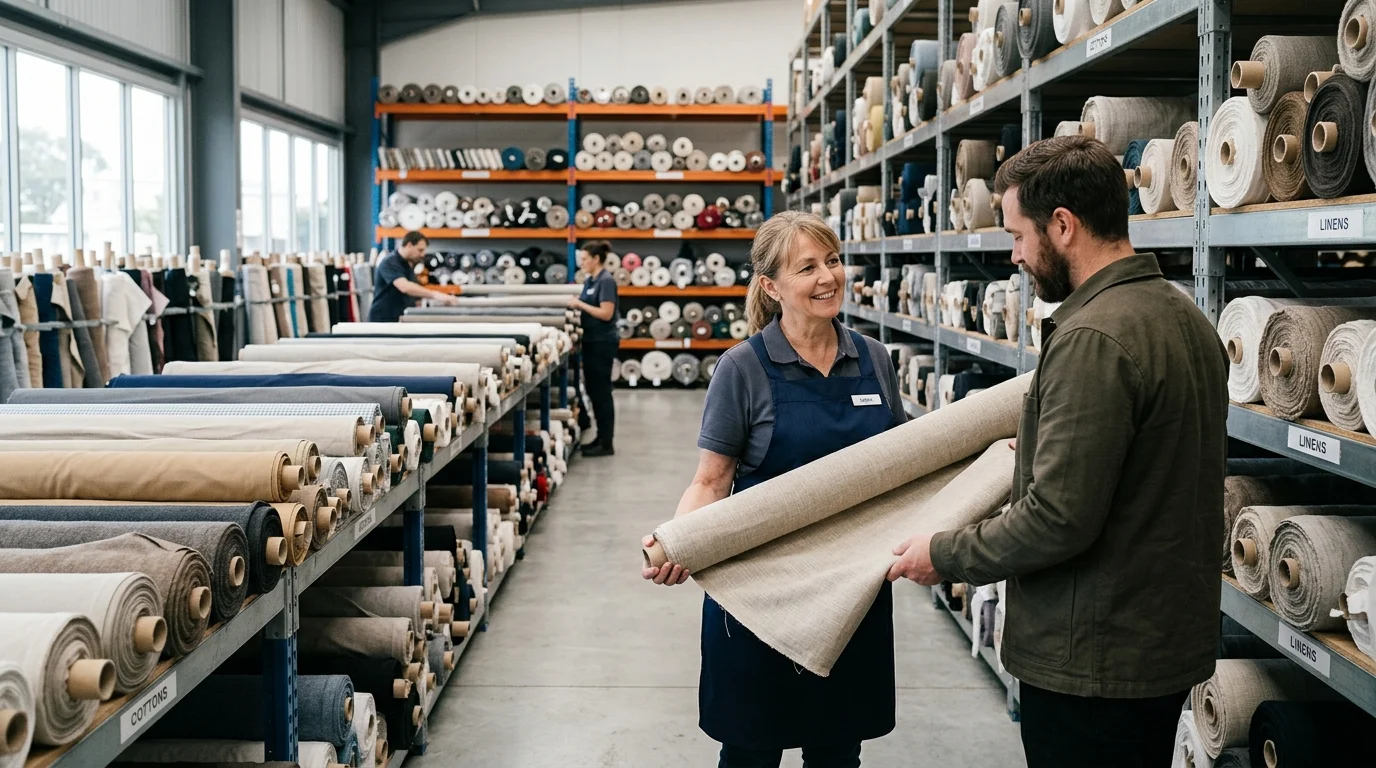
For uniform programs, the real cost of fabric is measured over months of wear, repeat orders, and brand consistency—not just at the moment of purchase. A stable fabric supplier helps ensure that color, weight, shrinkage, and performance stay consistent across batches, which reduces replacement costs, production delays, and visible mismatches between old and new uniforms. This article explains why dependable fabric sourcing matters more than the lowest quote, what “stability” actually means in practical textile terms, and how stronger supplier consistency protects both operational efficiency and professional appearance.
Why a stable fabric supplier matters more than low price
In my years of managing textile supply chains, I have frequently seen procurement teams fall into the trap of prioritizing the lowest initial bid. When sourcing materials for corporate apparel, chasing a bottom-dollar price tag often leads to disastrous hidden costs. A stable fabric supplier is not just a vendor; they are a critical partner in maintaining your brand’s professional image and operational efficiency.
Uniform programs require a unique level of consistency that fast-fashion runs simply do not demand. If an organization is outfitting a national workforce, the materials must perform reliably over time. Here, stability trumps rock-bottom pricing every time.
Defining fabric stability in uniform orders
To understand why stability matters, we must first define what it actually means in the context of textile manufacturing. Fabric stability refers to the supplier’s ability to replicate the exact physical and aesthetic properties of a textile across multiple production runs. This includes maintaining strict tolerances for weight (measured in GSM), tensile strength, and shrinkage. For a professional program, shrinkage rates must consistently remain under 3% after multiple industrial washes.
Color consistency is arguably the most critical metric. We measure color variation using the Delta E scale. A stable supplier will guarantee a Delta E of less than 1.0 between different dye lots, meaning the human eye cannot detect a color difference. When sourcing a reliable suit uniform fabric, this level of precision ensures that employees hired in January look identical to those hired in November.
Why large uniform orders are vulnerable to batch issues
Large uniform orders are uniquely vulnerable to batch-to-batch discrepancies due to their sheer scale and staggered delivery schedules. A typical corporate rollout might require 50,000 yards of fabric delivered over a six-month period. Low-price suppliers often achieve their margins by purchasing spot-market yarns or using secondary dye houses, which introduces massive variability.
I have witnessed scenarios where a budget supplier delivered the first 10,000 yards perfectly, but the subsequent 15,000 yards suffered from a 12% defect rate due to shading issues and excessive pilling. In a corporate environment, you cannot issue trousers from batch A and jackets from batch B if they do not match perfectly. The cost of rejecting and remaking these garments completely wipes out the initial 15 to 20 cents per yard saved during the bidding process.
How to compare a stable fabric supplier with a low-price
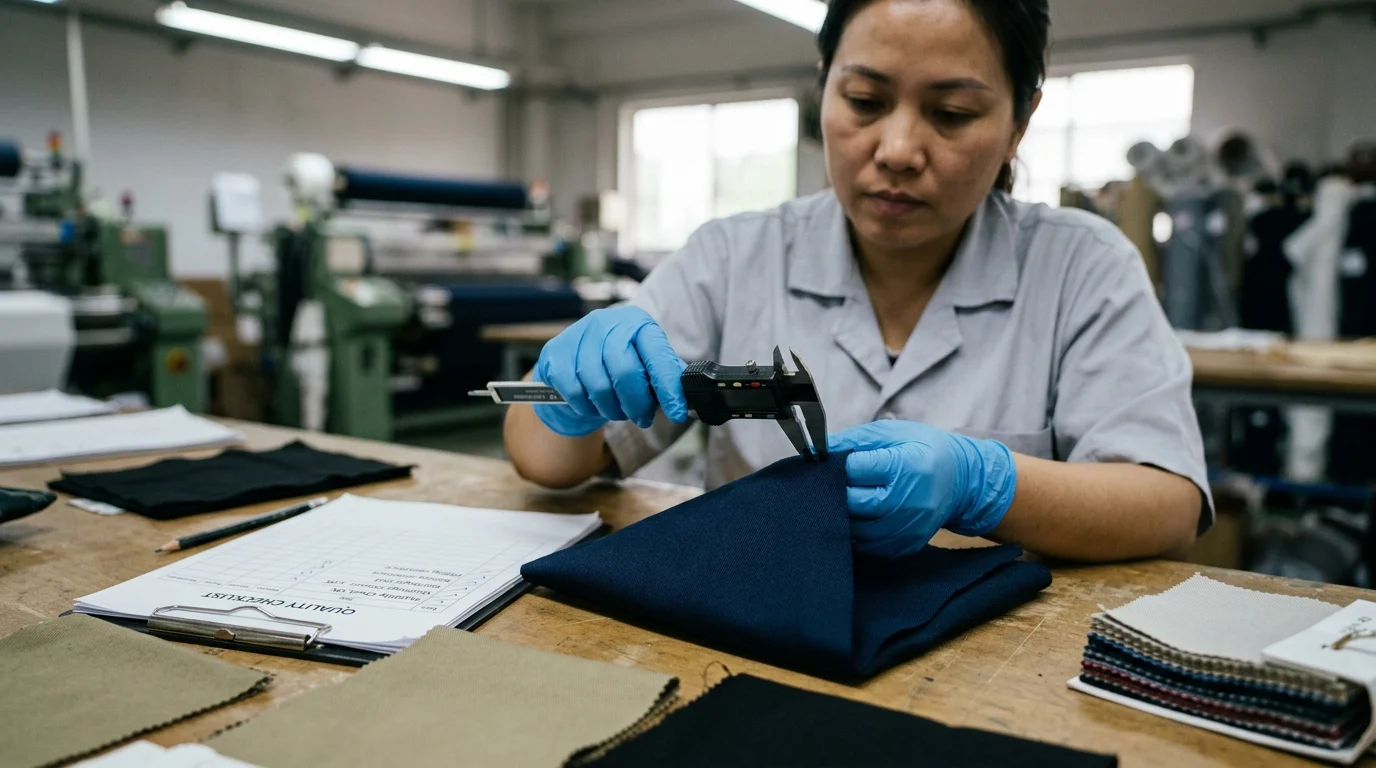
When evaluating bids, it is essential to look beyond the per-yard invoice price. Comparing a highly stable supplier with a budget alternative requires a comprehensive total cost of ownership (TCO) analysis. In my experience, procurement teams that only compare line-item prices often face severe budget overruns by the end of the fiscal year.
To make an accurate comparison, we must quantify the operational impact of delayed deliveries, rejected batches, and premature garment failure.
Key factors that reveal total cost
The key factors that reveal the true cost of a fabric order include first-quality yield rates, lead time reliability, and garment lifecycle. A low-cost supplier might quote $1.50 per yard but operate with a 60-day lead time and a high standard deviation in delivery dates. If their fabric has an 85% first-quality yield, you are paying for unusable material and risking factory downtime.
Conversely, a stable supplier quoting $1.85 per yard might offer a 30-day guaranteed lead time with a 99% first-quality yield. Furthermore, when investing in wrinkle free fabric for uniform applications, the stable supplier’s advanced finishing processes ensure the garments last 18 to 24 months in the field, whereas the cheaper alternative might pill or lose its shape after just 6 months, forcing early replacement.
A simple comparison table for supplier evaluation
To illustrate the stark differences, I use a standardized evaluation matrix. This helps our procurement teams visualize the trade-offs between initial savings and long-term reliability.
| Metric | Low-Price Supplier | Stable Fabric Supplier |
|---|---|---|
| Initial Cost per Yard | $1.50 | $1.85 |
| First-Quality Yield | 85% – 90% | > 98% |
| Color Consistency (Delta E) | Up to 2.5 (Visible difference) | < 1.0 (No visible difference) |
| Average Lead Time | 60 – 75 days (High variance) | 30 – 45 days (Reliable) |
| Shrinkage Tolerance | 5% – 7% | < 3% |
| Garment Lifecycle | 6 – 9 months | 18 – 24 months |
As the table demonstrates, the 35-cent premium per yard charged by the stable supplier is quickly offset by superior yield, zero factory downtime, and a drastically extended garment lifespan.
How to choose a stable fabric supplier for uniforms
Knowing the value of a stable partner is only half the battle; actively identifying and securing one requires a rigorous vetting process. I always advise my clients to implement strict sourcing protocols before signing any long-term contracts.
Choosing the right partner means testing their capabilities at a small scale before trusting them with a multi-million dollar uniform program.
Sourcing and approval steps to reduce batch risk
The most effective way to reduce batch risk is to mandate a phased approval process. Never jump straight from a 1-yard lab dip to a 20,000-yard bulk order. Instead, I require a 100-yard to 300-yard pilot run. This allows the garment factory to test the fabric’s performance on the cutting table and sewing line.
During this pilot phase, the fabric must undergo independent third-party testing. We look for a minimum Grade 4 rating on the Martindale pilling test (after 20,000 rubs) and strict adherence to color fastness standards (minimum Grade 4 for wet and dry rubbing). When sourcing specialized materials like easy care suit formal uniform fabric, verifying the durability of the chemical finishes during this pilot stage is absolutely vital to ensuring long-term stability.
Final criteria for supplier selection
When making the final selection, I evaluate the supplier’s vertical integration and capacity.
Key Takeaways
- The most important conclusions and rationale for stable fabric supplier
- Specs, compliance, and risk checks worth validating before you commit
- Practical next steps and caveats readers can apply immediately
Frequently Asked Questions
Why is a stable fabric supplier better than the lowest quote for uniforms?
Stable suppliers reduce shade variation, shrinkage issues, and remakes. For uniform programs, that usually saves more than a small per-yard discount.
What fabric stability metrics should buyers ask a supplier to confirm?
Ask for Delta E under 1.0, shrinkage under 3% after industrial washing, consistent GSM, and first-quality yield data by batch.
How can I compare total cost instead of just fabric price?
Review lead time reliability, defect rate, usable yield, garment lifespan, and replacement risk. These factors often outweigh a cheaper yard price.
Why do large uniform orders face more batch consistency problems?
Big programs are delivered in stages, so fabrics must match across months. Unstable suppliers often change yarn or dye sources, causing visible differences.
Where can I contact IYUNAI Textile about stable uniform fabric supply?
You can reach IYUNAI Textile through their contact page at iyunaitextile.com/contact-us/ to discuss uniform fabric specifications and supply needs.
Post time: Jun-06-2026