
Medical fabric demands anti-wrinkle properties to ensure superior hygiene, greater patient comfort, and a consistently professional look. A wrinkle resistant uniform fabric is absolutely essential in healthcare environments, directly influencing both functionality and public perception. For example, TSP 95/5 medical wear fabric and 95 polyester 5 spandex doctor uniform material deliver these advantages. Furthermore, a water repellent medical fabric and four way stretch medical scrub wear fabric provide additional crucial support for these critical requirements.
Key Takeaways
- Anti-wrinkle medical fabrics help doctors look professional. This builds patient trust. Smooth fabrics also stop germs from growing easily. This keeps patients safe.
- These fabrics make patients more comfortable. They prevent skin irritation. Smooth sheets reduce pressure sores for patients who stay in bed.
- Anti-wrinkle fabrics save hospitals money. They need less ironing. This means less work for laundry staff. The fabrics also last longer, so hospitals buy new ones less often.
The Essential Role of Anti-Wrinkle Medical Fabric in Healthcare Operations
Maintaining Professional Appearance and Patient Trust
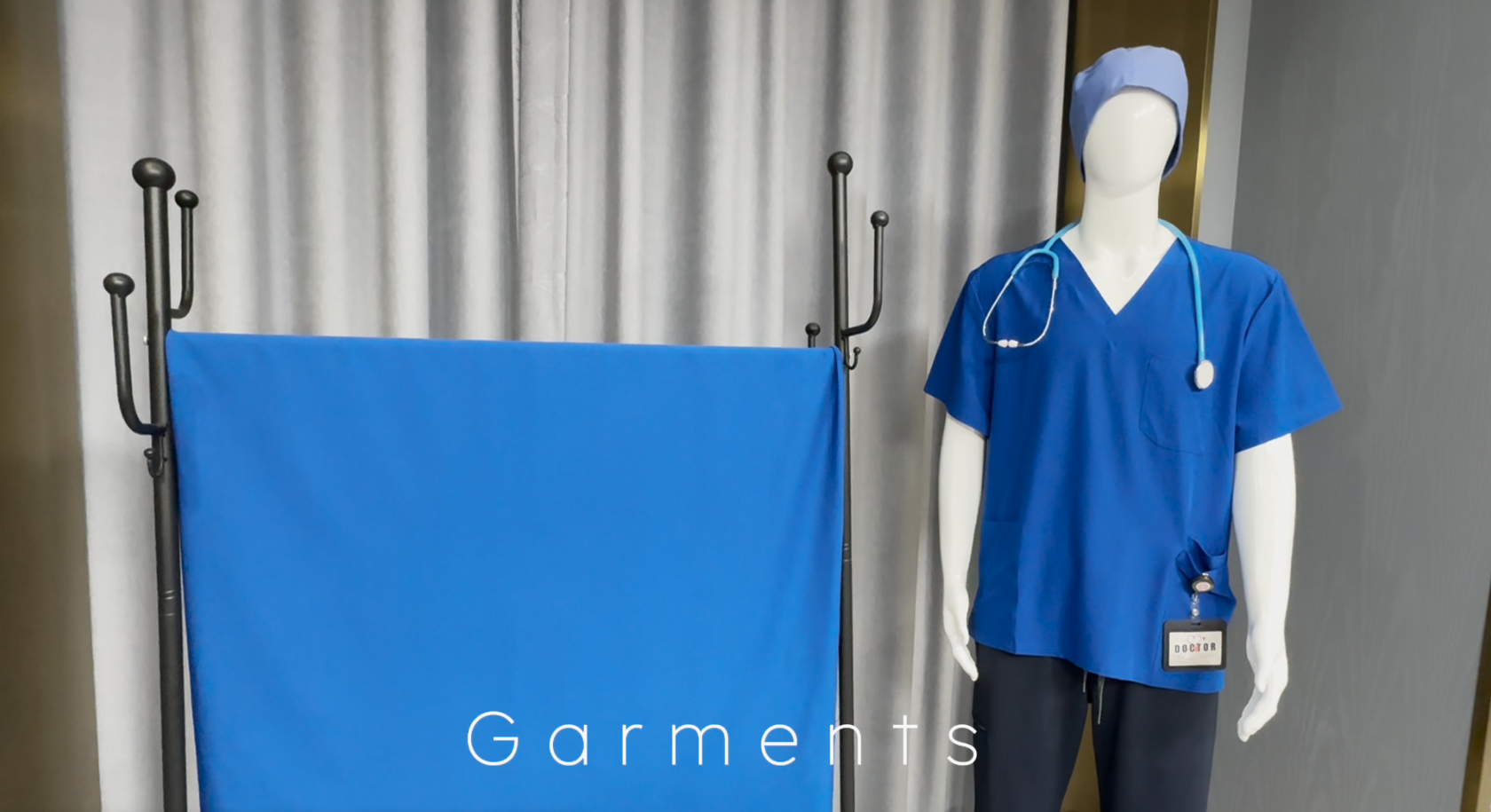
A professional appearance significantly influences patient perceptions of care quality and trust. Healthcare professionals understand their attire greatly impacts their image. A uniform reflects the wearer’s role, shaping the overall image of nursing and influencing patient confidence. First impressions, largely formed by appearance and demeanor, are crucial in the patient-physician relationship. These impressions can affect the relationship’s quality beyond the initial encounter. Attire acts as a vital component of this first impression. It serves as an influential source of nonverbal communication. This directly affects the trust and confidence patients place in their healthcare providers. Research shows impressions form rapidly, sometimes in as little as 50 milliseconds. This highlights the immediate impact of visual cues like clothing on patient perception.
Patients often consider how a physician dresses important. Over half of patients share this view. More than one-third of patients state physician attire influences their happiness with care. Formal attire with white coats is most preferred generally. However, scrubs with white coats are most preferred in surgery or emergency rooms. Patient preferences vary by geographical region, age, gender, and education.
- Patients are more likely to assume someone in a suit is a doctor.
- Wearing a suit can be viewed by some patients as a sign of respect.
- Some patients might find a suit daunting or off-putting, especially for pediatricians.
- Inappropriate dress, such as shorts and a T-shirt, is unlikely to build trust.
Wrinkle-free medical fabric ensures uniforms remain crisp and neat throughout long shifts. This consistent professional look reinforces patient trust and confidence in their caregivers.
Enhancing Hygiene and Infection Control in Medical Fabric
Fabric smoothness plays a role in bacterial adhesion on medical textiles. This correlation is complex and involves factors like porosity and wettability. Generally, rougher surfaces on hydrophilic textiles increase bacterial adhesion. They offer more surface area and crevices. However, for superhydrophobic materials, nanoroughness can decrease bacterial adhesion by minimizing contact due to trapped air. Conversely, some studies indicate increased roughness on superhydrophobic surfaces can promote adhesion. This happens by enhancing bacterial contact within surface microtopographies. Smooth surfaces, such as those found on polyester films, exhibit lower bacterial adhesion compared to rougher, porous nonwovens. For instance, studies on cotton, polyester, and cotton-polyester blend knitted fabrics showed bacterial adhesion was lowest on smooth polyester fibers and highest on rough cotton fibers.
Medical products like gowns and drapes must offer high protection for patients and users. The European Medical Devices Directive 93/42/EEC requires this. It classifies surgical gowns, drapes, and clean air suits as non-invasive medical devices for disease prevention. These devices must bear the CE certification mark. The EN 13795 Standard, developed by the CEN Committee, addresses gowns, drapes, and clean air suits. It includes:
- EN 13795–1 (2002): Addresses performance characteristics for preventing infective agent transmission during surgical procedures.
- EN 13795–2 (2004): Describes test methods for evaluating product characteristics outlined in Part I.
- EN 13795–3 (2006): Details performance requirements and levels for products.
Key general characteristics evaluated by EN 13795 include:
- Resistance to microbial penetration (dry test): Measures the ability of dry materials to resist penetration by particles containing microorganisms, expressed in CFU (colony-forming units).
- Resistance to microbial penetration (wet test): Assesses the barrier ability against microorganisms when the fabric is exposed to liquid migration, expressed as a barrier index (BI).
- Microbial cleanliness: Determines the presence of microbes on the product.
- Cleanliness–particulate test: Measures the number of particles (3–25 μm) on the fabric, expressed as IPM (index for particulate matter), as these particles can carry microorganisms.
Contaminated textiles and fabrics often contain high numbers of microorganisms from body substances. They pose a risk of disease transmission through direct contact or aerosols. However, a combination of soil removal, pathogen removal, and pathogen inactivation renders contaminated laundry hygienically clean. Hygienically clean laundry carries negligible risk to healthcare workers and patients. This is true if it is not inadvertently contaminated before use. The CDC notes that routine microbiologic sampling of cleaned healthcare textiles is not typically rationalized. This is due to the absence of microbiologic standards for laundered textiles. However, it may be used during outbreak investigations if textiles are suspected as a vehicle for disease transmission.
The FDA acknowledges consensus standards for gowns. These are listed in its Recognized Consensus Standards database. For sterile-labeled devices, the FDA recommends sponsors provide specific information. This includes the sterilization method, validation description, and reference to standard methods. A sterility assurance level (SAL) of 10-6 is required for surgical drapes and gowns used in surgical procedures. The FDA also recommends evaluating biocompatibility endpoints for medical gowns. These include cytotoxicity, sensitization, and irritation. Anti-wrinkle medical fabric maintains a smooth surface. This reduces potential sites for microbial colonization and supports stringent infection control protocols.
Improving Patient Comfort and Skin Integrity with Medical Fabric
Wrinkled medical sheets or gowns can contribute to pressure injuries or skin irritation in bedridden patients. Skin care interventions to minimize the risk of pressure injuries include using dry, wrinkle-free sheets. Smooth, soft fabrics minimize friction. They reduce the risk of skin irritation or abrasion. Breathable fabrics with a loose weave allow air circulation. This prevents excess moisture buildup on the skin. It helps maintain skin barrier function and reduces the risk of bacterial growth. Tightly woven fabrics tend to be smoother. They are less likely to cause irritation. They create a barrier that helps protect the skin from external irritants. Fabrics with good moisture-wicking properties help keep skin dry. They draw sweat away from the body. This prevents the buildup of sweat and bacteria. It also reduces the risk of skin irritation and odor.
- Silk’s smooth texture reduces friction against the skin. It potentially reduces sleep creases and irritation for sensitive skin or conditions like eczema. It also helps keep skin hydrated and supple. It offers temperature-regulating qualities.
- Bamboo fabric is highly absorbent. It wicks moisture away to keep skin dry. It is naturally antibacterial and antifungal. This helps prevent skin infections and reduces odors. Its softness and smoothness reduce irritation. Its breathability aids temperature regulation. It also offers UV protection.
Anti-wrinkle medical fabric ensures a consistently smooth surface against the patient’s skin. This directly enhances comfort and helps prevent skin breakdown, especially for vulnerable patients.
Achieving Anti-Wrinkle Performance in Medical Fabric: A Textile Expert’s View
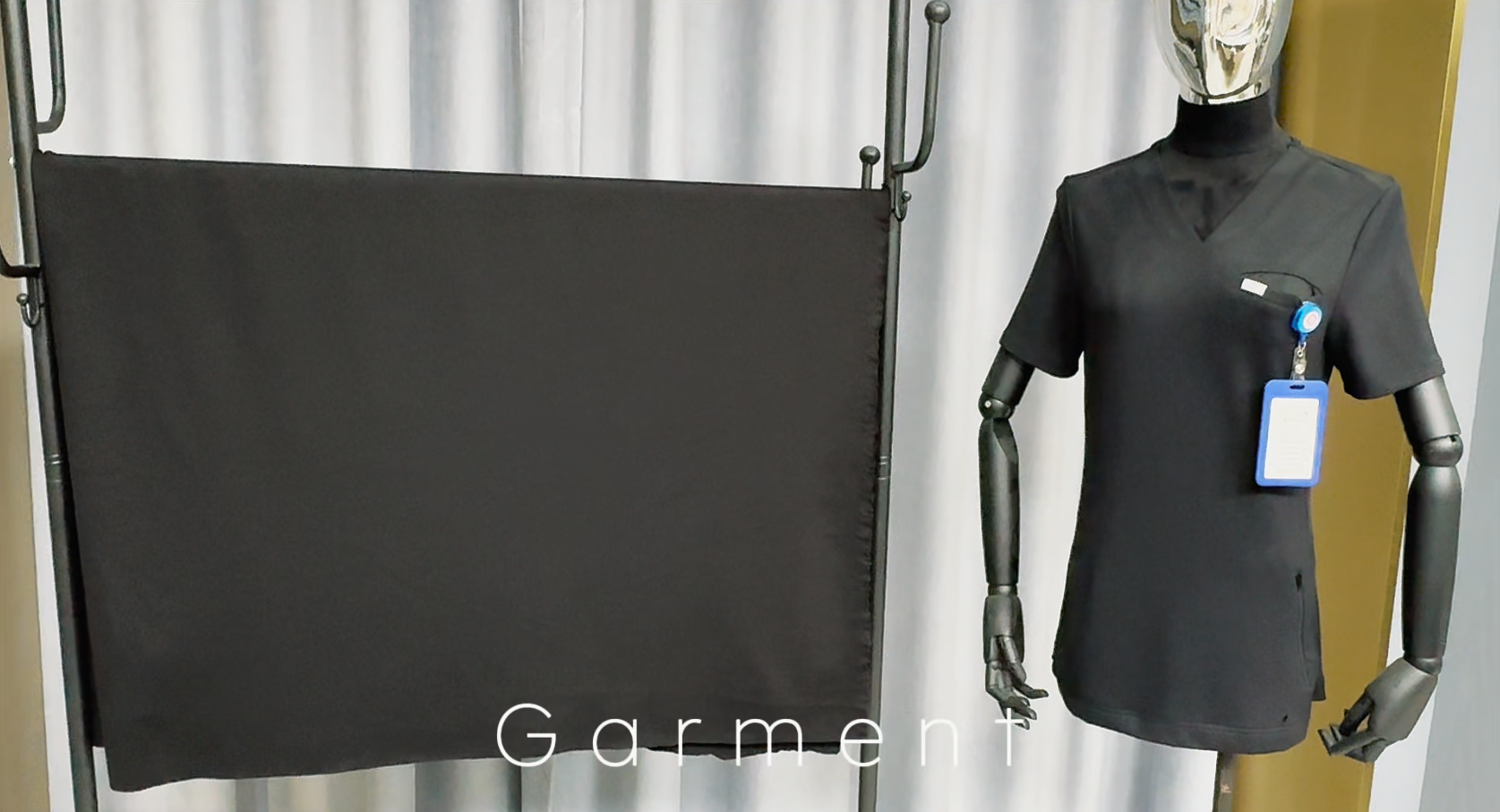
Textile experts employ various strategies to engineer anti-wrinkle performance into medical fabrics. These methods range from selecting the right raw materials to applying advanced chemical treatments and incorporating innovative technologies. Each approach plays a vital role in creating fabrics that meet the demanding standards of healthcare environments.
Fiber Selection and Fabric Construction for Medical Fabric
The choice of fibers significantly influences a fabric’s ability to resist wrinkles. Synthetic fibers like polyester naturally possess better wrinkle recovery properties than natural fibers such as cotton. However, pure synthetic fabrics may lack the comfort and breathability often desired in medical settings. Therefore, manufacturers often use blended fibers.
- Easier Care: Blending fibers often leads to fabrics that are less prone to wrinkling. This reduces the need for ironing. Polyester is particularly effective in achieving this.
- Improved Fabric Properties: Combining fibers allows manufacturers to create fabrics that are more durable, resistant to wrinkles, and more comfortable.
- Poly-cotton Blends: Polyester contributes strength, durability, and wrinkle resistance. Cotton adds softness and breathability. This creates a balance of comfort and easy care.
- Fewer Wrinkles: A primary advantage of blended fabrics is their reduced tendency to wrinkle. They often require less ironing.
For medical scrubs, blending cotton with synthetic fibers enhances durability and wrinkle resistance. This makes scrubs stronger and more resistant to wear and tear. It extends their lifespan and reduces replacement costs. Polyester-cotton blends are easy to care for, durable, and wrinkle-resistant. This makes them ideal for busy professionals who need low-maintenance attire. Polyester-viscose blends offer superior wrinkle resistance compared to pure cotton or viscose. They ensure scrubs maintain a neat appearance throughout long shifts and require less ironing. Polyester also boosts durability, wear resistance, and reduces maintenance costs.
Beyond fiber choice, the way manufacturers construct the fabric also impacts wrinkle resistance. The weave or knit structure plays a crucial role in how a textile recovers from creasing.
| Fabric Type/Characteristic | Wrinkle Recovery Impact |
|---|---|
| Fabrics knitted on double beds | Better wrinkle recovery due to higher elasticity |
| Less elastic fabrics (e.g., lacoste) | Lower wrinkle recovery |
| Weft-knitted fabrics | Superior wrinkle recovery compared to warp-knitted and woven fabrics |
| Higher thickness | Linked to better wrinkle recovery (strong positive correlation) |
| Higher mass per unit area | Associated with improved wrinkle recovery (moderate positive correlation) |
Weft-knitted fabrics, for example, often show superior wrinkle recovery compared to woven fabrics. This is due to their inherent elasticity. Thicker fabrics and those with a higher mass per unit area also tend to exhibit better wrinkle recovery.
Chemical Finishes and Treatments for Medical Fabric
Chemical finishes are another critical tool for imparting anti-wrinkle properties to fabrics. These treatments modify the fibers at a molecular level, helping them resist creasing and recover their smooth shape.
Traditional treatments, such as those using DMDHEU (dimethyloldihydroxyethyleneurea), provided excellent anti-wrinkle performance. They achieved wrinkle recovery angles up to 304° with minimal strength loss. However, traditional DMDHEU treatments continuously released carcinogens like formaldehyde. This posed significant harm to human health and the environment.
The textile industry now focuses on developing formaldehyde-free alternatives. These newer technologies offer comparable performance without the health risks.
- Improved Performance: PUREPRESS™ technology, a formaldehyde-free option, enhances tensile strength, tear strength, and abrasion resistance. It outperforms standard durable press finishes.
- Appearance and Odor: This technology minimizes yellowing, shade change, and odor.
- Smoothness: It achieves smoothness ratings comparable to conventional resins.
- Woven Fabrics: For woven fabrics, it leads to less abrasion, fewer signs of wear, and improved tear strength, tensile strength, and abrasion resistance.
- Knit Fabrics: For knit fabrics, it offers notable improvement in smoothness ratings and increased resistance to distortion and skewing.
Earlier formaldehyde-free options, such as polycarboxylic acid cross-linking agents, faced challenges. Their wrinkle and washability resistance were not ideal. They showed a “big gap” compared to DMDHEU-finished cotton fabrics. However, ongoing research continues to improve these safer alternatives.
Innovations in Medical Fabric Engineering
Advanced engineering techniques and smart textiles represent the forefront of anti-wrinkle medical fabric development. These innovations push the boundaries of textile functionality, offering enhanced performance and durability.
Nanopolymers enhance fabric properties. They lead to wrinkle-free and shrink-resistant textiles that maintain their shape. This is particularly beneficial for clothing that needs to retain its appearance, such as medical uniforms. Nanotechnology allows engineers to create fabrics with multiple desirable characteristics.
- Water repellence
- Antibacterial properties
- UV protection
- Odor control
- Wrinkle resistance
- Durability
- Antistatic properties
These smart textiles integrate advanced materials and processes. They provide not only superior wrinkle resistance but also a host of other protective and comfort-enhancing features. This holistic approach ensures medical fabrics meet the complex demands of modern healthcare.
Operational Efficiency and Cost Savings with Anti-Wrinkle Medical Fabric
Reducing Laundry Processing and Labor for Medical Fabric
Anti-wrinkle properties in medical textiles significantly streamline laundry operations. Fabrics that resist creasing require less ironing. This directly translates to reduced labor hours for laundry staff. Healthcare facilities can process uniforms and linens more quickly. This efficiency leads to faster turnaround times for essential items. It also lowers overall operational costs associated with laundry services. The reduced need for intensive pressing cycles saves both time and energy.
Extending Lifespan and Durability of Medical Fabric
Anti-wrinkle treatments and inherent fabric properties extend the lifespan of medical textiles. Excessive ironing significantly reduces fabric durability. Cotton fibers, for example, can lose about 10% of their tensile strength after just 50 high-heat pressing cycles. This degradation causes thinning and holes, especially in high-stress areas. Reducing the need for ironing, a benefit of anti-wrinkle treatments, directly maintains fabric integrity. Durable-press finishes, often applied to cellulosic fabrics like cotton, eliminate the need for ironing. These treatments create cross-linking effects in the cellulosic chains, resulting in wrinkle-free characteristics. Fabrics made from synthetic fibers are inherently wrinkle-free. This further reduces the need for ironing and contributes to their longevity. This extended lifespan means facilities replace items less frequently.
Environmental Benefits of Anti-Wrinkle Medical Fabric
The environmental advantages of anti-wrinkle medical fabric are substantial. Less ironing means lower energy consumption. Industrial irons and pressing machines use considerable electricity. Reducing their operation conserves energy resources. Furthermore, less frequent or less intensive washing cycles can also contribute to water savings. Fabrics that maintain their appearance longer reduce textile waste. This minimizes the environmental impact associated with manufacturing and disposing of new items. These benefits align with sustainable practices in healthcare.
Anti-wrinkle performance in medical fabrics is a fundamental requirement, not merely an aesthetic preference. It significantly impacts hygiene, patient care, operational efficiency, and professional credibility. Understanding these benefits highlights textile science’s critical role in modern healthcare. This property ensures safety, comfort, and trust in clinical environments.
FAQ
Why is anti-wrinkle performance crucial for medical fabrics?
Anti-wrinkle performance ensures a professional appearance. It enhances hygiene by reducing microbial colonization sites. It also improves patient comfort by preventing skin irritation.
What types of fibers help medical fabrics resist wrinkles?
Synthetic fibers, such as polyester, naturally resist wrinkles. Blends with cotton also offer durability and wrinkle resistance. Fabric construction, like weft-knitting, also contributes.
How do anti-wrinkle medical fabrics save healthcare facilities money?
They reduce laundry processing time and labor. These fabrics also extend lifespan, lowering replacement costs. This contributes to operational efficiency.
Post time: Oct-16-2025