
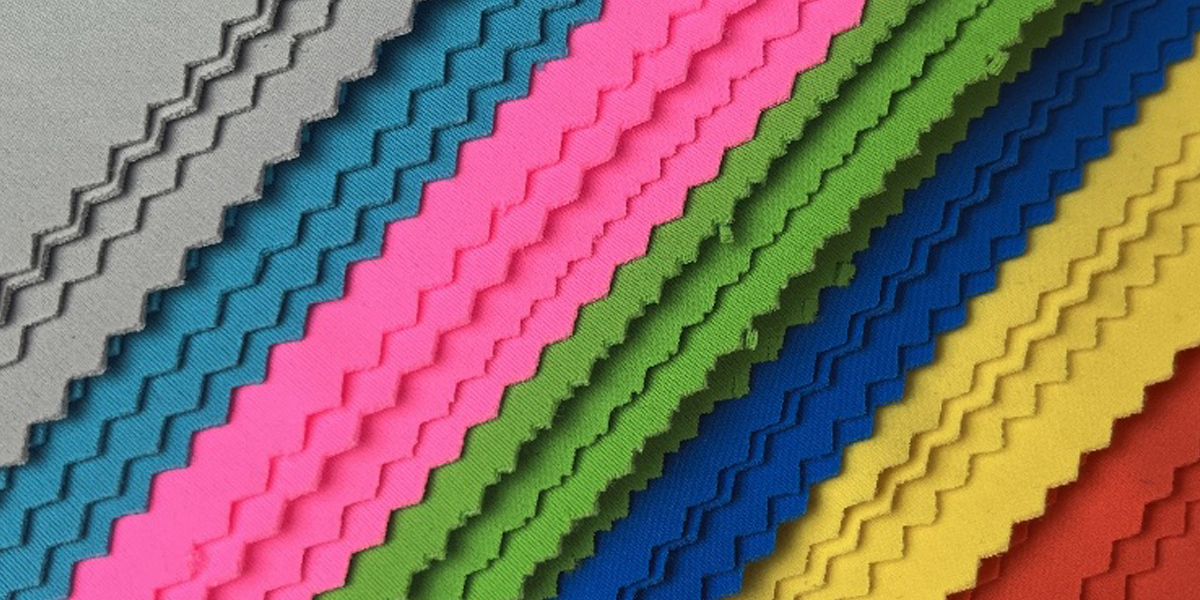
Outdoor Sportswear Fabrics must endure harsh conditions. I know performance relies on inherent material properties. A 100 polyester outdoor sports textile needs a robust structural design. This design dictates functional capability. As an outdoor fabric manufacturer, I prioritize sports fabric strength performance. This ensures long lasting outdoor sports wear fabric, like a woven waterproof blended fabric for activewear.
Key Takeaways
- Outdoor fabrics need strong structures. This helps them last longer. They must handle harsh weather and physical stress.
- Fabric strength comes from fiber choice and weave patterns. Special coatings also make fabrics stronger. These things help fabrics resist damage.
- Color is less important than fabric strength. Colors can fade quickly. Strong fabrics protect you for many years.
Demands on Outdoor Sportswear Fabrics
Resisting Environmental Exposure
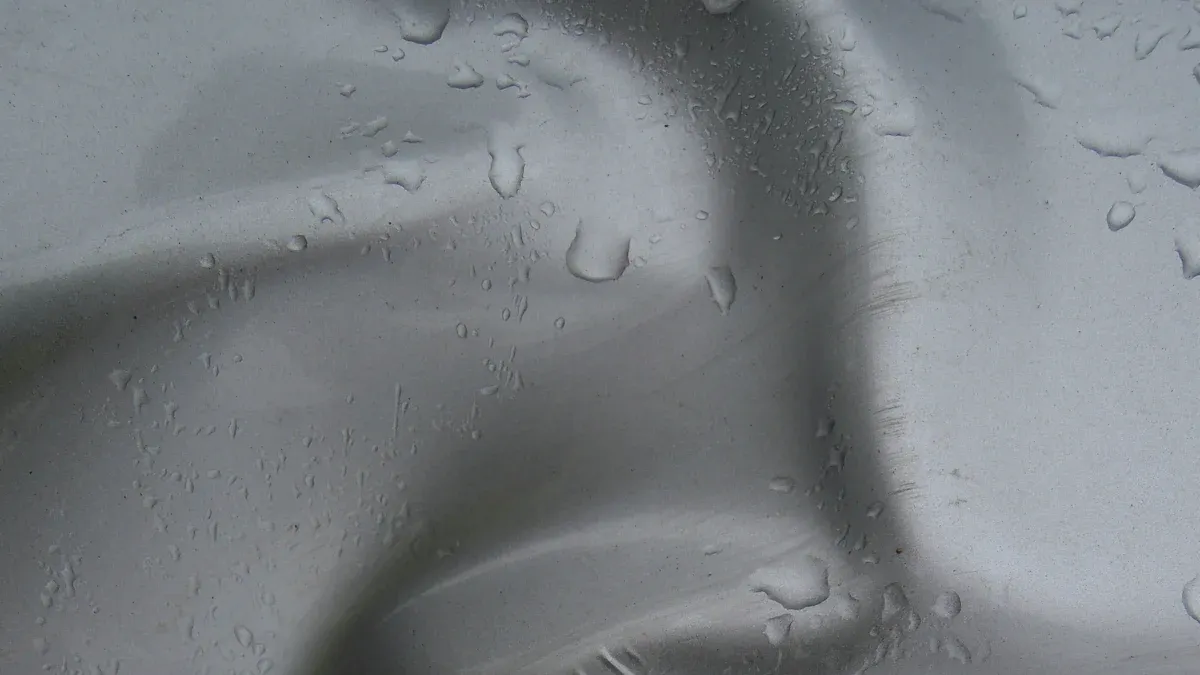
I design Outdoor Sportswear Fabrics to face harsh weather conditions. Sun’s UV rays can severely damage materials over time. Rain and moisture must not penetrate the fabric, keeping the wearer dry. Wind can cause significant wear and tear, especially during high-speed activities. Extreme temperatures, both hot and cold, also pose a challenge to material integrity. My fabrics actively protect the wearer from these environmental elements. I ensure they maintain their structural integrity and performance in diverse climates. This protection is non-negotiable for outdoor gear.
Withstanding Physical Stress
Outdoor activities demand exceptionally strong fabrics. I know my materials must resist stretching during dynamic movements. They need to handle tearing from unexpected encounters with branches or sharp rocks. Abrasion resistance is crucial for active use, like scrambling or carrying heavy packs. Impact from falls or rough contact should not compromise the material’s protective qualities. I engineer these fabrics specifically for rigorous physical stress. This ensures they perform reliably under constant pressure and movement. My focus is on preventing failure in demanding situations.
Ensuring Long-Term Durability
Customers expect their outdoor gear to last for many seasons. I focus on creating highly durable Outdoor Sportswear Fabrics. My primary goal is to prevent premature wear and tear. The fabrics must resist degradation over extended periods of use. This includes enduring repeated washing, drying, and exposure to various elements. I build them to withstand countless adventures and challenging expeditions. Longevity is a key performance indicator for me, reflecting the true value of the fabric’s engineering. I want users to trust their gear for years.
Structural Elements for Superior Performance
Fiber Composition and Weave
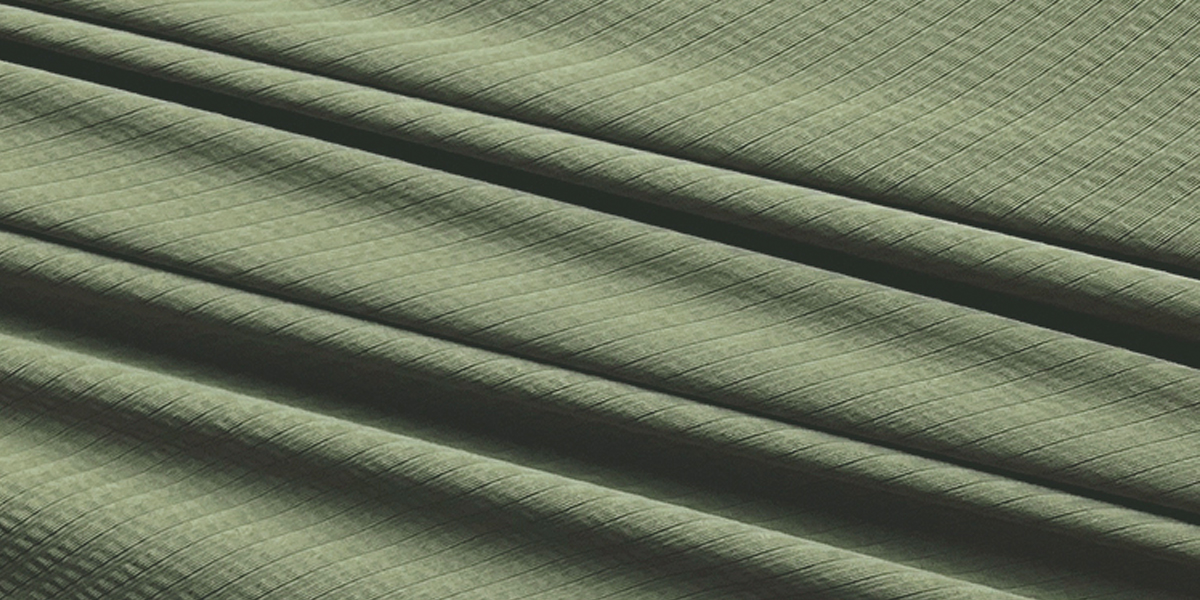
I know fiber choice is fundamental for outdoor fabric performance. Different fibers offer unique strengths. For example, Para Aramids like Kevlar® excel in heat resistance and tensile strength. They also resist abrasion well. However, UV light can damage them, and they absorb water. Meta Aramids, such as Nomex, provide intrinsic flame resistance and a soft feel. They also hold color well. But, their tensile strength is lower, and they offer limited cut resistance.
| Fiber Type | Strengths (Performance Characteristics) | Weaknesses (Performance Characteristics) |
|---|---|---|
| Para Aramids | Heat/flame resistance, excellent tensile strength, good abrasion resistance | UV damage, porous (gains weight when wet) |
| Meta Aramids | Intrinsic flame resistance, soft hand, colorfastness | Low tensile strength, limited cut & abrasion resistance, porous |
| UHMWPE | Exceptional tensile strength, excellent cut & abrasion resistance, hydrophobic, UV resistance | Vulnerability to heat and flame |
| Vectran | Moderate heat/flame resistance, excellent tensile strength, cut & abrasion resistance, hydrophobic, arc-flash resistance | UV sensitivity |
| PBI | Excels in extreme heat/flame, soft hand, chemical resistance, elongation | Limitations in tensile strength, cut & abrasion resistance |
I also use UHMWPE (Spectra®, Dyneema®) for its exceptional strength and cut resistance. It is also hydrophobic and UV resistant. However, it is vulnerable to heat. Vectran offers good tensile strength, cut resistance, and hydrophobicity. It has moderate heat resistance. But, it is sensitive to UV. PBI (polybenzimidazole) performs well in extreme heat and offers chemical resistance. It has a soft feel. However, its tensile strength and abrasion resistance are limited.
I often choose synthetic materials like 100% acrylic (Sunbrella, Outdura) and polyolefin fibers (SunRite). These are engineered for maximum durability and easy care. They differ greatly from natural fibers. I use solution dyeing for these fabrics. This process integrates color into the fiber’s core. This creates richer, more vibrant colors. It also enhances UV resistance. The color penetrates each yarn. This makes fabrics highly UV resistant. For example, Sunbrella, Outdura, and SunRite have a 1,500-hour UV fade rating. Acrylic and polyolefin fibers are naturally hydrophobic. They resist water absorption. This makes them moisture-resistant. It also helps prevent mold and mildew. Sunbrella and Outdura also offer breathability. This helps with evaporative management. SunRite’s polyolefin fibers are antimicrobial. I test performance fabrics for durability using double rubs. Fabrics like Sunbrella, Outdura, and SunRite can withstand 15,000 to 100,000 double rubs. This shows medium to heavy-duty abrasion resistance for frequent use. Solution-dyed fibers allow for easy cleaning. I can use mild soap and water, or even bleach solutions for tough stains. This does not damage the fabric or fade its color.
Weave patterns also play a critical role. I select specific weaves for their strength and use.
| Fabric Weave | Strength | Look | Best Use (Outdoor Fabrics) |
|---|---|---|---|
| Plain | Strong | Smooth and simple | Daily items, work clothes |
| Twill | Durable | Textured and rugged | Casual wear, neat outfits |
| Ripstop | Very strong | Grid-like and sturdy | Outdoor gear, tough tasks |
Plain weave is strong. It resists wear. I use it for daily items and work clothes. Twill weave is durable and flexible. It hides stains well. I often use it in casual wear and workwear. Ripstop weave is highly tear-resistant. It has a grid pattern. It is lightweight and often weather-resistant. I find it ideal for outdoor gear. This includes backpacks, tents, and military uniforms.
Advanced Coatings and Treatments
I apply advanced coatings to enhance fabric performance. These coatings improve water resistance and breathability. For example, I use coated polypropylene. This new material is naturally hydrophobic. Its coating process creates a smooth, impenetrable layer. It is also tear-resistant. It offers excellent resistance to solvents, sunlight, ozone, and petroleum products.
I also consider Polyurethane (PU) Coatings. I apply these as a thin layer to textiles like polyester, nylon, or canvas. They provide water repellency, durability, and flexibility. PU is inherently hydrophobic. It blocks water penetration. While more sustainable than PVC, it has a high carbon footprint. It is not breathable and cannot be recycled.
For extreme waterproofing, I sometimes use Vinyl (PVC). It achieves this through layers of PVC on a base fabric. However, it is not breathable. It is also non-recyclable. It contains toxic plasticizers and has a high carbon footprint.
I also use Gore-Tex®. This is a well-known brand for laminated fabrics. It features a waterproof membrane between two fabric layers. It is breathable and lightweight. Some versions may contain PFAS for enhanced water resistance. I also apply Durable Water Repellent (DWR). I often apply it to nylon. This improves its inherent water resistance.
Specific fabric treatments also improve UV resistance and abrasion resistance. Solution dyeing is one such treatment. I add pigment to the yarn in a molten state before extrusion. This ensures color is throughout the yarn. It makes it resistant to fading and bleeding. This enhances UV resistance. Polypropylene fabric is another example. I make it from a thermoplastic polymer. It offers superior UV resistance. It resists fade, stain, and moisture. Polyolefin fabrics are composed of synthetic fibers. They come from propylene, ethylene, or olefins. They are lightweight, stain-resistant, and abrasion-resistant. They also have good colorfastness. Polyester resists stretch, rot, mold, mildew, and abrasion. It also features good UV resistance. I use the ‘double rub’ or abrasion test. This often uses the Wyzenbeek Abrasion Test. It measures a fabric’s ability to withstand surface abrasion. This indicates its durability for outdoor use.
Engineering for Movement and Abrasion
I engineer Outdoor Sportswear Fabrics to withstand high levels of abrasion. This is crucial in demanding environments. Fabric construction and weave density are key. Tightly woven or knit fabrics resist friction better. Plain and twill weaves are generally more abrasion-resistant than satin weaves. This is because they have less yarn movement. Fiber thickness and content also matter. Heavier denier fibers and thicker fibers, like 14oz denim, endure more abrasion cycles. They show wear later. Denser fabrics exhibit higher abrasion resistance. Heavier fabrics are typically more durable. Fabrics with higher apparent density are less prone to breaking down under friction. Fabrics with less fuzz or pilling better resist surface surface damage. Fibers with a circular cross-sectional structure offer superior abrasion resistance. They withstand friction better.
I build in durability. Certain natural fibers and weaving methods inherently provide higher resistance to abrasion. Examples include tightly woven fabrics like denim, canvas, and leather. These have dense constructions and thick, strong yarns. I also use synthetic fabrics engineered for strength. Textiles like Kevlar and nylon are designed at the molecular level. They resist abrasion. This makes them suitable for high-performance applications.
I also use advanced materials like Dyneema®. This is an ultra-high-molecular-weight polyethylene (UHMWPE) fiber. I engineer it to be fifteen times stronger than steel. Dyneema® Woven Composites feature a dual-layer structure. It combines a fully woven Dyneema® face fabric with Dyneema® composite technology. This precision-layered construction provides exceptional strength, abrasion resistance, and durability. It is highly effective under significant load conditions and prolonged use.
I also use silicone-coated fabrics. These fabrics involve adding a silicone layer to a fiberglass base. The silicone provides toughness and flexibility. This makes the fabric resistant to tearing and mechanical wear. It also offers moisture and UV protection. PTFE (Polytetrafluoroethylene) coated fabrics are another option. I make fabrics like Z-Tuff™ F-617 PTFE fabric by applying a PTFE coating to fiberglass. This creates a smooth, chemically inert surface. It offers durability against abrasion, moisture, and environmental exposure. It also provides high thermal stability and chemical resistance.
Why Color is Secondary in Outdoor Fabrics
Inherent Susceptibility to Fading
I understand that color fading is a major challenge for outdoor fabrics. Environmental exposure causes significant color changes. Photodegradation is a primary culprit. UV radiation and visible light from the sun cause this. UV-A and UV-B radiation reach the Earth. They destroy and form covalent bonds within the fiber polymer. This affects both crystalline and non-crystalline structures. Dyes are very susceptible to UV radiation. Their lightfastness depends on many factors. These include radiation wavelength, dye molecular structure, and physical state. Dye concentration, fiber type, and mordant used also play a role. Climatic factors like temperature and humidity also impact a dye’s lightfastness.
Post time: Jan-06-2026