
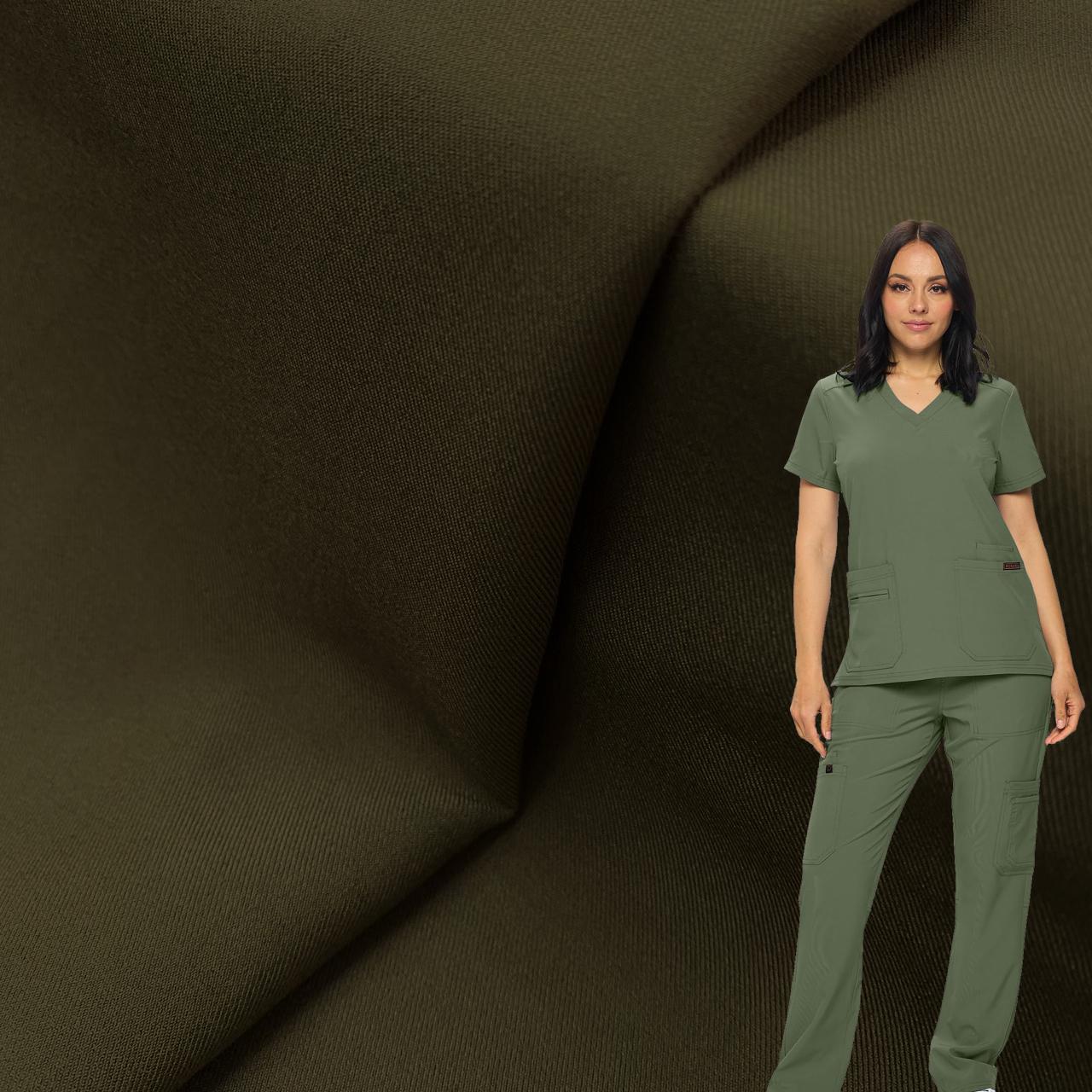
Wearing a scrub suit made from twill fabric transforms my daily comfort during long shifts. The scrub suit fabric, specifically the Polyester Rayon blended scrub suit fabric, provides a perfect balance of durability and softness. I appreciate how the viscose polyester fabric for medical wear allows for breathability, while the high stretchy medical nurse uniform fabric ensures I can move freely. This combination makes the polyester blend rayon stretch fabric for scrub ideal for my busy workdays, especially with the added benefits of the four-way stretch woven TR fabric for nurse scrub.
Key Takeaways
- Twill fabric offers a perfect blend of durability and softness, making it ideal for long shifts in demanding environments.
- Breathability and flexibility of twill fabric enhance comfort, allowing for easy movement and reducing physical strain during busy workdays.
- Proper care of twill scrub suits can significantly extend their lifespan, making them a cost-effective choice for healthcare professionals.
Characteristics of Twill Fabric
Weave Structure
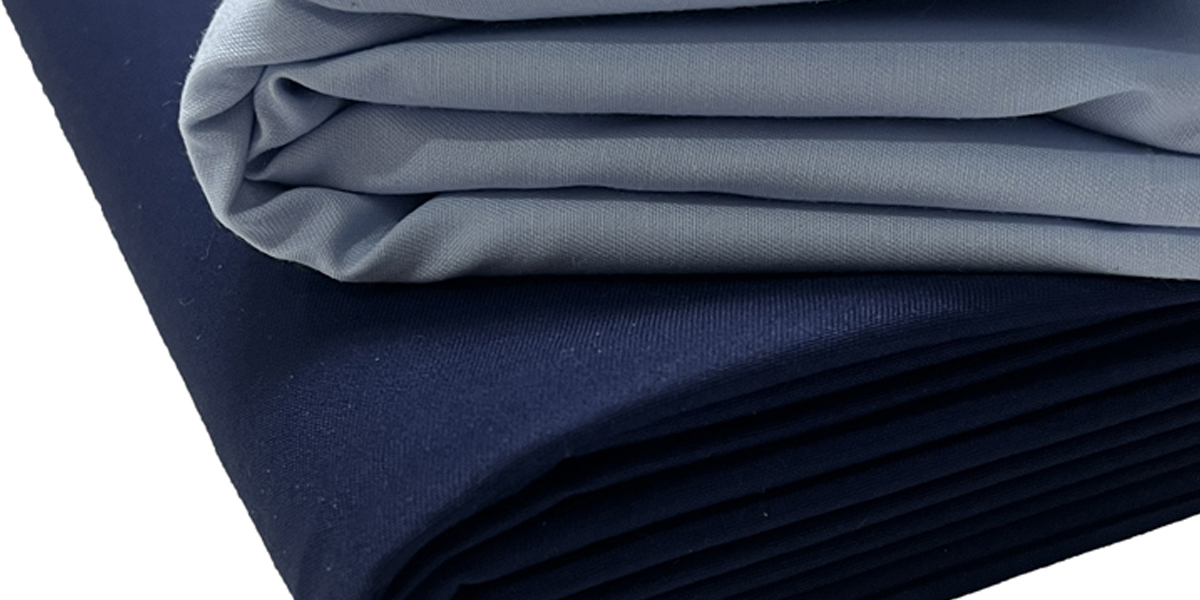
The weave structure of twill fabric sets it apart from other fabrics. I find the distinctive diagonal weave pattern fascinating. This pattern emerges from passing weft threads over one yarn and under two or more yarns. The result is a fabric that not only looks appealing but also performs exceptionally well.
| Characteristic | Description |
|---|---|
| Weave Pattern | Distinctive diagonal weave pattern created by passing weft threads over one yarn and under two or more yarns. |
| Durability | More durable and resistant to tearing compared to plain weaves due to the systematic interlacing pattern. |
| Stress Distribution | Distributes stress more evenly, enhancing durability and resistance to tearing along the bias. |
| Aesthetic Variability | Can be constructed with various angles and patterns, contributing to aesthetic and performance characteristics. |
| Drape and Comfort | Demonstrates superior drape characteristics and natural stretch along the bias, improving comfort and fit in garments. |
This unique structure enhances the overall comfort of scrub suit fabric, making it ideal for long hours of wear.
Texture and Feel
The texture of twill fabric plays a significant role in my daily comfort. I appreciate how the diagonal pattern enhances drape and texture, which contributes to a more comfortable fit. The fabric feels soft against my skin, making it pleasant to wear throughout my busy shifts.
Additionally, twill fabric is resistant to tearing and wrinkling. This durability means I can rely on my scrub suit fabric to maintain its appearance even after multiple washes. The texture also helps to disguise dirt and stains, which is practical for my work environment where cleanliness is paramount.
Durability and Longevity
When it comes to durability, twill fabric excels. The systematic interlacing pattern provides a robust structure that withstands the rigors of daily wear. I have noticed that my scrub suit fabric remains intact and functional even after extensive use.
The fabric’s resistance to tearing and wrinkling significantly increases its longevity. I find that I spend less time worrying about wear and tear, allowing me to focus on my tasks. This durability translates into a cost-effective investment, as I do not need to replace my scrub suits frequently.
Comfort Benefits of Twill Fabric
Breathability
Breathability is a crucial factor in my choice of scrub suit fabric, especially during long shifts in hot and humid environments like hospitals. I appreciate how twill fabric allows air to circulate, keeping me cool and comfortable throughout the day. This air permeability significantly enhances my overall comfort, as I often find myself moving between different areas with varying temperatures.
- Breathability Levels:
- Cotton: Highly breathable due to natural fibers that create spaces for air circulation.
- Polyester: Not breathable, as synthetic fibers tend to trap heat and moisture.
- Cotton Twill: Offers medium breathability, balancing comfort and structure.
- Polyester Twill: Less airy, which can lead to discomfort during extended wear.
This comparison highlights why I prefer twill fabric for my scrub suits. It strikes the right balance between comfort and functionality, allowing me to focus on my tasks without feeling overheated.
Softness Against the Skin
The softness of twill fabric is another reason I enjoy wearing it. The smooth texture feels gentle against my skin, which is essential during long hours of work. I often experience irritation or chafing with rougher fabrics, but twill eliminates that concern.
Moreover, the fabric’s resistance to wrinkling means I can maintain a polished appearance without constant ironing. This feature is particularly beneficial for busy professionals like me who need to look sharp while managing a hectic schedule. The soft feel of twill fabric enhances my confidence, allowing me to focus on my responsibilities rather than discomfort.
Flexibility and Movement
Flexibility is vital in my daily tasks, and twill fabric excels in this area. The stretch provided by the spandex blend allows the fabric to move with my body, reducing physical strain and fatigue. I can bend, reach, and twist without feeling restricted, which is crucial for healthcare professionals who perform various tasks efficiently.
- Benefits of Flexibility:
- Reduces physical strain and fatigue.
- Enhances freedom of movement by flexing with the body.
- Prevents pulling or resistance, allowing a full range of motion.
- Minimizes irritation and chafing, enabling me to focus on my work.
The ergonomic tailoring of twill scrub suits, including features like gusseted underarms and articulated sleeves, further improves fit and comfort. This thoughtful design allows me to perform my duties without distraction, ensuring I can provide the best care possible.
Comparison of Twill Fabric with Other Fabrics
Twill vs. Cotton
When comparing twill fabric to cotton, I notice distinct differences in comfort and functionality. Brushed cotton is incredibly soft, making it a popular choice for clothing that needs to feel gentle against the skin. However, cotton twill, while durable and wrinkle-resistant, tends to be slightly heavier. This added weight can impact overall comfort during long shifts. I often find that my preference leans toward twill for its balance of durability and comfort, especially in demanding environments.
Twill vs. Polyester
In my experience, twill fabric offers advantages over polyester in terms of moisture management. Twill fabrics demonstrate superior water repellence and lower liquid penetration compared to polyester. This characteristic is crucial in clinical settings where maintaining hygiene is essential. While polyester may wick moisture away effectively, twill’s durability under rigorous conditions makes it a reliable choice for scrub suits. I appreciate knowing that my scrub suit fabric can withstand the demands of my work without compromising on comfort.
Overall Comfort Assessment
Overall, I find that twill fabric strikes an excellent balance between comfort and practicality. It provides the softness I desire while ensuring durability and moisture management. Whether I am bending, reaching, or moving quickly, twill allows for flexibility and ease of movement. This fabric truly enhances my daily comfort, making it my preferred choice for scrub suits.
Practical Considerations for Twill Fabric
Care and Maintenance
Caring for my twill fabric scrub suits is essential to maintain their quality and appearance. I follow these practices to ensure longevity:
- Air dry when possible to prevent shrinkage and fabric stress.
- Use lower heat settings if machine drying is necessary.
- Remove promptly from the dryer to avoid wrinkles.
- Consider using a drying rack for work clothes.
- Ensure workwear is completely dry before storing to prevent mildew.
- Use sturdy hangers for heavy items to maintain shape.
- Avoid overcrowding closets to prevent permanent creases.
These steps help me keep my scrub suits looking fresh and professional.
Longevity of Twill Fabric
I have found that proper care significantly impacts the longevity of my twill fabric. With the right maintenance, my scrubs can last from six months to two years or more. High-quality blends like polyester-cotton withstand frequent washing and daily wear. I appreciate that twill fabric can endure at least 25,000 wash cycles before showing noticeable wear. This durability means I can rely on my scrub suits for extended periods without compromising comfort or appearance.
Cost-Effectiveness
Investing in twill fabric scrub suits proves to be cost-effective in the long run. The durability of twill means I spend less on replacements. Its thicker weave provides extra warmth, making it suitable for cooler weather. Additionally, twill’s resistance to wrinkling allows me to maintain a polished look without constant ironing. This combination of durability and ease of maintenance makes twill fabric a smart choice for anyone prioritizing both comfort and value.
In summary, twill fabric offers numerous benefits for scrub suits that enhance my daily comfort. I appreciate its durability, resistance to tearing, and ability to hide dirt and stains. The breathability and softness against my skin allow for freedom of movement, which is crucial during long shifts. Choosing the right fabric significantly impacts my job performance and overall comfort.
FAQ
What makes twill fabric ideal for scrub suits?
Twill fabric combines durability, breathability, and softness, making it perfect for long shifts in demanding environments.
How do I care for my twill scrub suits?
I recommend air drying and using lower heat settings when machine drying to maintain the fabric’s quality and appearance.
How long can I expect my twill scrub suits to last?
With proper care, my twill scrub suits can last from six months to two years or more, depending on usage.
Post time: Mar-16-2026