

When I partner with a garment manufacturing supplier who also acts as my uniform fabric supplier, I notice immediate savings. My wholesale fabric and garment orders move faster. As a workwear supplier or custom shirt factory, I trust a single source to handle every step with precision.
Key Takeaways
- Using one supplier for fabric and garment manufacturing saves time by simplifying communication and speeding up problem-solving.
- Working with a single supplier lowers costs through reduced shipping fees, bulk discounts, and fewer mistakes that cause rework.
- A single supplier ensures consistent quality and easier management, helping you deliver better products and keep customers happy.
Garment Manufacturing Efficiency Through Single-Supplier Sourcing
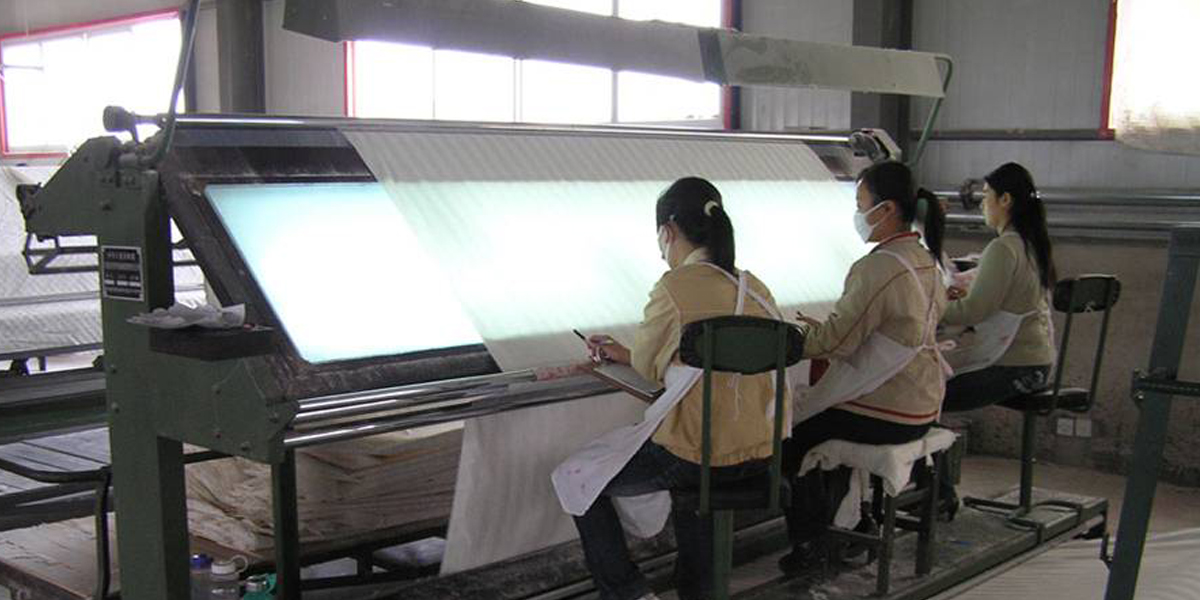
Streamlined Communication and Fewer Points of Contact
When I work with just one supplier for both fabric sourcing and garment manufacturing, communication becomes much easier. I do not have to juggle messages between different companies or worry about information getting lost. I see fewer misunderstandings and faster updates.
Tip: Clear communication with one supplier helps me avoid delays and costly mistakes.
Here are some common challenges I faced when working with multiple suppliers:
- Fragmented communication often leads to misalignment and slow information flow.
- Language and cultural differences make it hard to get clear answers.
- Technology gaps between suppliers cause delays in sharing important data.
- Confusing supplier tiers create operational headaches.
- Delays in passing updates can result in late deliveries or production stops.
By choosing a single supplier, I set clear expectations and build trust. I notice that my orders move smoothly, and I get proactive updates. I save time and avoid the stress of chasing down answers from different sources.
Faster Decision-Making and Problem Resolution
I make decisions faster when I deal with one supplier. If a problem comes up, I know exactly who to contact. I do not waste time figuring out which company is responsible. My supplier responds quickly because they control both fabric sourcing and garment manufacturing.
- I see issues resolved before they grow into bigger problems.
- My supplier understands my needs and can offer solutions right away.
- I avoid delays that happen when multiple suppliers pass the blame.
Vertically integrated manufacturers give me more control over quality, timing, and cost. They handle everything from fabric production to garment assembly. This setup lets me solve problems quickly and keep my production on track.
Synchronized Production Schedules and Reduced Lead Times
When I source fabrics and garments from one supplier, my production schedules stay in sync. I do not worry about waiting for fabric shipments to arrive from another company. My supplier plans every step, from fabric making to garment manufacturing, so my orders finish faster.
- Cloud-based platforms help my supplier coordinate with designers and production teams.
- Real-time tracking lets me see where my order is at any moment.
- Automation and digital tools reduce errors and speed up each stage.
I see my lead times shrink because my supplier manages the whole process. I get my products on time, and my customers stay happy. This efficiency helps me grow my business and keep costs low.
Cost Savings and Quality Consistency in Garment Manufacturing

Lower Logistics and Transportation Costs
When I work with a single supplier for both fabric sourcing and Garment Manufacturing, I see my shipping costs drop. I do not need to arrange multiple shipments between different factories. My supplier handles everything in one place, which means fewer trucks, less fuel, and less time spent waiting for materials to arrive.
- I notice fewer shipping delays because my supplier consolidates design, sourcing, manufacturing, and shipping.
- My orders move faster since there is no need to coordinate between different locations.
- I avoid extra fees that come from splitting shipments or dealing with customs at multiple points.
Note: By reducing the number of shipments, I also help lower transportation emissions and make my supply chain more eco-friendly.
Bulk Pricing and Negotiation Leverage
Ordering both fabrics and finished garments from one supplier gives me more power to negotiate better prices. My order volumes increase, so my supplier offers me bulk discounts. I can lock in better terms and save money on each unit.
- I get stronger bargaining power because I concentrate my purchases.
- My supplier values my larger orders and rewards me with better deals.
- I spend less time negotiating with multiple companies and more time focusing on my business.
Reduced Risk of Costly Errors and Rework
I see fewer mistakes when one supplier manages the whole process. My supplier knows exactly what I want, from fabric type to final stitching. This reduces the risk of errors that can happen when information passes between different companies.
- My supplier catches problems early and fixes them before they become expensive.
- I avoid costly rework and wasted materials.
- My customers receive products that meet my standards every time.
Tip: Clear instructions and direct feedback help my supplier deliver consistent results.
Single Source Responsibility for Quality Assurance
When I use one supplier for Garment Manufacturing and fabric sourcing, I know who is responsible for quality. My supplier controls every step, so I do not have to track down which company made a mistake. This makes it easier to maintain high standards.
- I get consistent quality because my supplier uses the same processes and checks for every order.
- My supplier invests in better equipment and training to keep my products top-notch.
- I build a strong relationship with my supplier, which leads to better service and trust.
Case Studies: Uniforms, Polo Shirts, Government Contracts
I have seen real benefits in different projects by using a single supplier. Here are some examples:
| Aspect | Multiple Suppliers (Diversification) | Single Supplier (Consolidation) |
|---|---|---|
| Risk Mitigation | Reduces risk of disruption from supplier-specific issues or external events. | Risk of single point of failure if supplier underperforms or faces issues. |
| Pricing | Competitive pricing due to supplier competition; potential cost savings. | Economies of scale from larger volumes lead to better pricing and terms. |
| Administrative Costs | Higher due to managing multiple relationships and coordination complexity. | Lower due to simplified management and communication. |
| Bargaining Power | Reduced per supplier because volumes are split, limiting negotiation leverage. | Increased due to concentrated purchasing power, enabling stronger negotiation. |
| Quality Consistency | Challenging to maintain due to varying supplier standards. | Easier to maintain consistent quality with fewer suppliers. |
| Innovation | Greater innovation from diverse supplier perspectives and expertise. | Reduced innovation due to fewer perspectives. |
| Supply Chain Stability | More complex with multiple variables but less vulnerable to single disruptions. | More stable with fewer variables but vulnerable to supplier failure. |
| Dependence | Lower dependence on any single supplier. | High dependence on supplier performance, risking costly disruptions if issues arise. |
For example, when I supplied uniforms for a large company, my single supplier managed fabric selection, dyeing, and stitching. The process ran smoothly, and I delivered on time. In a polo shirt project, I avoided delays and quality issues because my supplier handled everything. For government contracts, I met strict standards and tight deadlines by relying on one trusted partner.
Note: Working with a single supplier who uses sustainable practices also helps me reduce my environmental impact. I see less waste, lower emissions, and better resource use throughout the supply chain.
I choose one supplier for both fabric sourcing and production. This approach saves me time and money. I see better quality and fewer mistakes. My business runs smoother. I recommend a one-stop solution for anyone who wants to improve efficiency and cut costs.
FAQ
What if my supplier faces production delays?
I contact my supplier directly. They update me quickly and offer solutions. I avoid confusion and keep my project moving forward.
Can I customize fabrics and garments with one supplier?
I work with my supplier to choose colors, textures, and designs. They handle my requests from start to finish. My products match my brand.
How do I ensure quality when using a single supplier?
- I set clear standards.
- My supplier follows strict checks.
- I review samples before full production.
- I trust their process to deliver consistent results.
Post time: Aug-26-2025