

As summer approaches, I find myself searching for fabrics that keep me cool and comfortable. Tencel cotton fabric blends stand out due to their impressive moisture regain rate of approximately 11.5%. This unique feature allows the tencel cotton blend fabric to absorb and release sweat efficiently. Consequently, wearing a tencel shirt fabric keeps my skin dry, enhancing my overall comfort during hot days. Additionally, I appreciate the versatility of tencel cotton jacquard and tencel twill fabric, which offer stylish options for my summer wardrobe. For those looking for a refined choice, mens tencel shirt fabric provides both comfort and sophistication.
Key Takeaways
- Tencel cotton blends keep you cool and comfortable in summer due to their excellent moisture-wicking properties.
- These fabrics are soft, breathable, and hypoallergenic, making them ideal for sensitive skin and hot weather.
- Tencel cotton blends are eco-friendly, using less water in production and being fully biodegradable, which benefits the environment.
What is Tencel Cotton Fabric?
Tencel cotton fabric is a blend that combines the best qualities of both Tencel and cotton. Tencel, also known as Lyocell, is derived from sustainably sourced wood pulp, while cotton is a natural fiber known for its softness. Together, they create a fabric that is not only comfortable but also functional for summer wear.
Features of Tencel Cotton Blends
Tencel cotton blends possess several remarkable features that set them apart from other fabrics. Here are some key characteristics:
- Softness: The smooth surface of Tencel fibers provides a luxurious feel against the skin, making it more comfortable than traditional cotton.
- Breathability: Tencel cotton blends allow air to circulate, which helps keep the body cool during hot weather.
- Moisture-Wicking: These fabrics efficiently absorb moisture and release it quickly, preventing that uncomfortable damp feeling associated with sweat.
- Durability: Tests indicate that Tencel exhibits superior resistance to pulling, tearing, and wear due to its fiber structure. This durability ensures that my summer shirts last longer, even with frequent use.
Benefits for Summer Wear
When it comes to summer wear, Tencel cotton blends offer numerous advantages that enhance comfort and style. Here are some benefits I have personally experienced:
- Temperature Regulation: Tencel absorbs moisture approximately 50% faster than cotton. This property helps regulate body temperature, keeping me cool even on the hottest days.
- Hypoallergenic Properties: Tencel is naturally hypoallergenic, making it a great choice for those with sensitive skin. I appreciate how gentle it feels, reducing irritation and friction.
- Odor Resistance: The fabric’s natural odor-resistant properties mean I can wear my Tencel cotton shirts multiple times without worrying about unpleasant smells.
- Easy Care: Tencel cotton blends are less prone to wrinkling and shrinking, which simplifies laundry day. I can toss my shirts in the wash without fear of them losing their shape.
Why Lightweight Tencel Cotton Blends Suit Summer Shirts
Breathability and Comfort
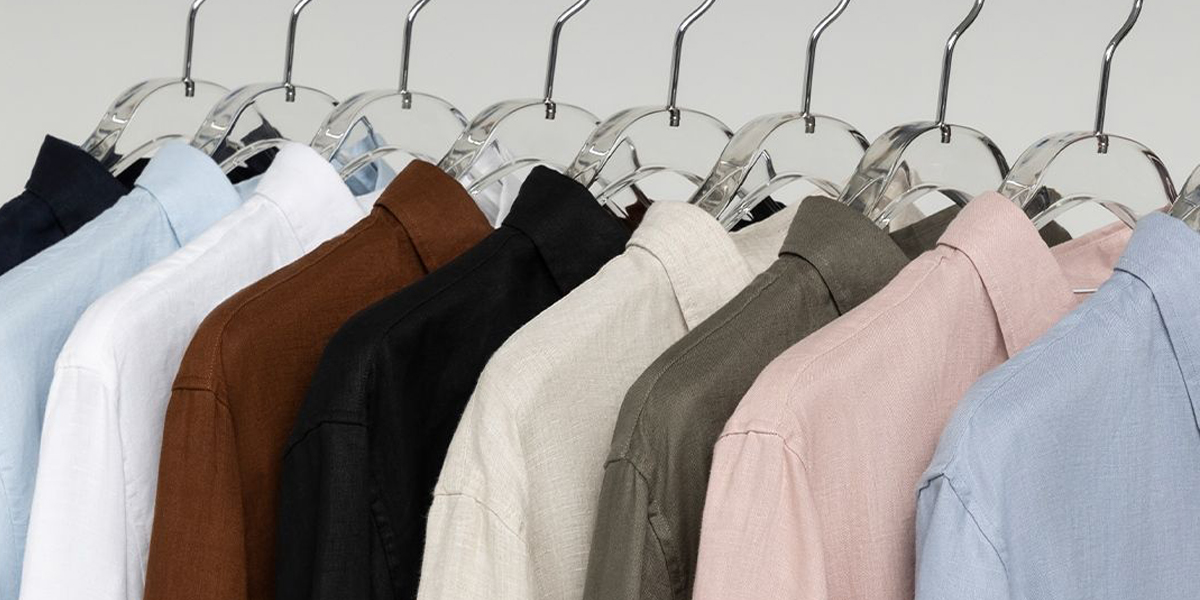
When summer arrives, I prioritize fabrics that allow my skin to breathe. Tencel cotton blends excel in this area. The lightweight nature of Tencel cotton fabric ensures that air circulates freely, which is essential for staying cool. In fact, scientific tests indicate that Tencel has high air permeability, surpassing many other fabrics. This means I can enjoy outdoor activities without feeling stifled by my clothing.
I often find myself reaching for Tencel cotton blend shirts during hot and humid days. Wearers consistently rate these shirts highly for comfort, noting their low thermal resistance. This feature helps maintain a cooler microclimate around my body, even when temperatures soar. The fabric’s ability to keep me comfortable during physical activities is a game-changer.
Here’s a quick comparison of Tencel cotton blends with other summer fabrics:
| Fabric Type | Properties | Suitability for Summer Shirts |
|---|---|---|
| Polyester | Traps heat unless designed for breathability | Less suitable |
| Linen | Excellent moisture-wicking and heat-regulating | Highly suitable |
| Tencel | Breathable, moisture-wicking, but less effective than linen | Suitable |
| Cotton | Lightweight and breathable | Suitable |
Moisture-Wicking Properties
One of the standout features of Tencel cotton fabric is its moisture-wicking capability. I appreciate how Tencel absorbs moisture approximately 50% faster than traditional cotton. This means I can stay dry and comfortable, even during the hottest days. The fabric dries quickly, which is crucial for summer wear. Unlike cotton, which can feel damp and heavy, Tencel remains fresher and lighter against my skin.
Laboratory tests have shown that Tencel cotton blends outperform many other fabrics in moisture management. For instance, Tencel absorbs moisture efficiently and dries faster than cotton. This property is particularly beneficial during physical activities, where sweat can lead to discomfort.
Sustainability of Tencel Cotton Blends
Sustainability is a crucial factor in my choice of fabrics, especially for summer wear. Tencel cotton blends shine in this area due to their eco-friendly production methods. The manufacturing process for Tencel fibers is designed to minimize environmental impact. For instance, Tencel Lyocell requires significantly less water than traditional cotton. In fact, traditional cotton can consume up to 20 times more water than Tencel. I appreciate that Tencel production does not rely on artificial irrigation, sourcing 75% of its freshwater from forested catchments. This sustainable approach results in a water scarcity score that is 99.3% lower than that of conventional cotton.
Eco-Friendly Production
The production of Tencel fibers is not only efficient but also environmentally responsible. Tencel is derived from 100% plant-based materials, specifically wood pulp sourced from FSC-certified forests. This ensures that the wood is harvested sustainably, without the use of harmful pesticides or genetic manipulation. The closed-loop process used in Tencel production recycles 99.8% of solvents and water, significantly reducing waste. I find it reassuring that the solvents employed are non-acidic and safe, with emissions treated biologically.
Here’s a quick overview of the environmental certifications held by Tencel cotton blend manufacturers:
| Certification Name | Description |
|---|---|
| Lenzing Certificate | Recognizes companies using Lenzing fibers, ensuring sustainability and responsible production practices. |
| Tencel Certificate | Verifies products made from Tencel meet sustainability, quality, and social responsibility standards. |
| EcoVero Certificate | Ensures products are made from renewable materials and that the manufacturing process minimizes environmental impact. |
| GOTS | Guarantees organic status of textiles from raw material harvesting to responsible manufacturing and labeling. |
| OCS | Verifies organic content of cotton, ensuring it is grown without harmful pesticides and in an environmentally responsible manner. |
Biodegradability of Tencel
Another aspect that draws me to Tencel cotton blends is their biodegradability. Research shows that Tencel fibers can completely biodegrade in various environments, including marine settings, within just 30 days. This is a stark contrast to synthetic fabrics, which can take hundreds of years to decompose. Knowing that my clothing choices can positively impact the environment gives me peace of mind. Tencel fibers are not only biodegradable but also compostable, making them an excellent choice for eco-conscious consumers like myself.
Styling Tips for Summer Shirts
Pairing with Other Fabrics
When it comes to styling my summer shirts, I love to mix Tencel cotton blends with other fabrics for a fresh look. Here are some combinations that work well:
- Tencel and Cotton: This blend is perfect for button-down shirts, t-shirts, and polos. The combination enhances breathability while maintaining that soft feel.
- Tencel and Linen: I often opt for airy shorts and pants made from this blend. Tencel softens linen, making it more comfortable against my skin.
- Linen-Cotton Blends: This pairing adds softness and flexibility to linen, enhancing overall comfort while keeping me cool.
Mixing Tencel cotton blends with other natural fibers not only improves moisture absorption but also enhances breathability and comfort. I find that these combinations keep me feeling fresh even on the hottest days.
Color and Pattern Choices
Choosing the right colors and patterns can elevate my summer wardrobe. I prefer lighter shades like pastels and whites, which reflect sunlight and help me stay cool. Here are some tips I follow:
- Solid Colors: I often choose solid colors for a classic look. They are versatile and easy to pair with different bottoms.
- Bold Patterns: Floral or geometric patterns add a fun touch to my outfits. They can make a simple Tencel shirt stand out.
- Mixing Patterns: I enjoy mixing patterns, like pairing a striped Tencel shirt with floral shorts. This adds visual interest while keeping my outfit playful.
With the rising consumer preference for lightweight and breathable fabrics, Tencel cotton blends align perfectly with my summer fashion choices. They offer both comfort and sustainability, making them a go-to option for my warm-weather wardrobe.
Post time: Sep-17-2025