
Introduction
When sourcing fabric for executive business suits, appearance is only one part of the decision. Buyers must also consider how the fabric drapes, retains its shape, responds to movement, and maintains a professional appearance throughout daily wear.
Worsted wool remains a popular choice for premium business suiting because its smooth yarn structure, natural fiber resilience, and refined surface appearance offer a combination of properties that is difficult to replicate with a single synthetic or plant-based fiber.
However, not all worsted wool fabrics perform the same way. Fiber quality, yarn construction, weave structure, fabric weight, finishing, and garment construction all influence the final result.
In this guide, we examine four important physical characteristics of worsted wool and explain what apparel brands, fabric sourcing teams, and uniform manufacturers should consider before selecting it for business suiting.
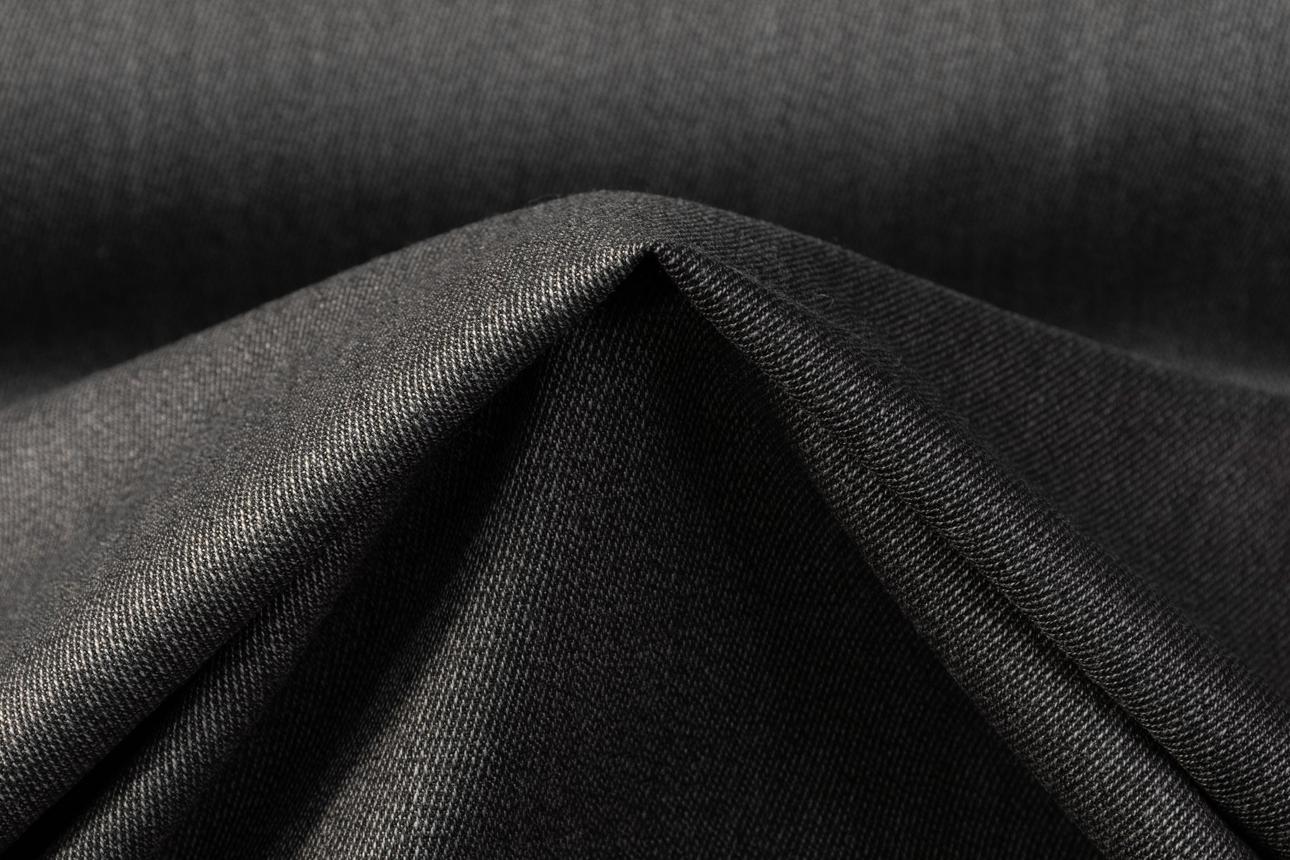
Quick Summary: Why Is Worsted Wool Used for Business Suits?
Worsted wool is valued in suiting applications for four main reasons:
- Elegant Drape: Smooth, well-constructed yarns help create clean garment lines and a refined silhouette.
- Natural Resilience: Wool fibers have natural crimp and elasticity, helping fabrics recover after everyday movement.
- Wrinkle Recovery: Wool can recover from many temporary creases, helping garments maintain a neat appearance.
- Refined Surface Appearance: Fine worsted yarns create a relatively smooth surface with subtle, sophisticated luster.
These properties depend on the actual fiber quality, yarn construction, fabric structure, finishing, and garment care.
1. Elegant Drape and Shape Retention
Drape describes how a fabric hangs and moves under its own weight. For business suits, good drape helps jackets maintain clean lines around the shoulders, chest, and lapels, while trousers fall naturally along the legs.
Worsted wool is made using a combing process that aligns relatively long wool fibers and removes many shorter fibers and impurities. These fibers are then spun into smooth, relatively uniform yarns.
When woven into balanced structures such as twill or plain weave, the resulting fabric can achieve a clean surface and controlled drape.
Why Does This Matter for Suit Manufacturing?
A suitable worsted wool fabric can provide:
- A smooth and consistent garment silhouette.
- Controlled movement without excessive stiffness.
- A refined appearance across jacket panels and trouser legs.
- Good compatibility with traditional tailoring and pressing techniques.
Its behavior during tailoring also depends on fabric weight, construction, finishing, and the use of garment interlinings.
Buyer Tip: When evaluating suiting fabrics, do not judge drape by appearance alone. Request a physical sample and assess how it hangs, folds, and recovers after handling.
2. Natural Elasticity and Wearing Comfort
One of wool’s distinctive characteristics is its natural resilience.
Wool fibers are made primarily of keratin, a protein structure with a natural crimp. This crimp allows individual fibers to bend and recover, contributing to the resilience of wool-based fabrics.
In worsted wool, the combing and spinning processes create smoother yarns while retaining some of the natural properties of the fibers.
How Does This Benefit Business Suits?
For professionals who spend long hours sitting, walking, traveling, and attending meetings, fabric recovery is important.
Wool fabrics can offer:
- Natural flexibility during everyday movement.
- Resistance to permanent deformation under suitable wearing conditions.
- A comfortable balance between structure and flexibility.
- Reduced tendency to remain stretched after ordinary movement.
However, natural wool elasticity is not the same as the high stretch provided by elastane or spandex.
For buyers who require significant mechanical stretch or additional comfort stretch, fabric construction and fiber composition should be evaluated separately.
Buyer Tip: Request stretch and recovery testing when flexibility is an important requirement. Do not assume that every 100% wool fabric offers the same level of stretch.
3. Wrinkle Recovery and Appearance Maintenance
Wrinkle recovery is another reason wool is widely used in premium suiting.
Compared with many conventional cotton and linen fabrics, wool generally has favorable resilience and can recover from a number of temporary creases.
This behavior is associated with the elastic properties of wool fibers and the way moisture interacts with their keratin structure.
What Does This Mean for Business Wear?
For executives and professionals who frequently travel or sit for extended periods, wrinkle recovery can help maintain a neat appearance.
Practical advantages include:
- Better recovery from many everyday creases.
- Reduced need for frequent pressing in some wearing conditions.
- Improved appearance retention when the fabric is properly constructed and cared for.
Nevertheless, wool is not completely wrinkle-proof. Deep creases, prolonged compression, unsuitable storage, and incorrect washing or drying can still affect its appearance.
How Should Wool Suits Be Maintained?
For routine care:
- Hang the suit on a suitable shaped hanger after wearing.
- Allow the garment to air between uses.
- Use gentle steaming when necessary and follow the garment care label.
- Avoid excessive heat and inappropriate washing methods.
- Follow professional cleaning recommendations for the specific garment.
Buyer Tip: If wrinkle recovery is a key selling point for a suiting collection, request an appropriate crease-recovery test rather than relying only on fiber composition.
4. Refined Luster and Color Appearance
The visual appearance of worsted wool is another important factor in premium business suiting.
Worsted yarns are generally smoother and more uniform than many woollen yarns because the combing process aligns the fibers and reduces protruding fiber ends.
This smoother surface can produce more regular light reflection, creating the understated luster often associated with fine suiting fabrics.
Why Do Buyers Value This Characteristic?
A refined surface appearance can help create:
- Deep-looking navy and charcoal shades.
- A clean and relatively uniform fabric surface.
- Subtle luster without an excessively glossy appearance.
- A sophisticated look suitable for formal and executive clothing.
Color appearance also depends on the dyeing process, dye selection, finishing, fiber quality, and lighting conditions.
Wool is commonly dyed using suitable dye systems that penetrate the fiber structure. However, colorfastness should always be evaluated through testing rather than assumed from fiber composition alone.
Buyer Tip: When sourcing dark business suiting fabrics, evaluate shade consistency, surface appearance, pilling, and colorfastness under the conditions relevant to the final garment.
What Specifications Should Buyers Check When Sourcing Worsted Wool?
Understanding the four physical characteristics is only the first step. Professional buyers should also evaluate the technical specifications of the actual fabric.
| Specification | What Buyers Should Evaluate |
|---|---|
| Fiber Composition | 100% wool or wool blends |
| Fabric Weight | GSM or linear weight, depending on the supplier’s specification |
| Yarn Construction | Worsted yarn count and yarn quality |
| Weave Structure | Plain weave, twill, and other suiting constructions |
| Fabric Width | Usable width for garment production |
| Finishing | Pressing, decatizing, and other relevant finishing treatments |
| Colorfastness | Performance against washing, rubbing, and other applicable conditions |
| Wrinkle Recovery | Recovery after controlled creasing |
| Dimensional Stability | Shrinkage and dimensional changes after care treatments |
| Pilling Resistance | Resistance to surface fiber entanglement |
Common Questions About Worsted Wool Fabric
Q1. Is worsted wool suitable for year-round business suits?
It depends on the fabric weight, construction, and local climate. Lightweight fabrics may be suitable for warmer conditions, while heavier constructions are often selected for cooler seasons.
Q2. Is worsted wool better than polyester for business suits?
Neither material is universally better. Worsted wool is valued for its natural resilience, refined surface, and traditional tailoring properties. Polyester fabrics can offer advantages in cost, easy-care requirements, durability, and production consistency. The right choice depends on the target market, garment positioning, and performance requirements.
Q3. What is the difference between worsted wool and woollen fabric?
Worsted wool generally uses longer, more aligned fibers to produce smoother, more uniform yarns. Woollen yarns typically have a less parallel fiber arrangement and a softer, fuzzier surface. Their appearance, handle, and suitable applications can therefore differ.
Q4. What fabric weight is suitable for executive business suits?
There is no single ideal weight for every market. Buyers should consider climate, garment structure, season, desired drape, and end-use requirements. Always assess the actual fabric sample before confirming bulk specifications.
Q5. How can buyers verify the quality of worsted wool fabric?
Request a technical specification sheet and physical sample. Depending on the application, evaluate fiber composition, yarn quality, fabric weight, weave consistency, dimensional stability, pilling, colorfastness, and wrinkle recovery.
Final Thoughts: Choose Fabric Based on Verified Performance
Worsted wool remains an established material for premium business suiting because of its combination of natural resilience, refined appearance, drape, and wrinkle recovery.
However, successful fabric sourcing requires more than choosing a fiber name. Buyers should evaluate the complete fabric construction, technical specifications, finishing quality, and suitability for the intended garment.
At Yun Ai Textile, we focus on polyester woven fabrics, polyester-spandex stretch woven fabrics, and laminated functional fabrics for apparel applications.
For buyers comparing different fabric options for business apparel, uniforms, or other woven applications, our team can discuss available fabric constructions, customization possibilities, and technical requirements.
Yunai Textile
Post time: Nov-19-2026