

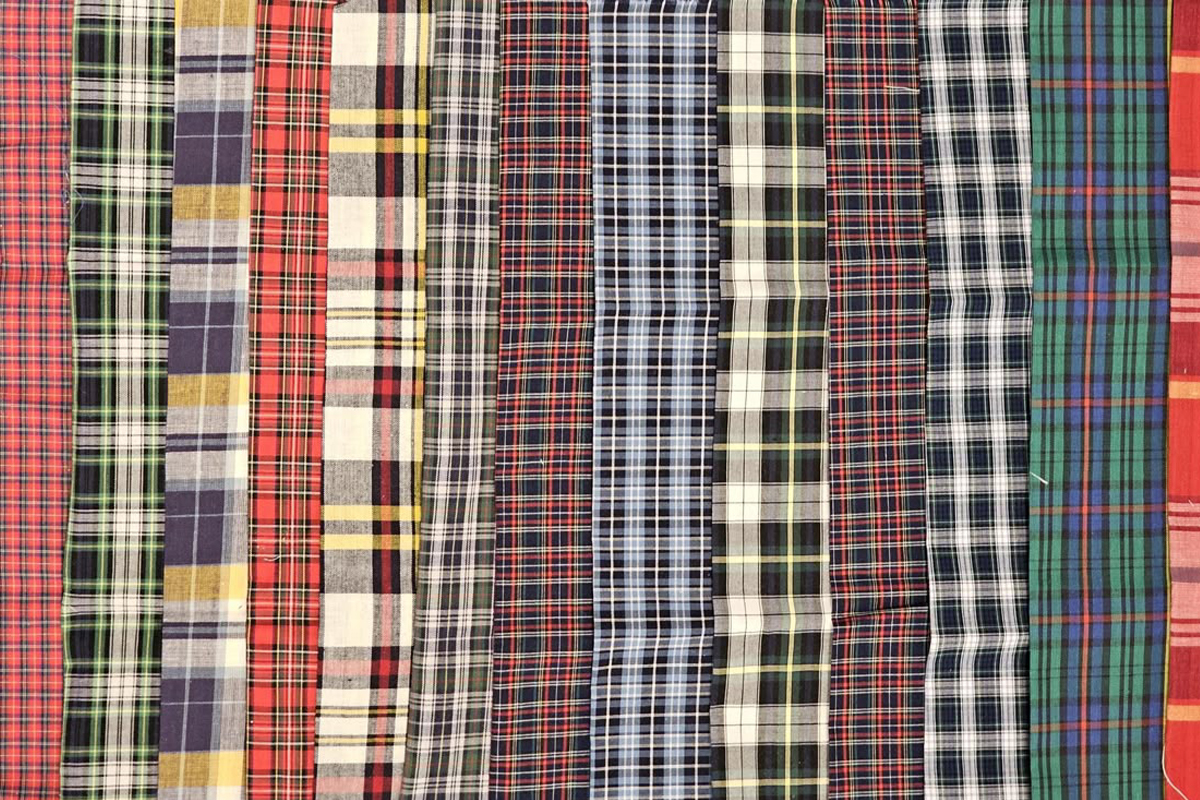
I’ve always admired the practicality of traditional school uniform fabric in Scotland. Wool and tweed stand out as exceptional choices for school uniform material. These natural fibers offer durability and comfort while promoting sustainability. Unlike polyester rayon school uniform fabric, wool school uniform fabric and tweed school uniform fabric reflect eco-conscious values and cultural heritage.
Key Takeaways
- Wool and tweed last long and feel good to wear. They help keep you warm or cool and don’t wear out easily, so students stay comfy and look neat.
- Picking wool and tweed is good for the planet. These fabrics break down naturally, need less to make, and last a long time, which means less trash.
- Wool and tweed show Scotland’s history and culture. Using them in uniforms respects old traditions while working well for today’s needs.
The Importance of Wool and Tweed in School Uniform Fabric

Historical Roots of Wool and Tweed
Wool and tweed have deep roots in Scotland’s history, shaping not only its economy but also its cultural identity. I’ve always found it fascinating how these materials became synonymous with Scottish craftsmanship. The ‘Fleece to Fashion’ research project sheds light on this legacy, tracing the evolution of Scotland’s knitted textile sector from the 18th century to today. It highlights how wool production has long been intertwined with community life, blending creative practices with economic needs. This connection to heritage makes wool and tweed more than just fabrics—they are symbols of authenticity and sustainability.
Scottish schools began incorporating wool and tweed into uniforms as early as the 19th century. These materials were locally sourced, making them both practical and culturally significant. I believe this tradition reflects Scotland’s commitment to preserving its heritage while meeting the functional needs of everyday life. Wool and tweed, with their timeless appeal, continue to honor this legacy in modern school uniform fabric.
Practical Benefits for School Uniforms
When I think about the demands placed on school uniforms, durability and comfort come to mind first. Wool and tweed excel in both areas. Wool’s natural elasticity allows it to retain its shape even after repeated wear, making it ideal for active schoolchildren. Tweed, with its tightly woven structure, resists wear and tear, ensuring uniforms last longer. These qualities reduce the need for frequent replacements, which I see as a win for both parents and the environment.
Another standout feature of wool is its breathability. It regulates temperature effectively, keeping students warm in winter and cool in summer. Tweed, on the other hand, offers excellent water resistance, a practical benefit in Scotland’s often unpredictable weather. Together, these materials provide a level of comfort and functionality that synthetic fabrics struggle to match.
I’ve also noticed how wool and tweed contribute to a polished, professional appearance. Their natural textures and rich colors lend a sense of sophistication to school uniforms, reinforcing the importance of presentation in educational settings. This combination of practicality and style makes wool and tweed indispensable in school uniform fabric.
Sustainability of Wool and Tweed
Eco-Friendly Sourcing and Production
Wool and tweed stand out as sustainable choices due to their eco-friendly sourcing and production methods. Wool, as a natural fiber, requires minimal resources for cultivation. Sheep graze in pastures, eliminating the need for additional feed, which reduces environmental strain. Tweed, primarily made from wool, benefits from these same low-impact practices.
- Key players in the wool industry focus on product innovation and sustainable practices.
- Extensive research and development efforts aim to create advanced wool blends and processing techniques.
- The U.S. wool industry has seen a rise in demand for innovative, sustainable wool products.
These practices ensure that wool and tweed remain viable options for school uniform fabric, aligning with modern values of sustainability and environmental responsibility.
Reducing Waste Through Longevity
Durability is a defining feature of wool and tweed, making them ideal for reducing waste in school uniforms. High-quality fibers and robust construction techniques extend the lifespan of these fabrics, minimizing the need for frequent replacements. This longevity directly contributes to waste reduction, as fewer discarded uniforms end up in landfills.
| Aspect | Evidence |
|---|---|
| Waste Reduction | Zero-waste design principles minimize fabric scraps and reuse leftover materials. |
| Design for Longevity | Durable textiles with timeless appeal ensure prolonged use and reduce frequent replacements. |
| Durability | High-quality fibers and robust construction techniques enhance fabric lifespan, reducing waste. |
I’ve noticed how wool and tweed’s timeless appeal also plays a role in sustainability. Their classic designs avoid trends that quickly go out of style, ensuring uniforms remain relevant for years. This combination of durability and aesthetic longevity makes wool and tweed indispensable for school uniform fabric.
The Science Behind Wool and Tweed
Natural Fiber Composition and Benefits
I’ve always been impressed by the natural properties of wool and how they contribute to its versatility. Wool fibers have a unique structure that makes them ideal for school uniform fabric. They wick moisture away from the skin while keeping the wearer warm, which is perfect for Scotland’s unpredictable weather. Wool can absorb up to 30% of its weight in moisture without feeling wet. This helps regulate body temperature, ensuring comfort during both physical activities and long classroom hours.
The breathability of wool is another standout feature. Its fibers allow air to circulate, preventing overheating even when students are active. Wool’s crimp creates small air pockets that provide insulation in cold weather while allowing ventilation in warmer conditions. This dual functionality makes it a reliable choice for year-round wear. I’ve also noticed that wool’s ability to retain moisture without feeling damp enhances its comfort, especially in varying climates. These natural benefits make wool an exceptional material for school uniforms.
Advances in Textile Technology for Sustainability
Modern textile technology has taken wool and tweed to new heights, enhancing their sustainability. I’ve seen how innovations like chemical-free processing and natural dyeing methods reduce environmental impact. These advancements preserve the integrity of the fibers while making production more eco-friendly. For example, manufacturers now use zero-waste design principles to minimize fabric scraps and repurpose leftover materials.
Blending wool with other sustainable fibers has also become a popular practice. This creates fabrics that are not only durable but also softer and lighter, improving comfort for students. Additionally, advancements in weaving techniques have made tweed more resistant to wear and tear, extending the lifespan of school uniforms. These innovations ensure that wool and tweed remain relevant in today’s push for sustainable fashion.
Wool and tweed perfectly blend Scotland’s cultural heritage with modern sustainability. Their durability and eco-friendly production align with today’s values. Studies like Harris Tweed: a “glocal” case study and Augmented Fashion confirm this balance.
| Study Title | Description |
|---|---|
| Harris Tweed: a “glocal” case study | Explores Harris Tweed as a sustainable product merging heritage with modern consumption. |
| Augmented Fashion | Highlights immersive technologies promoting sustainable heritage in textiles. |
These materials showcase how tradition and innovation can coexist seamlessly.
FAQ
What makes wool and tweed more sustainable than synthetic fabrics?
Wool and tweed come from renewable resources and biodegrade naturally. Synthetic fabrics rely on petroleum-based production, which increases environmental harm.
How do wool and tweed uniforms benefit students?
These fabrics regulate temperature, resist wear, and provide comfort. Their durability ensures fewer replacements, saving money and reducing waste.
Are wool and tweed school uniforms expensive?
While the initial cost may be higher, their longevity and low maintenance make them cost-effective over time. They also align with sustainable values, adding long-term value.
Post time: May-26-2025