
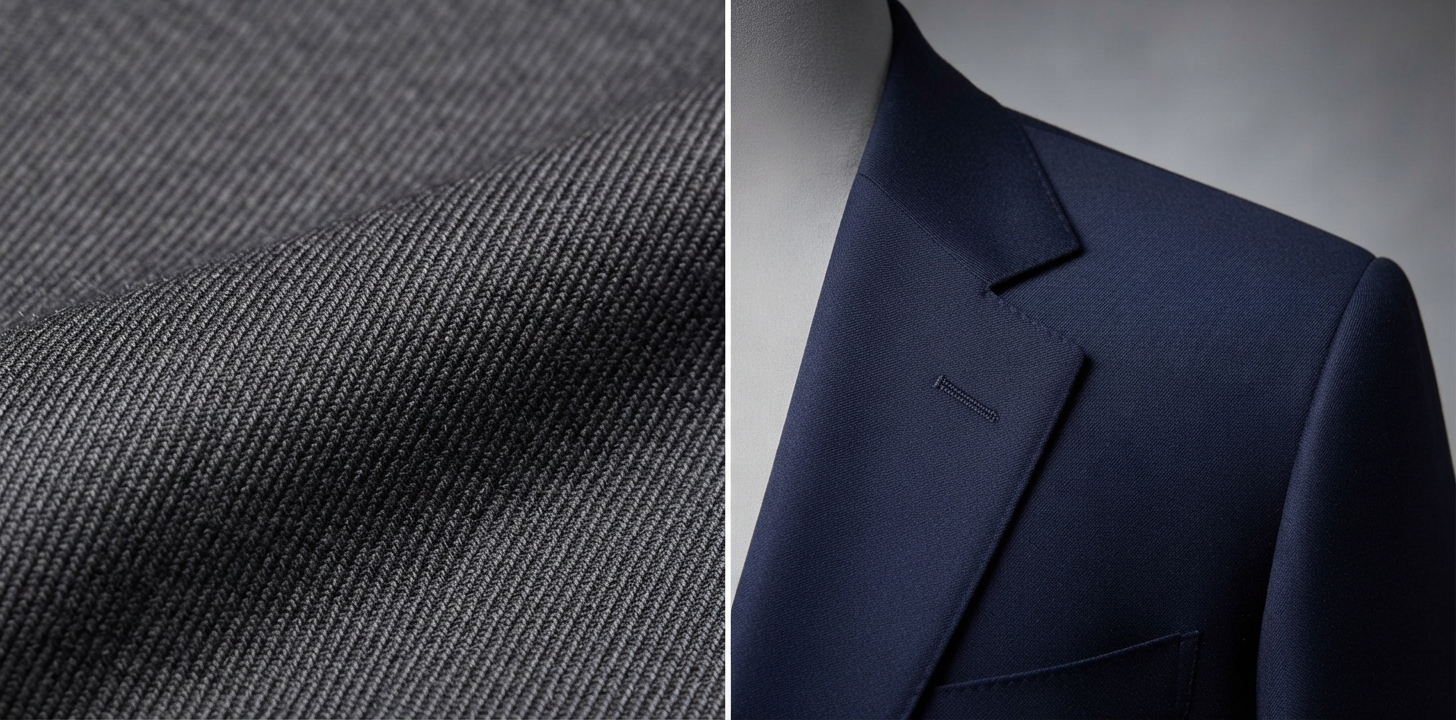
When developing formalwear, outerwear, or corporate apparel collections, textile buyers frequently evaluate two foundational categories of wool textiles: Woolen and Worsted. While both originate from natural wool fleece, their manufacturing pathways, yarn structures, surface aesthetics, and physical behaviors are fundamentally different.
Selecting between woolen and worsted constructions directly influences a garment’s drape, weight, breathability, and seasonal performance. In this technical comparison, YunAi Textiles explains the core differences between these two fabric families to help garment manufacturers make informed sourcing decisions.
The Core Manufacturing Difference: Carding vs. Combing
The distinction between woolen and worsted wool begins long before the fabric reaches the loom. It lies in the preparation of raw fibers during the spinning process:
1. Worsted Wool Spinning (Precision and Parallelism)
To manufacture worsted yarn, raw wool fibers undergo an extensive combing process (using gilling and combing machinery) in addition to carding. Combing removes short, weak fibers (noils) and aligns all remaining long, high-quality wool fibers in a strictly parallel direction. These long fibers are then tightly twisted into smooth, strong, and fine yarns.
2. Woolen Wool Spinning (Volume and Air Trapping)
Woolen yarns are produced through carding only. The fibers are not combed, meaning both short and long fibers remain mixed together in randomized, crisscrossed orientations. The resulting yarn is loosely twisted, bulky, fuzzy, and traps a high volume of ambient air within its structure.
Worsted Yarn: [==== Long Parallel Fibers Tightly Twisted ====] -> Smooth, Dense, Crisp
Woolen Yarn : [~~~~ Short Random Fibers Loosely Twisted ~~~~] -> Soft, Airy, Fuzzy
Comparative Analysis: Physical Properties and Characteristics
| Feature | Worsted Wool Suiting Fabric | Woolen Wool Fabric |
| Surface Texture | Smooth, clean, flat, with clearly visible weave patterns | Fuzzy, textured, napped, with obscured weave structure |
| Yarn Structure | Tightly twisted, thin, high tensile strength | Loosely twisted, thick, bulky, porous |
| Fabric Density | Compact, crisp structure with smooth hand-feel | Spongy, soft, high loft |
| Wrinkle Resistance | Excellent rebound due to tight weave and yarn twist | Moderate; prone to stretching if unsupported |
| Warmth Mechanism | Wind-resistant through dense weaving; moderate insulation | High thermal insulation via trapped air pockets |
Seasonal Suit Selection: Matching Fabric Construction to Climate
Worsted Wool: The Benchmark for Four-Season and Summer Suiting
Because worsted yarns are fine and smooth, weavers can construct lightweight, highly breathable fabrics with crisp structures.
Spring/Summer (200g – 240g): High-twist worsted wools or plain-weave tropical worsteds allow air to pass freely through the garment while maintaining a sharp crease in trousers and a clean shoulder line in jackets.
Four-Season (250g – 290g): Medium-weight worsted twills (such as Gabardine or Serge) are the global standard for business suits, maintaining shape under heavy daily use.
Woolen Wool: The Standard for Winter Outerwear and Casual Tailoring
Because woolen yarns hold static air pockets, they excel at cold-weather insulation without requiring heavy chemical coatings.
Autumn/Winter Outerwear (350g – 600g+): Flannels, Tweeds, Melton, and Donegal fabrics rely on woolen yarns. They create cozy winter overcoats, soft-tailored blazers, and textured trousers that offer high thermal protection.
Commercial Sourcing Considerations for Buyers
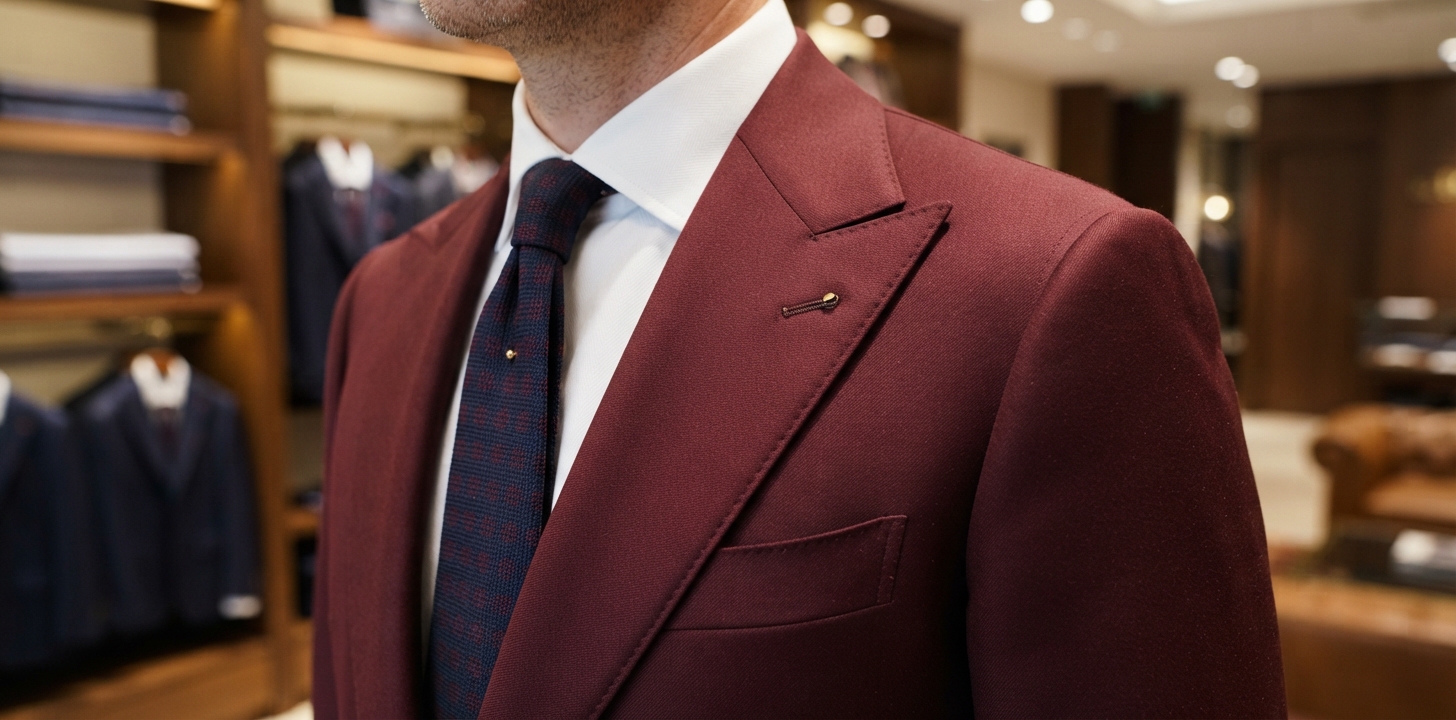
When specifying fabrics for bulk garment production, buyers must align the structural traits of woolen and worsted materials with their manufacturing processes:
Cutting and Sewing Efficiency: Worsted fabrics feature clean edges and consistent dimensional stability, reducing fabric distortion during automated multi-layer cutting. Woolen fabrics require careful handling due to edge fraying and surface nap direction.
Pressing and Crease Retention: Worsted wool holds sharp ironed creases (such as trouser pleats) significantly longer than woolen fabrics, making it indispensable for structured, formal garments.
Pilling Behavior: Because short fibers are combed out during worsted yarn production, worsted fabrics exhibit extremely low pilling rates compared to carded woolen materials.
At YunAi Textiles, we specialize in engineering high-precision worsted wool fabrics tailored to international apparel specifications. From crisp tropical worsteds to rich multi-ply worsted twills, our weaving mills ensure optimal density, color fastness, and tailorable performance for global buyers.

Yunai Textile
Post time: Nov-17-2026