
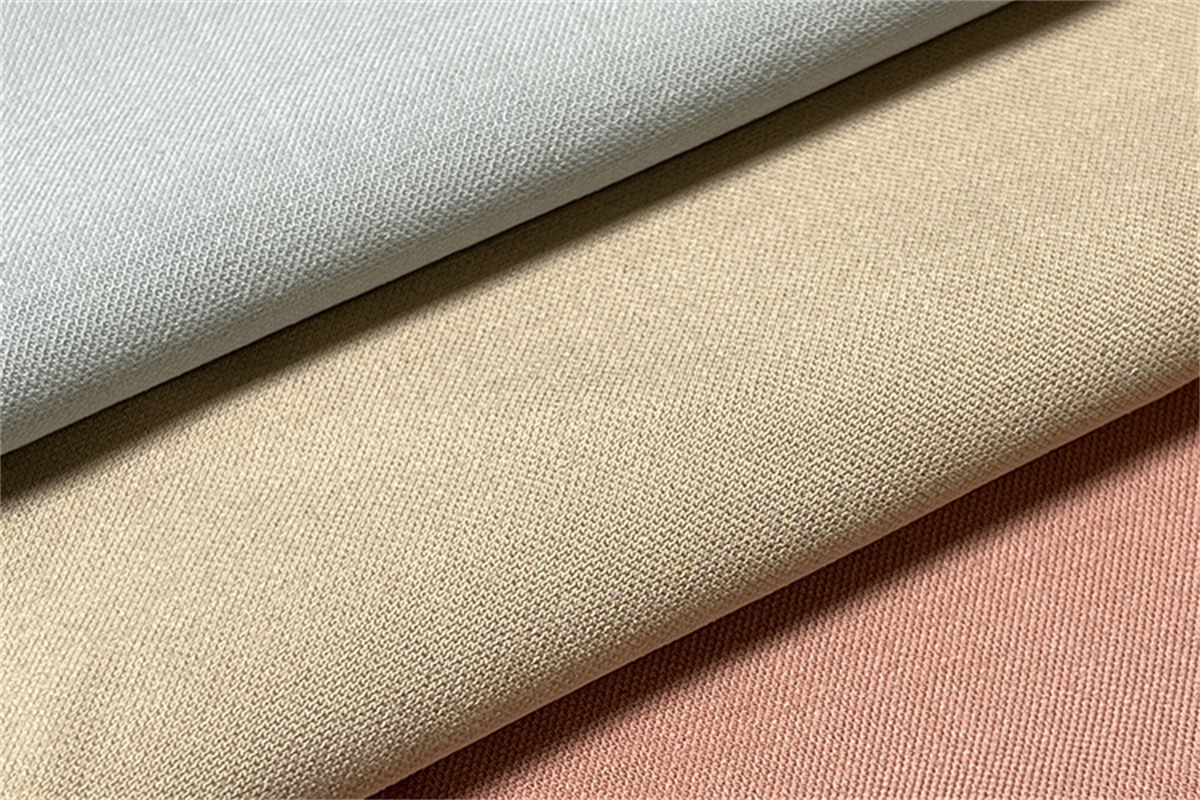
Selecting the ideal fabric for a wedding suit demands careful consideration. How to choose fabric for suits? Individuals assess essential factors for their special day. Options like polyester rayon fabric for suits or poly rayon spandex fabric for suits offer distinct advantages. A pure polyester fabric for suits provides practicality. Even a 30% wool fabric for suits or polyester wool fabric for suits presents unique characteristics. These material choices significantly influence comfort and overall style.
Key Takeaways
- Choose your wedding suit fabric based on the weather and where your wedding is. Light fabrics like linen work for hot places, and heavier fabrics like wool work for cold places.
- Think about how the fabric feels and looks. Some fabrics are soft, some are shiny, and some wrinkle easily. Pick one that makes you feel good and matches your wedding style.
- Ask tailors or suit experts for help. They know a lot about fabrics and can help you choose the best one for your special day.
Why Fabric Choice Matters for Your Wedding Suit
Impact on Comfort and Overall Aesthetic
The fabric chosen for a wedding suit directly dictates a groom’s comfort throughout the special day. Different materials offer varying levels of breathability, weight, and drape. A comfortable groom feels confident and enjoys the celebration without distraction. Fabric weight plays a crucial role in comfort, especially considering the climate.
- For hot climates, fabrics under 150 GSM are recommended for comfort; 82% of individuals in warm regions choose them.
- In cooler areas, 76% of people prefer fabrics above 300 GSM for warmth.
- Midweight fabrics, ranging from 170-340 GSM, suit year-round wear in most climates.
- Northern markets show 62% higher sales of heavyweight fabrics, while lightweight cotton blends dominate southern regions with a 73% market share.
Beyond comfort, fabric significantly shapes the suit’s overall aesthetic. The material’s texture, sheen, and how it drapes influence the suit’s visual appeal. A luxurious silk offers a distinct luster, while a textured wool presents a classic, refined look.
Influencing Formality and Wedding Style
Fabric choice profoundly influences the suit’s formality and its alignment with the wedding’s overall style. Each fabric carries an inherent level of formality. For instance, a crisp linen suit suggests a relaxed, daytime, or beach wedding. Conversely, a rich velvet suit immediately elevates the attire to a more formal, evening, or opulent event. The fabric helps set the tone for the groom’s appearance. It ensures his outfit complements the venue, the season, and the bride’s gown. This thoughtful selection creates a cohesive and memorable wedding aesthetic.
Key Factors for Wedding Suit Fabric Selection
Climate and Season Considerations
The wedding date significantly influences fabric choice. Warmer climates and summer weddings demand lightweight, breathable materials. These fabrics prevent overheating and ensure comfort throughout the day. Conversely, cooler seasons or winter events call for heavier fabrics. These materials provide warmth and a more substantial feel. Considering the season helps grooms select a fabric that performs well in the prevailing weather conditions.
Venue and Formality Alignment
The wedding venue and its formality also guide fabric selection. For outdoor wedding venues, lightweight and airy fabrics are ideal for suits. Linen or cotton suits in light colors offer comfort and style for these settings. Natural materials, such as linen, are also recommended for countryside weddings. They blend seamlessly with the surroundings and add warmth to the aesthetic. A formal ballroom event might require a more luxurious fabric, while a casual beach wedding suits a relaxed material. This alignment ensures the groom’s attire complements the overall event.
Personal Style and Comfort Preferences
Personal comfort remains paramount for a long wedding day. Grooms should consider how different fabrics feel against their skin. Wool offers versatility and natural temperature regulation, insulating in cold and breathing in warm conditions. Linen is incredibly breathable, making it ideal for summer or destination weddings, though its wrinkles are part of its relaxed charm. Fabrics with stretch, like elastane blends, accommodate movement, providing comfort for dancing and extended wear. Velvet adds luxury for cooler events. Understanding these properties helps answer the question, “How to choose fabric for suits?” based on individual needs.
Budget and Durability Insights
Budget often plays a role in fabric selection. Some fabrics, like silk or high-quality wool, carry a higher price point. Others, such as polyester blends, offer more cost-effective options. Grooms should also consider the fabric’s durability. A durable fabric maintains its appearance throughout the wedding day and offers potential for future wear. This insight helps determine “How to choose fabric for suits?” that balances cost with longevity.
How to Choose Fabric for Suits: Popular Options
Wool: Versatility and Durability
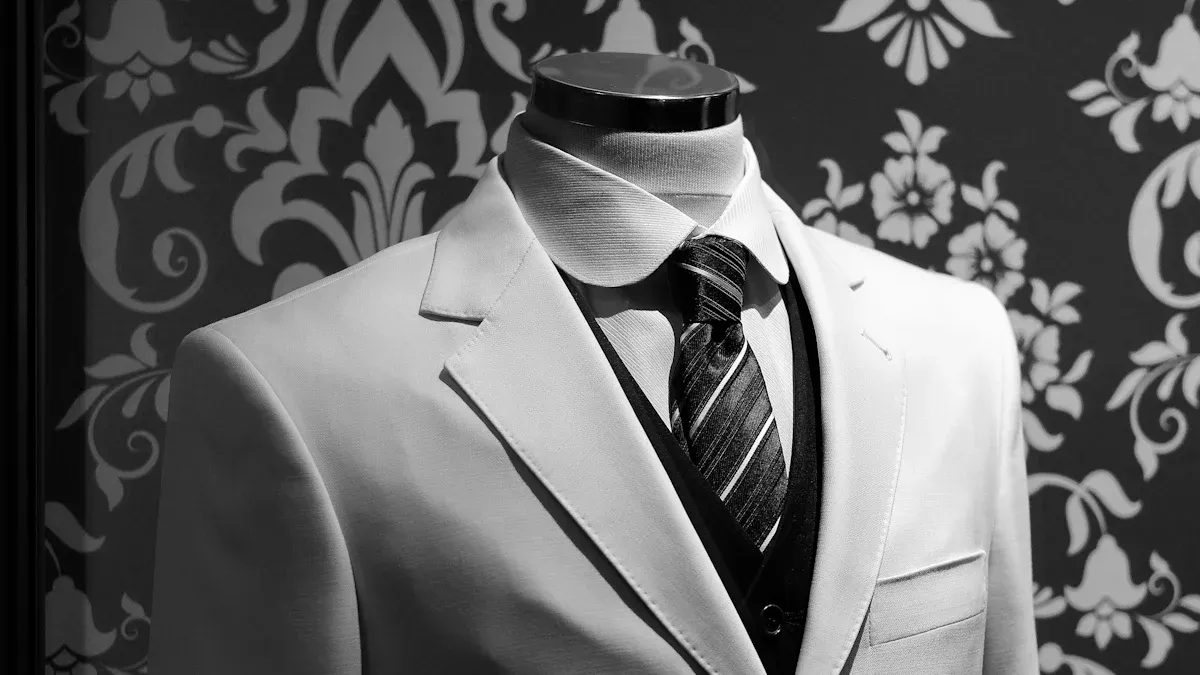
Wool stands as a premier choice for wedding suits due to its exceptional versatility and inherent durability. This natural fiber offers a sophisticated appearance suitable for various wedding styles and seasons. Worsted wool, in particular, gains increasing favor for suits. It possesses superior qualities. Wool fabric is healthy and environmentally friendly. It absorbs a significant amount of moisture, up to 30% of its own weight, without feeling damp. This characteristic ensures comfort even during extended wear. Wool also offers strong air permeability, providing excellent breathability. This fabric adapts to changes in local temperature and humidity. Many consider wool synonymous with smart fabric, indicating its advanced and adaptive properties. A wool suit maintains its shape well and resists wrinkling, making it a practical and elegant option for a wedding day.
Linen: Breathable Elegance for Warm Weather
Linen offers a distinct breathable elegance, making it an ideal choice for warm-weather weddings. This lightweight fabric, derived from the flax plant, provides exceptional airflow. It keeps the wearer cool and comfortable in hot climates. Linen suits exude a relaxed yet refined aesthetic, perfect for beach weddings, outdoor ceremonies, or destination events. Its natural texture and tendency to wrinkle contribute to its charm, lending an effortlessly stylish look. While linen may not suit the most formal black-tie affairs, it excels in creating a sophisticated, laid-back vibe.
Cotton: Comfort and Adaptability
Cotton provides a comfortable and adaptable option for wedding suits. This natural fiber is soft, breathable, and relatively lightweight, making it suitable for various climates, especially spring and summer events. Cotton suits offer a more casual feel compared to wool or silk, yet they can still appear sharp and polished with the right tailoring. They are less prone to wrinkling than linen but still offer a relaxed aesthetic. Cotton’s versatility allows for a wide range of colors and styles, making it a popular choice for grooms seeking comfort without sacrificing style.
Silk: Luxurious Sheen and Formal Appeal
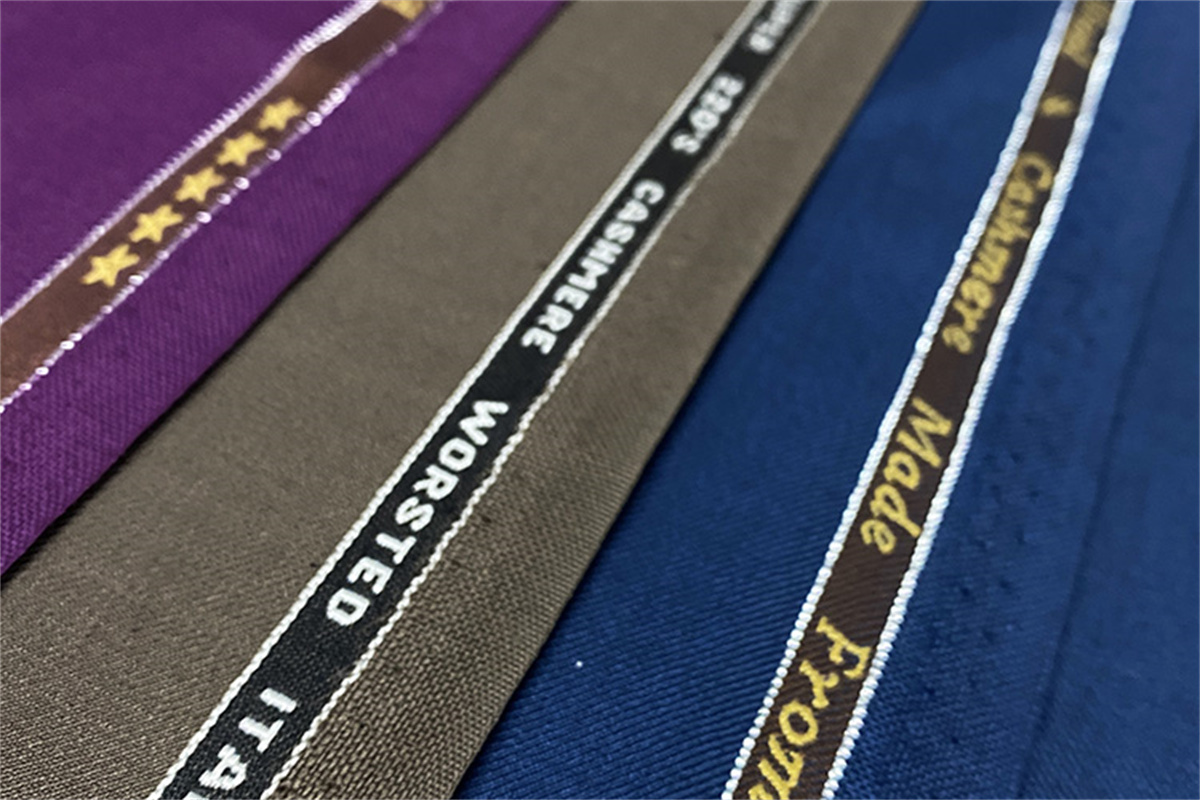
Silk offers a luxurious sheen and undeniable formal appeal, making it a distinguished choice for wedding suits. This natural protein fiber boasts a smooth texture and a subtle luster that catches the light beautifully. Silk suits convey opulence and sophistication, ideal for evening weddings, black-tie events, or grand celebrations. While silk provides excellent drape and a lightweight feel, it requires careful handling. Silk wedding suits require professional cleaning. Handwashing can damage the fibers. When professional cleaning is used, silk gowns have a significantly longer lifespan. Eighty-seven percent of professionally cleaned silk gowns last 25+ years, compared to 40% for home-washed ones. For cleaning, special silk wash products should be used with water maintained at 60-65°F. To prevent oil marks, handle silk fabric with white cotton gloves. This attention to care ensures the suit maintains its pristine condition.
| Cleaning Method | Longevity (25+ years) |
|---|---|
| Professional | 87% |
| Home-washed | 40% |
Velvet: Rich Texture for Cooler Events
Velvet provides a rich texture and opulent feel, making it an excellent choice for cooler events. This woven tufted fabric, with its dense pile, offers warmth and a distinctive visual appeal. Velvet coats are designed for winter guests looking for elegance at weddings and special celebrations. Velvet is soft and warm, making it ideal for the cold months. Specific mentions include velvet coats for winter guests at weddings, Christmas dinners, and special events. A velvet suit or jacket adds a touch of drama and luxury, perfect for autumn or winter weddings, evening receptions, or themed events. It creates a memorable statement, ensuring the groom stands out with sophisticated flair.
Blends: Enhanced Performance and Benefits
Fabric blends combine different fibers to achieve enhanced performance and benefits. These blends often marry the best qualities of various materials while mitigating their drawbacks. For instance, a wool-silk blend might offer the drape of silk with the durability of wool. A cotton-linen blend could provide the breathability of linen with less wrinkling than pure linen. Blends can also introduce stretch for added comfort and movement, or improve wrinkle resistance. When considering how to choose fabric for suits, blends offer a practical solution. They provide a balance of comfort, style, and often a more accessible price point than pure luxury fabrics. Understanding these popular options helps grooms decide how to choose fabric for suits that best fits their wedding vision.
Understanding Specific Fabric Blends
Polyester Rayon Fabric: Practicality and Drape
Polyester rayon fabric offers a practical and versatile option for wedding suits. This blend combines the durability of polyester with the soft drape of rayon. A common blend ratio for suits is 80% polyester and 20% rayon, often known as TR. This specific blend, exemplified by fabrics like YA8006, sees wide distribution globally. It provides a smooth finish and good wrinkle resistance, making it a reliable choice for a polished appearance.
Polyester Rayon Spandex Fabric: Comfort with Stretch
Adding spandex to the polyester rayon blend significantly enhances comfort and fit. Spandex content provides flexibility and elasticity, allowing for greater freedom of movement. This inclusion improves comfort and ease of movement in garments like women’s suits without compromising style or performance. Grooms can move, sit, and dance with ease throughout their wedding day.
Polyester Wool Fabric: Durability Meets Classic Style
Polyester wool fabric blends combine the luxurious feel and insulation of wool with the strength and wrinkle resistance of polyester. This blend offers softness, warmth, and enhanced durability. A worsted weave creates a smooth texture and further boosts durability. These fabrics also provide water-resistant properties, protecting against light rain or spills. They maintain their shape well after ironing and resist wrinkles, ensuring a polished, crease-resistant look suitable for formal wear.
Pure Polyester Fabric: Cost-Effective Options
Pure polyester fabric presents a cost-effective solution for wedding suits. Polyester Staple Fiber (PSF) demonstrates superior affordability and greater scalability compared to natural fibers. It offers stable pricing, which benefits manufacturers and consumers alike. This makes pure polyester a practical choice for grooms seeking a budget-friendly option without sacrificing a neat appearance.
Making Your Final Wedding Suit Fabric Decision
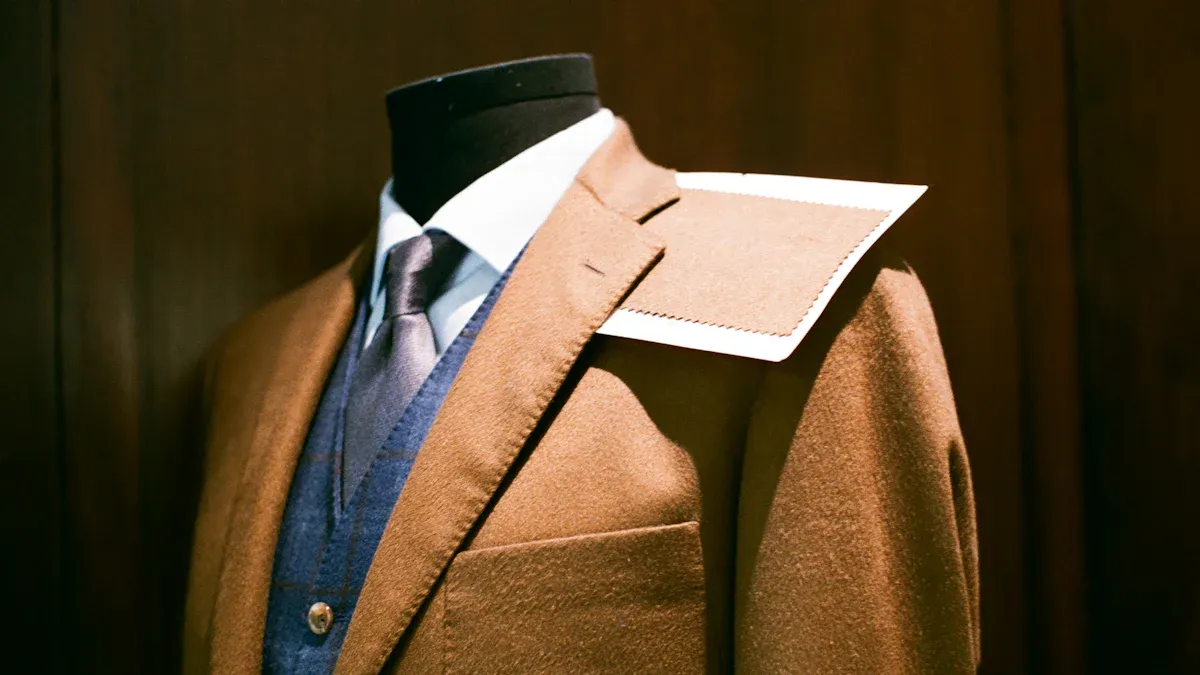
Choosing the perfect wedding suit fabric involves more than just personal preference. Grooms must consider the broader context of their wedding day. This includes the event’s theme, the color scheme, and the practicalities of wear and care. A thoughtful approach ensures the suit looks impeccable and remains comfortable throughout the celebration and beyond.
Aligning with Wedding Theme and Color Palette
The fabric choice significantly contributes to the overall aesthetic of the wedding. It should harmonize with the chosen theme and color palette. For instance, a rustic barn wedding might benefit from the natural textures of chiffon or tulle. A formal ballroom event, however, calls for the luxurious feel of satin or Mikado.
| Fabric Type | Wedding Theme/Venue |
|---|---|
| Satin | Classic bridal elegance, winter nuptials, formal ballroom events |
| Lace | Romantic, versatile for classic or modern styles |
| Tulle | Fairy-tale, dreamy ballgowns, rustic barn weddings |
| Organza | Sheer, airy, summer weddings, warmer venues, outdoor ceremonies |
| Duchess Satin | Formal ballroom events, structured designs, winter events |
| Mikado | Formal ballroom events, structured designs, winter events |
| Chiffon | Rustic barn weddings, lightweight for summer/spring, beach weddings |
| Silk Crepe | Lightweight for summer/spring |
| Velvet | Fall and winter weddings |
Consider the season and venue. Organza and silk crepe offer lightweight options for summer or spring events. Velvet provides a rich texture, ideal for fall and winter weddings. Aligning the fabric with these elements creates a cohesive and memorable look.
Testing Fabrics for Drape, Feel, and Wrinkle Resistance
Before finalizing a decision, grooms should physically interact with different fabric samples. This hands-on approach allows them to assess crucial characteristics. Evaluate the fabric’s drape. Does it flow smoothly or hold a more structured shape? Consider the feel against the skin. Is it soft, coarse, or smooth? Finally, test its wrinkle resistance. Some fabrics, like linen, naturally wrinkle, which contributes to their relaxed charm. Others, such as certain wools or blends, maintain a crisp appearance throughout the day. A simple crumple test can reveal how quickly a fabric creases and how easily it recovers.
Consulting with Tailors and Menswear Specialists
Expert advice proves invaluable when selecting a wedding suit fabric. Tailors and menswear specialists possess extensive knowledge about materials, construction, and fit. They can guide grooms toward the best fabric for their specific needs. When consulting with these professionals, grooms should expect advice on fabric choices. Their team helps select the right fabric based on its intended ‘end-use’ to prevent errors. Additionally, when requesting a quote, details such as the ‘type of garment/article’ and ‘the fabric you want’ are typically required. These are key discussion points during the consultation. They offer insights into how different fabrics perform, their suitability for various body types, and their maintenance requirements.
Considering Post-Wedding Wearability and Care
A wedding suit represents a significant investment. Grooms should consider its wearability beyond the wedding day. Some fabrics, like versatile wool, can easily transition into other formal or business settings. Others, such as highly specialized silks or velvets, might have more limited post-wedding use. Also, consider the care instructions for the chosen fabric. Different materials require specific cleaning and maintenance routines. For linen wedding suits, long-term care instructions include:
- Handwash
- Do not use bleach
- Iron at a maximum temperature of 110°C
- Do not use a dryer
Linen tends to shrink minimally during the first wash. Following manufacturer’s instructions minimizes this shrinkage. Understanding these care requirements helps ensure the suit remains in excellent condition for years to come.
Selecting the ideal wedding suit fabric requires careful consideration of climate, venue, and personal style. Grooms confidently choose the perfect material by understanding fabric properties and consulting experts. This informed decision ensures comfort, enhances style, and builds confidence for their special day.
FAQ
What is the best fabric for a summer wedding suit?
Linen offers exceptional breathability for summer weddings. Cotton also provides comfort and adaptability in warm climates. These lightweight fabrics prevent overheating.
Can one wear a velvet suit to a daytime wedding?
Velvet suits are generally best for cooler, more formal evening events. Their rich texture and warmth make them less suitable for daytime or warm-weather ceremonies.
How do fabric blends enhance a wedding suit?
Fabric blends combine different fibers. They achieve enhanced performance, such as improved durability, wrinkle resistance, or added stretch. Blends often balance comfort, style, and cost.
Post time: Dec-17-2025