
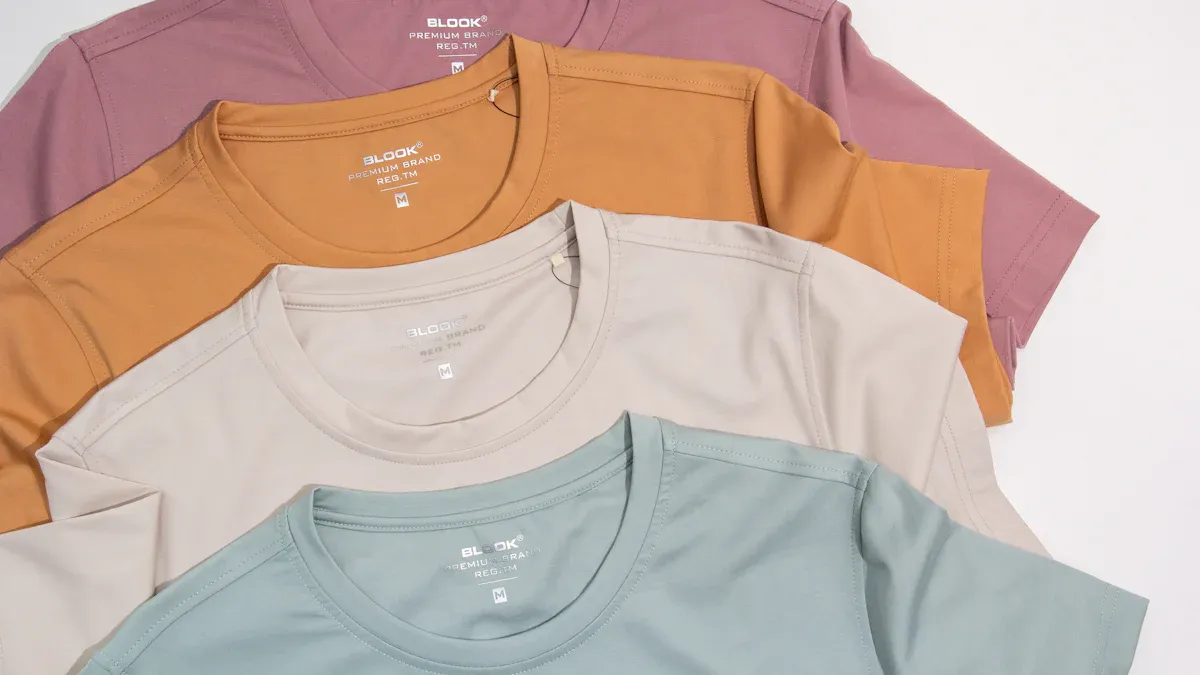
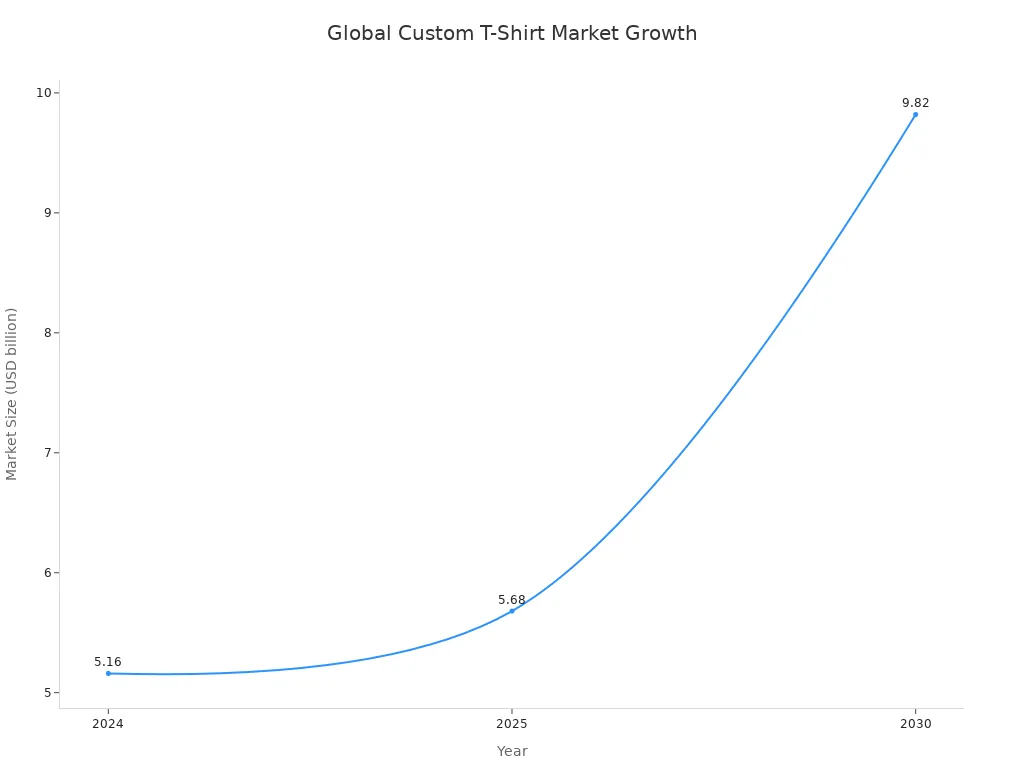
I always start Custom Shirt Manufacturing by choosing the right fabric. Market demand keeps rising, with brands and businesses seeking premium workwear shirts supplier solutions. The right shirt fabric supplier and stretch shirt fabric make a difference.
Industry experts agree: fabric choice shapes comfort, durability, and brand value. I trust a shirt factory with fabric service to ensure quality.
Key Takeaways
- Choosing the right premium fabric is key to making comfortable, durable, and stylish custom shirts that fit the wearer’s needs.
- Using advanced manufacturing steps like precise cutting, quality sewing, and careful customization ensures every shirt looks great and lasts long.
- Premium fabrics and thoughtful design boost brand image, improve comfort, and deliver shirts that perform well and keep their quality over time.
Custom Shirt Manufacturing: Selecting Premium Fabrics
Why Fabric Choice Is Essential
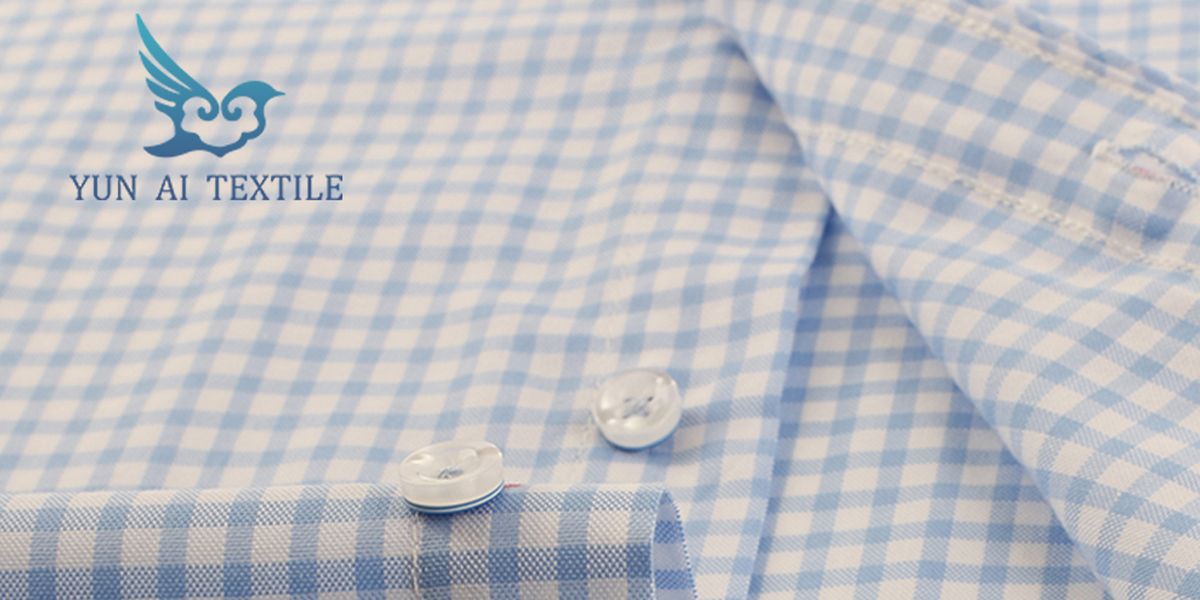
I always start Custom Shirt Manufacturing by focusing on fabric selection. The fabric sets the foundation for comfort, durability, and the overall look of the shirt. When I choose the right fabric, I ensure the shirt feels good, lasts longer, and matches the needs of the wearer. The purpose of the shirt—whether for business, fashion, or sports—guides my decision. I often order samples and consult with experts to make sure I pick the best option.
Key Qualities of Premium Fabrics
Premium fabrics stand out because of their unique qualities.
- High thread count (140-180 threads per square inch) gives a soft and strong feel.
- Long fibers, like those in Pima or Egyptian cotton, add strength and smoothness.
- Two-ply yarns make the fabric more durable.
- Special finishes, such as pre-shrinking or enzyme washing, improve performance and comfort.
- The weave type—like poplin, twill, or Oxford—affects the shirt’s texture and use.
Tip: I always check for specialty treatments like moisture-wicking or UV protection for shirts meant for active or outdoor use.
Popular Fabric Types: Cotton, Polyester, Rayon, Spandex Blends
| Fabric/Blend | Performance Characteristics | Customer Satisfaction Factors |
|---|---|---|
| Cotton | Soft, breathable, comfortable; prone to shrinkage, wrinkling, moisture retention | Highly favored for comfort and breathability; care issues can affect satisfaction |
| Polyester | Durable, wrinkle-resistant, moisture-wicking; less breathable | Appreciated for durability and easy care; less comfort for some |
| Rayon (Viscose) | Soft, good drape, breathable; less durable, wrinkles easily | Valued for softness and drape; durability concerns may lower satisfaction |
| Spandex Blends | Adds stretch and fit; often blended with polyester | Enhances comfort and fit; ideal for activewear |
| Cotton/Polyester | Balances comfort with durability and wrinkle resistance | Popular blend offering comfort, durability, and easier care |
| Tri-blends | Premium soft feel, excellent drape, combines strengths of all fibers | Favored for softness and fit despite higher cost |
Choosing the Best Fabric for Your Custom Shirt
When I select fabric for a custom shirt, I look at several factors:
- Fabric composition: natural (cotton, linen) or synthetic (polyester, rayon)
- Weight (GSM): lighter for hot weather, heavier for durability
- Breathability, softness, and durability
- Special needs: stretch for activewear, wrinkle resistance for business shirts
- Environmental impact for eco-conscious clients
I match the fabric to the shirt’s purpose and the wearer’s preferences. For example, I use cotton for comfort, blends for easy care, and linen for hot climates. I always check minimum order quantities and available colors before making a final choice.
Custom Shirt Manufacturing: Design Process
Concept Development and Inspiration
When I begin designing a custom shirt, I look for inspiration in many places. I often see brands using themes that connect with people’s values and interests.
- Some shirts feature activism or community-driven messages, like those from The Outrage.
- Others use original graphics or creative messages, as seen with Good In The Woods.
- Faith-based designs, such as those from Love In Faith, uplift and inspire.
- Wildlife prints and eco-friendly messages, like those from Because Tees, support environmental causes.
- Minimalist styles with clean lines and high-quality materials show quiet luxury.
- Pop culture, retro-futurism, and trending patterns also guide my ideas.
- Many clients want high-level personalization, such as names or birth years.
Technical Preparation: Patterns and Measurements
I know that precise pattern making is the backbone of Custom Shirt Manufacturing. I start by perfecting a base size pattern through fit testing. I use grade rules to adjust patterns for different sizes, making sure each shirt fits well. I mark key points of measurement, like chest width and sleeve length, for accuracy. I rely on digital tools for pattern grading, which helps me keep everything consistent. I always work closely with pattern makers and factories to review patterns and spec sheets before production. Quality control checks at each stage help me deliver shirts that fit and look great.
Design Elements for a Premium Finish
To achieve a premium finish, I focus on several design elements:
- I select high-quality fabrics, such as performance cotton, for different events and seasons.
- I use advanced measurement technology to ensure a precise fit for every body type.
- I offer options for collars, plackets, and cuffs, so each shirt feels unique.
- I add personal touches, like monogramming, for extra detail.
- I pay close attention to craftsmanship, making sure every seam and fold looks perfect.
Tip: Small details, like the right buttons or a sharp collar, can turn a good shirt into a great one.
Custom Shirt Manufacturing: Step-by-Step Production
Sourcing High-Quality Materials
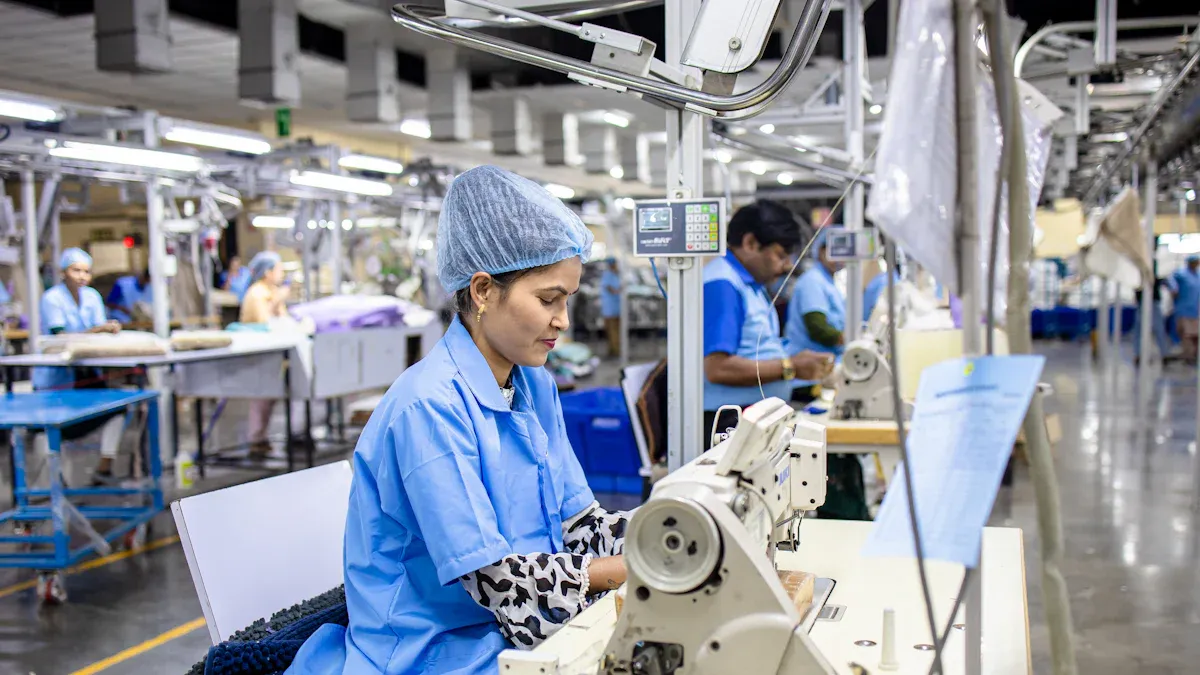
When I start a new project, I focus on sourcing the best materials. I look for manufacturers who have a reputation for precision and craftsmanship. I always check if they use premium, durable fabrics because I want shirts that feel luxurious and last a long time. I also care about ethical and sustainable sourcing. I make sure my partners follow fair labor practices and use eco-friendly materials.
Here are some best practices I follow when sourcing materials:
- I select manufacturers known for quality and attention to detail.
- I prioritize ethical sourcing and sustainability to match consumer values.
- I keep communication clear and ask for regular updates and quality checks.
- I consider practical factors like location, minimum order quantities, and lead times.
- I use small-batch production to control quality and reduce waste.
- I partner with manufacturers who offer customization and ethical certifications.
- I use platforms that connect me with skilled, quality-focused manufacturers.
By following these steps, I ensure my Custom Shirt Manufacturing process starts with the best foundation.
Cutting and Preparing Fabrics
Preparing premium fabrics takes careful work. I always prewash the fabric in cold water with mild detergent. This step removes chemicals and prevents shrinkage later. I press the fabric by lifting the iron, not sliding it, to keep the grain straight and avoid distortion.
To get true edges, I align the selvages and trim them with a rotary cutter and ruler. I use professional tools like rotary cutters, cutting mats, and clear acrylic rulers for clean, consistent cuts. Sometimes, I lightly starch the fabric and use a steam press to add crispness, which helps with detailed patterns.
Before cutting, I test for colorfastness by rubbing a wet white cloth against the fabric. This helps me avoid dye bleeding in the final product. I always cut along the straight grain to keep the shape and ensure clean seams.
I rely on several tools and technologies during this stage. I use chalk for marking large pieces and permanent markers for small swatches. I create patterns with both manual templates and computer-aided design (CAD) programs. I inspect raw fabric with fabric checking machines to catch defects early. Advanced cutting machines help me achieve precise cuts and maintain high quality. These steps help me minimize waste and keep the quality high in every shirt.
Sewing and Assembly Methods
Sewing and assembly are where the shirt takes shape. I specify exact seam types, such as plain seams, flat-felled seams, and overlocked seams, to ensure durability and a clean finish. I choose the right stitch type for each fabric. For woven fabrics, I use lockstitch Type 301. For knits, I use chainstitches or overedge stitches. I define stitch density to balance strength and flexibility. I keep seam allowances consistent, usually at 1cm or 3/8 inch, for accurate fit.
I select thread type, size, and color using standard systems like Pantone. I use interfacing in collars, cuffs, and plackets to give structure and a premium feel. I prepare detailed tech packs with sketches and reference photos to guide the factory. I reinforce high-stress areas, such as shoulders and arm seams, to make the shirt last longer. I include precise placement for hems, pockets, topstitching, and labels.
| Sewing Method/Technique | Impact on Durability | Impact on Appearance and Fit |
|---|---|---|
| Tubular Construction | More economical but less durable | Simpler fit, may twist or distort after washing |
| Side-Seamed Construction | Enhanced durability with reinforced seams | Provides a tailored, elevated fit; reduces twisting and distortion after washing |
| Double-Needle or Cover Stitch | Increases seam strength and longevity | Creates neat, durable hems enhancing garment quality |
| Poor Stitching | Leads to seam failure and unraveling | Causes puckering and waviness, negatively affecting appearance |
| Reinforced Stitching | Prevents unraveling over time | Maintains garment structure and aesthetic quality |
I always design for manufacturability, balancing looks with production efficiency. Consistency in assembly ensures every shirt meets my standards.
Customization: Printing and Embroidery
Customization gives each shirt its unique character. I use the latest technologies to offer a wide range of options. Direct-to-Garment (DTG) printing lets me create photorealistic, vibrant prints with no minimum order. Dye-sublimation printing bonds ink to polyester fibers, making all-over prints that resist fading. Digital hybrid printing combines screen and digital methods for rich colors and cost-effectiveness. Direct-to-Film (DTF) printing works on many fabrics and offers a soft, durable finish.
I also use eco-friendly water-based inks for a soft feel and reduced environmental impact. For embroidery, I rely on digitizing and advanced thread technology to create clean, intricate designs quickly. Mass personalization is possible with AI and automation, so I can produce thousands of unique shirts in one run.
| Customization Technique | Impact on Longevity and Quality | Key Features |
|---|---|---|
| Embroidery | Highly durable; withstands frequent washing; adds textured, professional finish | Ideal for corporate branding and long-term use |
| Screen Printing | Vibrant, long-lasting designs; suitable for bulk production; retains color after many washes | Cost-effective for large orders |
| Heat Transfer | Flexible and allows intricate designs; durability varies by specific method | Good for sportswear and unique fashion pieces |
| Digital Printing | Detailed, eco-friendly prints; best for small batches; works well on lighter fabrics | Suitable for personalized gifts and small runs |
| Embossing/Debossing/Laser Etching | Adds depth and precision; enhances premium feel and longevity | Advanced techniques for upscale apparel |
I always match the customization method to the fabric and the shirt’s purpose. This ensures the design lasts and looks great.
Quality Control and Inspection
Quality control is the final step in Custom Shirt Manufacturing. I start by inspecting all raw materials, checking for color consistency, strength, and the quality of buttons and zippers. During production, I run regular in-process checks to catch defects early. I use advanced technology to verify patterns and cutting accuracy. I monitor stitch density, seam strength, and look for misalignments or puckering as the shirts come together.
Before shipping, I inspect every finished shirt for defects in stitching, material, and overall construction. I set clear quality standards for fabric, stitching, color, and sizing. I train my team on best practices and audit our processes often. I track batch numbers so I can trace any issues back to their source. I use methods like During Production Inspection (DUPRO) and Final Random Inspection (FRI) to make sure every shirt meets my standards. By following these steps, I deliver shirts that meet the highest expectations for quality and consistency.
Packaging and Delivery for Premium Custom Shirts
Premium Packaging Solutions
I always pay close attention to packaging when I deliver premium custom shirts. The right packaging protects the shirts and creates a memorable experience for my clients. Leading brands use several packaging styles to achieve this.
Here are some of the most popular options I recommend:
- Two-piece boxes with a separate lid and base for a classic look.
- Rigid boxes made from thick paperboard for extra durability.
- Luxury boxes with magnetic closures and embossed logos for a high-end feel.
- Tubes and paper cans for rolled shirts, which save space and look unique.
- Flat pack boxes for bulk orders, which are easy to assemble and cost-effective.
I choose materials like cardboard, corrugated cardboard, and rigid kraft for strength and presentation. I often add finishing touches such as Spot UV, embossing, or foil stamping to highlight my brand.
Tip: Eco-friendly packaging options, like recyclable boxes, help me meet sustainability goals and appeal to conscious customers.
| Packaging Style | Key Features | Best For |
|---|---|---|
| Two-piece box | Elegant, robust protection | Gift and retail shirts |
| Rigid box | Durable, premium feel | Luxury shirts |
| Flat pack box | Space-saving, easy assembly | Bulk shipments |
| Tube/paper can | Unique, lightweight | Rolled shirts |
Ensuring Safe and Timely Delivery
I make sure every shirt arrives safely and on time. I use secure packaging and precise handling to prevent damage during transit. I work with reliable carriers who offer same-day, expedited, and international shipping. I track inventory in real time, which helps me manage stock and avoid delays.
I store shirts in climate-controlled warehouses to protect fabric quality. I inspect every shipment before fulfillment to maintain high standards. I position warehouses across the country to speed up delivery and reduce transit times.
Note: Streamlined returns management keeps my customers happy and helps me fix any issues quickly.
I integrate my order system with top e-commerce platforms for smooth processing. I monitor production progress and confirm order details before shipping. These steps help me deliver premium custom shirts that meet my clients’ expectations every time.
Benefits of Custom Shirt Manufacturing with Premium Fabrics
Superior Fit and Comfort
I always notice the difference when I use premium fabrics in Custom Shirt Manufacturing. These fabrics, like combed and ring-spun cotton, feel soft and smooth against the skin. I often blend them with polyester or rayon to create shirts that fit well and feel great all day. Heavyweight fabrics add both comfort and durability. Moisture-wicking materials keep the wearer cool and dry, even during long hours. I use side-seam tailoring to give each shirt a modern, flattering fit. ooShirts highlights that quality control and a wide range of fabric options lead to better comfort and satisfaction. When I choose premium materials, my clients receive shirts that look good and feel even better.
- Softer fabrics increase comfort for daily wear.
- Moisture-wicking options help with temperature control.
- High-quality construction ensures a better fit.
Enhanced Branding and Customization
I see how premium fabrics elevate a brand’s image. High-quality shirts show off a company’s vision and values. I work closely with clients to select fabrics and designs that match their brand identity. Custom Shirt Manufacturing lets me offer private labeling, custom packaging, and unique branding touches. Ethical and sustainable practices also boost a brand’s reputation. My process includes sampling and prototyping, so clients can refine their designs before full production. Advanced manufacturing and strict quality checks help brands stand out and gain recognition.
Tip: Custom packaging and private labels make a strong impression on customers and partners.
Durability and Performance
I trust premium fabrics to deliver shirts that last. These materials hold up well after many washes and keep their shape and color. Heavyweight and blended fabrics resist wear and tear, making them ideal for frequent use. I use advanced stitching and reinforced seams to add strength. Moisture-wicking and easy-care finishes help shirts perform well in any setting. My clients appreciate shirts that look new, even after repeated use.
- Durable fabrics reduce the need for frequent replacements.
- Quality construction maintains appearance and fit over time.
- Performance features add value for both work and casual wear.
One-Stop Fabric-to-Shirt Solutions
Streamlined Process and Consistent Quality
I believe a one-stop solution transforms Custom Shirt Manufacturing into a smooth, reliable process. I start by building strong relationships with trusted suppliers. This step ensures I always receive high-quality fabrics. I use precision cutting techniques, like laser or automated cutting, to create accurate pieces that fit together perfectly. My team manages fabric waste by planning efficient pattern layouts, which helps both the environment and my bottom line.
I rely on skilled workers who follow standardized sewing methods. They use straight, zigzag, and overlock stitches to create strong seams and polished finishes. I check quality at every stage, from fabric inspection to final assembly. I inspect for defects, measure accuracy, and test the strength of seams. I organize my workspace and follow set procedures to keep everything consistent. Before shipping, I run a final inspection to check fit, stitch density, and overall quality.
Tip: Regular equipment maintenance and calibration help me avoid print errors and keep every shirt looking sharp.
Cost and Time Efficiency
I save time and money by managing every step in-house. My design team creates mockups and tech packs based on client needs. I source fabric, make samples, and gather feedback before starting bulk production. This approach reduces waste and ensures clients get exactly what they want.
I only begin large orders after sample approval, which cuts down on costly mistakes. My process includes quality checks at each stage, so I catch problems early. I work with global shipping partners to deliver shirts quickly and reliably. I also offer low minimum order quantities, which lowers inventory risk for my clients. By keeping everything under one roof, I streamline operations and speed up delivery.
I follow these steps for premium custom shirt manufacturing:
- I select high-quality, sustainable fabrics for comfort and durability.
- I choose expert manufacturers who offer customization and reliability.
- I use advanced printing and embroidery for unique designs. Premium shirts help brands stand out. I encourage you to start your own premium shirt project today.
FAQ
What is the minimum order quantity for custom shirts?
I usually recommend a minimum of 50 shirts per design. This helps me keep production efficient and ensures consistent quality for every order.
How long does it take to manufacture custom shirts?
Production time depends on the order size and customization. I typically deliver most orders within 2 to 4 weeks after sample approval.
Can I request eco-friendly fabrics for my shirts?
Yes, I offer organic cotton, recycled polyester, and other sustainable options. I always discuss eco-friendly choices with clients during the fabric selection process.
Post time: Aug-25-2025