
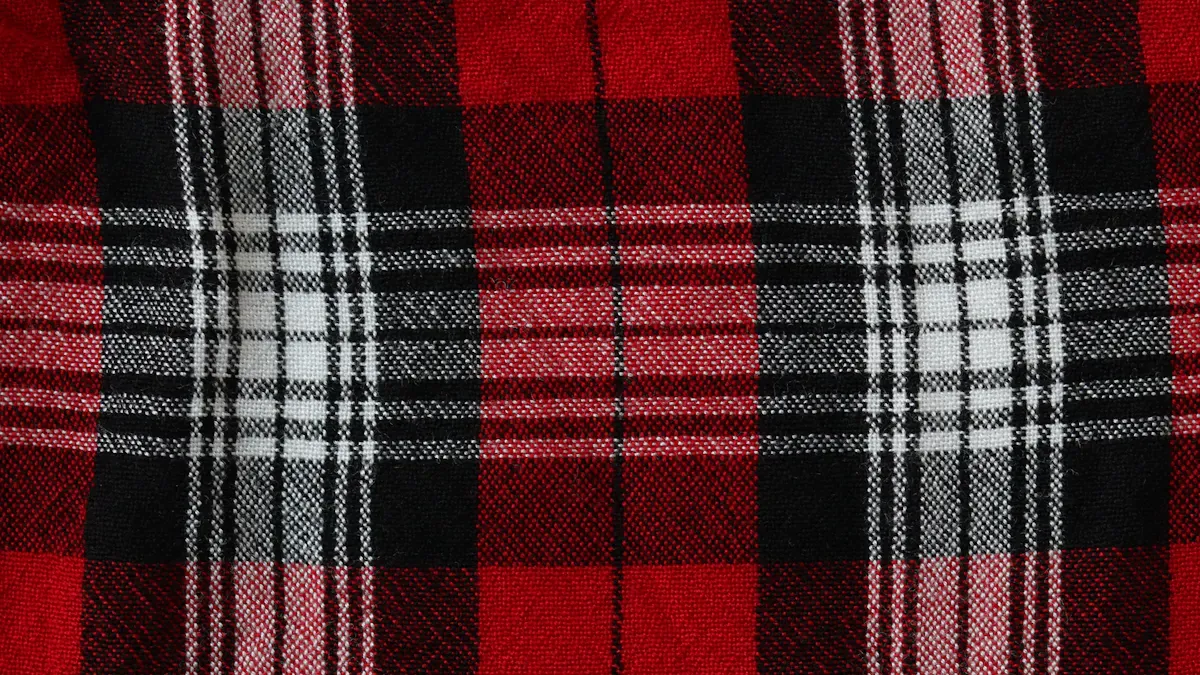
Plaid fabrics play a vital role in school uniforms, offering both tradition and style. When it comes to the best plaid fabric for school uniform, these patterns not only reflect school spirit but also allow students to express individuality. Current trends show a preference for color combinations like navy and green, which provide a classic look, and red and black, known for its boldness. Jumper plaid fabric is particularly popular for its versatility, while dress plaid fabric adds a touch of elegance. For a sporty option, skort plaid fabric is a great choice, and skirt plaid fabric remains a timeless favorite. Additionally, large plaid patterns create a modern impact, while small plaids maintain a subtle, formal appearance.
Key Takeaways
- Choose plaid fabrics that reflect your school’s identity. Popular color combinations like navy and green or red and black can enhance school spirit.
- Consider the scale of plaid patterns. Large plaids offer a modern look, while small plaids convey professionalism. Select based on the message you want to send.
- Embrace customization options. Personalizing uniforms with monograms or unique colors fosters a sense of belonging and pride among students.
Best Plaid Fabric for School Uniform: Color Combinations

Choosing the right color combinations for plaid fabrics can significantly enhance school uniforms. Schools often select colors that reflect their branding or heritage. Classic plaid patterns connect with academic traditions, emphasizing a sense of belonging. Here are some popular color combinations that schools frequently use:
- Blue and Gold Plaid
- Green Plaid
- Burgundy Plaid
- Red Buffalo Check
- Black Watch Tartan (dark green/navy)
- Neutral Grey Plaids
- Navy Plaids
These combinations not only create a visually appealing uniform but also foster school spirit. Neutral brown accents can add warmth and versatility, making uniforms suitable for various events. Customizable options allow schools to enhance their brand image while maintaining a cohesive look.
When selecting the best plaid fabric for school uniforms, consider how these colors resonate with students and the community. Comprehensive services enable schools to customize colors and patterns, ensuring they align with their unique identity. This approach not only promotes unity but also instills pride among students.
Pattern Scales: Bold vs. Subtle Looks
The choice between bold and subtle plaid patterns can significantly impact the overall appearance of school uniforms. Each pattern scale offers unique advantages and disadvantages that schools should consider.
Advantages and Disadvantages of Pattern Scales
| Pattern Scale | Advantages | Disadvantages |
|---|---|---|
| Large-Scale Plaids | - Modern, casual aesthetic - Approachable look - Suitable for creative industries |
- May lack professionalism in formal settings |
| Small-Scale Plaids | - Conveys professionalism - Refined appearance - Ideal for educational and corporate settings |
- May appear too formal for casual environments |
Larger plaid patterns often create a casual and contemporary vibe. They appeal to younger students and progressive schools, making them a popular choice for more relaxed environments. However, these bold designs may not convey the professionalism desired in formal settings.
In contrast, smaller plaid patterns suggest a more traditional and sophisticated appearance. They align well with academically rigorous institutions, where a refined look is essential. While these subtle patterns enhance professionalism, they may feel overly formal in casual situations.
Ultimately, selecting the best plaid fabric for school uniform involves balancing these factors. Schools should consider their values and the message they wish to convey through their uniforms. By understanding the implications of pattern scales, schools can make informed decisions that reflect their identity and culture.
Regional Preferences in Plaid Fabrics
Regional preferences in plaid fabrics often reflect cultural and historical influences. Schools across different areas adopt specific plaid patterns that resonate with their community values. For instance, plaid uniforms are common in Catholic educational institutions around the world. These uniforms typically feature plaid skirts or jumpers for girls and plaid ties or trousers for boys. This choice fosters a sense of uniformity and discipline among students.
The influence of Scottish heritage significantly impacts these choices. Many Catholic schools have adopted plaid patterns reminiscent of traditional Scottish tartans. This connection emphasizes the values upheld within these institutions, such as faith, knowledge, and community.
Here are some notable regional preferences in plaid fabrics:
- Northeast United States: Schools often favor classic tartans, reflecting their historical ties to Scottish settlers.
- Southern United States: Bright and bold plaid patterns are popular, showcasing a more vibrant school spirit.
- Western United States: Schools may lean towards modern interpretations of plaid, incorporating contemporary colors and styles.
Understanding these regional preferences helps schools select the best plaid fabric for school uniforms. By aligning fabric choices with local culture, schools can enhance their identity and foster a sense of belonging among students.
Durable Fabric Types for School Uniforms

Selecting durable fabric types for school uniforms is essential for ensuring longevity and comfort. Students wear these uniforms daily, so the materials must withstand regular use. Here are some of the most durable fabric types commonly used for plaid school uniforms:
- Polyester Blends: These fabrics are known for their exceptional durability. They resist wear and tear, making them ideal for school uniforms that undergo daily use. Polyester blends maintain their shape and color brilliance even after repeated washing. This quality reduces maintenance efforts, allowing students to focus on their studies rather than their attire.
- Cotton-Spandex Blends: A combination of 95% cotton and 5% spandex offers breathability and elasticity. This blend ensures long-lasting uniforms for active students. The added spandex provides flexibility, allowing for ease of movement during school activities.
- Wool Blends: While wool is less common for everyday school uniforms, it offers excellent durability and warmth. However, wool requires specialized cleaning methods like dry cleaning, which can increase maintenance costs. Schools should consider this factor when selecting wool for their uniforms.
When evaluating maintenance requirements, different fabric types present varying levels of care:
- Polyester Blends: These fabrics are low-maintenance. They resist wrinkles and stains, require minimal ironing, and retain vibrant colors after multiple washes.
- Cotton: While comfortable, cotton requires more care. It wrinkles easily and may shrink if not washed properly. Schools should inform students and parents about proper washing techniques to maintain the fabric’s integrity.
- Wool: As mentioned, wool requires specialized cleaning methods. This can lead to higher maintenance costs, making it less practical for everyday wear.
Modern plaid uniforms often utilize wrinkle-resistant, colorfast materials. These fabrics can withstand regular washing without fading or shrinking. Heavyweight wool blends or high-end tailored uniforms may need professional dry cleaning to maintain their appearance.
Customization Options for Unique Uniform Styles
Customization plays a crucial role in creating unique school uniform styles. Schools can enhance their identity and foster a sense of belonging through personalized plaid fabrics. Here are some popular customization options:
- Monograms: Adding initials or names to uniforms personalizes each piece. This option allows students to express their individuality while maintaining a cohesive look.
- Emblems and Badges: Schools can incorporate logos or emblems into the plaid fabric. This approach reinforces school spirit and pride.
- Color Variations: Customizing color combinations within plaid patterns enables schools to align uniforms with their branding. Unique shades can set a school apart from others.
- Tailored Fits: Offering tailored fits for different body types ensures comfort and confidence for all students. Custom sizing can enhance the overall appearance of the uniform.
Custom plaid fabric orders may lead to higher production costs and extended lead times. Specialized processes and materials are often required for these unique designs. Schools should consider these factors when planning their uniform customization.
By embracing these customization options, schools can create uniforms that reflect their values and culture. Unique styles not only promote unity but also allow students to feel proud of their attire. Ultimately, customization transforms traditional uniforms into distinctive expressions of school identity.
Sourcing Quality Yarn Dyed Plaid Fabrics
When sourcing quality yarn-dyed plaid fabrics for school uniforms, several key indicators help ensure that schools select the best materials. These indicators reflect the fabric’s overall quality and durability. Here are the essential quality indicators to consider:
| Quality Indicator | Description |
|---|---|
| Pattern Clarity | Look for sharp, clean intersections and consistent color distribution in the plaid pattern. |
| Dye Penetration | Ensure even coloring and no fading between warp and weft threads to indicate quality dyeing. |
| Fabric Durability | Check for tight weaves and reinforced edges to ensure longevity and reduce returns. |
| Sustainability Practices | Choose suppliers using low-impact dyes and organic materials to appeal to eco-conscious buyers. |
| Certifications | Look for OEKO-TEX®, GOTS, or Bluesign® as indicators of responsible manufacturing. |
In addition to quality indicators, certifications play a crucial role in sourcing yarn-dyed plaid fabrics. These certifications validate the fabric’s safety and environmental impact. Here are some important certification standards to consider:
| Certification Standard | Key Validation Criteria | Minimum Organic/Recycled Content Requirement |
|---|---|---|
| OEKO-TEX® | Bans harmful chemicals; ensures safety | N/A |
| Organic Content Standard (OCS) | Verifies organic content | 95-100% organic content |
| Global Recycled Standard (GRS) | Certifies recycled content | At least 20% recycled material |
| Recycled Claim Standard (RCS) | Certifies recycled input content | At least 5% recycled material |
| Global Organic Textile Standard (GOTS) | Covers textiles with organic fibers | Minimum 70% certified organic fibers |
By focusing on these quality indicators and certifications, schools can confidently source yarn-dyed plaid fabrics that meet their standards for durability, safety, and sustainability. This approach not only enhances the quality of school uniforms but also aligns with modern values of environmental responsibility.
Future Innovations in Plaid Fabrics
The future of plaid fabrics for school uniforms looks promising, especially with the integration of sustainable materials. Schools increasingly seek eco-friendly options that reduce environmental impact. Fabrics made from organic cotton, recycled polyester, bamboo, hemp, and lyocell (TENCEL™) are gaining popularity. These materials not only lower resource consumption but also promote ethical practices within communities.
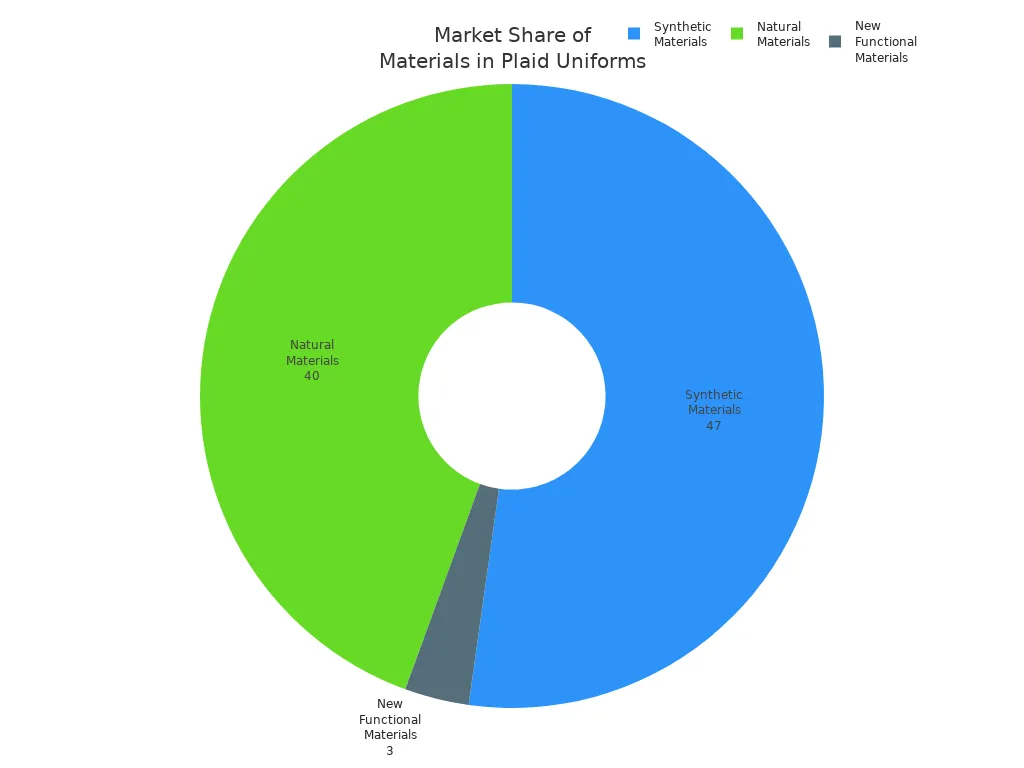
The global market for sustainable plaid fabrics is projected to reach $8 billion by 2025, with a compound annual growth rate (CAGR) of 5% from 2025 to 2033. The following table highlights key statistics regarding the market share of various materials:
| Statistic Category | Value/Description |
|---|---|
| Global Market Size (2025) | $8 billion |
| CAGR (2025-2033) | 5% growth rate |
| Market Share: Natural Materials | ~40% of market value (~$6 billion) |
| Market Share: Synthetic Materials | ~47% of market value (~$7 billion) |
| Market Share: New Functional Materials | ~3% of market value (~$450 million) |
| Benefits of Sustainable Fabrics | Reduced water, energy, and chemical use; durability; ease of care; environmental impact reduction |
| Regional Market Leader | Asia-Pacific region due to high school enrollment and production |
These innovations not only enhance the quality of school uniforms but also align with modern values of sustainability. Schools that adopt these materials contribute to environmental conservation while fostering a sense of responsibility among students. As the demand for eco-friendly options continues to rise, the future of plaid fabrics will likely focus on combining style with sustainability.
Selecting the right plaid fabrics for school uniforms is crucial. Schools should consider several factors:
- Durability: Fabrics must withstand daily wear.
- Comfort: Soft materials enhance student comfort.
- Visual Appeal: Plaid designs should reflect school identity.
- Eco-Friendly Options: Sustainable fabrics are increasingly important.
Embracing current trends in plaid fabrics not only enhances school spirit but also fosters a sense of belonging among students.
Post time: Apr-10-2026