
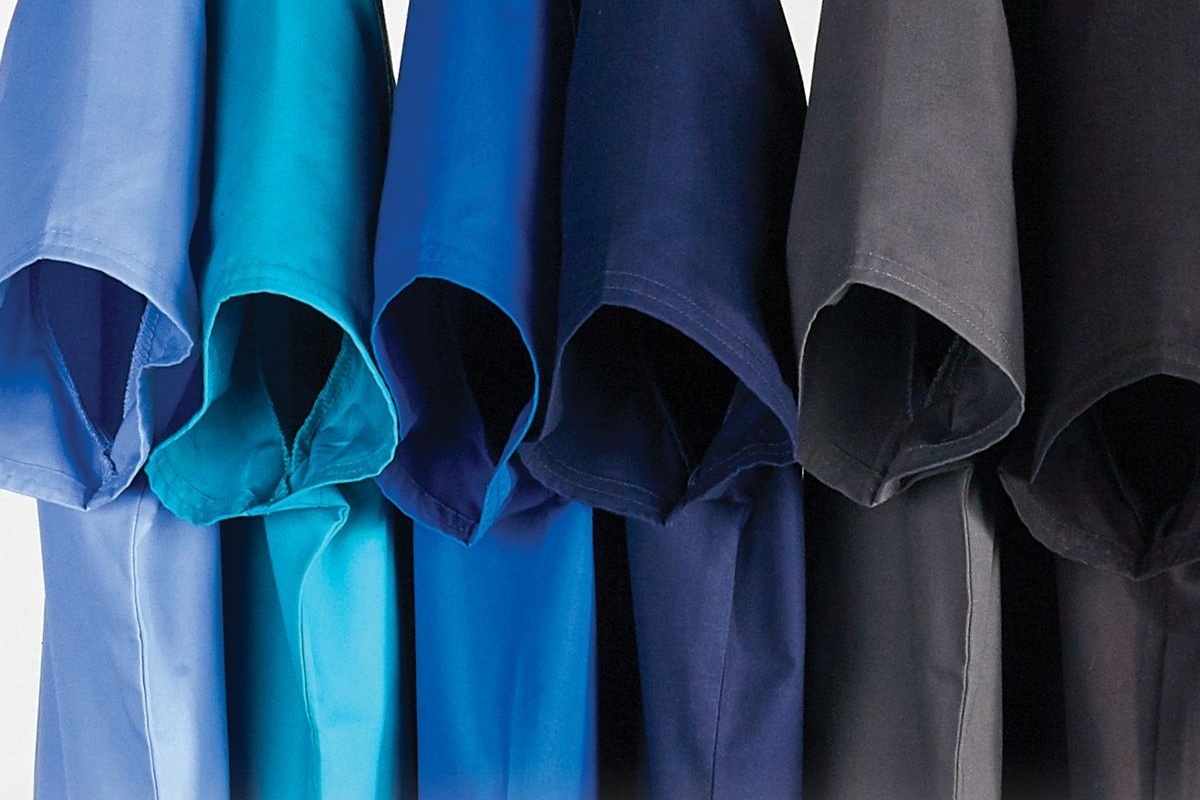
Choosing the right fabric for nurse uniforms, such as polyester rayon spandex fabric or bamboo polyester spandex fabric, significantly impacts comfort and performance. Nurses working long shifts often report that fabric choice, including options like polyester spandex fabric, directly affects their ease during demanding tasks. In fact, 87.1% of nurses feel more comfortable in scrubs made from breathable materials. Selecting the appropriate fabric for nurse uniforms enhances not only their comfort but also their overall job satisfaction.
| Evidence Type | Findings |
|---|---|
| Preference for Uniform | Nurses showed a strong preference for scrubs over white coats, with 87% finding scrubs more comfortable. |
| Professional Identity | 70% of nurses felt scrubs were more effective in establishing professional boundaries compared to white coats. |
| Confidence Levels | Approximately 80% reported greater self-assurance in scrubs, enhancing their confidence and reducing patient anxiety. |
Key Takeaways
- Choose breathable fabrics like polyester blends to enhance comfort during long shifts. This helps nurses stay cool and focused on patient care.
- Opt for durable materials that resist wear and tear. High-quality fabrics save money in the long run by reducing the need for frequent replacements.
- Select stain-resistant fabrics to maintain a professional appearance. This allows nurses to concentrate on their work without worrying about their uniforms.
Importance of Fabric for Nurse Uniform
Comfort and Breathability
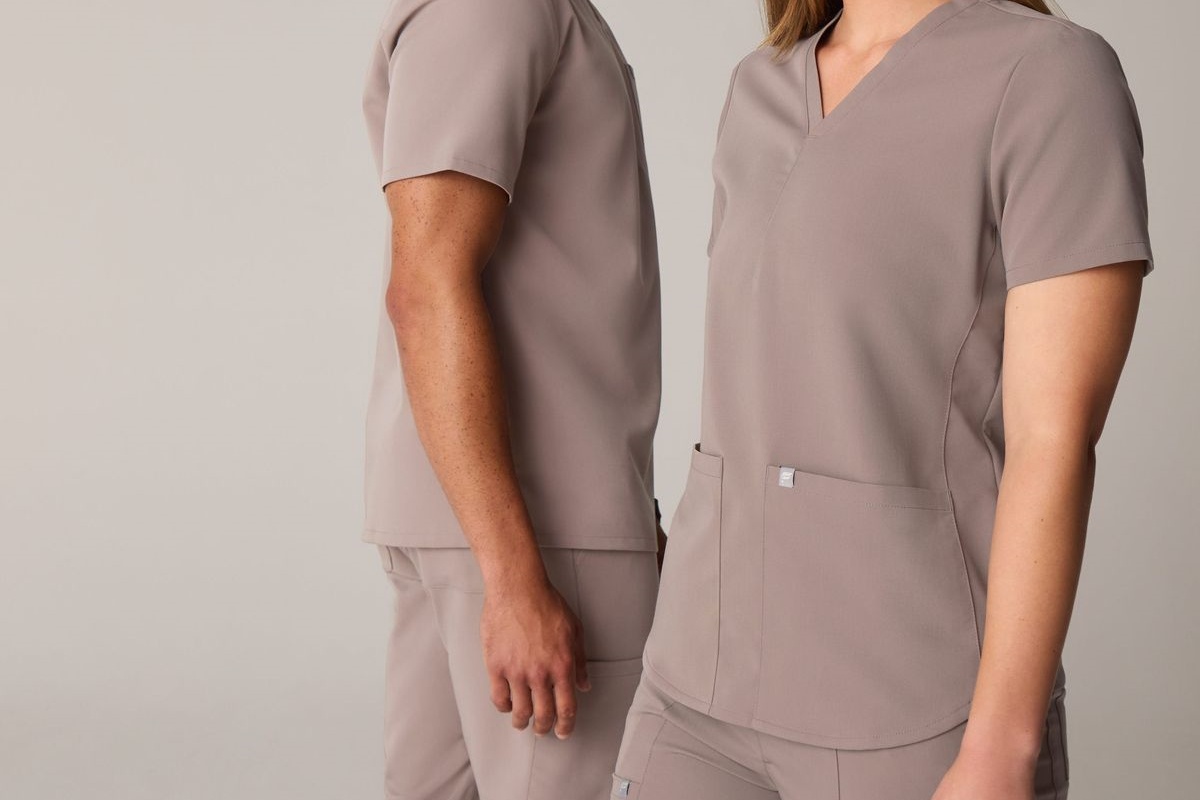
Selecting the right fabric for nurse uniforms plays a crucial role in ensuring comfort during long shifts. Lightweight and soft materials significantly reduce fatigue, allowing healthcare professionals to focus on patient care. Key factors influencing comfort include:
- Breathability: Fabrics like polyester blends and rayon help regulate body temperature. They wick moisture away from the skin, preventing overheating in fast-paced environments.
- Stretch and Flexibility: Stretch fibers allow for unrestricted movement, which is essential for nurses who perform various tasks throughout their shifts.
- Durability: High-quality fabric blends resist fading and wear, maintaining their integrity even after multiple washes.
Breathable fabrics enhance overall comfort, enabling nurses to concentrate on their work rather than their clothing. Soft scrubs alleviate discomfort, which can improve the work experience during demanding hours.
Professional Appearance and Functionality
The fabric type also contributes significantly to the professional appearance of nurse uniforms. A polished look inspires trust in patients and reflects the professionalism of healthcare staff. Consider the following aspects:
- Stain Resistance: Fabrics that are easy to care for help maintain a clean image, essential in healthcare settings.
- Durability: Polyester is known for its wrinkle resistance and ease of maintenance, ensuring that uniforms remain looking sharp throughout the day.
- Comfort: Cotton or cotton blends provide breathability and comfort, enhancing the overall professional appearance.
By choosing the right fabric for nurse uniforms, healthcare professionals can project cleanliness and precision, vital qualities in their field.
Key Considerations for Fabric for Nurse Uniform
Durability and Longevity
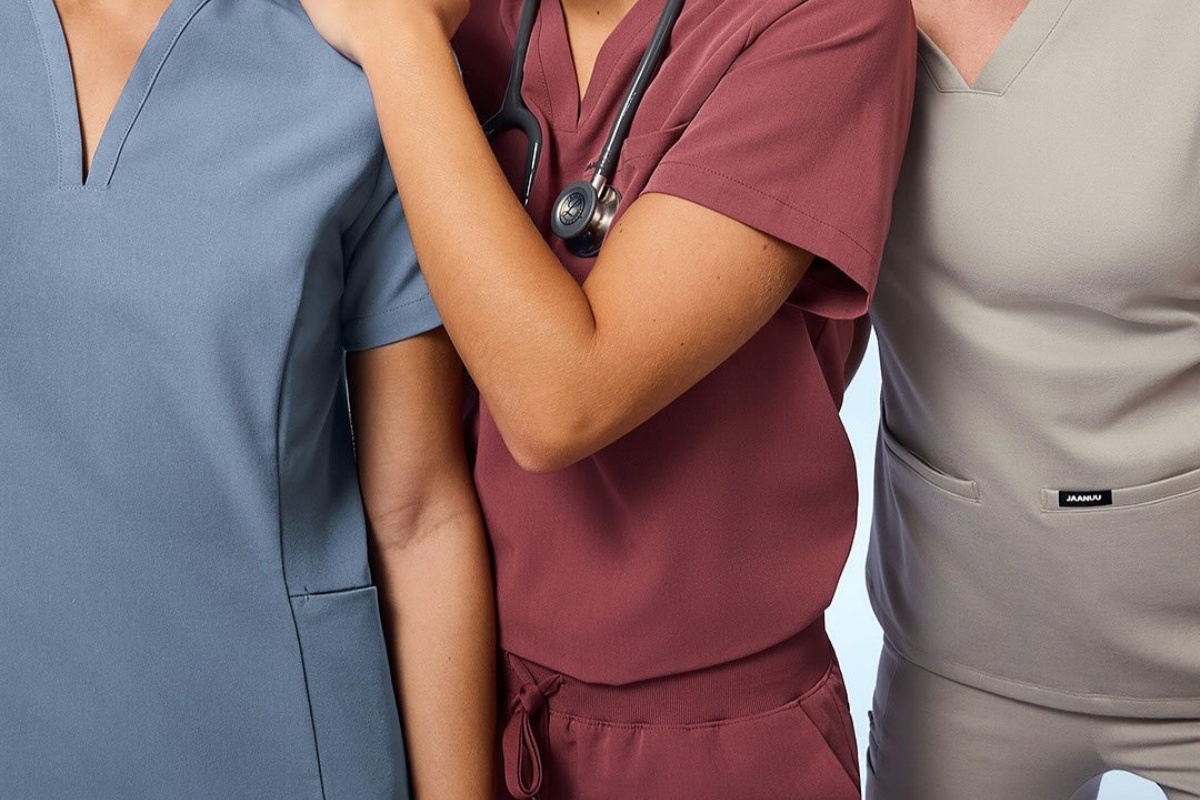
Durability is a critical factor when selecting fabric for nurse uniforms. Nurses require uniforms that withstand the rigors of daily wear and frequent washing. High-quality fabrics maintain their appearance and functionality over time. Consider the following aspects of durability:
- Resistance to Wear: Fabrics like polyester and cotton blends resist fading and fraying, ensuring uniforms look professional throughout their lifespan.
- Cost-Effectiveness: Durable uniforms reduce the need for frequent replacements, leading to lower long-term costs. Investing in high-quality materials pays off as they endure industrial washing without losing integrity.
- Technological Features: Some fabrics incorporate quick-drying and water-resistant properties, minimizing maintenance time and costs.
Healthcare organizations prioritize durability to ensure that uniforms remain functional and presentable, even after extensive use.
Stain Resistance and Maintenance
Stain resistance is essential for nurse uniforms due to the nature of healthcare environments. Fabrics that repel stains help maintain a clean and professional appearance. Here are some key points regarding stain resistance:
- Stain-Resistant Fabrics: Polyester and microfiber are known for their ability to resist stains and spills. These materials repel liquids, making them ideal for healthcare settings.
- Easy Maintenance: Fabrics like Sure-Chek® are designed specifically for healthcare. They resist staining from medications and bodily fluids, simplifying the cleaning process. Proper laundering is crucial to prevent contamination and maintain hygiene.
- Care Instructions: Different fabrics have specific care requirements. For instance, brushed cotton may require special laundering methods to preserve its softness and durability. Understanding these requirements ensures that uniforms remain in optimal condition.
By choosing stain-resistant fabrics, nurses can focus on patient care without worrying about their appearance.
Moisture-Wicking Properties
Moisture-wicking fabrics play a vital role in maintaining comfort and hygiene during long shifts. These materials draw moisture away from the skin, facilitating quick evaporation. This function is particularly beneficial for nurses who often work in high-pressure environments. Key benefits include:
- Temperature Regulation: Moisture-wicking fabrics help regulate body temperature, keeping nurses comfortable throughout their shifts. This is essential for maintaining focus and performance.
- Enhanced Comfort: Fabrics like DriMed® Birdseye Pique effectively manage sweat, allowing nurses to stay fresh and dry. This comfort level is crucial for preventing fatigue during long hours of work.
- Hygiene Maintenance: Moisture-wicking properties contribute to overall hygiene by reducing the risk of bacterial growth. This is especially important in healthcare settings where infection control is paramount.
Incorporating moisture-wicking fabrics into nurse uniforms enhances both comfort and hygiene, allowing healthcare professionals to perform their duties effectively.
Comparison of Fabric Types for Nurse Uniform
Cotton
Cotton fabric is widely recognized for its comfort and breathability, making it a popular choice for nurse uniforms. Its natural fibers promote airflow, which is crucial for prolonged wear in warm environments. Research indicates that cotton excels in moisture vapor transmission, effectively reducing sweat pooling. The hydrophilic structure of cotton wicks sweat away from the skin, enhancing overall comfort. However, cotton has notable disadvantages. It lacks effective barrier properties against liquids and microbes. Studies show that synthetic fibers, such as polyester, outperform cotton in liquid barrier properties and resistance to microbial penetration. This absorbency can potentially harbor pathogens, compromising safety in healthcare settings.
| Fabric Type | Air Permeability (cm³/cm²·s) |
|---|---|
| Cotton | 350 |
| Polyester | 120 |
Polyester
Polyester fabric offers several advantages for nurse uniforms, making it a preferred choice among healthcare professionals. Its durability stands out, as polyester withstands frequent washing cycles, ensuring the longevity of uniforms. The fabric also exhibits excellent fluid resistance, repelling liquids and keeping healthcare professionals dry. This feature enhances biosafety, which is critical in clinical environments. Additionally, polyester provides a 4-way stretch, allowing for maximum flexibility. This flexibility is essential for active professionals, enabling ease of movement during demanding tasks.
Key benefits of polyester include:
- Moisture-wicking properties that keep healthcare professionals dry by pulling sweat away from the body.
- A blend of polyester and spandex that offers a stretchy and flexible fit, crucial for tasks requiring movement.
- Enhanced comfort that minimizes restrictions during work hours.
Blends (Cotton-Polyester)
Cotton-polyester blends combine the best features of both fabrics, balancing comfort and maintenance. These blends enhance breathability while providing durability. Common blend ratios include 65/35 and 60/40, each offering unique benefits. The 65/35 blend is known for its high durability and low maintenance, making it suitable for demanding environments like nursing. The 60/40 blend strikes a balance between softness and wrinkle resistance, ideal for nurse uniforms.
| Blend Ratio (Poly/Cotton) | Key Benefits | Best Use Case |
|---|---|---|
| 65/35 | High durability, low maintenance | Suitable for demanding environments like nursing |
| 60/40 | Balanced softness and wrinkle resistance | Ideal for nurse uniforms due to comfort and ease of care |
These blends help uniforms last longer while maintaining comfort during long shifts. Proper fabric combinations create comfortable and functional nurse uniforms, contributing to a positive healthcare environment.
Spandex and Stretch Fabrics
Spandex and other stretch fabrics play a vital role in enhancing the fit and comfort of nurse uniforms. The combination of polyester and spandex provides both durability and flexibility. Spandex allows scrubs to stretch and return to their original shape, preventing sagging. This feature is essential for nurses who require a full range of motion during their tasks.
Key advantages of stretch fabrics include:
- Enhanced flexibility that reduces friction, crucial for nurses who are constantly moving.
- The ability to support mobility in busy clinical settings, allowing for tasks like lifting and reaching.
- Comfort that helps reduce fatigue, enabling nurses to focus on patient care.
Overall, incorporating stretch fabrics into nurse uniforms significantly impacts mobility and comfort during physically demanding tasks.
Choosing the right fabric for nurse uniforms involves several key considerations:
- Comfort: Fabrics should provide flexibility and ease of movement for nurses during their shifts.
- Durability: Materials like polyester blends and spandex are recommended for their long-lasting properties.
- Ease of Cleaning: Fabrics should be stain-resistant and easy to maintain, ensuring a professional appearance.
- Fit: The balance between stretch and structure is crucial for a tailored yet comfortable fit.
- Cost-effectiveness: Affordable options that do not compromise on quality are essential for healthcare facilities.
Nurses should prioritize their personal needs when selecting fabrics. Making informed choices enhances comfort, professionalism, and overall job satisfaction.
FAQ
What fabric is best for nurse uniforms?
Polyester blends and cotton-polyester mixes offer durability, comfort, and stain resistance, making them ideal for nurse uniforms.
How often should nurse uniforms be washed?
Nurse uniforms should be washed after each shift to maintain hygiene and prevent the buildup of bacteria and stains.
Are moisture-wicking fabrics worth it?
Yes, moisture-wicking fabrics enhance comfort by keeping nurses dry and regulating body temperature during long shifts.
Post time: Mar-11-2026