
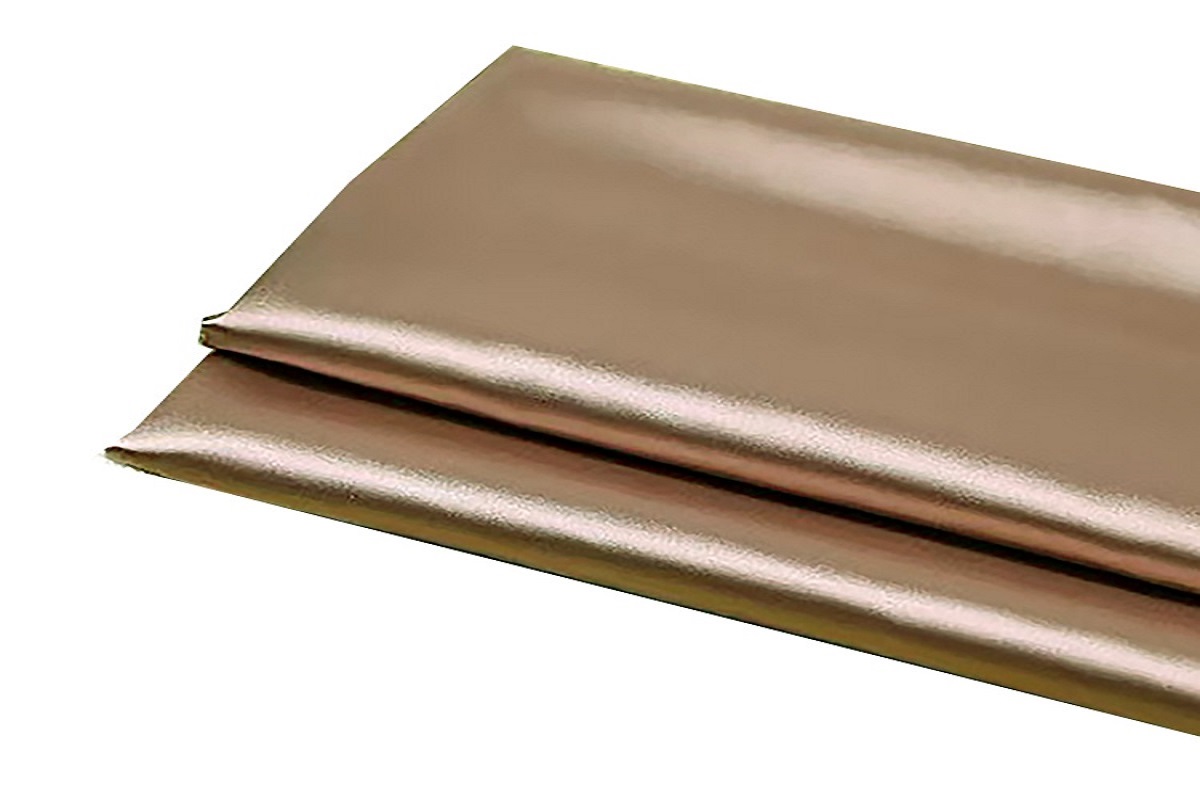
95 polyester 5 spandex fabric consistently ranks as a favorite for many projects. This popular 95 polyester 5 spandex fabric offers excellent stretch, durability, and easy care, making it incredibly versatile. The blend adapts seamlessly to various applications, from activewear to casual apparel, providing moisture-wicking comfort and shape retention. How do you ensure you select the best 95 Polyester 5 Spandex for your specific needs in 2025?
Key Takeaways
- The 95 polyester 5 spandex fabric is popular. It offers good stretch, durability, and easy care. This makes it useful for many projects.
- New fabric advancements focus on sustainability. They also improve performance. This includes recycled materials and better dyeing methods.
- Choosing the right fabric means looking at your project needs. Consider factors like weight, stretch, and how well it keeps its color. Proper care helps the fabric last longer.
Understanding the 95 Polyester 5 Spandex Fabric Blend in 2025
What are the Core Properties of This Popular Blend?
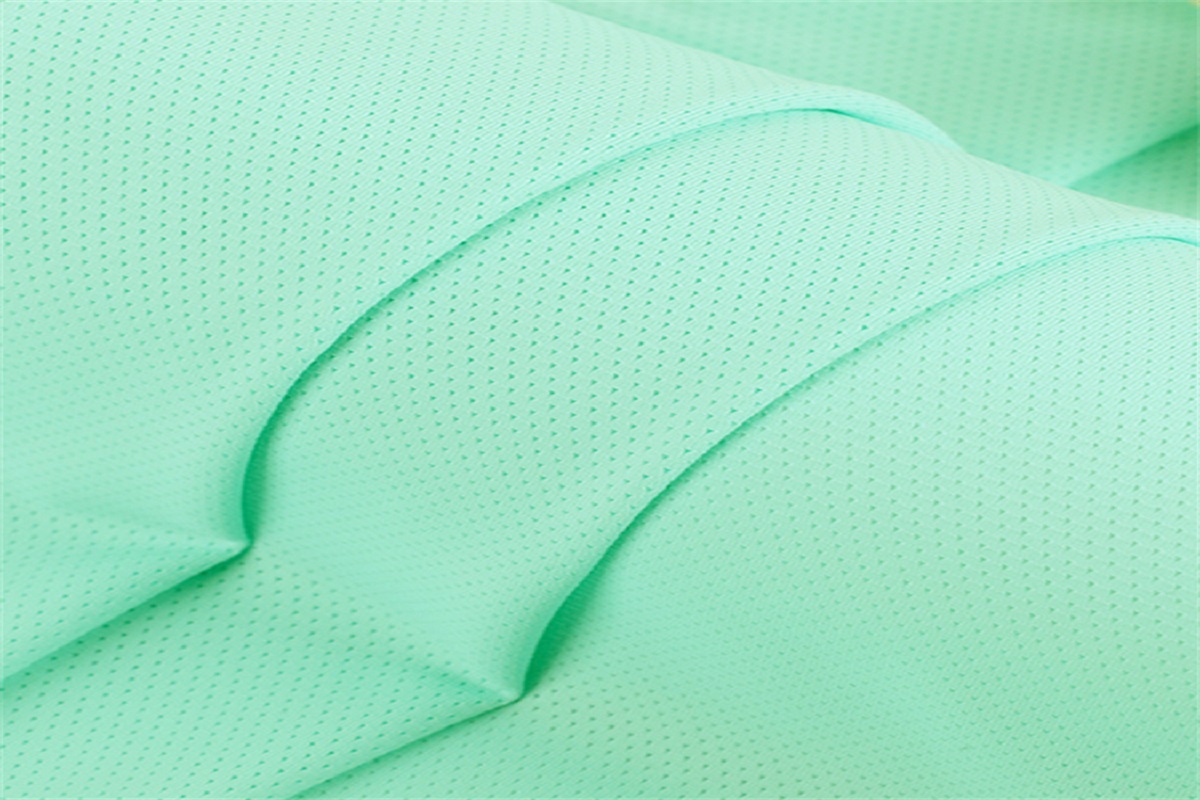
The 95 polyester 5 spandex fabric blend stands out for its exceptional characteristics. This combination creates a material that offers both comfort and performance. It provides outstanding flexibility due to its 4-way stretch capability. This means the fabric stretches and recovers both horizontally and vertically. Spandex fibers can stretch five to eight times their original length. They return instantly, which ensures full freedom of movement without losing shape. This immediate snap-back maintains comfort during activities. The fabric’s high recovery rate, often over 95%, helps prevent deformation. Garments made from this blend retain their fit and support over time. This makes it ideal for everyday wear and loungewear, offering comfort with a slight stretch.
| Parameter | Typical Value / Description |
|---|---|
| Stretch Ability | 30–50% (4-way stretch) |
| Recovery Rate | >95% |
How Has This Blend Evolved for 2025?
The 95 polyester 5 spandex fabric blend has seen significant advancements by 2025. Manufacturers now focus on sustainability and enhanced performance. Circular polyester, like Ambercycle’s Cycora™, establishes crucial circular supply chains. This reduces waste and reliance on new resources. Prototypes for bio-PTT and bio-elastane are emerging. These offer moderate stretch and provide alternatives to fossil-based spandex. Modern Meadow’s 55% bio-based waterproof layer replaces harmful chemicals. This creates PFAS-free membranes.
New dyeing processes also contribute to evolution. DyeCoo’s CO₂ dyeing process significantly reduces water usage by 95% and energy consumption by 85%. Recycled pigments, such as Recycrom® and DyeRecycle, convert post-consumer textiles into new colors. This cuts virgin chemical inputs by up to 85%. Innovations like Polartec’s Power Air technology reduce fiber shedding by 85%. Structural fabric innovations, like Teijin’s DeltaPeak TL, minimize fiber release without coatings. These advancements address environmental concerns.
Beyond sustainability, performance features have also improved. Research extends to self-healing textiles. These fabrics can repair tears and resist bacterial growth. This extends product lifespan and reduces waste. Thermoregulatory fabrics adapt to temperature changes. They offer breathable insulation in cold conditions and cooling in warm weather. Conductive fabrics, woven with metallic threads, enable touch functionality. They can power wearable electronics, paving the way for smart clothing.
| Trend Category | Description | Application & Impact |
|---|---|---|
| Sustainable Innovation in Polyester | Transition from fossil-based to sustainable variants driven by environmental concerns and consumer demand. | Recycled polyester (from post-consumer plastics) reduces waste and reliance on fossil fuels. Biodegradable synthetics are being developed to address microplastic issues. Lab-grown and bio-based materials (e.g., spider silk, orange peels) signal a broader move towards high-performing, sustainable options. |
| Tech-Enhanced Fabrics | Integration of technology for performance features. | Ideal for activewear and outdoor applications, offering moisture-wicking, temperature regulation, and UV resistance. |
What are the Key Benefits of 95 Polyester 5 Spandex Fabric for Various Projects?
The 95 polyester 5 spandex fabric offers many quantifiable benefits. Polyester itself is extremely durable, wrinkle-resistant, and abrasion-resistant. It dries quickly and retains its shape excellently. It also provides ease of care. When blended with spandex, which contributes incredible stretch and recovery, the combination results in improved durability. It also leads to reduced wrinkling and easier care. This blend is a standard for much activewear. It effectively combines polyester’s durability and moisture management with spandex’s essential stretch for movement and fit.
This fabric excels in moisture-wicking. It is engineered to draw moisture away from the body. This action promotes faster evaporation, which keeps the wearer dry. This property is particularly advantageous in activewear. Managing perspiration is crucial for comfort and performance. It helps regulate body temperature during physical activity. The fabric is also noted for its excellent water repellency, alongside its moisture-wicking and quick-drying characteristics.
Key Factors for Choosing Your 95 Polyester 5 Spandex Fabric
Choosing the right 95 polyester 5 spandex fabric for your project involves looking at several important factors. Each factor plays a big role in how well your final product will look and perform.
How Does Project Type Influence Fabric Choice?
The type of project you plan to make greatly affects your fabric choice. Different uses need different fabric qualities. For example, activewear needs more stretch and durability than a casual T-shirt. Textile engineers think about the stretch, how long the fabric will last, how soft it feels, and how well it bounces back. They decide on the right fiber thickness and blend ratio based on these needs.
Look at how different blends work for various items:
| Blend Type | Spandex Ratio | Applications |
|---|---|---|
| Cotton-Spandex | 3–10% | T-shirts, casualwear |
| Polyester-Spandex | 10–25% | Leggings, swimwear, sportswear |
| Nylon-Spandex | 15–30% | Shapewear, intimates |
| Modal/Tencel-Spandex | 5–10% | Premium eco-fabrics |
For specific end uses, the spandex content changes to meet performance needs:
| End Use | Spandex Type | Blend Suggestion |
|---|---|---|
| Sportswear | Mid-denier, high recovery | Polyester 88 / Spandex 12 |
| Shapewear | High-denier, firm stretch | Nylon 80 / Spandex 20 |
| Yoga wear | Soft hand-feel, durable | Modal 95 / Spandex 5 |
| Swimwear | Chlorine-resistant | Nylon 85 / Spandex 15 (XTRA LIFE) |
| Medical compression | Low stretch set, high support | Nylon 70 / Spandex 30 |
What Role Do Weight and Thickness Play?
Fabric weight and thickness are very important. They affect how the fabric drapes, how warm it is, and how durable it feels. Fabric weight is often measured in GSM (grams per square meter) or oz/yd² (ounces per square yard).
Here is a general guide for fabric weights:
| Weight Classification | GSM Range (Approx.) | oz/yd² Range (Approx.) | Characteristics (including thickness) |
|---|---|---|---|
| Very Lightweight | 0-100 GSM | 0-3 oz/yd² | Sheer, delicate, and transparent. Used for scarves, lingerie, and overlays. |
| Lightweight | 100-200 GSM | 3-6 oz/yd² | Thin, breathable, and drapes well. Ideal for blouses, dresses, and summer wear. |
| Medium-Weight | 200-350 GSM | 6-10 oz/yd² | Versatile, moderate thickness, and good durability. Suitable for shirts, pants, and skirts. |
| Heavyweight | 350-600 GSM | 10-18 oz/yd² | Thick, durable, and offers warmth. Used for jackets, coats, and upholstery. |
| Very Heavyweight | 600+ GSM | 18+ oz/yd² | Very thick, highly durable, and stiff. Ideal for heavy-duty outerwear, industrial uses, and some home decor. |
For spandex blends, these weights have specific uses:
| Weight Classification | GSM Range (Approx.) | Characteristics (including thickness) |
|---|---|---|
| Lightweight Spandex | 100-180 GSM | Thin, breathable, and highly flexible. Ideal for activewear, lingerie, and summer clothing where minimal bulk and maximum stretch are desired. |
| Medium-Weight Spandex | 180-250 GSM | Offers a good balance of stretch, durability, and moderate thickness. Suitable for leggings, swimwear, dancewear, and athletic apparel that requires more support and coverage. |
| Heavyweight Spandex | 250-350 GSM | Thicker, more compressive, and highly durable. Often used for compression wear, shapewear, upholstery, and outerwear where robust stretch and support are crucial. |
| Very Heavyweight Spandex | 350+ GSM | Very thick, highly durable, and offers maximum compression and support. Used in specialized applications like industrial textiles, heavy-duty athletic gear, and some types of medical compression garments. |
Why is Stretch Direction and Recovery Important?
Stretch direction and how well a fabric recovers its shape are key for comfort and fit. Fabrics can have 2-way stretch or 4-way stretch.
| Feature | 2-Way Stretch (5-10% Spandex) | 4-Way Stretch (10-25% Spandex) |
|---|---|---|
| Stretch Direction | Stretches in one direction (usually widthwise) | Stretches width + length |
| Best For | Denim, structured jackets | Leggings, swimwear, compression gear |
| Fit/Comfort Pros | Maintains garment shape | Full range of motion |
| Fit/Comfort Cons | Limits mobility (e.g., jeans with 2% spandex feel “stiff”) | Higher spandex can lead to faster fiber fatigue if not engineered properly |
4-way stretch is often better for activewear because it allows a full range of motion. This means you can move freely without the fabric holding you back. Good recovery means the fabric snaps back into shape after stretching. This prevents bagging at the knees or elbows. It helps garments keep their polished look and consistent fit even after many washes. This fabric also resists pilling because of its tight knit structure. This makes it more durable and comfortable. A ribbed texture can also reduce clinginess in humid conditions, which is great for gym wear.
What Texture and Finish Options are Available?
The texture and finish of your fabric change its look and feel. You can find 95 polyester 5 spandex fabric with different surface qualities. Some fabrics have a matte finish, which means they are not shiny. Examples include ‘Heavy Stretch Bridal Satin Fabric’ and ‘Matte Heavy Weight Satin Fabric’. Other fabrics have a shiny finish, like ‘Stretch Shiny Elastic Satin Fabric’ or ‘High Quality Thick Glossy Bright Shinny Polyester Spandex Satin Fabric’. These options let you choose the perfect look for your project, whether you want something subtle or eye-catching.
How Does Breathability and Moisture Management Impact Selection?
Breathability and moisture management are crucial for comfort, especially in clothing worn during physical activity. Breathable fabrics allow air to pass through, keeping you cool. Moisture-wicking fabrics pull sweat away from your skin to the fabric’s surface, where it can evaporate quickly. This keeps you dry and comfortable. Polyester fibers are hydrophobic, meaning they do not like water. This helps them wick sweat away 50% faster than cotton.
Scientists use tests like the Moisture Vapor Transmission (MVT) test (ASTM E96) to measure these properties.
| Test Name | Fabric Type | Result (g/m²/24h) |
|---|---|---|
| Moisture Vapor Transmission (MVT, ASTM E96) | Untreated | 850–900 |
| Moisture Vapor Transmission (MVT, ASTM E96) | DWR Coated | 800–850 |
These numbers show how much moisture vapor can pass through the fabric in a day. Higher numbers mean better breathability.
What About Durability and Pilling Resistance?
Durability means how long a fabric lasts and how well it stands up to wear and tear. Pilling resistance means how well the fabric avoids forming small balls of fiber on its surface. These are important for keeping your garments looking good over time.
The Martindale Test (ISO 12947 / ASTM D4966) is a common way to check abrasion resistance. This test rubs fabric samples against an abrasive surface. Basic apparel might pass at 10,000–15,000 cycles, while high-performance activewear needs over 30,000 cycles. If the fabric pills or gets holes, it fails the test.
Other tests also measure pilling:
| Method | Application | Best For |
|---|---|---|
| Martindale | Circular rubbing motion | Knitted fabrics |
| Random Tumble | Tumbling action | Woven fabrics |
| Circular Locus | Rotary motion | Most knitted materials |
| Pilling Box | Contained tumbling | Dense woven fabrics |
The Pilling Resistance test (ISO 12945) specifically checks for the formation of fiber balls. Choosing a fabric with good durability and pilling resistance ensures your project will last and look great.
How Do Colorfastness and Print Quality Matter?
Colorfastness means how well a fabric keeps its color without fading or bleeding. Print quality refers to how clear and vibrant printed designs appear. These factors are very important for the look of your finished item.
Dyeing polyester and spandex together needs careful handling:
| Aspect | Polyester | Spandex |
|---|---|---|
| Dyeing Temperature | Optimal at 130℃ for better coloring effect | Not resistant to high temperatures; prone to brittle damage |
| Dyeing Time | N/A | Recommended at 40 minutes to prevent fiber damage |
| pH Value | N/A | Ideal range is 3.8-4.5 to maintain fiber integrity |
| Heating Rate | N/A | Controlled at 1°/min to avoid color flakes |
| Cooling Rate | N/A | Should be 1-1.5 °C/min to prevent defects like chicken claw marks |
| Cleaning Process | Alkaline reduction cleaning | Acid reduction cleaning improves fastness and removes staining |
| Dye Type | Disperse dyes (effective with hydrophobic nature) | Disperse dyes can stain significantly; requires careful selection and cleaning |
Sublimation printing is a top choice for polyester. The dye turns into a gas and permanently bonds with the polyester fibers. This makes the color part of the fiber itself. It offers excellent colorfastness, which is great for activewear that gets washed often or exposed to the sun. Dope dyeing, where color goes into the fiber before it becomes yarn, also offers great colorfastness. Piece dyeing, which dyes the whole fabric roll after knitting, can sometimes have less colorfastness.
What are the Sustainability and Ethical Sourcing Considerations for 2025?
In 2025, many people care about where their fabrics come from and how they affect the planet. Choosing sustainable and ethically sourced fabrics is becoming more important.
New rules and standards are coming:
- EU Digital Product Passport: This will soon require companies to share details about their products’ sustainability, like where materials come from and how recyclable they are. Textiles will likely be among the first products to follow this rule.
- EU Ecodesign for Sustainable Products Regulation (ESPR): By 2025, this rule will set minimum eco-design standards. It will cover how durable products are, how easy they are to recycle, and limits on harmful chemicals.
- EU Circular Economy Action Plan: This plan includes the Green Claims Directive. It makes sure brands provide real, proven environmental claims to stop misleading advertising.
Organizations like Textile Exchange also promote sustainable materials. Their standards, like the Global Recycled Standard (GRS) and Recycled Claim Standard (RCS), are important for recycled polyester. Textile Exchange is also creating a new “Materials Matter Standard” to combine climate, nature, and social goals for raw materials.
Ethical sourcing means making sure workers are treated fairly and safely. Companies should:
- Perform due diligence: They need to check their supply chain, find risky areas, and plan how to deal with issues like forced labor.
- Build supply chain traceability: They should set up systems to track where materials come from. This helps increase transparency, especially in high-risk areas.
- Engage suppliers: Companies should work with their partners to check for compliance. They should also include rules against forced labor in their contracts.
Certification bodies help ensure these practices.
| Certification Body | Role | Services |
|---|---|---|
| Control Union | Focuses on sustainability and supply chain certifications | Offers traceability and verification for responsible sourcing, ethical labor, and environmental compliance. |
| SGS | Leading global provider of testing, inspection, and certification | Provides product quality/safety testing, chemical compliance (RSLs), and traceability audits for eco-friendly manufacturing. |
| Ecocert | Known for organic and fair-trade certifications | Offers eco-friendly manufacturing certification and biodegradability testing, promoting transparency and ethical production. |
These considerations help you choose a 95 polyester 5 spandex fabric that is good for both your project and the world.
Matching 95 Polyester 5 Spandex Fabric to Specific Project Types
Choosing the right fabric for your project makes a big difference. The versatile 95 polyester 5 spandex fabric works well for many items. You can match its properties to your specific needs.
What are the Best Choices for Activewear and Sportswear?
This blend is a top choice for activewear and sportswear. It offers excellent performance for physical activities. Athletes need fabric that moves with them. This fabric is:
- Lightweight
- Breathable
- Features 4-way stretch for featherweight comfort
It also wicks away moisture, keeping you dry during workouts. Its durability means it stands up to repeated use and washing.
Which Fabric Works Best for Casual Apparel?
For everyday clothes, this fabric provides comfort and easy care. It resists wrinkles, so your clothes look neat all day. The slight stretch adds comfort for movement. You can find it in many colors and prints, perfect for T-shirts, dresses, and skirts.
What Should You Look for in Loungewear and Sleepwear?
When making loungewear or sleepwear, prioritize softness and comfort. This blend feels gentle against the skin. Its stretch allows for relaxed movement. It also breathes well, helping you stay comfortable while resting.
How to Select Fabric for Costumes and Performance Wear?
Costumes and performance wear often need fabric that stretches and holds its shape. This blend offers the flexibility performers need. It also comes in various finishes, from matte to shiny, to achieve different visual effects. Its colorfastness ensures vibrant designs last.
Can This Fabric Be Used for Home Decor Accents?
Yes, you can use this fabric for home decor accents. Its durability and stretch make it suitable for items like throw pillow covers or slipcovers. It resists fading, so your decor stays looking fresh.
Tips for Sourcing and Purchasing 95 Polyester 5 Spandex Fabric in 2025
Where Can You Buy This Fabric?
Finding the right fabric supplier is a crucial step for any project. Many reputable sources offer 95 polyester 5 spandex fabric. Online marketplaces like Etsy feature various sellers. For example, Sedona Designz offers a 58/60” Wide Glitter ITY Fabric with many positive reviews. Another Etsy seller provides a 58 Inches Wide Matte Stretch L’Amour Satin Fabric. You can also find 4 Way Stretch Polyester Spandex Fabric, 180gsm Shiny Milliskin, from other Etsy listings. Beyond these, online suppliers like Fabrics by the Yard also provide polyester-spandex options.
How to Read Fabric Descriptions and Specifications?
Understanding fabric descriptions helps you choose wisely. Look for key characteristics like durability, stretchability, and cost-effectiveness. Polyester gives the fabric strength, stability, and resistance to wrinkles. Spandex adds stretch and elasticity, making the fabric comfortable and adaptable. This blend offers a good balance of lasting wear and necessary stretch.
Consider these important metrics:
| Metric Category | Value Range | Quality & Performance | Common Uses |
|---|---|---|---|
| Stretch Percentage | High (70-100%) | Superior Quality & Performance | High-end leggings, compression wear, swimwear, dancewear |
| Recovery | Excellent | Superior Quality & Performance | High-end leggings, compression wear, swimwear, dancewear |
| Stretch Percentage | Mid-Range (40-60%) | Good Quality & Performance | Everyday leggings, t-shirts, casual sportswear |
| Recovery | Good | Good Quality & Performance | Everyday leggings, t-shirts, casual sportswear |
- Stretch: This shows how much a fabric can lengthen when pulled. For activewear, a percentage indicates how much the fabric will expand. A fabric with 50% stretch can extend to 1.5 times its original length. This metric is vital for movement and fit.
- Recovery: This is the fabric’s ability to return to its original shape after stretching. High-quality spandex has excellent recovery. This prevents garments from becoming baggy.
Why is Ordering Swatches Crucial?
Ordering swatches is a smart move before buying a large amount of fabric. Pictures online can sometimes look different from the actual material. A swatch lets you feel the texture, see the true color, and test the stretch firsthand. This helps you confirm the fabric meets your project’s needs. It also prevents costly mistakes.
How to Understand Pricing and Quality Tiers?
Fabric pricing often depends on the quantity you buy. Larger orders usually mean a lower price per unit. For example, a sample piece might cost $10.00. However, if you buy 20,000 kg or more, the price can drop significantly to around $2.48 per kg.
Here is a general pricing guide:
| Quantity (kg) | Price (US$) |
|---|---|
| 500-999 | 4.96 |
| 1,000-4,999 | 3.72 |
| 5,000-9,999 | 2.98 |
| 10,000-19,999 | 2.73 |
| 20,000+ | 2.48 |
| Sample (per piece) | 10.00 |
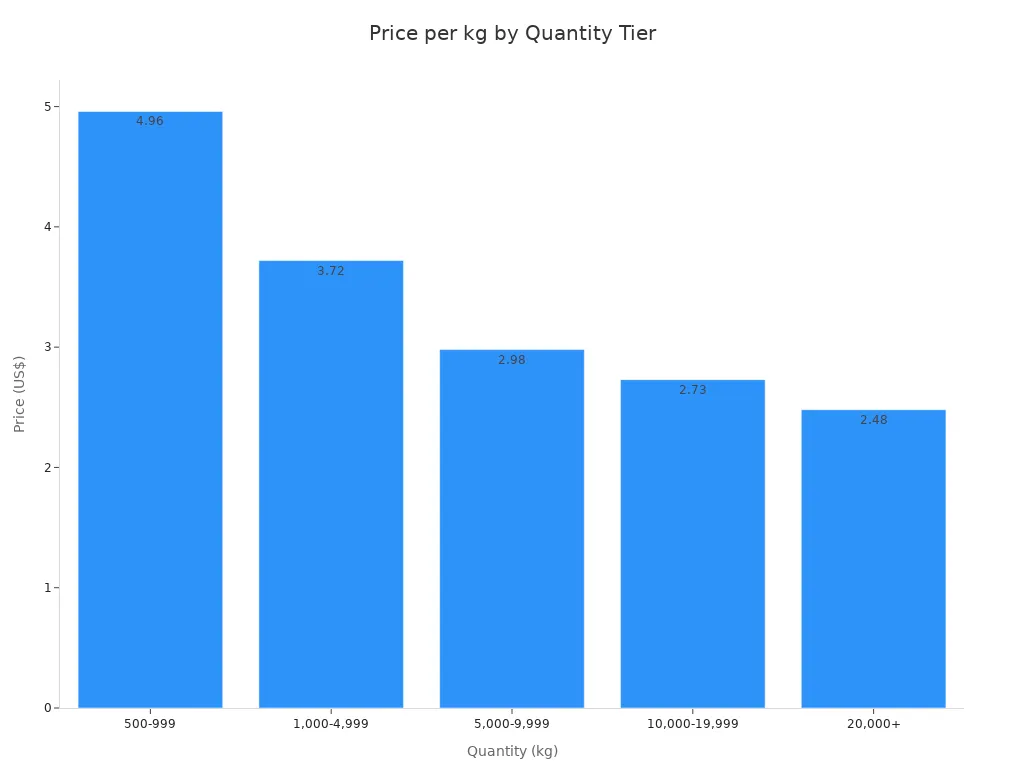
This chart clearly shows how prices decrease with higher quantities. Understanding these tiers helps you budget effectively for your project.
Care and Maintenance for Your 95 Polyester 5 Spandex Fabric
Proper care helps your 95 polyester 5 spandex fabric last a long time. Following these simple steps keeps your items looking great.
What are the Best Washing and Drying Instructions?
For washing, consider the fabric’s blend.
| Fabric Type | Washer Setting & Temperature | Detergent Type |
|---|---|---|
| Polyester | Normal cycle, warm water | Your favorite laundry detergent |
| Nylon or Lycra (Spandex) | Hand wash or low-spin cycle (e.g., Delicates) in cold water | Mild laundry detergent that works well in cold water |
Warm water, between 90 and 110 degrees Fahrenheit, works well for most synthetic fabrics. It helps dissolve powdered detergents. Cold water is a safe choice for many fabrics and colors. It helps increase clothing longevity.
After washing, air drying is the preferred method.
- Lay the garment flat or hang it. This prevents shrinkage, stretching, and fiber damage. It also preserves its shape and texture.
- If you must tumble dry, use the lowest heat setting (approximately 125°F). Polyester dries quickly. High heat can melt, shrink, or misshape the fibers. Remove the garment immediately once dry.
- For delicate fabrics like spandex, or items with elastic, use low or no-heat settings. This prevents damage and maintains elasticity. High temperatures can cause elastic garments to lose their stretchiness.
How to Iron and Store This Fabric for Longevity?
Ironing this fabric needs care. Always check the garment’s care label first. Ignoring it can cause scorching or melting.
| Fabric Type | Temperature Setting | Steam | Additional Notes |
|---|---|---|---|
| Polyester | Medium (150°C / 302°F) | Optional | Iron on the reverse side or use a pressing cloth. |
| Spandex | Low (110°C / 230°F) | No | Avoid direct heat. |
| Synthetic Blends | Low/Medium | Refer to dominant fiber | Follow care instructions for the most delicate fiber. |
Spandex is very heat-sensitive. It can lose its elasticity if it gets too hot. Start with the lowest heat setting. Test it on a hidden area first. Never place a hot iron directly on polyester for too long. Iron on the reverse side or use a pressing cloth. This protects the fabric and prevents shine. Avoid ironing embellishments and prints.
Proper storage also helps your fabric last.
- Fold spandex garments neatly.
- Store them in a cool, dry place.
- Avoid hanging them for extended periods. Hanging can cause stretching due to the garment’s weight.
- Separate polyester-spandex garments from other clothing, especially items with sharp edges or zippers. This prevents friction and damage.
- Use a breathable wardrobe or storage box. This keeps clothes dry and well-ventilated.
Readers confidently select the ideal fabric by understanding project needs and specific fabric properties. Informed choices and proper care ensure successful, long-lasting results for their creations. Leverage 2025′s advancements, including sustainable options and smart textile innovations, for truly cutting-edge projects.
FAQ
What makes 95 polyester 5 spandex fabric so popular?
This fabric blend offers excellent stretch, durability, and moisture-wicking properties. It provides comfort and maintains shape well, making it versatile for many projects.
Can 95 polyester 5 spandex fabric be used for outdoor activities?
Yes, its durability, quick-drying nature, and moisture management make it great for outdoor gear. It resists wear and tear effectively during activities.
How does sustainability affect 95 polyester 5 spandex fabric in 2025?
In 2025, manufacturers focus on recycled polyester and eco-friendly dyeing processes. New regulations also promote ethical sourcing and transparency for this fabric blend.
Post time: Nov-05-2025