
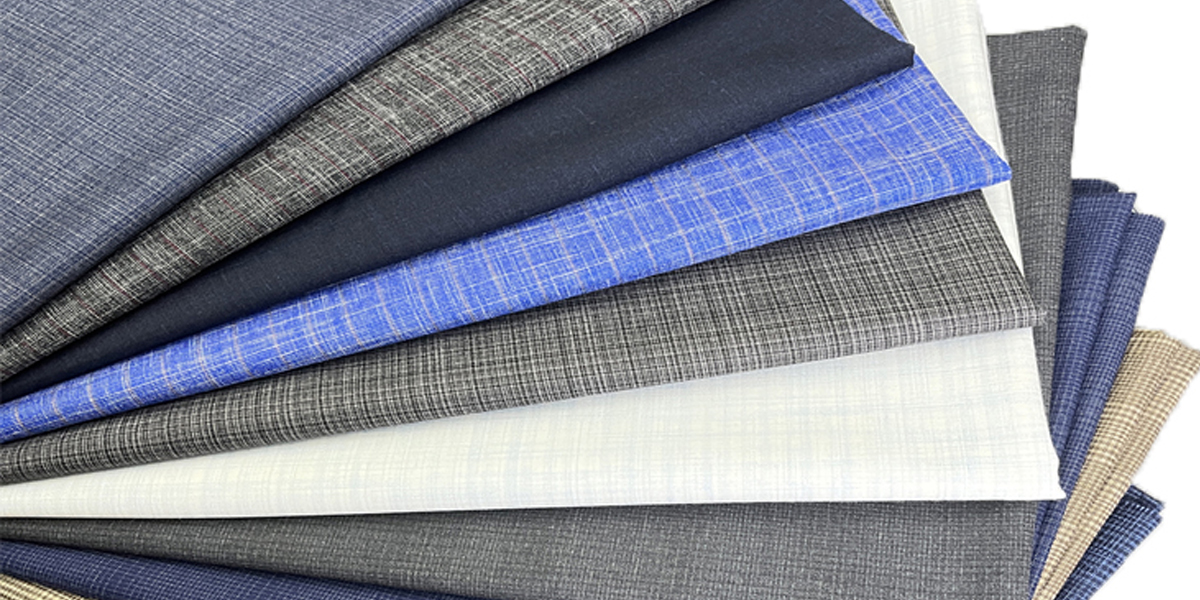
Fancy TR fabrics play a vital role in enhancing design diversity for global fashion brands. As a leading TR plaid fabric supplier, we offer a dynamic mix of styles, including plaids and jacquards, which cater to various fashion trends. With options like custom TR fabric for apparel brands and our expertise as a TR jacquard fabric manufacturer, these materials provide the perfect blend of luxury and durability. Additionally, we specialize in fancy TR design fabric wholesale, ensuring that our clients have access to the finest fabrics for their collections.
Key Takeaways
- Fancy TR fabrics, like plaids and jacquards, enhance design diversity for global fashion brands.
- Customization of TR fabrics allows brands to create unique designs that strengthen their identity and appeal to consumers.
- Understanding factors like minimum order quantities and fabric specifications is crucial for making informed purchasing decisions.
Fancy TR Fabrics: Plaid Designs
Characteristics of Plaids
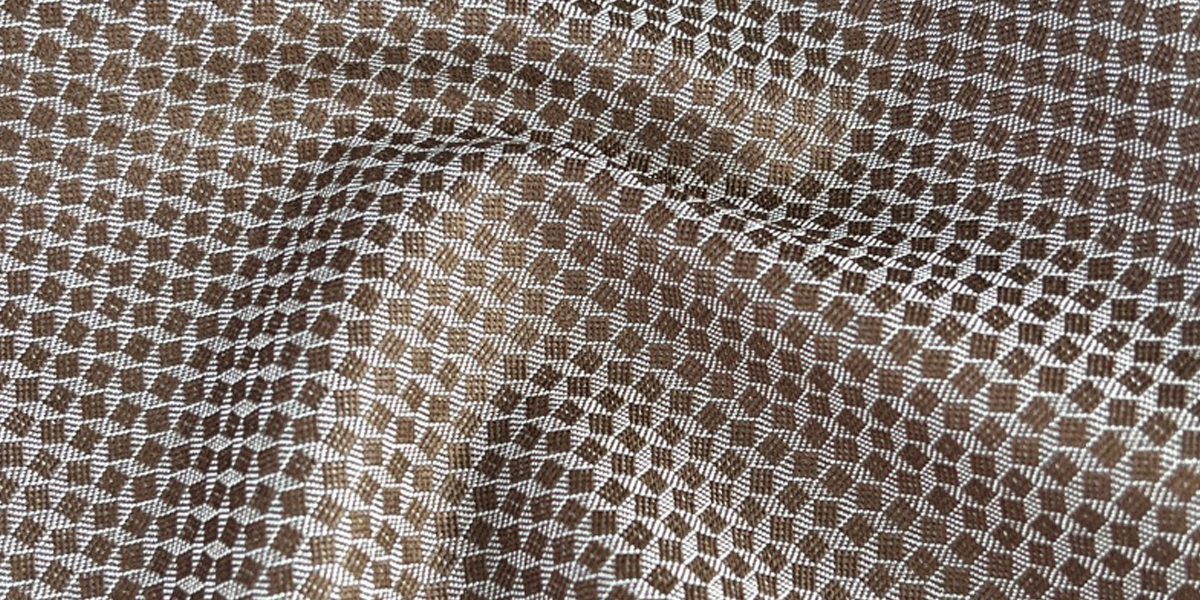
Plaid fabrics stand out due to their distinctive patterns. They feature intersecting horizontal and vertical stripes of varying widths and colors. This unique design arises from weaving different colored threads together. Unlike simpler fabric types, plaid offers a rich visual texture that adds depth to any garment. I appreciate how plaid fabrics are often associated with warmth and durability, making them ideal for clothing intended for colder climates.
Here’s a quick comparison of plaid TR fabrics with other fabric types:
| Characteristic | Plaid TR Fabrics | Other Fabric Types |
|---|---|---|
| Pattern | Distinctive pattern of intersecting stripes | Varies, often simpler patterns |
| Material | Can be made from wool, cotton, or blends | Varies widely |
| Warmth and Durability | Known for warmth and durability | Varies, not always warm or durable |
| Sewing Complexity | Requires careful matching when sewing | Generally simpler sewing requirements |
Historical Significance
The history of plaid patterns is fascinating. These designs trace back to ancient Scotland, where they represented different clans and families. Each pattern showcased a unique identity, reflecting the wearer’s affiliations. The intricate weave made the fabric durable and weather-resistant, perfect for the harsh Scottish climate. Natural dyes provided the colors, connecting the fabric to nature. As Scottish clans migrated, they carried their plaid traditions, leading to the global spread of these patterns. By the 19th century, plaid entered Western fashion, influenced by Scottish culture and tartan patterns, initially associated with outdoor clothing like kilts.
Current Trends in Plaid Usage
Today, plaid is experiencing a renaissance in fashion. This season, it goes beyond the classic red flannel. Oversized silhouettes, muted tones, and unexpected color combinations—like mustard and moss or blush and navy—are adding depth and versatility to plaid designs. I find it exciting to see how designers are reinterpreting plaid, making it relevant for modern wardrobes. The versatility of plaid allows it to transition seamlessly from casual wear to more formal attire, appealing to a wide range of consumers.
Brands Embracing Plaids
Many global apparel brands have embraced plaid in their collections. From high-end designers to fast fashion retailers, plaid has found its place in various styles. Brands like Burberry and Ralph Lauren have long been associated with plaid, using it to convey a sense of heritage and sophistication. Meanwhile, contemporary brands are experimenting with plaid in innovative ways, incorporating it into streetwear and athleisure. This adaptability showcases the enduring appeal of plaid fabrics in the fashion industry.
Fancy TR Fabrics: Jacquard Styles
Characteristics of Jacquards
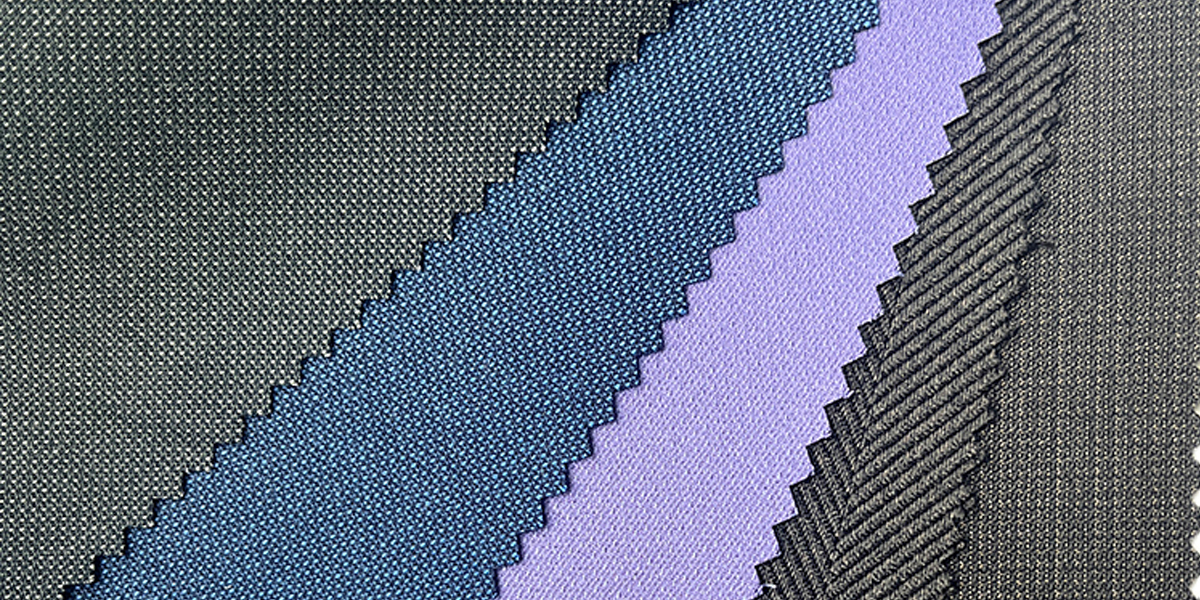
Jacquard fabrics are known for their intricate designs and luxurious textures. The unique feature of jacquards lies in their woven-in patterns, which create a rich visual appeal. I find that these fabrics often have a textured surface, making them stand out in any collection. Here’s a quick comparison of jacquard TR fabrics with other woven fabrics:
| Fabric Type | Pattern Creation | Texture | Weight | Common Uses |
|---|---|---|---|---|
| Jacquard | Woven-in (via jacquard weave) | Textured, often reversible | Heavier | Fashion, upholstery, décor |
| Printed Fabric | Printed on surface | Smooth | Light-Medium | Casual clothing, textiles |
| Brocade | Woven with metallic threads | Heavy, raised patterns | Heavy | Formal wear, upholstery |
| Damask | Reversible woven patterns | Smooth or slightly textured | Medium | Table linens, upholstery |
The jacquard weaving process enhances the fabric’s durability and texture. The patterns are part of the weave, which makes jacquard fabrics resistant to fading and wear over time. I appreciate how this durability allows designers to create garments that maintain their beauty through multiple seasons.
Historical Significance
The jacquard weaving technique revolutionized textile manufacturing in the early 19th century. It introduced the use of punched cards to automate the weaving process, significantly increasing production speed and efficiency. This innovation allowed for the creation of complex patterns without requiring skilled manual labor. I find it fascinating that the Jacquard loom not only transformed textiles but also influenced early computing technology, inspiring figures like Charles Babbage in the development of programmable computers.
Current Trends in Jacquard Usage
Today, jacquard fabrics are making waves in both traditional and contemporary fashion. Designers are embracing nature-inspired patterns, such as floral and botanical motifs, which bring a sense of the outdoors into their collections. Bold geometric designs are also trending, adding a modern touch to various styles. Additionally, the use of metallic threads in jacquard fabrics enhances their luxurious appeal, making them perfect for high-end fashion and upholstery.
The advanced electronic jacquard programming systems allow designers to achieve complex patterns with high precision. This capability supports the creation of personalized and distinctive garments, showcasing the versatility of jacquard TR fabrics in contemporary fashion.
Brands Embracing Jacquards
Many global apparel brands have recognized the allure of jacquard fabrics. High-end designers often use jacquards to create elegant garments, such as dresses, suits, jackets, and trousers. The intricate patterns and textured designs add sophistication and uniqueness to clothing. Brands like Chanel and Versace have incorporated jacquard into their collections, highlighting its timeless appeal. I admire how these brands leverage jacquard fabrics to tell a story through their designs, creating pieces that resonate with consumers on a deeper level.
Custom Fancy TR Fabric Options for Brands
Customization of fancy TR fabrics offers numerous advantages for apparel brands. I believe that tailoring fabrics to meet specific needs can significantly enhance a brand’s identity and consumer appeal. Here are some key benefits of customization:
- Durability: Custom synthetic fabrics resist wear and tear, maintaining their shape and color over time.
- Quick-Drying: Many customized options feature moisture-wicking properties, keeping the wearer comfortable during physical activities.
- Flexibility: Fabrics like polyester and spandex allow for a wide range of motion, making them ideal for activewear.
- Breathability and Comfort: Lightweight materials enhance athletic performance, ensuring comfort throughout the day.
Additionally, I find that customization fosters a personal connection with consumers. This connection enhances their shopping experience, leading to increased loyalty and satisfaction. Tailored offerings can improve perceived product quality and strengthen brand image.
Examples of Custom Designs
Several brands have successfully utilized custom fancy TR fabrics to create unique collections. Here are a couple of notable examples:
| Brand | Designer | Description |
|---|---|---|
| Spoonflower | Emily Isabella | Created a collection of eco-friendly fabrics known for its mix of natural materials and detailed patterns. |
| Joann Fabrics | Tessa McDonald | Developed a collection of floral prints on eco-friendly fabrics, blending sustainability with chic designs. |
These examples illustrate how custom fabric designs can contribute to a brand’s success. By accessing specialized markets, such as eco-friendly textiles or culturally inspired patterns, brands can stand out in a crowded marketplace. Unique and high-quality fabric designs attract consumers who value originality and exclusivity.
In my experience, custom fabric printing allows designers to express their creativity through unique patterns, colors, and textures. This capability enables the production of one-of-a-kind garments that distinguish themselves in the fashion industry. The ability to create exclusive designs provides brands with a competitive advantage, making customization a vital strategy for success.
Considerations for Apparel Buyers of Fancy TR Fabrics
When I consider purchasing fancy TR fabrics, several factors come into play. Understanding these elements can help me make informed decisions that align with my brand’s needs.
MOQ (Minimum Order Quantity)
Minimum order quantities (MOQs) can vary significantly between suppliers. I often find that the MOQ per color variant ranges from 1,000 to 3,000 yards. Additionally, suppliers typically require a total order value of at least USD 3,000. Both conditions must be met simultaneously to proceed with an order. This requirement can impact my purchasing strategy, especially if I want to test new designs or colors.
Width and GSM (Grams per Square Meter)
Width and GSM are crucial specifications to consider when selecting fabrics. The width of the fabric affects how much material I need for each garment. Meanwhile, GSM indicates the fabric’s weight and density, which influences its drape and durability. For example, a higher GSM often means a sturdier fabric, suitable for outerwear, while a lower GSM may be ideal for lightweight summer garments. I always ensure that the chosen fabric aligns with the intended use of the final product.
Sourcing Strategies
Effective sourcing strategies can make a significant difference in my fabric procurement process. Here are some strategies I find particularly useful:
- Research Suppliers: I partner with established suppliers for consistency. Reading reviews and checking certifications helps me avoid unreliable sources.
- Request Fabric Samples: Testing samples for texture, appearance, and strength is essential before placing large orders.
- Prioritize Sustainability: I prefer working with suppliers who offer organic or recycled materials.
- Attend Trade Shows and Expos: These events provide excellent networking opportunities with premium suppliers and insights into new fabrics.
- Utilize Online Platforms: I explore specialized online platforms for fabric sourcing to browse a wide range of textiles from global suppliers.
By implementing these strategies, I can ensure that I source high-quality fancy TR fabrics that meet my brand’s standards.
Fancy TR fabrics play a crucial role in modern fashion. They enhance design diversity and elevate brand storytelling. I see a bright future for plaids and jacquards, as they continue to inspire creativity. These fabrics will remain essential for brands aiming to connect with consumers through unique and compelling designs.
FAQ
What are fancy TR fabrics?
Fancy TR fabrics are textiles that combine style and durability. They include unique designs like plaids and jacquards, perfect for modern apparel.
How can I customize TR fabrics for my brand?
I can customize TR fabrics by selecting patterns, colors, and materials that align with my brand’s identity. This enhances uniqueness and consumer appeal.
What should I consider when sourcing TR fabrics?
I recommend considering factors like minimum order quantities, fabric width, and GSM. These elements impact the quality and suitability for my designs.
Post time: Sep-25-2025