

In tropical countries, healthcare professionals face challenges that go beyond long working hours and physical stress. High humidity and extreme temperatures directly affect comfort, concentration, and overall work performance.
This is why more healthcare brands and uniform buyers are searching for “breathable medical fabric,” “tropical scrub fabric,” and “lightweight healthcare uniform textile.”
In countries such as Singapore, Thailand, Malaysia, Indonesia, and the Philippines, breathability has become one of the most important factors when selecting medical uniform fabrics.
Why Tropical Healthcare Environments Require Better Fabrics
Healthcare workers in tropical climates often work in environments where body heat and humidity build up quickly.
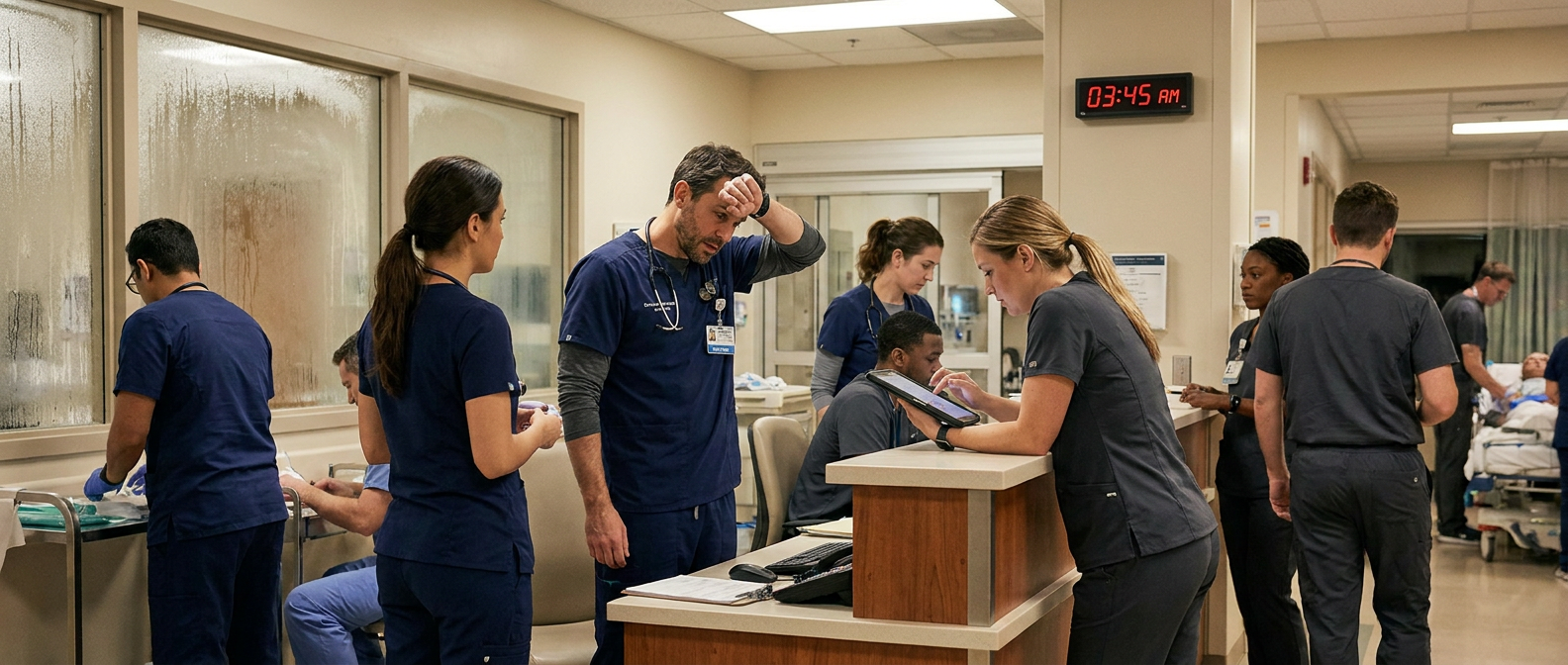
Even in air-conditioned hospitals, medical professionals frequently move between departments, outdoor spaces, emergency areas, and patient rooms. Long shifts combined with physical movement can cause heat discomfort and excessive sweating.
Traditional heavy medical fabrics trap heat and moisture, making uniforms uncomfortable after several hours.
As a result, healthcare buyers increasingly search for fabrics that offer:
- Better airflow
- Moisture management
- Lightweight construction
- Faster drying performance
- Enhanced comfort during movement
Modern healthcare apparel is now expected to function similarly to activewear.
The Importance of Breathability in Medical Uniforms
Breathability refers to how easily air passes through a fabric.
A breathable healthcare fabric helps regulate body temperature and reduce heat buildup during long working hours.
In tropical countries, poor airflow can lead to:
- Excessive sweating
- Skin discomfort
- Reduced concentration
- Increased fatigue
- Lower workplace comfort
This is particularly important for nurses, emergency staff, surgeons, and laboratory professionals who wear uniforms for extended periods.
Healthcare brands now prioritize breathable constructions because comfort directly affects employee satisfaction and performance.
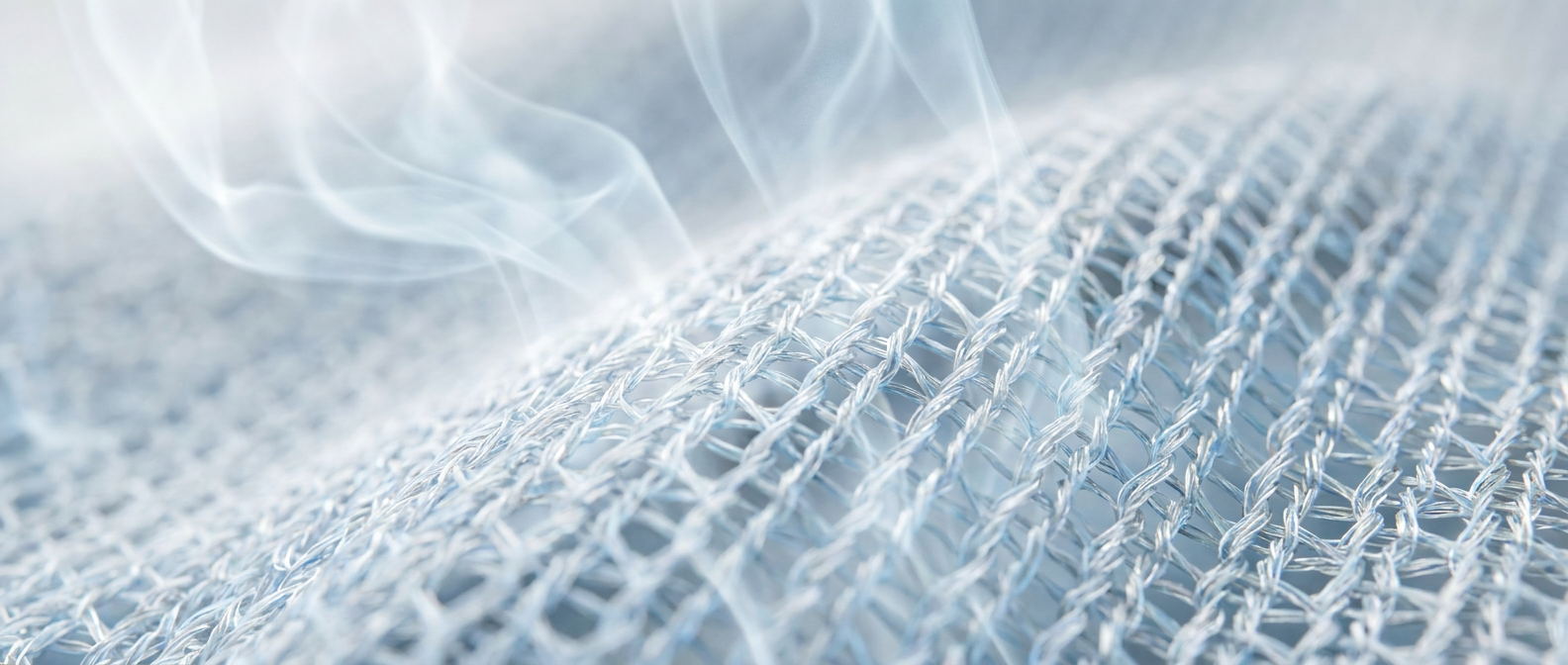
Why Mesh Structures Are Becoming More Popular
One of the biggest trends in tropical healthcare apparel is the use of mesh-inspired or airflow-enhanced fabric structures.
Buyers frequently search for:
- Mesh scrub fabric
- Airflow medical textile
- Lightweight stretch healthcare fabric
Mesh structures improve ventilation by allowing air circulation through the fabric.
Even when using woven constructions, textile manufacturers can engineer yarn arrangements to improve airflow while maintaining durability.
Modern breathable medical fabrics often combine:
- Fine denier polyester yarns
- Stretch fibers for flexibility
- Airflow-enhanced weaving structures
- Moisture-wicking finishing
The result is a fabric that feels cooler, lighter, and more comfortable.
Moisture-Wicking Performance in Healthcare Apparel
Moisture-wicking is another critical factor in tropical healthcare uniforms.
When healthcare professionals sweat during long shifts, moisture-wicking fabrics help transport sweat away from the skin toward the outer fabric surface where it evaporates more quickly.
This process helps:
- Keep the wearer dry
- Reduce sticky discomfort
- Improve overall comfort
- Support temperature regulation
Quick-dry performance is especially valuable in Southeast Asia where humidity slows natural evaporation.
Athletic-inspired scrub fabrics using polyester-spandex blends are particularly effective because polyester fibers naturally dry faster than cotton-based fabrics.
Why Lightweight Fabrics Are Preferred in Southeast Asia
Many hospitals in tropical countries are shifting toward lightweight medical fabrics ranging from 150 to 220 GSM.
Heavier fabrics may provide structure, but they often reduce airflow and increase heat retention.
Lightweight healthcare fabrics provide:
- Better drape
- Improved comfort
- Easier movement
- Enhanced breathability
- Reduced physical burden during long shifts
This trend is especially strong among private healthcare groups and premium medical apparel brands.
Common Buyer Questions About Tropical Medical Fabrics
Healthcare buyers frequently search questions such as:
- What is the best fabric for scrubs in hot weather?
- Which medical fabric dries fastest?
- What fabric is best for humid climates?
- Are stretch scrub fabrics more breathable?
- Which GSM is best for tropical medical uniforms?
These search behaviors show that buyers are increasingly focused on performance rather than only price.
How YunAi Textile Develops Breathable Medical Fabrics
At YunAi Textile, we focus on developing healthcare fabrics specifically designed for tropical working environments.
Our medical textile collections include:
- Breathable stretch woven fabrics
- Moisture-wicking healthcare fabrics
- Lightweight athletic scrub fabrics
- Mesh-inspired airflow constructions
- Quick-dry polyester spandex medical textiles
We also offer functional finishing options including:
- Moisture management
- Antibacterial treatment
- Easy-care finishing
- Wrinkle resistance
Because we maintain strong greige fabric inventory systems, we help customers reduce production lead times while maintaining stable quality.
The Future of Tropical Healthcare Uniforms
Healthcare apparel is evolving rapidly.
Today’s healthcare professionals expect uniforms that combine:
- Comfort
- Performance
- Modern appearance
- Breathability
- Flexibility
In tropical countries, breathable medical fabrics are no longer optional. They have become essential.
For healthcare brands and distributors looking to remain competitive, investing in lightweight, moisture-wicking, breathable healthcare fabrics is now a long-term strategy rather than a short-term trend.

Yunai Textile
Post time: May-21-2026