
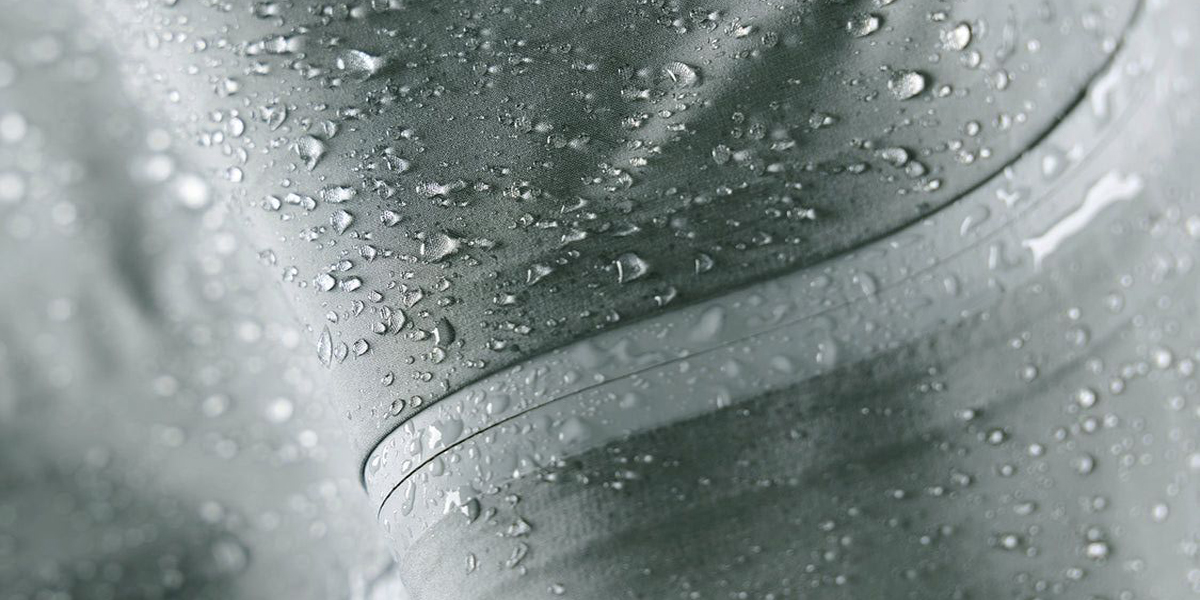
 Modern athletes expect apparel to move like a second skin while still protecting against wind, abrasion, and changing outdoor conditions. That is where four-way stretch woven fabric has become a major upgrade for technical sportswear. Unlike rigid wovens that restrict motion or knits that may lack structure, advanced stretch wovens combine multidirectional flexibility with a clean, durable silhouette. This article explains how these fabrics work, how they differ from two-way stretch constructions, and why fiber choice—whether elastane or mechanical stretch polyester—matters for comfort, recovery, breathability, and long-term performance.
What is four-way stretch woven sports fabric
In our experience developing technical textiles, the shift toward dynamic woven materials has fundamentally changed athletic apparel. We no longer have to compromise between the durability of a rigid woven and the flexibility of a knit. Woven sports fabrics have evolved into highly adaptable structures that provide essential wind resistance, UV protection, and abrasion resistance while mirroring the body’s natural elasticity. However, designers must carefully balance these traits. Incorporating high elastane content can sometimes compromise the tight woven structures needed for maximum wind or water resistance, and wovens often present trade-offs in breathability, moisture-wicking performance, and soft hand-feel compared to knit alternatives. Despite these caveats, this evolution allows designers to create tailored, structured silhouettes that perform flawlessly in rugged environments.
How is four-way stretch fabric defined?
A true four-way stretch woven fabric expands both crosswise and lengthwise, recovering its original shape immediately after tension is released. We achieve this by incorporating elastane or polyurethane fibers into both the warp (vertical) and weft (horizontal) yarns, or by utilizing advanced mechanical stretch yarns. When evaluating options like lightweight mechanical stretch wovens, it is important to distinguish between a 100% polyester mechanical stretch (such as T800/T400) and a spandex-wrapped core. Both deliver multidirectional elongation. While elastane blends offer robust snap-back, mechanical stretch yarns typically achieve lower total elongation and a crisper hand-feel, making them a highly durable alternative that is less susceptible to UV and heat degradation over time. Typically, these fabrics utilize advanced dobby or plain weaves and range in weight from 120 gsm for lightweight running shells to 250 gsm for rugged alpine trousers.
How does it differ from two-way stretch fabric?
The technical distinction between two-way and four-way stretch lies strictly in the yarn orientation and the resulting axis of elasticity. Two-way stretch fabrics usually integrate elastane only in the weft direction, providing horizontal elongation to accommodate basic girth expansion. While the warp is not strictly rigid—often possessing minor inherent give from weave geometry or fiber crimp—it lacks the active stretch fibers found in four-way constructions. Four-way constructions integrate active stretch fibers in both directions. This yields significant stretch across the entire X and Y axes, allowing the garment to conform to complex, diagonal body movements rather than just horizontal expansion. This dual-axis mobility is what elevates a standard sports pant to elite technical apparel.
How does four-way stretch improve athletic performance
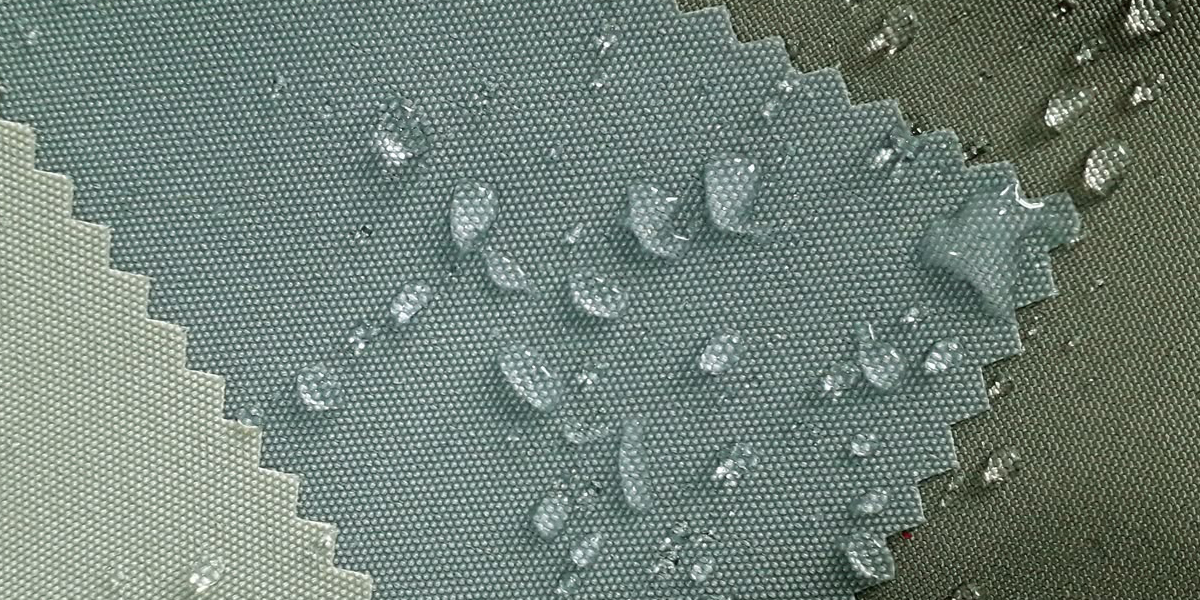 When we analyze an athlete’s biomechanics, clothing acts as a second skin that can either assist or resist motion. By utilizing fabrics that expand in all directions, we significantly reduce the fabric-induced mechanical resistance applied to the wearer’s joints. This reduction in resistance enhances overall comfort through better pressure distribution across the skin. It also allows designers to reduce the “ease” (extra fabric) required in a pattern, creating a sleeker fit without compromising mobility. Ultimately, this maximizes range of motion and reduces chafing over extended periods of physical exertion, allowing athletes to maintain peak efficiency without fighting their own garments.
Which movements benefit most from four-way stretch?
Complex, multi-planar movements demand unhindered flexibility. Activities like deep squats, lateral lunges, and overhead climbing reaches place immense localized stress on garments. If an athlete wears rigid shorts during a 120-degree knee flexion, the fabric binds, pulls, and restricts the range of motion. Incorporating durable polyester-spandex blends ensures the fabric elongates simultaneously across the hip and thigh. This accommodates the significant skin extension that naturally occurs during extreme joint articulation, eliminating uncomfortable pinch points. Furthermore, the multidirectional stretch ensures that the fabric glides over the musculature during dynamic directional changes.
Which testing metrics show stretch and recovery?
We rely on rigorous laboratory testing, specifically standardized methods like ASTM D3107, to establish general benchmarks for these performance characteristics. While some applications might opt for an interlock knit alternative for maximum flexibility and a softer hand-feel, high-quality wovens must also demonstrate exceptional elongation and, more importantly, rapid recovery to prevent permanent bagging at high-stress areas like the knees or elbows. The table below outlines typical industry ranges:
| Metric | Typical Two-Way Woven | Typical Four-Way Woven | General Target |
|---|---|---|---|
| Warp Stretch | 0% – 5% | 15% – 25% | > 15% |
| Weft Stretch | 15% – 20% | 15% – 25% | > 15% |
| Fabric Growth (Sag) | 3% – 5% | < 2% | < 3% |
| Recovery (after 1 min) | 85% – 90% | 95% – 98% | > 95% |
As the general data shows, a critical advantage of four-way wovens is keeping fabric growth to a minimum. This ensures the garment retains its compressive support even after hours of intense training.
How should brands specify four-way stretch woven fabric
Transitioning from theoretical design to commercial production requires precise material specifications in tech packs. We always advise brands to carefully weigh the technical benefits against production complexities—such as sewing difficulties unique to stretch wovens, including needle cutting and seam slippage—before committing to a fabric architecture. Concrete specification guidance is essential: tech packs should explicitly state recommended elongation targets (typically >15% in both directions), recovery thresholds (>95% after one minute), preferred weave types (such as dobby for abrasion resistance), and specific finish requirements (like DWR or moisture-wicking treatments). Specifying the wrong material parameters can lead to cost overruns, manufacturing bottlenecks, or compromised product lifespans.
Which sportswear categories justify four-way stretch?
Not every garment requires multidirectional elasticity. We recommend reserving these premium textiles for categories where mobility directly dictates performance. Technical climbing pants, golf trousers, and elite training shorts are prime candidates. Because integrating elastane into both warp and weft can noticeably increase raw material costs compared to standard rigid wovens, brands must strategically deploy a premium stretch woven where the consumer can immediately perceive the value and justify the higher retail price point.
Key Takeaways
- Choose four-way stretch woven fabric when a garment must support movement in both lengthwise and crosswise directions without adding excess pattern ease.
- Use elastane in both warp and weft yarns when strong recovery and snap-back are the top priorities for sports pants, training wear, or fitted apparel.
- Consider mechanical stretch polyester such as T800/T400 when durability, crisp hand-feel, and resistance to UV or heat degradation are more important than maximum elongation.
- Match fabric weight to the application, using around 120 gsm for lightweight running shells and up to about 250 gsm for rugged alpine trousers.
- Evaluate trade-offs carefully because higher stretch can reduce wind resistance, water resistance, breathability, moisture management, or soft hand-feel depending on the construction.
Frequently Asked Questions
What is four-way stretch woven sports fabric?
It is a woven fabric that stretches both lengthwise and crosswise, then recovers its shape after movement. This is usually achieved with elastane in both warp and weft yarns or with mechanical stretch polyester yarns such as T800/T400.
How is four-way stretch different from two-way stretch?
Two-way stretch usually expands mainly across the width, while four-way stretch provides elasticity in both the X and Y axes. This supports more complex body movements, including bending, twisting, lunging, and climbing.
Why use woven stretch fabric instead of knit fabric for sportswear?
Stretch wovens offer a more structured fit with better abrasion resistance, wind resistance, and outdoor durability. Knits may feel softer or more breathable, but woven sports fabrics are often preferred for shells, trousers, uniforms, and rugged performance apparel.
What fabric weight is common for stretch woven sportswear?
Lightweight running or windbreaker fabrics may be around 120 gsm, while tougher alpine trousers or outdoor pants may use fabrics closer to 250 gsm, depending on durability, protection, and hand-feel requirements.
Does elastane always make sports fabric better?
Not always. Elastane improves snap-back and mobility, but high elastane content can affect wind resistance, water resistance, breathability, and long-term heat or UV durability. Mechanical stretch yarns can be a durable alternative in some designs.
Yunai Textile
Post time: Aug-20-2026