
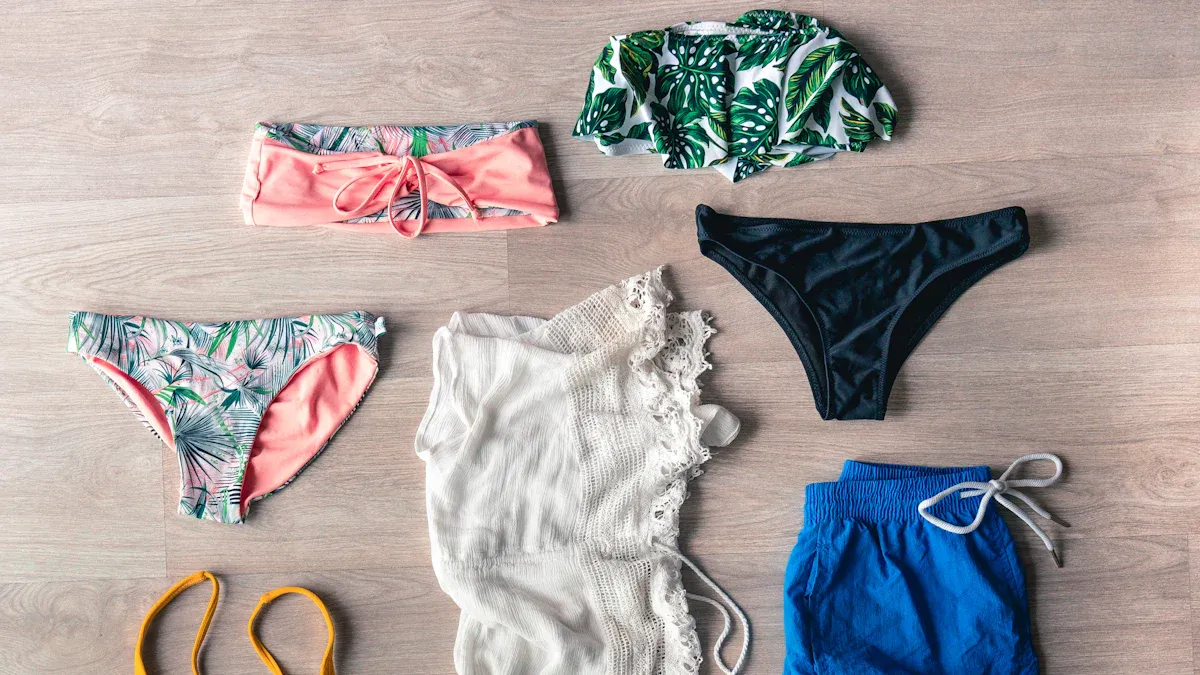
When it comes to swimwear fabric, the 80 nylon 20 spandex swimwear fabric truly stands out as a favorite. Why? This nylon spandex swimwear fabric combines exceptional stretch with a snug fit, making it perfect for any water activity. You’ll love how durable it is, resisting chlorine and UV rays, while remaining lightweight and comfortable for hours of wear.
Characteristics of 80 Nylon 20 Spandex Swimwear Fabric
Superior Stretch and Comfort
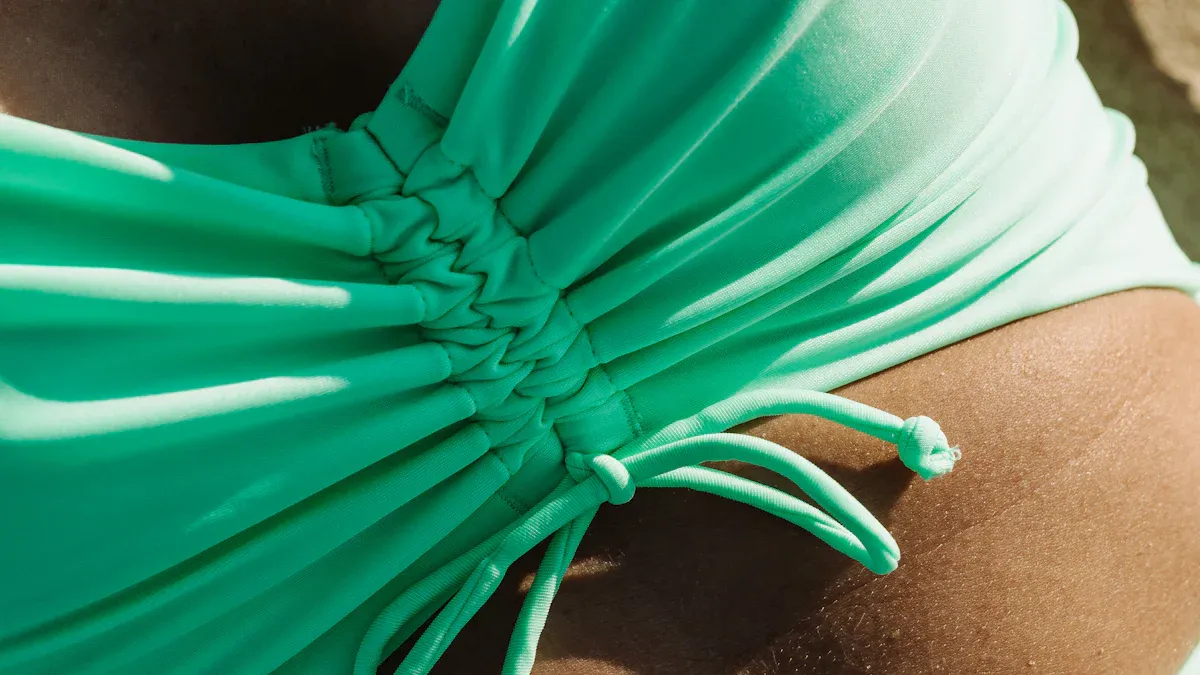
When you’re looking for swimwear that moves with you, 80 nylon 20 spandex swimwear fabric delivers. Its unique blend offers incredible stretch, allowing you to bend, twist, and dive without feeling restricted. Whether you’re swimming laps or lounging by the pool, this fabric molds to your body for a snug yet comfortable fit. You’ll appreciate how it adapts to different body shapes, making it a favorite for both casual swimmers and athletes.
Tip: If you want swimwear that feels like a second skin, this fabric is your best bet.
Quick-Drying and Lightweight
Nobody likes sitting around in soggy swimwear. This fabric dries quickly, so you can transition from water to land without discomfort. Its lightweight nature means you won’t feel weighed down, even after hours in the pool or ocean. You’ll love how it keeps you feeling fresh and ready for your next activity.
- Why it matters:
- Quick-drying swimwear reduces the risk of skin irritation.
- Lightweight fabric enhances mobility, especially during water sports.
Chlorine and UV Resistance
Frequent exposure to chlorine and sunlight can ruin swimwear, but not this fabric. The 80 nylon 20 spandex swimwear fabric is designed to resist both. Chlorine won’t weaken its fibers, and UV rays won’t fade its vibrant colors. You can enjoy your swimwear for longer, whether you’re at the pool or the beach.
Note: Always rinse your swimwear after use to maintain its resistance properties.
Long-Lasting Durability
Durability is key when it comes to swimwear, and this fabric excels in that department. It holds up well against wear and tear, even with regular use. You won’t have to worry about it losing its shape or elasticity over time. This makes it a smart investment for anyone who spends a lot of time in the water.
- Pro Tip: Look for swimwear with reinforced stitching to complement the fabric’s durability.
Comparison with Other Swimwear Fabrics
80 Nylon 20 Spandex vs. Polyester Blends
When comparing 80 nylon 20 spandex swimwear fabric to polyester blends, you’ll notice some key differences. Polyester blends are known for their durability and resistance to chlorine, but they often lack the stretch and softness you get with nylon-spandex. If you’re looking for swimwear that hugs your body and moves with you, nylon-spandex is the better choice.
Polyester blends, however, tend to hold up better in heavily chlorinated pools. They’re also less likely to fade over time. So, if you’re a frequent swimmer in public pools, polyester might be worth considering.
Tip: Choose nylon-spandex for comfort and stretch, and polyester blends for heavy-duty durability.
Differences from 100% Nylon or Spandex
You might wonder how 80 nylon 20 spandex swimwear fabric compares to 100% nylon or spandex. Nylon alone is strong and lightweight, but it doesn’t offer much stretch. On the other hand, 100% spandex is incredibly stretchy but lacks the durability and structure of nylon.
By blending the two, you get the best of both worlds. The nylon provides strength and shape, while the spandex adds flexibility. This combination makes it ideal for swimwear that needs to be both supportive and comfortable.
Pros and Cons of Other Common Swimwear Materials
Here’s a quick look at how other materials stack up:
| Material | Pros | Cons |
|---|---|---|
| 100% Nylon | Lightweight, durable | Limited stretch, less comfortable |
| 100% Spandex | Extremely stretchy | Prone to wear and tear |
| Polyester Blends | Chlorine-resistant, long-lasting | Less stretch, stiffer feel |
Each material has its strengths, but 80 nylon 20 spandex swimwear fabric strikes a great balance. It’s stretchy, durable, and comfortable, making it a top choice for most swimwear needs.
Factors to Consider When Choosing 80 Nylon 20 Spandex Swimwear Fabric
Weight and Thickness
The weight and thickness of swimwear fabric can make or break your comfort in the water. Thicker fabric provides more coverage and support, which is great for competitive swimmers or those who prefer modest swimwear. On the other hand, lighter fabric feels airy and allows for better mobility, making it ideal for casual beach days or water aerobics.
When choosing, think about your activity level. Are you diving into intense water sports or just relaxing by the pool? For high-impact activities, opt for medium to heavy-weight fabric that stays in place. For lounging, lightweight fabric keeps you cool and comfortable.
Tip: Hold the fabric up to the light. If it’s too sheer, it might not offer the coverage you need.
Texture and Skin Feel
Nobody wants swimwear that feels scratchy or uncomfortable. The texture of 80 nylon 20 spandex swimwear fabric is smooth and soft, making it gentle on your skin. This is especially important if you have sensitive skin or plan to wear your swimwear for extended periods.
Run your fingers over the fabric before buying. Does it feel silky or rough? A smooth texture ensures comfort, while a slightly textured surface can provide a better grip for active swimmers.
- Checklist for texture:
- Soft and smooth for comfort.
- No rough edges or seams that might irritate your skin.
- Stretchy enough to move with you without chafing.
Sustainability and Environmental Impact
If you care about the planet, you’ll want to consider the sustainability of your swimwear fabric. While 80 nylon 20 spandex swimwear fabric isn’t always the most eco-friendly option, some brands now offer recycled versions. These fabrics reduce waste and minimize environmental harm.
Look for certifications like OEKO-TEX or labels that mention recycled materials. Choosing sustainable swimwear helps protect marine ecosystems and reduces your carbon footprint.
Note: Sustainable options might cost a bit more, but they’re worth it for the environment.
Intended Use and Activity Type
Your swimwear needs depend on how you plan to use it. Are you training for a triathlon, surfing, or just enjoying a family pool day? For high-performance activities, you’ll need swimwear with excellent stretch and durability. Casual swimmers can focus more on comfort and style.
Here’s a quick guide to match fabric features with your activity:
| Activity Type | Recommended Features |
|---|---|
| Competitive Swimming | Snug fit, medium thickness, chlorine-resistant |
| Surfing | Stretchy, durable, UV-resistant |
| Casual Pool Use | Lightweight, soft texture, quick-drying |
| Water Aerobics | Flexible, supportive, breathable |
Think about your needs before buying. The right fabric ensures you stay comfortable and confident in the water.
Tips for Maintaining 80 Nylon 20 Spandex Swimwear

Best Practices for Washing
Keeping your swimwear clean is essential for its longevity. Always rinse it with fresh water after swimming to remove chlorine, salt, or sunscreen residue. Hand washing is the best option. Use cold water and a mild detergent to gently clean the fabric. Avoid scrubbing or twisting the material, as this can damage its elasticity.
Tip: Never use bleach or harsh chemicals. They weaken the fibers and shorten the lifespan of your swimwear.
Proper Drying and Storage
Drying your swimwear the right way prevents damage. Lay it flat on a towel and let it air dry in a shaded area. Direct sunlight can fade colors and weaken the fabric over time. Avoid wringing it out, as this can stretch the material.
When storing your swimwear, make sure it’s completely dry. Fold it neatly and keep it in a cool, dry place. Avoid hanging it for long periods, as this can cause the fabric to stretch.
Protecting Against Chlorine and Sun Damage
Chlorine and UV rays are tough on swimwear. To protect your suit, rinse it immediately after swimming in chlorinated water. For extra protection, consider wearing a swimwear-friendly sunscreen that won’t stain the fabric.
If you’re spending hours in the sun, look for swimwear with built-in UV protection. This helps preserve the fabric and keeps your skin safe.
Note: A quick rinse after every use goes a long way in maintaining your swimwear’s quality.
Extending the Lifespan of Your Swimwear
Want your swimwear to last longer? Rotate between multiple suits to reduce wear and tear. Avoid sitting on rough surfaces, as they can snag the fabric. If your swimwear starts to lose its shape, it’s time to replace it.
Pro Tip: Treat your swimwear like an investment. Proper care ensures it stays in great condition for years.
Choosing swimwear made from 80 nylon 20 spandex fabric is a smart move. It offers unbeatable stretch, comfort, and durability while standing up to chlorine and UV rays. Whether you’re swimming laps or relaxing by the beach, this fabric adapts to your needs.
Remember: Consider weight, texture, and sustainability when shopping. Proper care keeps your swimwear looking great for years.
Post time: May-13-2025