
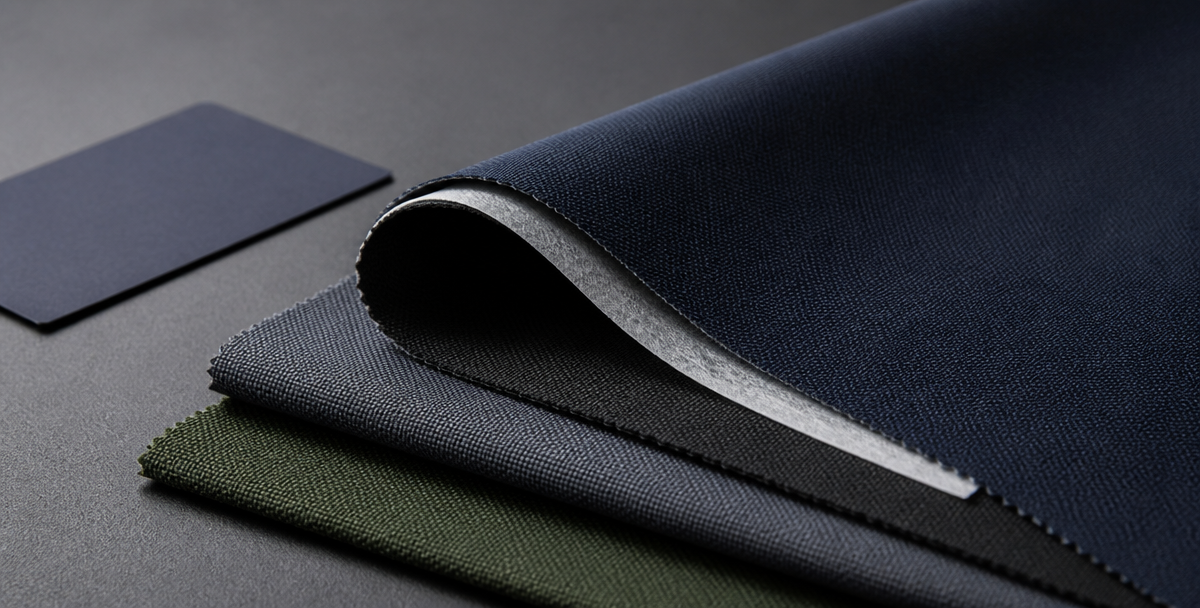
 A successful activewear line starts long before cutting and sewing—it begins with specifying fabric that can survive sweat, stretch, abrasion, and repeated laundering. Polyester stretch materials offer durability, shape retention, and scalable manufacturing value, but the wrong construction can lead to sagging leggings, clingy tops, poor breathability, or costly returns. This guide explains how manufacturers should define stretch, recovery, GSM, elastane content, knit versus woven structure, and moisture-management targets before moving into bulk production. By treating fabric selection as a technical decision rather than a hand-feel preference, brands can build garments that meet real performance demands and customer expectations.
Define Activewear Stretch Fabric Requirements
Specifying the correct activewear stretch fabric is a critical first step when developing a new athletic apparel line. Relying on subjective feel is insufficient; instead, strict technical parameters must be defined to dictate how the garment will perform under physical stress. Establishing clear requirements early avoids costly production missteps and ensures the final product meets consumer expectations for durability, flexibility, and comfort.
Set stretch, recovery, and fabric weight targets
Building functional garments starts by outlining specific stretch, recovery, and weight metrics. For high-impact applications like compression leggings, a 4-way stretch profile is non-negotiable. It is important to note that true 4-way stretch in polyester knits inherently requires the addition of elastane. An illustrative target of 60% to 70% elongation with a minimum stretch recovery of 95% helps prevent the fabric from bagging out at the knees or waistband. While standard activewear typically sits in the 8% to 18% elastane range, high-compression garments often require 20% to 30% elastane (or high-modulus variants) to provide adequate support. Higher percentages increase both cost and compression, which may not suit all product tiers.
It is also crucial to distinguish between knit and woven constructions. Knits provide the high, multi-directional elasticity required for leggings and tees, while woven stretch fabrics offer the structural durability needed for jackets or specialized shorts. Conversely, a two-way stretch polyester fabric designed for sports may be perfectly adequate for looser track pants or jogging shorts, offering mechanical stretch primarily across the grain. Fabric weight is equally vital: specify 250 to 300 GSM (grams per square meter) for bottoms, while lightweight tops require a 130 to 180 GSM profile. However, GSM alone does not guarantee squat-proof opacity or top-weight performance; stitch density, yarn denier, and knit construction (such as interlock versus jersey) are equally decisive factors. Finally, designers must account for polyester’s inherent limitations—such as odor retention, static buildup, and a tendency to pill—which should be mitigated through proper yarn selection and chemical finishing.
Assess breathability and moisture management
Beyond mechanical movement, activewear must regulate body temperature effectively by addressing both breathability (airflow) and moisture-wicking (liquid transport). While the Moisture Vapor Transmission Rate (MVTR) measures vapor transmission and is highly relevant for waterproof outerwear membranes, air permeability (ASTM D737) and wicking rates are the more practical, directly relevant metrics for activewear knits. For intense aerobic activities, rapid capillary action is essential so sweat spreads quickly and does not weigh down the athlete. These thresholds are not universal mandates; they vary significantly by garment type, price tier, and intended athletic intensity. When developing specialized tops, sourcing a custom polyester stretch fabric treated with hydrophilic finishes improves wicking and moisture spread. However, it is important to note that these finishes do not automatically accelerate drying and can sometimes retain moisture if over-applied.
Verify Fabric Performance Before Bulk Production
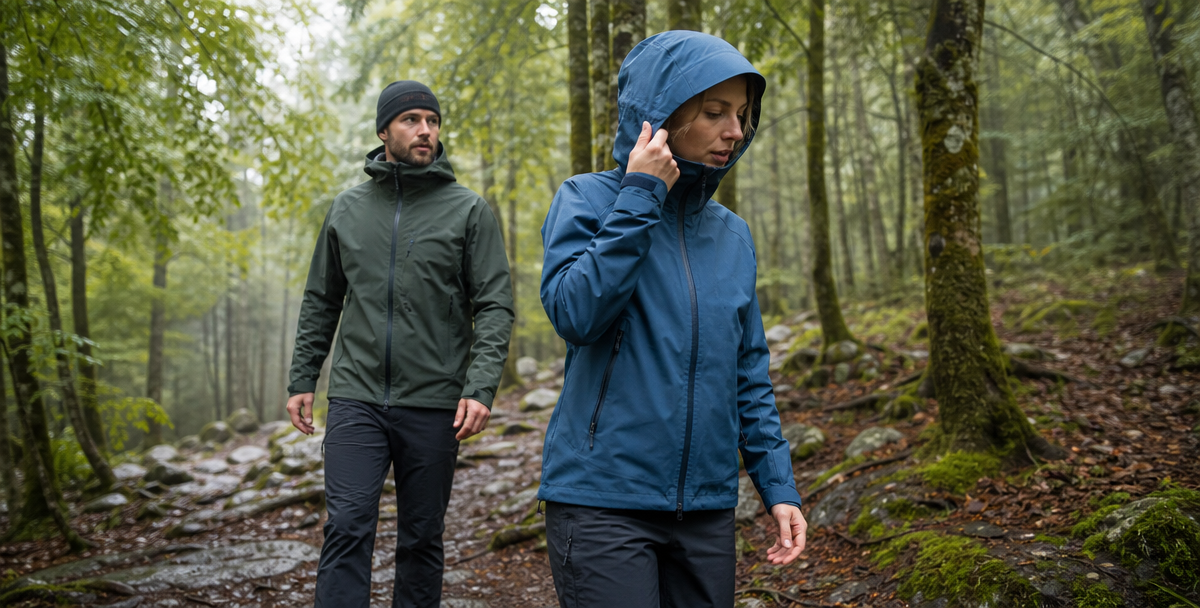 Once baseline specifications are established, rigorous testing must follow. Authorizing bulk production based solely on a supplier’s datasheet or a small swatch is a significant risk. Verifying fabric performance through controlled laboratory analysis and real-world simulation is the only way to guarantee that the selected textiles will survive the grueling conditions of athletic use.
Use lab tests for stretch and recovery
In the laboratory phase, rely on recognized industry standards like ASTM D4964 for tension and elongation. Testing partners should measure the fabric’s recovery not just in its raw state, but after 10 to 20 industrial wash cycles. As an illustrative benchmark, poorly constructed elastane blends often suffer a 10% to 15% degradation in elasticity after repeated laundering, which is unacceptable for premium activewear. In addition to mechanical tests, evaluating dye-sublimation compatibility for printed designs is critical. Because dye-sublimation exposes elastane to high heat, which can degrade stretch recovery, heat-compatibility testing is essential beyond simple colorfastness checks to chlorine and sweat (using standard AATCC test methods).
| Performance Metric | Minimum Target for Tops | Minimum Target for Bottoms | Critical Failure Threshold |
|---|---|---|---|
| Elongation (4-Way) | 40% | 65% | < 30% |
| Stretch Recovery | 90% | 95% | < 85% |
| Wash Shrinkage | < 5% | < 3% | > 5% |
By charting these metrics, brands can immediately disqualify materials that look great on the roll but fail under mechanical stress or chemical exposure.
Compare test results with real activewear use
Lab results provide a controlled baseline, but these figures should always be compared against dynamic wear trials. Constructing prototype garments and subjecting them to field testing with athletes helps assess real-world chafing, drape, and abrasion resistance. For high-friction areas, an illustrative benchmark of a Martindale abrasion test score (ASTM D4966) exceeding 20,000 rubs is often used to prevent premature pilling, though this requirement scales with the intended athletic intensity. If designing durable outerwear or specialized pants, integrating a woven four-way stretch polyester fabric requires observing how the bonded layers hold up to sudden, high-intensity, dynamic movements on the track or in the gym. Real-world testing exposes flaws that static laboratory stretching often misses.
Choose the Right Activewear Stretch Fabric Supplier
With technical specifications locked and testing protocols validated, the final hurdle is identifying a manufacturing partner capable of consistent execution. Sourcing the optimal fabric for activewear is ultimately useless if the mill cannot scale production without compromising the chemical or structural integrity of the textile.
Review supplier quality and testing capabilities
When vetting a potential stretch fabric supplier, prioritize their in-house quality control infrastructure and fabric-specific capabilities. Look for mills that maintain certifications like Oeko-Tex Standard 100, ensuring the fabrics are free from harmful substances, and prioritize suppliers offering GRS-certified (Global Recycled Standard) recycled polyester. Crucially, evaluate the supplier’s ability to maintain batch-to-batch shade consistency and their sourcing of premium elastane yarns, as these directly impact the garment’s long-term performance.
Key Takeaways
- Define stretch, recovery, GSM, and garment use before sourcing fabric to avoid performance mismatches in bulk production.
- Use true 4-way stretch with elastane for compression leggings, targeting roughly 60% to 70% elongation and at least 95% recovery.
- Select 250 to 300 GSM fabrics for bottoms and 130 to 180 GSM fabrics for lightweight tops, while also checking opacity, yarn denier, and knit density.
- Choose knit constructions for multi-directional flexibility and woven stretch fabrics for structured activewear such as jackets or specialized shorts.
- Evaluate air permeability and wicking performance for activewear knits instead of relying only on MVTR, which is more relevant to waterproof outerwear.
- Test fabric performance before bulk production because polyester may need finishing or yarn adjustments to reduce odor retention, static, and pilling.
Frequently Asked Questions
What stretch level is best for compression leggings?
Compression leggings typically need true 4-way stretch, about 60% to 70% elongation, and at least 95% recovery to reduce knee, seat, and waistband bagging.
Does 100% polyester provide true 4-way stretch?
Not usually. True 4-way stretch in polyester knits generally requires elastane or spandex, especially for leggings, fitted tops, and compression garments.
What GSM should I choose for activewear fabric?
A common target is 250 to 300 GSM for bottoms and 130 to 180 GSM for lightweight tops, but opacity and performance also depend on yarn, density, and knit structure.
Is knit or woven polyester stretch fabric better for activewear?
Knits are better for flexible garments like leggings, tees, and base layers. Woven stretch fabrics suit jackets, structured shorts, and outdoor apparel where durability and shape retention matter.
How can I improve moisture management in polyester activewear?
Specify air permeability, wicking performance, and suitable hydrophilic finishes. Avoid over-finishing, because some treatments may spread sweat well but slow drying if applied incorrectly.

Yunai Textile
Post time: Aug-20-2026