
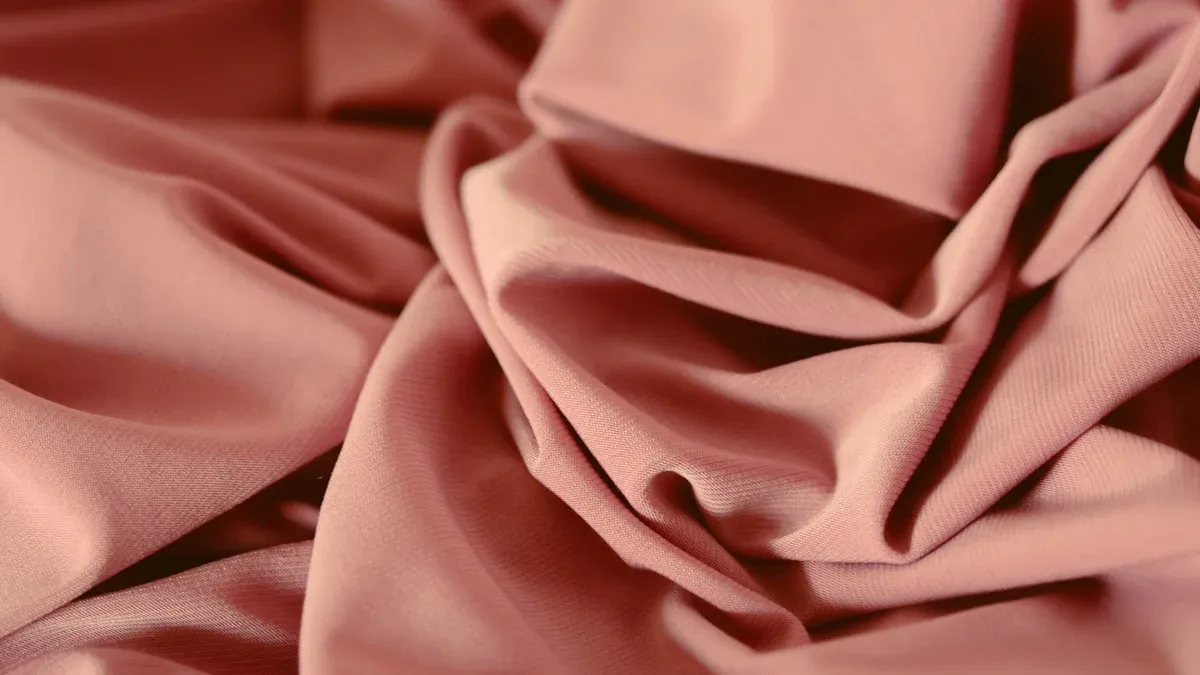
When I evaluate 100% polyester fabric, I focus on its quality to ensure 100% Polyester Fabric quality, durability, appearance, and performance. 100% polyester fabric stands out due to its strength and resistance to wrinkles, making it ideal for clothing and home furnishings. For instance:
- The global rise in polyester textiles stems from its durability and versatility.
- Its tensile strength ensures long-lasting performance, even under daily wear and tear.
To ensure polyester fabric quality, I prioritize factors like fiber strength, weave, and finishing. Testing polyester stretch fabric or polyester spandex fabric for durability and breathability helps maintain its integrity. Simple steps, such as assessing colorfastness or inspecting for defects, can make a significant difference in ensuring polyester fabric quality.
Key Takeaways
- Choose polyester fabric with strong and tough fibers. Strong fibers last longer and resist damage.
- Check the fabric for flaws before using it. Make sure the color is even and the texture is smooth for good quality.
- Wash and dry the fabric the right way to keep it strong. Use cold water and let it air-dry to avoid harm.
Key Factors to Ensure 100% Polyester Fabric Quality
Fiber Strength and Durability
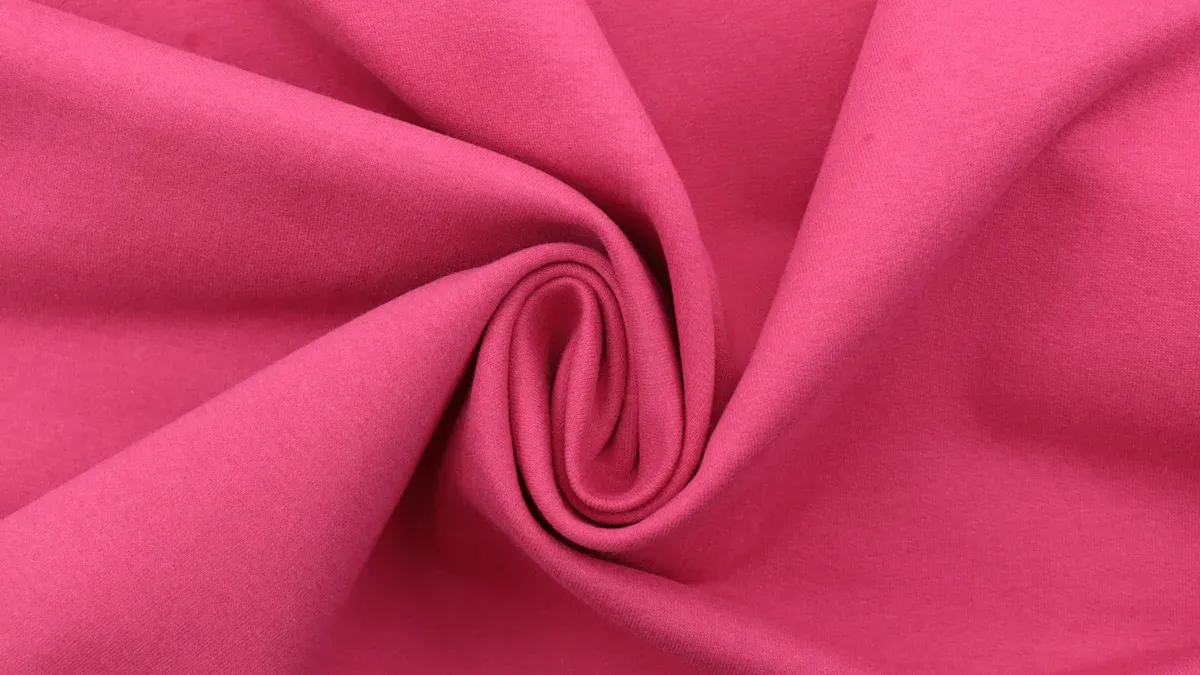
When I evaluate 100% polyester fabric, fiber strength and durability are my top priorities. These factors determine how well the fabric can withstand daily use and mechanical stress. Polyester fibers are known for their high tensile strength, which ensures long-lasting performance. For instance, metrics like linear mass density (measured in denier or tex) and grams per square meter (GSM) are critical in assessing fiber strength.
| Metric | Description |
|---|---|
| Linear Mass Density | The weight of a given length of fiber, measured in units like denier and tex. |
| Grams per Square Meter | A critical parameter for fabric weight, affecting density, thickness, and physical properties. |
I always recommend checking these metrics when selecting polyester fabrics. Strong fibers not only enhance durability but also contribute to the fabric’s resistance to wear and tear.
Weave and Texture
The weave and texture of polyester fabric significantly impact its quality. I’ve noticed that different weave structures, such as plain, twill, or satin, influence the fabric’s strength, flexibility, and appearance. A 2007 study by Ünal and Taskin analyzed the effects of various weave patterns and densities on tensile strength. The study revealed that plain weaves offer higher durability, while twill weaves provide a softer texture and better drape.
When I assess polyester fabric, I pay close attention to the warp and weft densities. These factors determine the tightness of the weave, which directly affects the fabric’s mechanical properties. A tighter weave generally results in a stronger and more durable fabric.
Finishing and Appearance
The finishing process plays a crucial role in ensuring 100% polyester fabric quality. Finishing treatments, such as heat setting or chemical coatings, enhance the fabric’s appearance and functionality. I always inspect the fabric for a smooth and uniform surface, as this indicates high-quality finishing.
For example, heat setting stabilizes the fabric’s dimensions and prevents shrinkage, while chemical finishes can add water resistance or stain repellency. These treatments not only improve the fabric’s aesthetic appeal but also extend its lifespan.
Resistance to Wear and Tear
Resistance to wear and tear is another essential factor I consider when evaluating polyester fabric. Polyester’s molecular structure and inter-fiber cohesion contribute to its exceptional abrasion resistance. Empirical data supports this, showing that polyester spun yarn can endure significant mechanical stress without losing its structural integrity.
Standardized tests, such as the Martindale Abrasion Test, confirm that high-quality polyester fabrics meet and exceed benchmarks for abrasion resistance. This makes them ideal for applications requiring durability, such as upholstery and activewear. By ensuring the fabric’s resistance to wear and tear, I can guarantee its long-term performance and value.
Evaluating 100% Polyester Fabric Quality
Visual Inspection for Defects
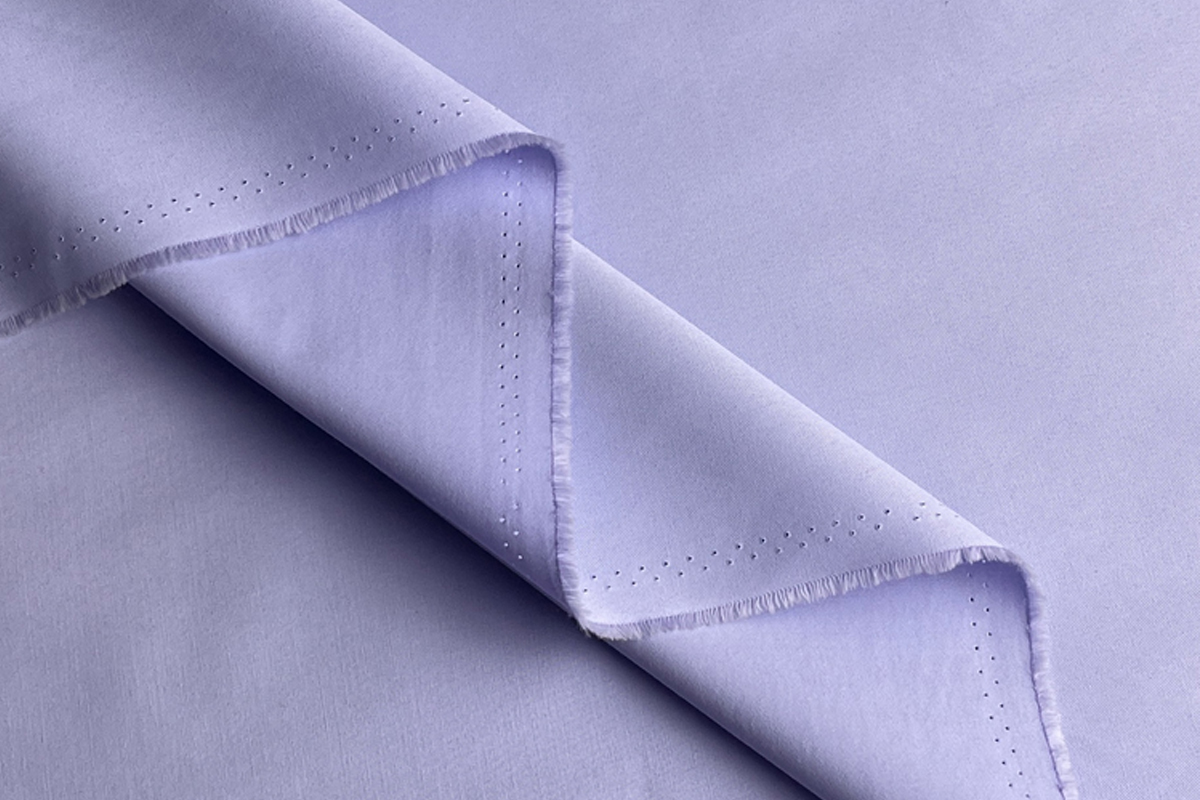
When I evaluate polyester fabric, I always start with a visual inspection. This step helps me identify surface defects such as uneven dyeing, snags, or loose threads. These imperfections can compromise the fabric’s durability and appearance. I recommend examining the fabric under good lighting and running your fingers across the surface to detect irregularities.
For instance, I often look for consistent color distribution and a smooth texture. Uneven dyeing may indicate poor finishing processes, while loose threads can signal weak weaving. By catching these issues early, I can ensure the fabric meets high-quality standards before use.
Tip: Always inspect both sides of the fabric, as defects may not be visible on the front side alone.
Testing for Colorfastness
Colorfastness is a critical factor in polyester fabric quality. I test this by exposing the fabric to conditions that mimic real-life usage, such as washing, rubbing, and exposure to sunlight. A high-quality polyester fabric retains its color even after repeated washing cycles.
In one of my evaluations, I used a simple home test: I dampened a white cloth and rubbed it against the fabric. If the color transferred, it indicated poor colorfastness. For more precise results, I rely on standardized tests like ISO 105-C06, which simulate washing conditions and measure color retention. This ensures the fabric maintains its vibrant appearance over time.
Note: Polyester fabrics with poor colorfastness may fade quickly, reducing their aesthetic appeal and lifespan.
Checking for Breathability and Comfort
Breathability and comfort are essential for polyester fabrics, especially in activewear and outdoor applications. I assess these qualities using both objective measurements and subjective evaluations.
Objective tests measure parameters like thermal resistance, water vapor resistance, and air permeability. For example:
| Measured Values/Parameters | Description |
|---|---|
| Thermal Resistance | Measures the fabric’s ability to resist heat transfer, impacting comfort in varying temperatures. |
| Water Vapor Resistance | Indicates how well the fabric allows moisture vapor to escape, affecting breathability. |
| Air Permeability | Assesses the fabric’s ability to allow air to pass through, crucial for comfort during activities. |
Subjective evaluations involve wearing the fabric and assessing its comfort during different activities. I find that fabrics with low water vapor resistance and high air permeability offer the best balance of breathability and comfort. These qualities are vital for ensuring 100% polyester fabric quality in performance-oriented applications.
Assessing Stretch and Recovery
Stretch and recovery are key indicators of a fabric’s elasticity and resilience. I evaluate these properties using standardized tests like ASTM D2594 for knit fabrics and ASTM D3107 for woven fabrics. These tests provide quantitative data on how well the fabric stretches and returns to its original shape.
| Test Name | Description |
|---|---|
| ASTM D2594 | Stretch Recovery – Knit Fabric |
| ASTM D3107 | Stretch Recovery – Woven Fabric |
In my experience, fabrics with excellent stretch and recovery maintain their shape and fit over time, even after repeated use. This is particularly important for garments like leggings and activewear, where elasticity plays a crucial role. By assessing these properties, I can ensure the fabric meets the demands of its intended application.
Maintaining 100% Polyester Fabric Quality
Proper Washing Techniques
I always emphasize the importance of proper washing techniques to maintain polyester fabric quality. Polyester requires specific care to prevent issues like pilling, static build-up, or permanent damage. I recommend washing polyester garments in cold or lukewarm water using a gentle cycle. Excessive heat can break down or even melt polyester fibers, so monitoring water temperature is crucial.
Research shows that washing methods significantly affect fabric properties. For instance, one study found that improper washing can alter stitch length and garment weight, impacting the fabric’s overall appearance. Another study revealed that higher washing temperatures can degrade printed textiles, leading to noticeable changes in color quality. To avoid these issues, I suggest using mild detergents and turning garments inside out to protect their surface during washing.
Tip: Always check the care label for specific washing instructions to ensure the fabric’s longevity.
Best Practices for Drying
Drying polyester fabrics correctly is just as important as washing them. I prefer air-drying whenever possible, as it minimizes the risk of shrinkage and preserves the fabric’s integrity. If you use a dryer, select a low-temperature setting and remove the garments while they are still slightly damp. This makes ironing easier and prevents over-drying, which can weaken the fibers.
Polyester is sensitive to high heat, so following care label instructions is essential. For delicate items, I recommend laying them flat on a towel to absorb excess moisture. This method prevents stretching and helps maintain the fabric’s original shape.
Note: Avoid direct sunlight when air-drying, as prolonged exposure can fade the fabric’s color.
Storage Tips to Prevent Damage
Proper storage plays a vital role in preserving polyester fabric quality. I always store polyester garments in a cool, dry place to prevent moisture buildup, which can lead to mold or mildew. Hanging items on padded hangers helps maintain their shape, while folding heavier fabrics prevents stretching.
For long-term storage, I use breathable garment bags to protect the fabric from dust and pests. Avoid plastic covers, as they can trap moisture and cause discoloration. If space is limited, rolling the fabric instead of folding can reduce creases and save storage room.
Tip: Keep polyester fabrics away from sharp objects or rough surfaces to avoid snags and tears.
Avoiding Common Mistakes in Fabric Care
Over the years, I’ve noticed that small mistakes can significantly impact polyester fabric quality. Using harsh detergents or bleach can weaken the fibers and cause discoloration. Similarly, ironing polyester at high temperatures can leave permanent scorch marks.
Another common mistake is overloading the washing machine. This can lead to uneven cleaning and increase the risk of snags. I always recommend washing polyester garments separately or with similar fabrics to avoid abrasion. By paying attention to these details, you can extend the lifespan of your polyester items and keep them looking their best.
Reminder: Never wring out polyester fabrics, as this can distort their shape and damage the fibers.
Ensuring the quality of 100% polyester fabric requires attention to several critical factors. High-quality fibers, tight weaves, and proper finishing processes contribute to durability, comfort, and aesthetic appeal. The table below summarizes these essential elements:
| Factor | Description |
|---|---|
| Fiber Quality | Finer, uniform fibers create smoother, softer fabrics. |
| Weave and Density | Tighter weaves and higher thread counts enhance durability and reduce fraying. |
| Finishing | Proper treatments resist pilling, fading, and shrinking. |
| Feel and Drape | Softness and good drape indicate comfort and usability. |
| Breathability | Advanced technologies improve moisture management, ideal for activewear. |
| Durability and Colorfastness | Resistance to wear and color retention after washes signify high quality. |
| Source and Brand Reputation | Reputable brands ensure better materials and standards. |
Regular evaluation and proper maintenance are equally important. Inspect fabrics for defects, test for colorfastness, and follow care instructions to preserve their quality. Simple practices like washing in cold water, air-drying, and storing in breathable bags can extend the lifespan of polyester items. By adopting these steps, you can maintain the durability and appearance of your polyester fabrics for years to come.
Tip: Always choose fabrics from trusted brands to ensure consistent quality and performance.
FAQ
What is the best way to test polyester fabric durability?
I recommend using the Martindale Abrasion Test. It measures the fabric’s resistance to wear and tear, ensuring it meets durability standards for long-term use.
How can I prevent polyester fabric from pilling?
Wash polyester on a gentle cycle with mild detergent. Avoid high heat during drying. These steps reduce friction and protect the fibers from damage.
Is polyester fabric suitable for sensitive skin?
Polyester can sometimes irritate sensitive skin. I suggest choosing polyester blends with softer finishes or testing a small area before wearing.
Post time: Apr-28-2025